



Latest Version
October 26, 2026
Rollic Games
Puzzle
iOS
0
Report a Problem
More About :game
The objective is simple: release the right sand at the right time, direct it toward the correct containers, and prevent the conveyor from becoming overloaded. However, the puzzles become more challenging as layouts grow more complicated and the flow of sand becomes harder to manage.
With satisfying sand physics, handcrafted levels, and straightforward tap-based controls, Sand Out! offers a relaxing but engaging experience for players who enjoy sorting puzzles and testing their planning skills.
What Is Sand Out!?
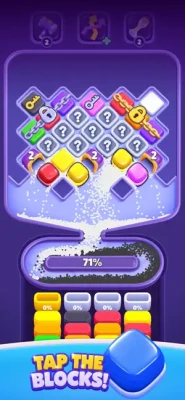
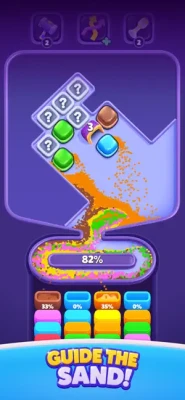
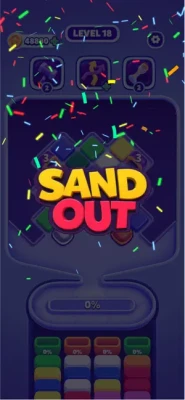
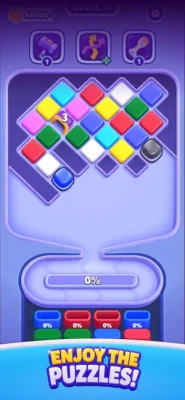
Sand Out! is a color-sorting puzzle game built around moving sand, breakable blocks, and a conveyor system with limited capacity. Your task is to release colored sand from blocks and ensure that each grain reaches the container that matches its color.
At first, the mechanics are easy to understand. Tap a block, release the sand, and watch it travel toward the waiting containers. As you progress, however, the order of your moves becomes increasingly important.
Releasing the wrong block at the wrong time can fill the conveyor with sand that cannot be sorted immediately. This makes every decision important, particularly when several colors are waiting and the available space is limited.
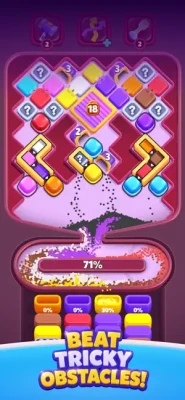
The game also introduces additional mechanics, including linked blocks and sliders, which require players to think more carefully about the sequence of actions. Learning to recognize these mechanics and plan around them is essential for completing the more demanding stages.
How to Play Sand Out!
Tap Blocks to Release Sand
Every puzzle begins with colored sand blocks positioned above or around the sorting area. Tap the appropriate blocks to release their contents and allow the sand to flow toward the conveyor.
Your goal is not simply to empty every block as quickly as possible. You must also consider where the released sand will go and whether the matching container is ready to receive it.
Before tapping, examine the available colors and identify which block is likely to produce the most useful next move.
Match Sand Colors With the Correct Containers
The central rule of Sand Out! is color matching. Each container is intended to receive sand of its corresponding color.
Pay attention to the colors currently moving along the conveyor and the containers waiting below. If you release sand without considering its destination, you may create congestion that makes later moves more difficult.
Successful sorting depends on coordinating the colors released from the blocks with the containers available to receive them.
Manage the Moving Conveyor
The conveyor belt has limited capacity, so you cannot treat it as an unlimited storage area. Sand that remains on the belt occupies space that could be needed by another color.
Watch how much sand is currently moving through the system. If the conveyor is already crowded, prioritize moves that help clear the existing flow before releasing more sand.
Managing this space is one of the most important skills in the game.
Complete Each Level
A level is completed when the puzzle's sorting objective is satisfied and the required sand reaches its correct destinations.
Some stages can be solved with a few straightforward taps, while others require a carefully planned sequence. As new layouts and mechanics appear, take time to understand how the pieces interact before committing to your next move.
Best Sand Out! Tips and Tricks
Plan Your Moves Before Tapping
One of the easiest mistakes is tapping the first available block without considering what happens next. Although this may work in simple levels, more complicated puzzles require a little preparation.
Before releasing sand, inspect the colors on the board, the containers below, and the amount of available conveyor space.
Ask yourself which color should move first, which container can accept it, and whether releasing that block will interfere with another color. Even a brief pause can help you avoid unnecessary mistakes.
Prioritize Sand That Can Be Sorted Immediately
Whenever possible, release sand that has a clear path to its matching container. Clearing an available color can create room for the next part of the puzzle.
This is particularly helpful when the conveyor is approaching its capacity. Moving sand that can be sorted immediately is often more useful than releasing another color that must wait.
However, always consider the entire layout. Some puzzles require you to release a particular block first to make another move possible.
Keep the Conveyor From Becoming Overloaded
Conveyor management is central to successful play. Every unnecessary release can reduce the space available for sand that needs to move next.
Monitor the flow after each tap. If several colors are waiting, avoid releasing additional sand until you understand how the current contents will be sorted.
A good rule is to treat free conveyor space as a resource. Use it deliberately instead of filling it whenever a block becomes available.
Learn the Pattern of Each Level
Some stages may look different because the colors and positions have changed, but their underlying logic can be similar. Look for repeated arrangements, familiar block sequences, and opportunities to clear colors in a predictable order.
When you encounter a difficult level, identify its basic structure before trying random moves. Recognizing a familiar pattern can make the solution easier to find.
Do not assume every level follows the same sequence, though. Always check the actual layout before applying a strategy from an earlier puzzle.
Use Trial and Error Carefully
Experimentation can help you understand how sand flows and how different blocks interact. However, repeatedly tapping without learning from the result is unlikely to improve your performance.
If a move causes a problem, identify the reason. Did it occupy too much conveyor space? Was the matching container unavailable? Did another block need to be released first?
Use the answer to adjust your next attempt rather than repeating the same mistake.
Watch the Timing of Sand Flow
Sand does not always reach its destination instantly. Depending on the layout, released grains may take time to travel along the conveyor.
Observe the movement after each action and avoid assuming that the belt is clear simply because a block has finished releasing sand.
Understanding the flow helps you decide when it is safe to introduce another color.
Stay Patient on Difficult Levels
A difficult stage can become frustrating when the conveyor fills faster than expected. Resist the temptation to tap every available block in an attempt to finish quickly.
Instead, take a moment to study the layout and work backward from the final sorting objective. Determine which colors must reach their containers and which blocks can help you achieve that result.
A patient approach is often more effective than rushing into an uncertain sequence.
How to Solve Difficult Sand Out! Levels
Start by Identifying Every Color
Before making your first move, scan the entire puzzle. Identify the colors present in the blocks and compare them with the containers below.
This gives you a clearer picture of the sorting requirements. It also helps you recognize colors that may need to be released early or saved until more space becomes available.
If several colors appear in similar positions, pay attention to which blocks are accessible and which actions depend on earlier moves.
Determine the Best Sorting Order
The order in which you release sand can determine whether the puzzle remains manageable.
Look for colors that can be cleared quickly and blocks that may obstruct other moves. Consider which action will free the most useful space without filling the conveyor with sand that cannot yet be sorted.
There is not one universal order for every stage. The best sequence depends on the current block arrangement and the available containers.
Work Backward From the Goal
Instead of focusing only on the first move, imagine what the final moments of the puzzle should look like.
Determine which containers need to receive their remaining sand and what must happen before those containers can be filled. Then work backward to identify the earlier moves that make the ending possible.
This method is particularly helpful when several colors compete for limited conveyor space.
Break the Puzzle Into Smaller Steps
Complex levels become easier when divided into manageable stages.
First, identify the colors that can be sorted immediately. Next, consider the blocks that need to be released to open up the remaining puzzle. Finally, focus on clearing the last colors without overloading the conveyor.
Thinking in smaller steps helps you track the consequences of each action and reduces the chance of overlooking an important dependency.
Review the Result of Every Move
After tapping a block, watch how the sand moves and whether the conveyor becomes more or less crowded.
Use this feedback to decide what to do next. If the move creates a clear path for another color, continue with the plan. If it creates congestion, reassess your options before releasing more sand.
Each move should provide useful progress toward completing the level.
How to Handle Linked Blocks
Linked blocks introduce an additional layer of planning because their behavior can affect more than one part of the puzzle.
Inspect the Connection Before Tapping
When linked blocks appear, examine how they are connected and consider what may happen when you activate one. Avoid treating each block as if it were an independent piece.
Understanding the relationship between connected blocks can help you predict how the layout will change after an action.
Choose the Right Moment
Timing is particularly important when linked blocks are involved. Activating them too early may release sand before the conveyor has enough room or before the appropriate containers are ready.
Whenever possible, prepare the sorting area first. Then activate the linked blocks when their sand can move through the system efficiently.
Reassess the Layout After Activation
Once a linked-block action changes the puzzle, review the new arrangement. Do not continue following your original plan if the board has changed in an unexpected way.
Adapt your next moves to the current layout and make sure you still have enough conveyor space to finish sorting the remaining colors.
How to Use the Slider Mechanic
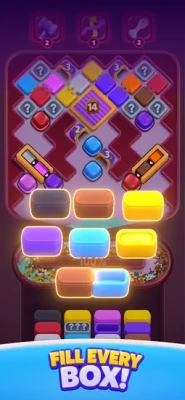
Sand Out! has introduced a slider mechanic in which tapping the front block can move the remaining blocks forward. This changes the arrangement and can affect which actions are available next.
Check the Front Block First
Before activating a slider, inspect the block at the front and consider how moving the sequence forward may affect the other blocks.
The front position can influence your available choices, so avoid tapping automatically without considering the next arrangement.
Predict the New Positions
Think about which blocks will become accessible after the slider moves. A useful move should help you reach the colors or blocks required to continue solving the puzzle.
If the movement makes the next step unclear, pause and review the new layout before releasing additional sand.
Combine Slider Moves With Conveyor Planning
Moving blocks into new positions is only part of the challenge. You still need to sort the released sand correctly.
Before activating the slider, consider whether the conveyor has enough capacity for the sand you plan to release afterward. Good positioning and careful flow management should work together.
Common Sand Out! Mistakes to Avoid
Tapping Blocks Too Quickly
Fast tapping may feel efficient, but it can fill the conveyor before the existing sand reaches its destination. Slow down when a level introduces several colors or a more complicated arrangement.
Ignoring Conveyor Capacity
The conveyor is not unlimited storage. Releasing sand without considering the remaining space can make the puzzle difficult to recover.
Monitor the flow and prioritize moves that help clear the belt.
Releasing the Wrong Color First
A color that seems easy to access may not be the best first choice. Consider whether its container is ready and whether releasing it will interfere with other colors.
Forgetting to Check the Whole Board
Focusing on one block can cause you to overlook a more useful move elsewhere. Scan the full layout before making important decisions, particularly when linked blocks or sliders are involved.
Repeating the Same Failed Sequence
If the same move repeatedly leads to a crowded conveyor, change your approach. Identify the cause of the problem and test a different sorting order.
Rushing Through New Mechanics
Linked blocks and sliders change how you should approach a level. Take time to understand their behavior instead of using the same strategy for every puzzle.
Assuming Every Level Has the Same Solution
Familiar patterns can be useful, but small changes in color positions or block arrangements may require a different sequence. Use previous experience as a guide rather than a fixed set of instructions.
Strategies for Faster and More Consistent Progress
Focus on Efficiency Rather Than Speed
The objective is to sort the sand successfully, not to tap as quickly as possible. Efficient moves clear space, bring the puzzle closer to completion, and avoid creating unnecessary congestion.
As you become more familiar with the mechanics, your decisions will naturally become faster.
Build a Repeatable Routine
A simple routine can help you approach each level consistently.
Begin by checking all the colors and containers. Then examine the conveyor capacity, identify the most useful first move, and watch the result before continuing.
Repeat this process whenever a puzzle becomes complicated. A reliable routine makes it easier to spot problems before they develop.
Recognize When to Restart
Sometimes an early mistake leaves too much sand on the conveyor or blocks the path to a solution. If the current arrangement becomes difficult to recover, restarting may be more efficient than continuing with an ineffective sequence.
Use the failed attempt as a learning opportunity. Remember which move caused the problem and choose a better order on your next try.
Learn From Earlier Levels
Completed puzzles can teach you useful patterns about color sorting, conveyor management, and block behavior.
When you encounter a similar arrangement later, apply the same reasoning while checking for differences. Learning the underlying logic is more valuable than memorizing a sequence that only works on one layout.
Take Breaks When Necessary
Puzzle games can become frustrating when several attempts fail in a row. A short break can help you return with a clearer view of the board.
When you come back, inspect the entire layout again instead of immediately repeating the last sequence. A fresh perspective can reveal an option you previously overlooked.
Is Sand Out! Good for Casual Players?
Sand Out! is well suited to players who enjoy relaxing puzzle games with simple controls and satisfying visual effects. Its tap-based mechanics are easy to learn, and the combination of flowing sand and color sorting provides a clear objective in every level.
The game also offers enough strategic depth to keep players thinking as the puzzles become more complicated. Conveyor capacity, sorting order, linked blocks, and slider mechanics create challenges that reward patience and careful observation.
However, later levels may require repeated attempts and more deliberate planning. Players who prefer fast action or games with extensive character progression may find its puzzle-focused format less appealing.
Overall, Sand Out! is a good choice for casual players who enjoy sorting challenges, physics-based movement, and the satisfaction of solving a crowded puzzle through a well-planned sequence of moves.
Frequently Asked Questions
What is Sand Out!?
Sand Out! is a casual puzzle game developed by Rollic Games. Players tap colored sand blocks, release flowing grains, and sort the sand into matching containers using a moving conveyor belt.
How do you play Sand Out!?
Tap blocks to release sand and guide each color into its matching container. Manage the conveyor's limited capacity and choose your moves carefully to prevent the belt from becoming overloaded.
What is the main objective in Sand Out!?
The goal is to sort all the required sand into the correct containers and complete each puzzle. Successful play depends on color matching, timing, and managing the flow of sand.
How can I beat difficult levels in Sand Out!?
Inspect all the colors and containers before tapping. Prioritize sand that can be sorted immediately, keep the conveyor clear, and plan your moves around the blocks that must be activated first.
Why does the conveyor fill up so quickly?
The conveyor has limited capacity, so released sand occupies space while moving toward its destination. Releasing too many colors before the existing sand clears can cause congestion.
What are linked blocks in Sand Out!?
Linked blocks are a special mechanic that affects how certain blocks interact. Examine their connections and choose the right moment to activate them, taking the resulting layout and available conveyor space into account.
What does the slider mechanic do?
The slider mechanic allows tapping the front block to move the remaining blocks forward. This changes their positions and can affect which moves become available.
Is Sand Out! a relaxing game?
Yes. Its simple controls, flowing sand animations, and color-sorting objectives make it suitable for relaxed play. More challenging levels also require strategic thinking and careful timing.
Is Sand Out! free to play?
Sand Out! is listed as free to download on the Apple App Store. It includes advertising and offers in-app purchases, so optional paid items may be available.
Can I play Sand Out! on iPhone and iPad?
Yes. The game is available for iPhone and iPad. The listed compatibility requirements include iOS 15.0 or later for iPhone and iPadOS 15.0 or later for iPad.
Final Thoughts
Sand Out! combines colorful visuals, flowing sand physics, and thoughtful sorting puzzles into an accessible casual game. Although the basic controls are simple, completing more difficult levels requires you to manage conveyor capacity, recognize patterns, and release the right blocks in the right order.
For the best results, inspect the entire board before tapping, prioritize colors that can be sorted immediately, and avoid filling the conveyor without a clear plan. Learn how linked blocks and sliders affect the layout, and use failed attempts to improve your next sequence.
With patience and a consistent strategy, you can solve increasingly challenging puzzles, make better use of every move, and enjoy the satisfying experience of sorting every grain of sand into its correct destination.
Rate the Game
User Reviews







Popular Games



















 Android
 iOS
 Windows
 Xbox