
Latest Version
October 25, 2026
MOBIRIX
Puzzle
iOS
0
Report a Problem
More About :game
Players can enjoy the game on their own, collect different visual themes, compete in weekly rankings, and try multiplayer gameplay. Offline support also makes it suitable for short gaming sessions while traveling or relaxing at home.
What Is Watermelon Maker 2048: Egg?
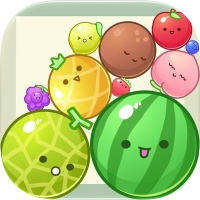
Watermelon Maker 2048: Egg is a merge puzzle game built around a simple idea: drop objects, combine matching ones, and work toward larger creations. Each successful merge helps clear space and increases your score, giving you a reason to keep improving your placement decisions.
The game is easy to understand because its basic controls require only a touch to choose where an object should fall. However, the board can become crowded if objects are dropped without a plan. As larger objects take up more room, every placement becomes increasingly important.
The main challenge is to create useful combinations without blocking the objects needed for future merges. Instead of dropping pieces wherever there is space, successful players think about how each move affects the next few drops.
Main Features of Watermelon Maker 2048: Egg
Simple and Accessible Controls
The game uses straightforward touch controls. Players aim at a position on the screen and release an object into the play area. There are no complicated button combinations to learn, making the game approachable for newcomers and casual puzzle fans.
Matching and Merging Gameplay
Objects of the same type can combine to create a larger object. Repeating this process is the central mechanic, and creating larger combinations is the key to earning more points.
Multiple Visual Skins
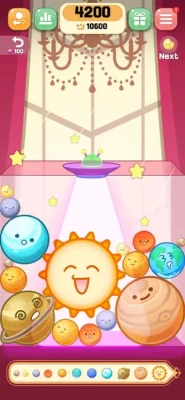
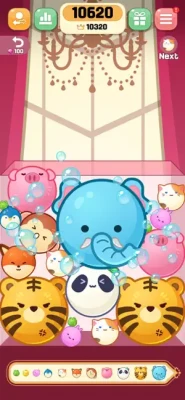
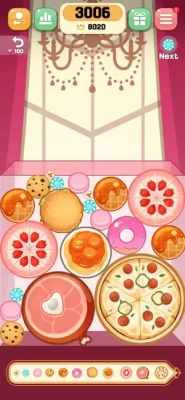
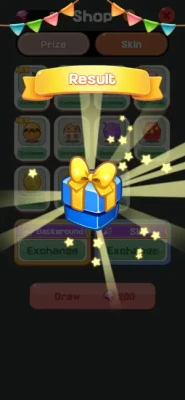
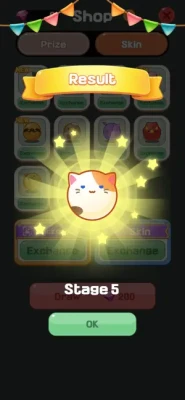
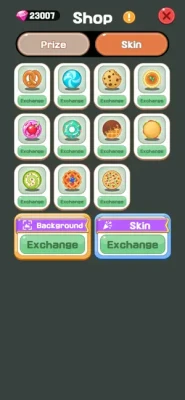
The game offers different themes that change the appearance of the objects. Available skin concepts include cute animals, planets, and food. The animal progression includes an elephant, the planet theme builds toward the sun, and the food theme progresses toward pizza.
Collecting skins adds a light collection goal alongside the main puzzle challenge.
Offline Play
Watermelon Maker 2048: Egg supports offline play, so players can enjoy its core puzzle experience without a continuous internet connection. Features involving online rankings or multiplayer may still require connectivity.
Weekly Rankings
Players can compete in weekly rankings against people from around the world. This gives experienced players an additional reason to improve their scores and refine their merging strategies.
Multiplayer Mode
The game includes a multiplayer mode, allowing players to take their merging skills into competitive play. The best approach is to focus on consistent combinations and avoid unnecessary mistakes rather than rushing every move.
One-Handed Play and Tablet Support
The simple controls make the game convenient for one-handed play, while tablet support provides another way to enjoy the puzzle on a larger screen.
How to Play Watermelon Maker 2048: Egg
The main objective is to combine matching objects, create larger ones, and earn as many points as possible. Understanding the basic process makes it easier to develop a reliable strategy.
Aim Before Dropping
Touch the screen to choose where the next object should fall. Take a moment to examine the current arrangement before committing to a position. A small adjustment can determine whether an object creates a useful merge or blocks an important area.
Match Identical Objects
Look for objects of the same size or stage. When matching objects meet, they merge into a larger one. Try to place new objects near suitable matches instead of spreading them randomly across the board.
Build Larger Objects Gradually
Larger creations usually require several successful merges. Focus on preparing the board so that smaller objects can combine efficiently. Avoid creating isolated pieces that are difficult to match later.
Keep the Board Organized
Space is one of your most valuable resources. When too many objects occupy separate areas, it becomes harder to create combinations. Use the available room carefully and avoid filling the center with unrelated pieces.
Earn More Points
The game rewards merging progress, so aim to create combinations consistently. Rather than focusing only on one large object, look for a sequence of moves that allows several useful merges to happen over time.
Best Strategies for High Scores
1. Plan Several Moves Ahead
One of the most important skills is thinking beyond the next drop. Before placing an object, consider where it will land, which nearby pieces it might combine with, and what space will remain afterward.
You do not need to predict every movement perfectly. Even planning two or three moves ahead can help you avoid unnecessary clutter.
2. Choose a Consistent Drop Area
Try to keep related objects within a manageable section of the board. When similar objects are scattered everywhere, combining them becomes more difficult.
A consistent placement pattern helps you recognize potential matches quickly and reduces the number of awkward drops. Adjust your approach whenever the board becomes crowded, but avoid changing your strategy without a reason.
3. Work From Smaller Objects Toward Larger Ones
Small objects are the starting point for larger combinations. Let them come together naturally whenever possible, and avoid pushing them into positions where they cannot meet matching pieces.
As your objects grow, make sure you leave enough room for additional drops. Larger objects can occupy valuable space, so their placement deserves extra attention.
4. Avoid Random Drops
Dropping an object simply because a space is available can create problems later. It may separate matching objects, fill a useful gap, or make the next combination harder to achieve.
Before every drop, ask yourself whether the position improves the board. If two positions look equally safe, choose the one that keeps matching objects closer together.
5. Use Empty Space Wisely
Open space provides flexibility. It gives incoming objects room to settle and allows you to reposition your strategy when the board becomes difficult.
Do not fill every available gap immediately. Sometimes leaving an area open is more valuable than making a quick merge in a less convenient location.
6. Prioritize Reliable Merges
A guaranteed or highly likely merge is often better than a risky placement that might create a larger combination. Reliable merges reduce clutter and make the next decision easier.
Save risky moves for situations where they offer a meaningful benefit, particularly when the board is becoming crowded.
7. Stay Calm During Difficult Runs
A crowded board can make every move feel urgent. Rushing usually leads to poor positioning, so slow down and look for the simplest useful combination.
Even if the ideal move is no longer available, a safe placement may preserve enough space to recover. Concentrate on improving the current arrangement instead of trying to fix everything at once.
Advanced Merging Techniques
Create a Clear Progression Area
Choose an area where smaller objects can combine and gradually become larger. Keeping this progression relatively organized makes it easier to identify which objects need attention.
The goal is not to make the board perfectly symmetrical. It is to create a layout where the next merge is easy to recognize and does not interfere with other combinations.
Avoid Isolating Large Objects
Large objects can become difficult to manage when they are surrounded by unrelated pieces. Whenever possible, leave nearby room for objects that may eventually combine with them.
If a large object cannot be merged immediately, keep the surrounding space as flexible as possible. This reduces the risk of turning a useful piece into a permanent obstacle.
Build Combinations Around Existing Matches
When two matching objects are already close together, use that arrangement as the foundation for your next move. Directing another object toward the area can help continue the chain of merges.
This approach is generally more dependable than trying to create a combination from pieces scattered across the entire board.
Recover From a Poor Placement
Mistakes are part of learning a merge puzzle. If an object lands in an inconvenient position, do not automatically continue using the same pattern.
Look for nearby matching pieces, identify the most crowded section, and prioritize a move that creates space. A single imperfect drop does not necessarily ruin the run.
Common Mistakes to Avoid
Dropping Objects Without Checking the Board
Quick drops may feel efficient, but they can lead to scattered objects and missed combinations. Take a brief look at the board before choosing each position.
Spreading Matching Objects Too Far Apart
Objects that are separated across the play area are harder to combine efficiently. Keep similar objects near useful merging areas whenever practical.
Filling Every Gap
Empty space is not wasted space. It gives you room to place future objects and adapt when the board changes.
Focusing Only on the Largest Object
Creating a large object can feel rewarding, but smaller merges are also important because they keep the board manageable. A balanced approach is usually more sustainable.
Ignoring the Next Drop
A move can look good immediately but leave no suitable position for the next object. Consider the space and matching opportunities that will remain after each placement.
Rushing in Multiplayer
Competitive play can encourage impatient decisions. However, careless drops may create more problems than they solve. Keep your focus on efficient merges and stable board management.
How to Collect and Use Different Skins
Watermelon Maker 2048: Egg includes multiple visual themes that change the appearance of the merging objects. These themes add variety and give players collection goals beyond their scores.
Animal Skin
The animal theme features cute creatures and includes a progression toward an elephant. Players who enjoy colorful, character-based designs may prefer this style.
Planet Skin
The planet theme gives the objects a space-inspired appearance, with the progression building toward the sun. It offers a different visual experience without changing the fundamental idea of matching and merging.
Food Skin
The food theme turns the objects into delicious-looking items and includes a progression toward pizza. It is a fun alternative for players who prefer food-themed designs.
Tips for Collecting Skins
Check the available skin collection regularly.
Continue playing to work toward collection-related rewards.
Choose the theme you find easiest and most enjoyable to follow.
Focus on improving your merging skills rather than changing themes in search of a gameplay advantage.
Skins are primarily a visual and collection feature. There is no need to assume that a particular appearance automatically makes merges easier or produces a higher score.
Multiplayer Tips and Competitive Play
The multiplayer mode adds a competitive element to the usual merging experience. Instead of concentrating only on personal progress, players can use their skills in matches against others.
Focus on Consistency
Reliable merges are more useful than a series of rushed attempts. Try to maintain a manageable board and make each placement serve a clear purpose.
Learn From Difficult Matches
A loss can reveal problems in your approach. Consider whether you spread objects too widely, filled important spaces, or ignored an easy combination.
Use these observations to adjust your strategy in future matches.
Avoid Unnecessary Risks
A complicated move is not always the best move. If a straightforward merge can improve your position, it may be safer than attempting a difficult combination with an uncertain outcome.
Practice Before Competing Seriously
Spend time learning how objects move and how quickly the board becomes crowded. Familiarity with the game's rhythm can make multiplayer decisions feel more natural.
Weekly Rankings and Score Improvement
Weekly rankings give players a reason to return and try to improve their results. If you want to compete more effectively, focus on developing repeatable habits instead of relying on occasional lucky combinations.
Start by aiming carefully and keeping matching objects close together. Once that becomes natural, work on preserving space and planning several drops ahead.
After each session, think about what caused the board to become crowded. Did you place objects too far apart? Did you block a useful merging area? Did you rush a move that needed more thought?
Making small improvements over time can help you achieve more consistent results.
Tips for Beginners
New players do not need complicated strategies to get started. A few simple habits can make the game easier to understand.
Read the board before each drop.
Aim near matching objects whenever possible.
Keep similar objects within a reasonable distance of each other.
Avoid filling every open space.
Watch how merges change the surrounding arrangement.
Learn from poor placements instead of repeating them.
Practice until aiming becomes more natural.
Try different skins to discover your preferred visual style.
The most useful beginner skill is patience. The game becomes easier to manage once you stop treating every drop as an isolated action and start considering how each move affects the next one.
Tips for Experienced Players
Experienced players can improve by paying closer attention to board structure and long-term space management.
Develop a Repeatable Placement Pattern
A consistent approach helps reduce hesitation. Find a pattern that keeps matching objects accessible, then adapt it when the board changes.
Preserve Options
Avoid making moves that leave only one difficult place for the next object. A flexible board gives you more ways to respond to unexpected placements.
Evaluate Risk and Reward
Some moves may create a larger merge but leave the board less organized. Consider whether the immediate score gain is worth the space it consumes.
Improve Decision Speed Naturally
As you become familiar with the merging process, useful placements will become easier to recognize. Speed should develop through practice rather than rushed decisions.
Playing Watermelon Maker 2048: Egg Offline
The game supports offline play, making it convenient for travel, waiting rooms, and short breaks. Its simple controls work well for quick sessions, and players can practice the main merging mechanics without needing a continuous connection.
Online-dependent features, such as weekly rankings or multiplayer, may require an internet connection. If you plan to use those features, connect before starting.
Controls and Accessibility
Watermelon Maker 2048: Egg is designed around straightforward touch interaction. Players choose a position on the screen and drop an object, allowing them to focus on planning rather than learning a complicated control system.
The game supports iPhone and iPad, and its one-handed design makes it suitable for casual play in different settings. It is listed for devices running iOS 13.0 or later, with iPad support requiring iPadOS 13.0 or later.
Is Watermelon Maker 2048: Egg Free to Play?
Watermelon Maker 2048: Egg is free to download and includes in-app purchases. Optional purchases include ruby packages and a package designed to remove ads. The game also contains advertising.
Players can begin with the free version and decide whether any optional purchases are worthwhile for them. Spending money is not a substitute for good placement decisions, and learning the core mechanics remains the most important part of improving at the game.
Frequently Asked Questions
What is Watermelon Maker 2048: Egg?
It is a casual puzzle game by MOBIRIX in which players drop objects, merge matching shapes, and create larger objects to earn points.
How do you play Watermelon Maker 2048: Egg?
Touch the screen to aim, choose a useful drop position, and combine matching objects. Continue merging while keeping enough room available for future drops.
How can I get a higher score?
Aim carefully, keep matching objects close together, preserve open space, and plan several moves ahead. Consistent merging is more reliable than random drops.
Can I play Watermelon Maker 2048: Egg offline?
Yes. The game supports offline play for its core experience. Features that rely on online services, such as multiplayer and weekly rankings, may require an internet connection.
Does the game have multiplayer?
Yes. The game includes a multiplayer mode, adding a competitive option alongside the standard merging gameplay.
Are there different themes or skins?
Yes. The game offers multiple visual skins, including animal, planet, and food themes. These provide different appearances and collection goals.
Is Watermelon Maker 2048: Egg suitable for casual players?
Yes. Its simple touch controls, straightforward rules, and short-session gameplay make it suitable for players who enjoy relaxing puzzle games.
Is Watermelon Maker 2048: Egg free?
The game is free to download but contains advertisements and optional in-app purchases.
What is the best strategy for beginners?
Start by aiming near matching objects, avoiding random drops, and keeping the board organized. As you gain experience, begin planning several moves ahead.
How do I avoid filling the board too quickly?
Use empty spaces carefully, avoid scattering objects across the play area, and prioritize combinations that reduce clutter. Keep future drops in mind before committing to a position.
Final Verdict
Watermelon Maker 2048: Egg is a lighthearted merging puzzle that combines easy controls with the challenge of building larger objects and managing limited space. Its colorful skins, offline support, weekly rankings, and multiplayer mode provide variety for different types of players.
The best way to improve is to aim with purpose, keep matching objects close together, and protect the space needed for future combinations. Random drops may occasionally work, but thoughtful placement produces more consistent results.
Whether you are looking for a casual game to play during a break or a merging challenge to master over time, Watermelon Maker 2048: Egg offers a straightforward experience that rewards patience, planning, and steady improvement.
Rate the Game
User Reviews





Popular Games



















 Android
 iOS
 Windows
 Xbox