
Latest Version
October 26, 2026
MOBIRIX
Puzzle
iOS
0
Report a Problem
More About :game
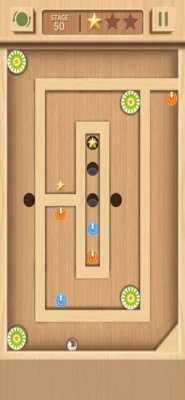
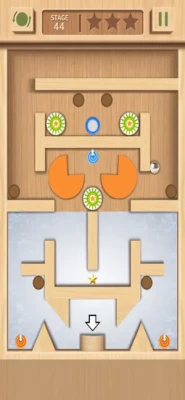
Maze Rolling Ball 3D is a physics-based maze game that tests your precision, patience, and ability to judge movement. Rather than simply finding a path through a maze, you must keep the ball under control while navigating narrow passages and avoiding hazards that can interrupt your progress.
The game is suitable for players who enjoy casual puzzle games, skill-based challenges, and obstacle courses that reward steady hands and careful planning. Early stages help you become familiar with the controls, while more demanding layouts require better timing and greater awareness of the ball's momentum.
The central goal is straightforward: guide the ball from its starting point to the destination without falling into holes or colliding with dangerous obstacles. Success depends on understanding how the ball responds to your input and knowing when to move slowly instead of rushing forward.
Game Features and Highlights
Three-Dimensional Maze Challenges
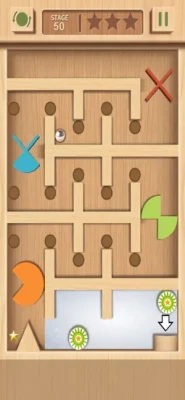
The game features different maze configurations that require players to navigate turns, narrow routes, and dangerous sections. Each stage encourages you to observe the environment and choose a safe route before moving.
Two Control Methods
Players can choose between tilt controls and joystick controls. Tilt mode moves the ball according to the direction in which the device is tilted, while joystick mode lets you guide it by touching and dragging on the screen.
You can switch between these control methods during gameplay, making it possible to select whichever option feels more comfortable for a particular section.
Dangerous Obstacles
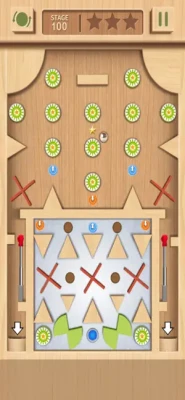
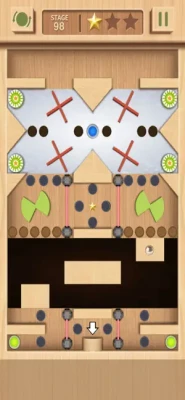
Holes, lasers, moving thorns, and mace balls are among the hazards that make the journey challenging. Each obstacle demands a different response, from maintaining a safe distance to waiting for the right moment to pass.
Challenge Mode
Challenge mode tests your concentration and ball-control skills. It is a useful way to practise precision and see how consistently you can guide the ball through demanding situations.
Gold-Earning Mini-Games
Mini-games offer opportunities to earn gold. This in-game currency can be used to obtain different ball designs, adding a collection element to the main puzzle experience.
Unlockable Ball Designs
Various balls can be purchased with gold. These options allow players to change the ball's appearance and add a personal touch to their gameplay.
Achievements and Leaderboards
Achievement support gives players additional goals to pursue, while leaderboards provide a way to compare performance with other players where supported.
How to Play Maze Rolling Ball 3D
Understand the Objective
Start by identifying the ball's initial position and locating the destination. Look for holes, moving hazards, narrow passages, and corners that could make steering difficult.
Do not immediately rush toward the goal. Spend a moment understanding the route, especially when an obstacle appears close to a turn or blocks a direct path.
Choose Your Preferred Controls
If you use tilt controls, hold the device comfortably and make small, controlled movements. Large tilts can cause the ball to accelerate too quickly, making narrow passages harder to navigate.
If you prefer joystick controls, drag gently in the direction you want the ball to travel. Short movements are often easier to manage than holding the joystick in one direction for too long.
Move Through the Maze Carefully
Keep the ball near the center of the available path whenever possible. Approach corners slowly, check the next section before committing to a turn, and avoid unnecessary movements near holes.
Avoid Dangerous Obstacles
Observe the timing and movement of hazards before crossing their paths. Wait for a clear opening instead of attempting a risky passage when the timing is uncertain.
Reach the Destination
Once you have passed the most dangerous sections, continue toward the endpoint with the same careful control. A final rush can undo an otherwise successful run, so maintain a steady pace until the level is complete.
Complete Strategy Guide for Maze Rolling Ball 3D
Master Ball Movement Before Attempting Speed
The first major skill to develop is control over the ball's speed and direction. Moving quickly might appear efficient, but speed makes it harder to stop near edges and react to unexpected hazards.
Practise short movements and observe how the ball responds. Learn how much input is needed to move a small distance, turn a corner, or stop near a dangerous area.
Once you understand the ball's behaviour, you can gradually increase your pace on wide, safe sections while remaining cautious around obstacles.
Study the Maze Before Moving
A few seconds of observation can prevent repeated mistakes. Look for the safest route and identify sections where the path narrows or hazards restrict movement.
Pay attention to corners that require precise alignment. If a dangerous obstacle is positioned immediately after a turn, slow down before reaching the corner so you have enough time to react.
Planning does not mean predicting every movement perfectly. It means reducing unnecessary risks and knowing which sections deserve extra attention.
Use Small Steering Corrections
One of the most common mistakes is making a large movement when a small adjustment would be enough. Excessive steering can push the ball toward a wall, an edge, or a nearby hazard.
Use gentle directional changes and correct your position gradually. If the ball begins drifting toward danger, adjust early rather than waiting until it reaches the edge.
This technique is particularly useful in narrow corridors and areas where the destination is close to a dangerous drop.
Learn to Control Momentum
The ball may continue moving briefly after you reduce or change your input. Because of this, stopping should be treated as part of the steering process rather than an action reserved for emergencies.
Slow down before reaching a corner, obstacle, or narrow passage. Give yourself room to make adjustments instead of trying to stop at the exact point where danger begins.
With practice, you will develop a better sense of how early to reduce movement in different parts of the maze.
Approach Holes With Extra Caution
Holes are especially dangerous because even a small steering error can send the ball off the safe route.
Keep a comfortable distance from the edge and avoid sharp directional changes when the ball is close to a drop. If the path is narrow, make small adjustments and focus on staying centered.
Never assume that a straight passage is automatically safe. Check its width and the amount of room available for correcting your direction.
Time Your Movement Around Lasers
Lasers require observation and patience. Before crossing a laser-controlled area, examine the hazard and look for a safe opportunity to move through.
Do not commit to the crossing if you are unsure whether the path will remain safe. Wait until you can clearly identify an opening, then move steadily without making unnecessary corrections.
If you fail repeatedly at the same laser, review its timing instead of simply attempting to move faster.
Handle Moving Thorns and Mace Balls
Moving thorns and mace balls can make a familiar route dangerous from one moment to the next. Watch their movement before entering the affected section.
Try to identify a safe interval and move through it with controlled steering. Avoid getting too close while waiting for an opening, particularly if the ball could roll into the hazard accidentally.
The best approach is to combine patience with decisive movement: observe first, wait when necessary, and cross when the route is clear.
Navigate Narrow Passages
Narrow corridors leave little room for correction. Approach them slowly and align the ball with the center of the passage before entering.
Avoid repeatedly changing direction once you are inside. Small, deliberate adjustments are generally safer than alternating between strong left and right movements.
If the passage leads directly into another turn, reduce your speed before exiting so that you can prepare for the next section.
Switch Controls When Necessary
There is no need to use the same control method in every situation. Tilt controls may feel natural when guiding the ball through broad areas, while joystick controls may provide a more comfortable sense of direction for players who prefer direct touch input.
Experiment with both methods in safe sections. If your current approach repeatedly causes overshooting or poor alignment, switch controls and compare the results.
The best method is the one that lets you make accurate, predictable movements without unnecessary effort.
Practise Difficult Sections Repeatedly
When a level becomes difficult, focus on understanding the exact point where your run goes wrong. You might be approaching too quickly, turning too sharply, or moving before a hazard has cleared.
Change one part of your approach at a time. For example, try slowing down before a corner without changing your chosen route. This makes it easier to identify which adjustment improves your performance.
Consistent practice is more useful than repeating the same unsuccessful movement without analysing it.
Use Challenge Mode to Improve Precision
Challenge mode is valuable for players who want to strengthen their concentration and control. Treat it as a practice environment where the objective is to become more consistent rather than simply to finish as quickly as possible.
Focus on smooth steering, early braking, and maintaining a safe distance from hazards. The skills you develop can also help when returning to regular maze stages.
Earn Gold Through Mini-Games
Mini-games provide an additional way to earn gold. If you want to collect different ball designs without relying entirely on purchases, make time for these activities when available.
Use your rewards thoughtfully and check the available ball options before spending. Since cosmetic variety is not a substitute for careful steering, improving your control should remain the priority.
Build Consistency Before Chasing Records
Achievements and leaderboards can make the game more competitive, but speed should not come at the expense of accuracy.
First aim to complete stages reliably. Once you understand the route and can avoid its main hazards, work on reducing hesitation and improving movement efficiency.
A controlled run is a better foundation for faster performance than one built around risky shortcuts.
Best Tips and Tricks for Beginners
Start Slowly
Use the opening stages to understand how the ball responds to movement. There is no advantage in rushing before you are comfortable with the controls.
Keep the Ball Centered
Staying near the middle of a corridor gives you more room to correct your direction when necessary.
Look Ahead
Focus on the next corner or obstacle rather than watching only the ball's current position. Looking ahead gives you more time to prepare.
Make Small Corrections
Gentle steering is easier to control than sudden movements, especially near holes and narrow paths.
Wait for Moving Hazards
Patience can be more effective than trying to squeeze past a moving obstacle at the last moment.
Slow Down Before Corners
Reduce your movement before reaching a turn so the ball does not carry too far into the next section.
Change Controls if Needed
Try both tilt and joystick controls. A different control method may help you manage a difficult section more accurately.
Learn From Every Mistake
Identify what caused a failed attempt and adjust your timing, speed, or direction on the next run.
Avoid Unnecessary Risks
If the safe route is clear, there is little reason to experiment with risky movements while learning a stage.
Stay Focused Near the Finish
Do not relax your control simply because the destination is close. Maintain your pace and complete the final section carefully.
Advanced Techniques for Difficult Levels
Use a Stop-and-Go Approach
Some areas are easier to handle in short movements than in one continuous roll. Move toward a safe position, pause to assess the next obstacle, and continue when you are ready.
This approach is especially useful when several hazards appear close together.
Divide the Maze Into Sections
Instead of treating the entire level as one challenge, break it into smaller sections. Concentrate on reaching the next safe turn, clearing the next obstacle, or entering the next corridor.
This makes complex layouts easier to understand and helps you identify where your technique needs improvement.
Anticipate the Next Turn
Prepare for a corner before the ball reaches it. Reduce your speed, adjust your alignment, and avoid entering the turn at an angle that leaves little room for correction.
Planning the exit is just as important as navigating the turn itself.
Avoid Overcorrecting
Repeatedly switching direction can make the ball harder to control. When a small adjustment works, allow it to take effect before making another change.
Smooth movement usually produces more predictable results than constant steering.
Develop a Personal Control Rhythm
A useful rhythm is to observe, move, slow down, and reassess. This creates a consistent routine that helps you stay calm when the maze becomes more complicated.
Over time, you will learn when a passage allows continuous movement and when a short pause is the safer choice.
Common Mistakes to Avoid
Moving Too Fast
Excessive speed reduces the time available to respond to hazards. Slow down in dangerous areas and save faster movement for sections with enough room.
Ignoring the Environment
Concentrating only on the ball can cause you to miss an approaching obstacle. Look ahead and monitor the surrounding path.
Steering Too Aggressively
Large directional inputs can push the ball off course. Use smaller corrections and give the ball time to respond.
Entering Hazards Without Checking Their Movement
Moving obstacles may change position while you approach them. Observe their pattern before attempting to cross.
Waiting Too Close to an Edge
A pause is not always safe if the ball is already near a hole. Move to a stable position before stopping to assess the route.
Refusing to Change Control Methods
If one method repeatedly produces poor results, experiment with the alternative instead of forcing yourself to continue with an uncomfortable setup.
Repeating Failed Attempts Without Adjustments
Each attempt should teach you something. Change your timing, approach speed, or steering technique when a particular section causes trouble.
Rushing at the Finish
A final mistake can spoil an otherwise careful run. Continue controlling the ball until it safely reaches the destination.
Is Maze Rolling Ball 3D Difficult?
Maze Rolling Ball 3D is easy to understand but can become challenging as you encounter more demanding layouts and moving hazards. Its basic objective is simple, yet successful completion requires coordination, concentration, and good timing.
Beginners may need time to become comfortable with tilt or joystick controls. Players who already enjoy physics puzzles and precision-based games may adapt more quickly, although narrow passages and moving obstacles can still require practice.
The difficulty comes primarily from controlling movement accurately rather than learning complicated rules.
Is Maze Rolling Ball 3D Worth Playing?
Maze Rolling Ball 3D is a good choice for players who enjoy casual puzzle games that reward patience and precision. Its combination of maze navigation, obstacle avoidance, alternative control methods, challenge gameplay, and gold-earning mini-games offers several ways to enjoy the experience.
The game can also appeal to people looking for a short activity during a break, as individual attempts focus on a clear and immediate objective. Players who prefer action without careful movement may find the precision requirements frustrating, but those who enjoy gradually improving their control can find the challenge satisfying.
Frequently Asked Questions
What Is the Main Goal of Maze Rolling Ball 3D?
The main goal is to guide the rolling ball through each maze and reach the destination while avoiding holes, lasers, moving thorns, and mace balls.
How Do You Control the Ball?
You can tilt your device to move the ball in the corresponding direction or use the on-screen joystick by touching and dragging. The control method can be changed during gameplay.
Which Control Method Is Better?
Neither method is universally better. Tilt controls may feel intuitive for some players, while joystick controls may provide more direct input for others. Try both and choose the one that gives you the most consistent control.
How Can You Avoid Falling Into Holes?
Approach edges slowly, keep the ball near the center of the path, and make small steering corrections. Avoid sharp movements when there is little room to recover.
How Do You Pass Moving Obstacles?
Observe the obstacle before approaching it, identify a safe opening, and move through when the path is clear. Avoid rushing or waiting in a position where the ball could roll into danger.
What Is Challenge Mode?
Challenge mode tests your concentration and ability to control the ball precisely. It offers an additional way to practise skills beyond ordinary maze progression.
How Can You Earn Gold?
Gold can be earned through the game's mini-game mode. It can be used to purchase different ball designs available in the game.
Can You Unlock Different Balls?
Yes. The game offers various ball designs that can be purchased with gold.
Does the Game Include Achievements and Leaderboards?
Yes. The game supports achievements and leaderboards, giving players additional goals and opportunities to compare their performance.
Is Maze Rolling Ball 3D Suitable for Beginners?
Yes. The basic objective and controls are straightforward to learn. New players should start with gentle movements, practise in safer sections, and become more cautious as the mazes grow more demanding.
Can You Play on a Tablet?
Yes. The game supports tablet devices as well as compatible mobile devices.
Is Maze Rolling Ball 3D Free?
The game is listed as free to download on the Apple App Store, with in-app purchases available. The Android version also includes advertisements and in-app purchases. Availability and purchase options may vary by platform and region.
Final Thoughts
Maze Rolling Ball 3D turns a simple idea into a test of patience, timing, and precision. Every successful run depends on understanding the ball's movement, anticipating hazards, and choosing safe moments to advance.
For the best results, use small steering corrections, slow down before corners, study moving obstacles, and practise difficult sections until your movements become more consistent. Experiment with both control methods and use Challenge mode to develop your skills.
Whether you are a beginner learning to navigate your first mazes or an experienced player working toward better performance, a calm and deliberate approach will help you make steady progress through Maze Rolling Ball 3D.
Rate the Game
User Reviews






Popular Games



















 Android
 iOS
 Windows
 Xbox