
Latest Version
October 26, 2026
Rollic Games
Puzzle
iOS
0
Report a Problem
More About :game
Bus Trouble: Complete Game Overview
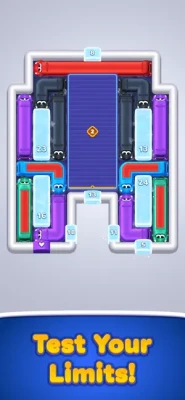
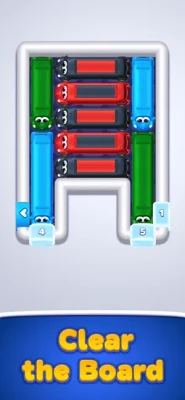
Bus Trouble turns a familiar traffic problem into a challenging puzzle experience. Instead of simply driving a bus along a road, you must work out how to move several buses through a crowded layout without allowing their paths to interfere with one another.
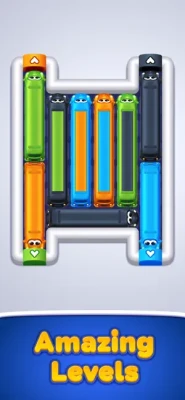
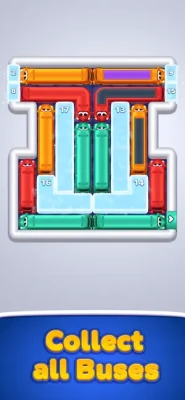
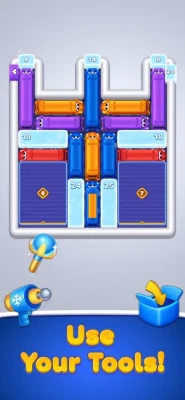
Each bus has a specific color and length, and each must reach the corresponding gate. The challenge comes from limited space, obstructed routes, and the need to choose the right order of movements. A bus that appears easy to move may block another vehicle's path if you send it in the wrong direction too early.
The controls are straightforward. You drag and move buses from their ends to navigate the available space. However, completing a level requires more than quick gestures. You need to inspect the layout, identify which vehicles are blocking others, and plan a sequence that allows every bus to reach its destination.
The game also introduces a time limit, which adds pressure to each decision. Players must balance careful thinking with efficient movement. Spending too long considering every possibility can be unhelpful, but rushing without a plan can create a traffic jam that is difficult to resolve.
As you progress, the puzzles become more demanding. Longer buses, narrow spaces, and intersecting routes can force you to reconsider your first idea and search for a better sequence. Learning to recognize these patterns is the key to becoming more consistent.
Main Features of Bus Trouble
Color-Matching Bus Destinations
Each bus must reach a gate that matches its color. Identifying these pairings is the first step toward solving a level. Before moving any vehicle, look at its color and determine which destination it needs to reach.
Drag-and-Move Controls
The game uses intuitive drag-and-move mechanics. You interact with buses through their ends to navigate the available paths, making it easy to understand the basic controls while leaving room for more advanced planning.
Buses of Different Lengths
Vehicles occupy different amounts of space. Short buses may fit into tight areas, while longer buses require more room to move. Their size affects which routes are available and how much space remains for other vehicles.
Crowded Puzzle Layouts
The board can contain several buses whose routes overlap or depend on one another. Clearing one vehicle's path may be necessary before another can move safely.
Time-Based Challenges
Levels require you to work within a time limit. This creates a balance between thoughtful planning and quick execution, especially when several buses must move before the timer expires.
Increasing Difficulty
Later puzzles introduce more complicated arrangements and require better coordination. As the challenge increases, players must learn to identify blocking vehicles and plan several movements ahead.
Free-to-Download Gameplay
The iOS version is listed as free to download and includes in-app purchases. Optional purchases may be available for coins, bundles, or other in-game benefits.
How to Play Bus Trouble
Understand the Level Layout
Start by looking at the entire puzzle. Identify every bus, note its color and length, and locate the gate it needs to reach.
Do not move the first bus you see simply because it appears ready to leave. Another vehicle may be blocking its route, or moving it may prevent a different bus from reaching its destination.
Identify Each Bus's Destination
Color matching is central to the game. Determine which gate belongs to each bus before planning your movements.
Keeping the destinations clear in your mind helps you avoid unnecessary moves. It also makes it easier to recognize which buses should leave first and which need more space.
Learn How Bus Movement Works
Use the drag-and-move controls to move buses through the available space. Pay attention to the direction in which each vehicle can travel and how its length affects the route.
If a bus cannot move freely, examine the nearby vehicles and identify the obstruction. You may need to move another bus first to open a usable path.
Clear the Route
Before sending a bus toward its gate, check whether the complete route is available. A long bus needs enough room to move without becoming trapped against another vehicle or the edge of the layout.
If the route is blocked, determine which bus must move to create space. Sometimes a small movement elsewhere can unlock several options.
Move Buses in a Useful Order
The order of movements is one of the most important parts of Bus Trouble. A vehicle that can leave immediately may not always be the best one to move first.
Prioritize buses that are blocking important routes or occupying space needed by several others. Once these obstructions are removed, the remaining buses may be able to reach their gates more easily.
Beat the Timer
Watch the countdown while you solve the puzzle. Try to make deliberate movements rather than repeatedly dragging buses back and forth without a clear purpose.
If you are unsure about the next move, focus on the most important obstruction. Finding the vehicle that prevents progress can often reveal the correct sequence.
Complete the Puzzle
Continue moving buses until each reaches its matching gate. If a route becomes blocked, stop and reassess the current layout rather than continuing with a plan that no longer works.
Every completed level provides experience that can help you recognize similar traffic patterns in future puzzles.
Complete Bus Trouble Strategy Guide
Study the Entire Board Before Moving
A quick inspection can prevent many mistakes. Look at the positions of all buses, their lengths, their destinations, and the available spaces between them.
Identify the vehicles that appear to have clear routes and those that are trapped behind other buses. Pay special attention to vehicles occupying narrow passages, since moving them may determine whether the rest of the puzzle can be solved.
Think of the layout as a network of routes rather than a collection of separate vehicles. Each movement changes the space available to the other buses, so the whole board matters.
Find the Main Blocking Bus
Most crowded traffic puzzles contain one or more vehicles that prevent several others from moving. Finding these critical buses is often more important than moving the easiest vehicle first.
Look for a long bus positioned across a narrow route or a vehicle occupying the space needed to turn or pass another bus. Ask yourself which single movement would create the most new possibilities.
Once you identify the main obstruction, plan how to move it without creating another blockage. Removing the right obstacle can simplify the entire level.
Prioritize Buses That Unlock Space
Some buses are important because moving them creates room for several other vehicles. These buses should receive special attention during your planning.
For example, a short bus might occupy a small area that a longer vehicle needs to pass through. Moving the short bus to a safe position can open a route for the larger one.
Do not judge a move only by whether it brings a bus closer to its destination. Consider how much useful space the move creates for the rest of the puzzle.
Account for Bus Length
Long buses require more room than short ones, making their movements harder to plan. A route that works for a small vehicle may not be wide or clear enough for a longer bus.
Before moving a long bus, check the space it will occupy throughout the movement. Make sure it will not block another route or leave a shorter bus trapped in an unusable position.
Shorter buses are often easier to reposition, so they can sometimes be moved first to create the space required by longer vehicles. However, avoid moving them into areas that are essential for another bus's exit.
Plan Several Moves Ahead
A successful move should help the next stage of the solution. Before dragging a bus, consider what will happen immediately afterward and whether the movement leaves enough room for the remaining vehicles.
A useful approach is to identify the first obstruction, determine which bus can remove it, and then check what route becomes available. Continue this process until you can see a reasonable path toward completing the level.
You do not need to predict every movement perfectly. Planning two or three steps ahead is often enough to avoid obvious dead ends and make better decisions under time pressure.
Avoid Blocking Future Routes
One of the biggest mistakes in traffic puzzles is moving a bus into a position that blocks another vehicle's path. Even if the first bus is closer to its destination, the overall puzzle may become harder.
Before repositioning a vehicle, examine the spaces it will occupy and the routes it might obstruct. Consider whether the bus can leave that position later or whether it could become trapped.
Try to keep important corridors open until the vehicles that need them have passed. This is particularly important when several buses share a narrow section of the board.
Use Temporary Repositioning Wisely
Not every movement needs to send a bus directly to its gate. Sometimes a bus must be moved temporarily to create room for another vehicle.
Temporary repositioning can be useful when a small bus occupies a critical area or when a long bus needs extra space to move. The important thing is to have a clear reason for the temporary move.
Before repositioning a bus, decide where it can safely wait and how you will move it again later. Avoid placing it in a new location that blocks another essential route.
Identify the Best Exit Order
The order in which buses leave the puzzle can have a major effect on the available space. Some vehicles should exit early because they block other routes, while others may need to wait until the path is clear.
Look for buses whose destinations are already accessible and whose removal opens useful space. These vehicles may be good early candidates.
However, do not automatically send every bus with a clear route out first. Check whether moving it could interfere with a more important vehicle or whether it occupies a useful position for a later movement.
Treat Every Move as a Space Management Decision
The goal is not merely to move buses closer to their gates. You must manage the available space so that every vehicle can eventually pass.
Before making a move, consider three things: the space the bus currently occupies, the space it will occupy afterward, and the routes that become available or blocked.
This habit helps you recognize why some apparently helpful movements make a puzzle more difficult. A move is valuable when it improves the overall arrangement, not just the position of one bus.
Balance Speed and Accuracy
The timer creates pressure, but moving too quickly can waste valuable time if you create a difficult arrangement. A short planning pause may save several unnecessary movements.
At the beginning of a level, use a brief inspection to identify the main obstruction and the likely exit order. Once you understand the layout, execute the plan efficiently.
If your first idea fails, avoid repeatedly making random movements. Reassess the board and look for the specific bus or space that prevents progress.
Recognize Dead Ends Early
A dead end occurs when your current arrangement leaves a bus unable to reach its destination without first undoing or changing earlier movements. The best way to avoid one is to examine the consequences of each repositioning.
Pay attention to narrow spaces and the positions of long buses. If a movement leaves a vehicle trapped behind another bus, consider an alternative before committing.
When you notice that progress has stopped, do not assume the level is impossible. Look for a bus that can be moved back or repositioned to restore the missing route.
Learn from Failed Attempts
A failed attempt can reveal which movement caused the problem. Instead of starting over without reflection, identify the point where the puzzle became harder to solve.
Ask whether a bus was moved too early, whether a narrow route was blocked, or whether a temporary position became inaccessible. Use that information to change your opening sequence on the next attempt.
Over time, you will become better at recognizing recurring layouts and predicting which movements are safe.
Adapt to Increasing Difficulty
As levels become more complex, the most obvious route may no longer be the best one. You may need to move several buses in a particular order before the target vehicle can reach its gate.
When a puzzle becomes difficult, return to the basics. Identify the destinations, locate the main obstruction, check the space required by each bus, and determine which movement unlocks the most options.
Breaking a complicated level into smaller problems makes it easier to manage. Solve one obstruction at a time while keeping the final exit order in mind.
Beginner Tips for Bus Trouble
Identify Every Color Match First
Before moving any bus, make sure you know which gate belongs to each vehicle. This prevents unnecessary movements and helps you plan a logical exit order.
Move Blocking Buses Before Convenient Ones
The easiest bus to move is not always the most important. Look for vehicles that prevent several others from reaching their destinations.
Watch the Length of Each Vehicle
Long buses need more space and can create difficult blockages. Plan their routes carefully before moving them into tight areas.
Keep Important Corridors Clear
Avoid placing buses in narrow passages that other vehicles will need. Move them to temporary positions only when those positions are safe.
Make Fewer, More Purposeful Moves
Random dragging can waste time and create new problems. Give each movement a clear objective, such as opening a route or freeing a blocked bus.
Do Not Panic When the Timer Drops
A countdown can make it tempting to rush. Stay focused on the most important obstruction and execute a clear plan rather than moving buses without considering the result.
Learn from Every Level
When a puzzle is completed, remember which movement created the biggest improvement. Recognizing similar patterns can help you solve later stages more quickly.
Advanced Strategies for Difficult Levels
Work Backward from the Destination
Instead of starting with the bus that seems easiest to move, examine the route leading to the final gate. Determine which vehicles must be removed from that route before the target bus can pass.
Working backward helps you identify the order in which obstructions need to be cleared. Once you understand the required final position, you can plan the earlier movements more logically.
Identify Critical Spaces
Some spaces are more valuable than others because several buses need them to move or exit. Protect these spaces from unnecessary occupation.
If a particular corridor is essential for a long bus, avoid moving another vehicle into it unless you have a clear way to remove that vehicle later.
Separate Essential Moves from Optional Moves
Essential moves are required to open a route or free a trapped vehicle. Optional moves may make the layout more convenient but are not necessary to complete the puzzle.
Focus on essential movements first. This helps you avoid spending too much time rearranging buses that are not blocking progress.
Use Short Buses to Create Room
Shorter vehicles can sometimes be moved into small available spaces, opening a larger area for a long bus. Look for opportunities to reposition small buses without blocking their eventual routes.
However, make sure the temporary space is genuinely safe. A short bus can still create a serious obstruction if it occupies a critical exit path.
Preserve a Clear Exit Sequence
Think about the final few movements before beginning a complicated rearrangement. If you know which buses need to leave last, you can avoid blocking their routes during earlier moves.
A clear exit sequence gives your plan direction and helps you recognize when an intermediate movement is unnecessary.
Reassess After Major Movements
Once a blocking bus has moved, examine the updated board. A newly opened space may provide a better route than the one you originally planned.
Do not continue following an outdated sequence if the layout has changed. Use each major movement as an opportunity to simplify the remaining puzzle.
Common Mistakes to Avoid
Moving the First Available Bus
A bus with a clear route may not be the best first choice. Check whether its movement helps the overall puzzle or blocks another vehicle.
Ignoring the Length of Long Buses
Long buses need sufficient room to move. Failing to account for their size can create a blockage that is difficult to reverse.
Blocking a Narrow Passage
Moving a bus into a critical corridor can prevent several other vehicles from reaching their gates. Keep important routes clear whenever possible.
Repositioning Without a Plan
Temporary movements are useful only when they serve a clear purpose. Always consider where the bus will go afterward and whether it can move out of the temporary position.
Trying to Solve Everything at Once
Complex puzzles become easier when divided into smaller problems. Focus on the main obstruction, open the route, and then move on to the next challenge.
Rushing Because of the Timer
Quick movements are not helpful if they make the puzzle harder. Plan briefly, then execute your moves efficiently.
Repeating a Failed Sequence
If the same approach repeatedly creates a blockage, change the order of movements. Learn which decision caused the problem instead of repeating it.
How to Beat the Timer in Bus Trouble
Plan Before Making Your First Move
Use the opening moments to inspect the buses, identify the matching gates, and find the most important obstruction. A little preparation can prevent several unnecessary movements later.
Prioritize High-Impact Movements
Choose actions that free multiple routes or allow several buses to move. These movements often provide more progress than repositioning a vehicle that does not block anything important.
Avoid Unnecessary Corrections
Repeatedly moving a bus forward and backward can consume valuable time. Before moving it, check whether the new position supports your plan.
Execute Familiar Patterns Quickly
As you gain experience, you will recognize common traffic arrangements. Use this knowledge to identify the likely order of movements without spending too long analyzing familiar situations.
Stay Flexible
If a movement does not produce the expected result, reassess the board immediately. Adapting early is usually better than continuing with a plan that no longer works.
Is Bus Trouble Good for Beginners?
Bus Trouble is accessible to beginners because its basic controls are easy to understand. Players move buses through the available space and guide each one to a gate of the matching color.
The challenge comes from planning the order of movements. As the layouts become more crowded, players must consider vehicle length, available space, and the consequences of moving one bus before another.
Beginners should focus on understanding the board rather than racing against the timer from the beginning. Once they learn to identify blocking vehicles and preserve important routes, the puzzles become easier to approach.
The game is also useful for players who enjoy logical reasoning and spatial planning. Each level encourages you to consider how one movement affects the rest of the arrangement.
Is Bus Trouble Worth Playing?
Bus Trouble is a good option for players who enjoy traffic puzzles, spatial challenges, and timed problem-solving. Its simple drag-and-move controls make it easy to start playing, while the increasing complexity of the layouts provides a reason to keep improving.
The color-matching objective gives every bus a clear destination, but the crowded routes make the order of movements important. Players who enjoy finding efficient solutions and untangling complicated arrangements may find the game especially satisfying.
The time limit adds urgency, making each decision feel more meaningful. However, players who prefer a completely relaxed puzzle experience may find the countdown challenging.
Overall, Bus Trouble offers a straightforward concept that rewards careful observation, planning, and efficient movement.
Frequently Asked Questions
What is Bus Trouble?
Bus Trouble is a puzzle game developed by Rollic Games. Players move buses of different colors and lengths through crowded layouts and guide them to matching gates before time runs out.
How do you play Bus Trouble?
Use the drag-and-move controls to navigate buses through the available space. Identify each bus's destination, clear blocked routes, and move the vehicles in an order that allows every bus to reach its matching gate.
What is the main objective of Bus Trouble?
The main objective is to get every bus to its corresponding color-coded gate. You must manage the available space and avoid blocking other vehicles while completing the level within the time limit.
Why are some buses difficult to move?
Buses have different lengths and may be blocked by other vehicles or limited space. Long buses require more room, so their routes often need to be cleared before they can move safely.
How can I solve difficult Bus Trouble levels?
Study the full layout, identify the main blocking bus, and determine which movements will open the most useful routes. Plan several moves ahead and avoid placing vehicles in critical passages.
How can I finish a level before the timer expires?
Inspect the board quickly, prioritize movements that remove major obstructions, and avoid unnecessary repositioning. A clear movement sequence can save time and reduce mistakes.
Should I move the easiest bus first?
Not necessarily. The best first move is often the one that opens space or clears a route for several other buses. Consider the overall layout before choosing which vehicle to move.
What should I do if I block a bus's route?
Reassess the current arrangement and look for a vehicle that can be repositioned to restore the path. Avoid making additional random movements, since they may create further obstructions.
Is Bus Trouble free to download?
The iOS version is listed as free to download and offers in-app purchases. Optional purchases may include currency packs, bundles, or other benefits.
Is Bus Trouble suitable for casual players?
Yes. Its basic mechanics are easy to learn, and the puzzles can be enjoyed in short sessions. The timer and increasingly complex layouts provide additional challenges for players who want to improve.
Final Thoughts
Bus Trouble combines colorful buses, matching destinations, crowded routes, and time-based puzzles into an engaging logic game. Its simple controls make it approachable, but completing the more difficult stages requires careful planning and an understanding of how every vehicle affects the available space.
For the best results, inspect the full board before moving, identify the main blocking buses, account for vehicle length, and keep critical routes clear. Give every movement a purpose and adapt your plan whenever the layout changes.
With practice, you can recognize useful movement patterns, avoid unnecessary traffic jams, and guide every bus to the correct gate more efficiently.
Rate the Game
User Reviews









Popular Games



















 Android
 iOS
 Windows
 Xbox