
Latest Version
October 27, 2026
Rollic Games
Puzzle
iOS
0
Report a Problem
More About :game
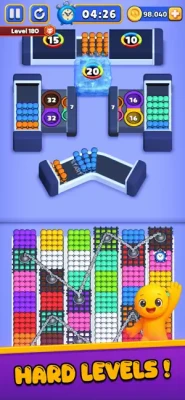
People Flow is a casual puzzle game developed by Rollic Games that combines color matching, timing, and space management in an engaging runway-based challenge. Instead of simply matching colored objects on a static board, you send characters running toward matching holes positioned around a runway.
The objective is to fill every hole with characters of the corresponding color before the runway becomes full or the timer expires. Each decision matters because sending too many characters at the wrong time can create congestion and leave you with fewer opportunities to complete the puzzle.
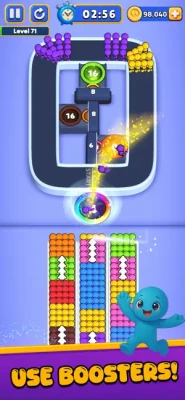
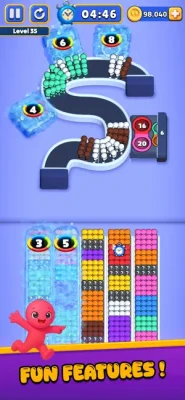
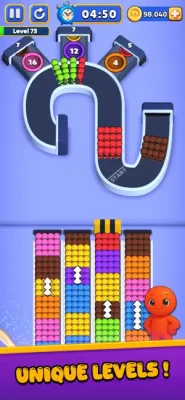
As you progress, the game introduces more complicated mechanics, including hidden colors, frozen holes and lanes, lane barriers, shutters, keys and locks, moving runway blockers, directional arrows, and connected characters. These features require you to pay closer attention to the board and plan your actions more carefully.
People Flow is easy to understand but becomes increasingly challenging as the number of obstacles grows. Whether you enjoy casual brain games, color-matching puzzles, or quick mobile challenges, it offers a satisfying mix of observation, timing, and strategic decision-making.
What Is People Flow?
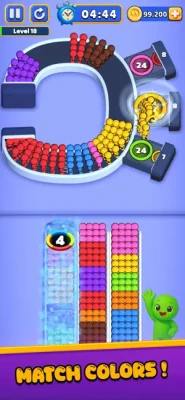
People Flow is a color-matching puzzle game in which players send characters from different lanes onto a runway. As the characters run, they jump into holes that match their colors.
Your main goal is to fill all the required holes without allowing the runway to become completely full or letting the timer expire. To succeed, you must recognize the colors of incoming characters, choose when to send them, and consider how each action affects the available space.
The challenge becomes more complex as new obstacles and mechanics appear. Frozen holes may require additional attention, shutters can affect access to destinations, and keys and locks introduce extra conditions that must be handled correctly.
Rather than relying only on speed, successful gameplay requires a balance between quick reactions and careful planning. Learning how each mechanic works can help you avoid unnecessary mistakes and complete increasingly difficult levels.
Main Features of People Flow
Color-Matching Runway Gameplay
The central mechanic involves sending characters toward holes that match their colors. Players must recognize the correct combinations and decide when to release each group onto the runway.
Simple Tap-and-Hold Controls
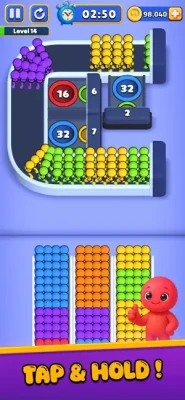
People Flow uses an accessible tap-and-hold control system. You can begin playing quickly without learning complicated button combinations, allowing you to focus on the puzzle and the movement of characters.
Limited Runway Space
The runway cannot become completely full. This creates a constant need to balance incoming characters with the progress made by filling matching holes.
Time-Based Challenges
Some levels require you to complete the puzzle before the timer expires. These stages reward players who can recognize useful moves quickly without sacrificing accuracy.
Hidden Colors
Hidden colors add uncertainty to the puzzle. Players must pay attention to the information available and adapt their decisions as additional color details become apparent.
Frozen Holes and Lanes
Frozen elements can restrict the normal flow of the puzzle. Understanding how to deal with these obstacles is important when planning a route toward completing the level.
Lane Barriers and Hole Shutters
Barriers and shutters introduce movement restrictions that can change which actions are possible. Players must account for these features before sending characters toward a destination.
Keys and Locks
Key-and-lock mechanics add another layer of problem-solving. These elements require you to recognize the relevant conditions and determine how to open blocked routes or destinations.
Moving Runway Blockers
Moving blockers make timing and observation especially important. Players must pay attention to changing positions and avoid sending characters into situations that create unnecessary congestion.
Directional Arrows and Connected Characters
Directional arrows provide movement clues, while connected characters introduce additional considerations when managing groups. These mechanics encourage players to look beyond individual colors and consider how different elements interact.
Progressive Difficulty
People Flow gradually introduces new mechanics and more demanding arrangements. Each stage gives players an opportunity to improve their timing, learn the rules, and develop more effective strategies.
Free-to-Play Access
People Flow is available as a free download with advertisements and optional in-app purchases. Players can experience the core puzzle gameplay without an upfront purchase, although optional purchases may be available for coins, bundles, or other in-game benefits.
How to Play People Flow
Examine the Runway
Before sending characters onto the runway, look at the holes surrounding it and identify their colors. Notice which destinations are open, which ones are blocked, and whether any obstacles could interfere with the movement of characters.
A quick inspection helps you understand what the level requires and which actions are most likely to produce useful progress.
Check the Incoming Characters
Characters arrive through different lanes at the bottom of the screen. Pay attention to their colors and compare them with the holes that still need to be filled.
Knowing which colors are immediately useful can help you avoid sending unnecessary characters onto the runway.
Tap and Hold to Send Characters
Use the game's tap-and-hold controls to send characters onto the runway. Observe how they move and whether they enter holes that match their colors.
The key is to control the flow rather than releasing characters without considering the available space.
Match Characters With the Correct Holes
As characters move along the runway, they jump into matching colored holes. Continue sending appropriate characters until the required destinations are filled.
If several colors remain, consider which group is most useful to send next and whether the runway has enough space to accommodate them.
Manage Runway Capacity
Watch the number of characters occupying the runway. If it becomes too crowded, pause before sending more and allow the current characters to reach their destinations whenever possible.
Keeping the runway clear is essential because a full runway can prevent you from completing the level.
Handle Obstacles Carefully
When you encounter frozen elements, barriers, shutters, locks, or moving blockers, inspect how they affect the available routes. Do not assume that every hole or lane can be used immediately.
Adapt your actions to the specific mechanics shown in the level.
Complete Every Hole Before Time Runs Out
Continue matching characters with the correct holes while keeping an eye on the timer. Prioritize useful moves, avoid unnecessary congestion, and adjust your strategy as the board changes.
The level is complete when all required holes have been filled according to the puzzle's objectives.
Complete People Flow Strategy Guide
Study the Colors Before Sending Characters
One of the most important skills in People Flow is recognizing which characters can fill the available holes. Before releasing a group, compare the incoming colors with the destinations that still need characters.
Avoid sending characters simply because they are available. If a color does not contribute to the current objective, consider waiting until the runway can accommodate it more safely.
This simple habit can prevent unnecessary congestion and help you maintain control throughout the level.
Keep the Runway as Clear as Possible
Runway space is one of your most valuable resources. Every character occupying the runway reduces the room available for additional characters, so efficient movement is essential.
Whenever possible, send characters whose colors match accessible holes. This allows them to leave the runway and complete part of the puzzle.
Avoid releasing too many characters at once, especially when you are unsure whether their destinations are available. A controlled flow is usually easier to manage than a crowded runway.
Prioritize Accessible Matching Holes
Look for holes that can be filled immediately. Completing accessible destinations can reduce the number of remaining objectives and help you understand what colors are still needed.
However, do not focus exclusively on the easiest holes. If a blocked or frozen destination is preventing overall progress, you may need to address that obstacle before continuing with simpler matches.
The best order depends on the current level, the available characters, and the mechanics affecting each destination.
Balance Speed With Accuracy
People Flow includes time-based challenges, but rushing every decision can create avoidable problems. Sending the wrong characters may fill the runway and leave you with insufficient room to finish.
Develop a quick routine: check the next character, identify a matching hole, inspect any nearby obstacles, and then send the character when the route is suitable.
As you become familiar with the mechanics, this process will feel more natural and allow you to make faster decisions without relying on random taps.
Understand Hidden Colors
Hidden colors make it harder to predict which characters will be useful. When a level contains this mechanic, pay attention to the information that is visible and avoid assuming that every destination follows the same pattern.
If the game reveals additional colors as you progress, use the new information to update your plan. Keep enough runway capacity available to handle unexpected requirements.
Deal With Frozen Holes and Lanes
Frozen holes and lanes can interfere with normal movement or prevent certain destinations from being used until their restrictions are resolved.
Inspect these elements at the beginning of the level and identify how they affect your available options. If a frozen hole is important to completing the puzzle, determine what must happen before it can be used.
Avoid repeatedly sending characters toward a destination that remains unavailable. Focus on understanding the restriction and resolving it first.
Handle Barriers and Shutters Carefully
Lane barriers and hole shutters can limit movement or access. Their positions may determine which characters can reach particular destinations, so examine them before choosing your next action.
Look for routes that remain available and consider whether another part of the puzzle must be completed before a blocked destination becomes accessible.
Do not treat every barrier as an obstacle that can be ignored. It may determine the order in which you need to complete the puzzle.
Use Keys and Locks Strategically
When keys and locks appear, identify their relationship and determine which action is needed to unlock the relevant section.
Plan around the locked destination rather than repeatedly attempting to use it while it remains inaccessible. If a key must be collected or activated first, account for that requirement in your sequence.
Because the exact arrangement can vary between levels, follow the instructions and visual cues shown in the current puzzle.
Watch Moving Runway Blockers
Moving blockers make it important to observe the runway before releasing additional characters. A route that appears clear may become restricted as the blocker changes position.
Pay attention to the movement pattern and choose a suitable moment to send characters. Avoid filling the runway with characters that cannot reach their destinations while the route is obstructed.
A brief pause to observe the blocker can be more useful than rushing into a crowded situation.
Follow Directional Arrows
Directional arrows provide clues about movement and the routes available to characters. Study their orientation before deciding which lane or destination to use.
If a character does not follow the path you expected, review the arrows and any nearby restrictions. Understanding these cues can help you avoid repeated mistakes.
Manage Connected Characters
Connected characters can make a level more complicated because their movement may need to be considered as a group rather than as separate actions.
Check their arrangement and consider how sending them onto the runway will affect the available space. Make sure you have a reasonable plan for handling their movement before releasing them.
When connected characters are involved, avoid focusing on a single color without considering the consequences for the rest of the group.
Watch the Timer Without Losing Focus
In timed levels, check the remaining time regularly, but do not let the countdown force you into random actions.
Prioritize moves that directly fill holes or remove restrictions. Avoid spending too long reconsidering a decision when the correct match is already clear.
If a level repeatedly defeats you, examine whether the problem is slow decision-making, poor runway management, or an obstacle you have not yet understood.
Advanced Tips and Tricks for People Flow
Develop a Consistent Scanning Routine
Before each important action, scan the runway, check the available colors, and inspect the obstacles. A consistent routine helps you recognize the most useful move without overlooking important details.
With practice, you will become quicker at identifying open holes, incoming characters, and potential congestion.
Think About the Next Few Characters
Do not concentrate only on the character currently waiting in a lane. If you can see which colors are coming next, use that information to prepare the runway.
For example, if a particular color is about to arrive and its matching hole is accessible, you may want to preserve enough space to send that character safely.
Planning a few actions ahead helps you avoid situations in which the runway fills before a useful character can reach its destination.
Avoid Filling the Runway Without a Clear Plan
Sending multiple groups onto the runway can sometimes feel faster, but it also increases the risk of congestion. Before releasing more characters, consider whether the existing ones have enough room to reach their matching holes.
If the runway is already crowded, prioritize clearing it instead of adding more characters.
Adapt to Each New Mechanic
People Flow introduces different obstacles and restrictions as you progress. Learn how each new mechanic works before relying on strategies that were successful in earlier levels.
A level with moving blockers may require different timing from one containing frozen holes. A puzzle with keys and locks may require a particular sequence that is unnecessary elsewhere.
Understanding the specific challenge is more valuable than repeating the same actions in every stage.
Preserve Space for Unexpected Situations
Keeping the runway below capacity gives you more flexibility when an unexpected color or obstacle appears.
Try not to use every available space unless doing so directly supports the solution. A little extra room can help you recover when your initial plan needs to change.
Learn From Failed Attempts
If a level ends because the runway becomes full or time runs out, identify the cause before restarting.
Consider whether you released too many characters, overlooked a blocked hole, or spent too much time on an unnecessary action. Change the relevant part of your approach and test a more deliberate sequence.
Repeated attempts become much more useful when each one teaches you something about the puzzle.
Use Available Boosters Carefully
If the game offers boosters or other assistance, consider whether they solve the problem you are facing. A booster may be helpful when the runway is crowded or when a difficult obstacle prevents progress, depending on its actual effect.
Check the item's description and cost before using it. Save limited resources for situations where they offer a meaningful advantage rather than activating them automatically.
Common People Flow Mistakes to Avoid
Sending Characters Without Checking Their Colors
A character is only useful when it can contribute to filling an appropriate hole. Check the available colors and destinations before releasing characters onto the runway.
Ignoring Runway Capacity
A crowded runway can prevent further progress. Keep track of the available space and avoid releasing additional characters when existing ones are not clearing the route efficiently.
Focusing Only on the Timer
Speed matters in timed levels, but ignoring the puzzle's color requirements can lead to mistakes. Make quick decisions based on visible information rather than tapping randomly.
Overlooking Frozen Holes
A frozen destination may not be available for immediate use. Check its status before sending characters and determine what needs to happen to make it accessible.
Forgetting About Moving Blockers
A route can change while you are playing. Observe moving obstacles before sending additional characters, particularly when the runway is already busy.
Ignoring Keys and Locks
Locked destinations may require a specific action before they can be used. Understand the relationship between the key and the lock instead of repeatedly attempting an unavailable route.
Releasing Too Many Characters at Once
Sending a large group without considering its destinations can fill the runway quickly. Use a controlled approach and release characters when you can reasonably predict how they will contribute to the puzzle.
Repeating the Same Failed Strategy
If the runway keeps filling up, repeating the same sequence is unlikely to solve the problem. Reconsider the order of your actions and focus on keeping the most useful routes available.
How to Beat Difficult Levels in People Flow
Identify the Main Challenge
Start by determining what makes the level difficult. The main problem might be a limited runway, hidden colors, frozen holes, a moving blocker, or a combination of several mechanics.
Understanding the primary restriction helps you focus on the right solution instead of trying to manage everything at once.
Locate the Most Useful Open Holes
Identify the destinations that can be filled immediately and the colors needed to complete them. Filling accessible holes can reduce the number of remaining objectives and make the board easier to manage.
At the same time, note any blocked destinations that require special attention.
Control the Flow of Characters
Send characters in a sequence that makes practical use of the available runway space. Avoid releasing more characters than the current arrangement can accommodate.
If a matching hole is available, consider whether sending its corresponding character will create enough room for the next action.
Resolve Obstacles in a Logical Order
Handle frozen elements, barriers, shutters, and locks according to the requirements of the current level. Determine which restriction is preventing progress and address it before sending characters into an unproductive route.
Adjust Your Plan as the Board Changes
As holes fill and obstacles are resolved, the best next move may change. Recheck the remaining colors and available space after major progress.
Do not continue following an outdated plan if the current board offers a better opportunity.
Restart With a Clearer Strategy When Needed
If the runway becomes completely blocked or you can no longer see a realistic way to finish before the timer expires, restarting may be the most practical option.
Before trying again, identify what caused the failure and decide how you can avoid the same problem. A more controlled opening can make the rest of the level easier to manage.
Is People Flow Easy to Learn?
People Flow is easy to understand because its basic controls involve tapping and holding to send characters onto a runway. The color-matching objective is straightforward, allowing new players to begin without a long learning process.
The challenge grows as additional mechanics appear. Hidden colors, frozen holes, lane barriers, shutters, locks, and moving blockers require more observation and planning.
This combination of simple controls and increasingly complex puzzles makes the game approachable for beginners while still offering a challenge for experienced puzzle players.
Is People Flow Good for Casual Players?
People Flow is suitable for players who enjoy quick, focused puzzle sessions. Its colorful presentation and simple controls make it easy to start, while the need to manage time and space provides a reason to improve.
Players who enjoy color matching, timing challenges, and logic games may particularly appreciate its combination of immediate action and strategic planning.
Some levels require quick decisions, so the experience may feel more intense than a purely relaxed sorting puzzle.
Is People Flow Free to Play?
People Flow is available as a free download with advertisements and optional in-app purchases. The game offers purchasable coins and bundles, including options related to removing advertisements.
Players can begin without paying an upfront purchase price. If you prefer not to spend money, focus on learning the mechanics, managing runway space carefully, and improving your strategy before considering optional purchases.
What Devices Support People Flow?
People Flow is available for compatible iPhone and iPad devices. The App Store listing specifies iOS 15.0 or later for iPhone and iPadOS 15.0 or later for iPad.
The listing also describes compatibility with certain Macs using Apple silicon and compatible operating systems. Check the current store requirements if you intend to play on a different Apple device.
Does People Flow Require Fast Reactions?
People Flow combines timing with strategic decision-making. Some stages require quick actions because of a countdown, but success also depends on recognizing color matches and managing the runway.
Players who plan their moves, watch the available space, and understand the obstacles can make faster decisions without relying on guesswork.
What Makes People Flow Different From Other Color-Matching Games?
People Flow combines color matching with a moving runway and a limited-capacity system. Instead of simply pairing colors on a stationary board, players must manage incoming characters and ensure that they can reach the correct holes.
Additional mechanics such as hidden colors, frozen lanes, shutters, keys, locks, and moving blockers add variety to the puzzles. This makes each level a combination of timing, spatial awareness, and problem-solving.
Final Thoughts on People Flow
People Flow is an engaging mobile puzzle game that combines color matching, timing, and runway management. Its simple tap-and-hold controls make it easy to learn, while its growing collection of obstacles and special mechanics creates more demanding challenges as you progress.
The best strategy is to check incoming colors, prioritize accessible holes, preserve runway space, and understand each obstacle before acting. When the timer is running, make purposeful decisions rather than rushing blindly.
With practice, you can recognize useful color combinations more quickly, manage connected characters more effectively, and approach difficult levels with greater confidence. Whether you enjoy casual brain games or fast-paced color puzzles, People Flow offers a satisfying challenge built around planning, timing, and smart decisions.
Rate the Game
User Reviews




Popular Games



















 Android
 iOS
 Windows
 Xbox