









Latest Version
September 12, 2026
RoadRocks
Puzzle
iOS
0
Report a Problem
More About :game
Developed by RoadRocks, DreamScape: Compass Walls is available as a free game with optional in-app purchases. It is categorized as a puzzle game and supports iPhone and iPad. The App Store lists iOS 15.6 or later as the minimum requirement.
What Is DreamScape: Compass Walls?
DreamScape: Compass Walls takes the familiar spot-the-difference concept and places it inside a much stranger adventure.
The basic objective is to carefully examine scenes and identify visual differences, but the experience is wrapped in a mystery-driven narrative. According to the game's description, its stories can move between different genres while the environments, rules and musical presentation change along the way.
That makes observation only part of the challenge. You also need to understand what each environment is trying to communicate.
The game mixes:
- Spot-the-difference puzzles
- Mystery adventure elements
- Dream-like environments
- Cinematic storytelling
- Genre-changing scenarios
- Musical sequences
- Environmental clues
- Memory-based storytelling
- Collectible story elements
- Game Center achievements
The result is less like a traditional static puzzle book and more like an interactive mystery presented through a series of unusual scenes.
DreamScape: Compass Walls Gameplay
The central gameplay revolves around examining an environment and discovering something that does not belong.
A scene may initially appear ordinary, but small changes can be hidden in objects, furniture, backgrounds, shapes or other environmental details. Success depends on slowing down and studying the entire image rather than immediately tapping the most obvious objects.
The game deliberately plays with expectations. One sequence may feel like a traditional puzzle while another can introduce a different atmosphere, story direction or presentation style.
This changing structure is one of the game's defining characteristics.
How the Spot-the-Difference Puzzles Work
The most important skill in DreamScape is visual comparison.
Rather than scanning randomly, divide every scene into sections.
1. Start With the Large Shapes
Look at the major elements first:
- Walls
- Windows
- Doors
- Furniture
- Large decorations
- Characters
- Major background objects
Large differences are usually easier to recognize and help you understand the scene's overall structure.
2. Move to Medium-Sized Objects
Once the main layout is familiar, inspect:
- Tables
- Chairs
- Shelves
- Lamps
- Pictures
- Plants
- Signs
- Containers
- Decorative objects
This is where many less obvious differences can hide.
3. Finish With Small Details
The final sweep should focus on tiny elements.
Look for:
- Missing objects
- Extra objects
- Changed colors
- Different shapes
- Altered patterns
- Unusual positions
- Changed decorations
- Small background inconsistencies
Do not assume the difference will always be dramatic.
Best DreamScape: Compass Walls Strategy
Scan the Scene Systematically
One of the biggest mistakes in a spot-the-difference game is moving your eyes randomly around the screen.
Instead, create a consistent scanning pattern.
For example:
Top → middle → bottom
Then:
Left → center → right
This prevents you from repeatedly checking the same area while overlooking another section.
Compare Objects by Category
Another effective method is to compare similar objects.
If a room contains several chairs, inspect all the chairs.
If there are several framed pictures, compare them.
If multiple lamps, plants or decorations appear in the same environment, examine those groups together.
Your brain becomes better at recognizing inconsistencies when similar objects are compared directly.
Pay Attention to Symmetry
Symmetrical environments can provide useful visual clues.
If two areas appear intentionally similar, check whether:
- One object is missing
- One side has an additional decoration
- A shape has changed
- A color is different
- An object has moved
Symmetry is especially useful when the scene initially looks almost identical.
Don't Rush
DreamScape is designed around observation rather than fast reflexes.
If you cannot immediately see a difference, stop tapping randomly.
Take a few seconds to look at the entire scene again.
Often the difference becomes obvious after you stop concentrating on one particular object.
How to Find Difficult Differences
When you are stuck, use a structured reset.
Step One: Stop Searching Randomly
Put the puzzle down for a moment and look at the whole scene.
Step Two: Divide It Into Zones
Mentally create four or six sections.
Check one section at a time.
Step Three: Look at the Background
Players naturally focus on foreground objects, which makes background details easy to overlook.
Check:
- Walls
- Floors
- Windows
- Shadows
- Decorations
- Background scenery
Step Four: Check Repeated Objects
If there are several similar objects, compare them.
Step Five: Look for Something That Feels "Wrong"
Sometimes your eyes notice an inconsistency before your brain identifies it.
If something feels slightly unusual, investigate it.
Understanding the Story
DreamScape: Compass Walls is not simply a collection of unrelated visual puzzles.
Its rooms, objects and clues are connected to a larger mystery-oriented experience. The game's official description specifically presents rooms as clues and clues as memories, giving environmental details a narrative purpose.
That means it is worth paying attention to the presentation between puzzles.
Don't automatically skip story sequences.
A seemingly strange character, location or object may help establish the context for what follows.
Why the Music Matters
Music is an important part of the game's identity.
The developers describe DreamScape as an experience that can play like a musical as well as a puzzle and cinematic adventure. The music is designed to accompany the changing narrative and atmosphere.
For the best experience, playing with sound enabled can make the transitions between scenes feel more connected.
The game also includes music-related presentation and story elements that reinforce its unusual atmosphere.
Genre Changes and Shifting Rules
One of the most interesting aspects of DreamScape: Compass Walls is that it does not stay inside one conventional puzzle format.
The game's description explains that each story can introduce a different genre, with rules and presentation changing as the experience develops.
This means you should avoid assuming that every section will work exactly like the previous one.
A good general rule is:
Observe first, understand the current scene, then decide how to approach it.
The game rewards adaptability.
Story Cards and Collectible Elements
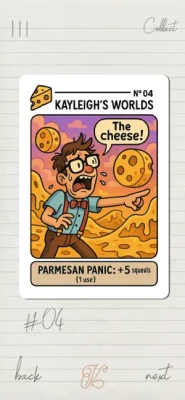
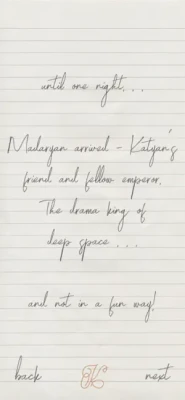
The game also incorporates story-related card elements.
These provide another layer beyond simply finding differences and help reinforce the game's characters and unusual narrative structure.
When collectible or story elements appear, take a moment to understand what they represent instead of treating them as purely decorative.
They can help make the overall experience feel more connected.
DreamScape: Compass Walls Tips and Tricks
Tip 1: Look at the Entire Scene First
Before searching for a difference, understand what you are looking at.
Tip 2: Search From Outside to Inside
Start with the edges and background before focusing on the center.
Tip 3: Check Objects With Repeated Shapes
Repeated items are excellent places to find inconsistencies.
Tip 4: Use Short Visual Passes
Instead of staring at one location for too long, scan the entire scene several times.
Tip 5: Remember Previous Patterns
If the game introduces a particular type of visual trick, keep it in mind during later puzzles.
Tip 6: Don't Assume the Center Is Important
Differences can be hidden in peripheral areas.
Tip 7: Use Sound When Possible
Music is part of the game's presentation, so playing with audio can make the experience more immersive.
Tip 8: Pay Attention to Story Details
The mystery and puzzle elements are connected, so narrative information can make later scenes more meaningful.
Beginner's Guide
If you are starting DreamScape: Compass Walls for the first time, don't worry about completing every puzzle immediately.
Your first objective should be learning how the game presents its scenes.
Start by identifying:
- The major objects in the environment
- The overall color palette
- The scene's layout
- Repeated objects
- Important background details
- Any unusual visual elements
Once you know what the normal version of the scene looks like, spotting an abnormal element becomes much easier.
Advanced Puzzle Strategy
For difficult puzzles, use the three-pass method.
Pass One – Structure
Look only at the overall layout.
Ask:
- What objects are here?
- Where are they positioned?
- Which areas look symmetrical?
Pass Two – Details
Inspect individual objects.
Ask:
- Is anything missing?
- Has something moved?
- Is a color different?
- Does an object have an unusual shape?
Pass Three – Background
Ignore the obvious foreground elements and inspect the environment.
Look carefully at:
- Walls
- Floors
- Windows
- Pictures
- Decorative objects
- Shadows
- Small background items
This approach is much more reliable than random tapping.
Common Mistakes to Avoid
Tapping Everything
Random tapping defeats the purpose of an observation puzzle and can make you overlook the actual visual clue.
Looking Only at Characters
Characters may attract attention, but the difference can be somewhere completely different in the environment.
Ignoring the Background
Background details are easy to dismiss because they appear less important.
Moving Too Quickly
The game is built around careful observation. Give yourself time to examine each scene.
Skipping the Story
The narrative is one of the game's distinguishing features, so treating it as background decoration removes part of the experience.
Difficulty Guide
DreamScape: Compass Walls is best suited to players who enjoy:
- Observation puzzles
- Hidden differences
- Mystery games
- Casual adventures
- Atmospheric storytelling
- Cinematic games
- Surreal environments
- Relaxed puzzle sessions
The challenge comes primarily from visual attention and recognizing subtle inconsistencies rather than combat or traditional character progression.
Achievements and Game Center
DreamScape: Compass Walls supports Game Center and includes achievements.
Achievement-focused players should therefore approach the game carefully rather than simply rushing through the main puzzles.
Pay attention to:
- Story progression
- Puzzle completion
- Collectible elements
- Special discoveries
- Unusual interactions
- Additional content
Checking Game Center after progressing through the game can help you see which accomplishments remain.
DreamScape: Compass Walls Features
Mystery Puzzle Adventure
Spot-the-difference challenges are connected to an unfolding mystery.
Cinematic Presentation
The game combines visual puzzles with a presentation inspired by cinema.
Dream-Like Worlds
Environments can move between familiar spaces and surreal locations.
Genre-Bending Stories
Different sections can change the tone and rules of the experience.
Musical Atmosphere
Music is integrated into the game's storytelling and presentation.
Environmental Clues
Rooms and objects are used as parts of the narrative.
Memory-Based Storytelling
The game's story connects clues and memories to its puzzle environments.
Game Center Support
Players can earn achievements through Game Center.
Technical Information
Game: DreamScape: Compass Walls
Developer: RoadRocks DWC-LLC
Genre: Puzzle
Release: November 23, 2025
Latest listed version: 1.0.2
Latest listed update: December 4, 2025
Price: Free with optional in-app purchases
Language: English
Age Rating: 4+
Size: Approximately 1.5 GB
Platforms: iPhone and iPad
Minimum iOS: iOS 15.6 or later
Game Center: Supported
The App Store currently lists several optional purchases, including DreamScape Trickle, Breeze, Spring, Canteen, Voyager, Wayfarer, Lucidlens, Echotrail and Duet.
Is DreamScape: Compass Walls Worth Playing?
If you enjoy traditional spot-the-difference games but want something with more atmosphere and narrative, DreamScape: Compass Walls offers an unusual interpretation of the genre.
Its strongest feature is the combination of visual observation with mystery, music and cinematic storytelling.
The game has also received positive feedback from some players who specifically praised its story and relaxing but challenging puzzle experience. The current US App Store listing shows a 4.4/5 rating from five ratings, although that is a relatively small review sample.
There have also been critical comments about repetition and an earlier save-progress issue, so it is worth keeping the game's update history and current version in mind when evaluating the experience.
Overall, DreamScape is most appealing to players who prefer slow-paced observation, unusual stories and atmospheric puzzle adventures over action-heavy gameplay.
Pros and Cons
Pros
- Creative take on spot-the-difference puzzles
- Strong mystery atmosphere
- Cinematic presentation
- Genre-changing structure
- Music integrated into the experience
- Interesting environmental storytelling
- Game Center achievements
- Relaxing gameplay style
Cons
- Large installation size
- English-only listing
- Some environments may feel repetitive
- Earlier player reports mentioned saving problems
- Small current review sample makes the overall rating difficult to judge
Frequently Asked Questions
What type of game is DreamScape: Compass Walls?
DreamScape: Compass Walls is a puzzle adventure built around spot-the-difference challenges, mystery storytelling, cinematic presentation and changing environments.
Is DreamScape: Compass Walls free?
Yes. The App Store lists the game as free with optional in-app purchases.
Is DreamScape: Compass Walls available on iPhone?
Yes. The game supports iPhone and iPad and requires iOS 15.6 or later.
Does DreamScape: Compass Walls have achievements?
Yes. The App Store lists Game Center support and achievements.
What is the main objective?
The primary gameplay revolves around examining scenes and finding visual differences while progressing through a mystery-driven story.
Is DreamScape a traditional spot-the-difference game?
It uses spot-the-difference gameplay as its foundation, but adds mystery, music, cinematic storytelling and changing genres to create a broader adventure experience.
Is the game suitable for casual players?
Yes. Its observation-focused gameplay makes it a good choice for players who prefer relaxed puzzle sessions rather than fast action.
Final Strategy
The best way to play DreamScape: Compass Walls is to slow down and observe.
Don't treat every puzzle as a race. Learn the normal appearance of the environment first, divide the scene into sections, compare repeated objects, inspect the background and then investigate anything that looks slightly out of place.
Most importantly, remember that the visual puzzles are part of a larger experience. The rooms, clues, memories, music and changing genres are what give DreamScape its distinctive character.
If you approach each scene like a detective rather than simply hunting for a button to tap, you'll get much more from the game's unusual mystery.
Rate the Game
User Reviews














Popular Games




















 Android
 iOS
iOS Windows
 Xbox
Xbox