
Latest Version
September 28, 2026
UNICO STUDIO
Puzzle
iOS
0
Report a Problem
More About :game
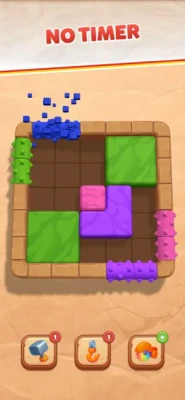
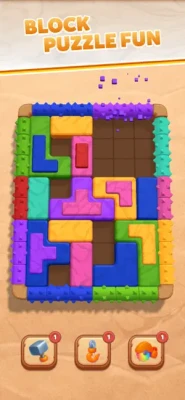
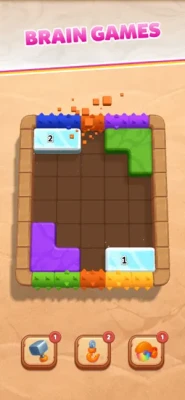
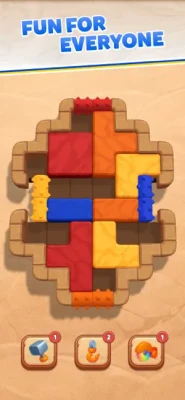
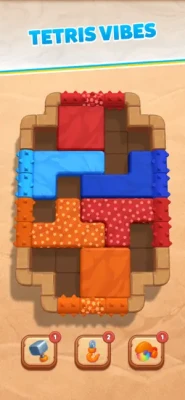
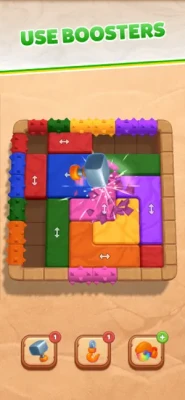
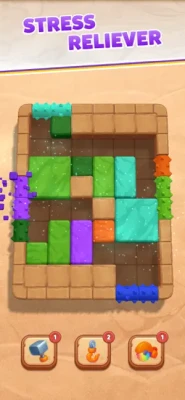
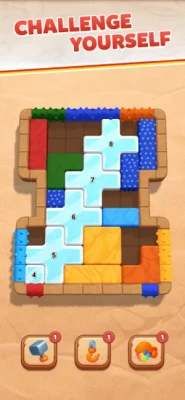
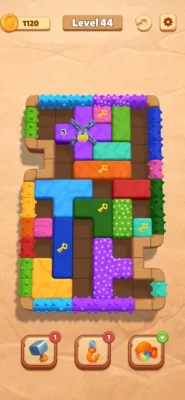
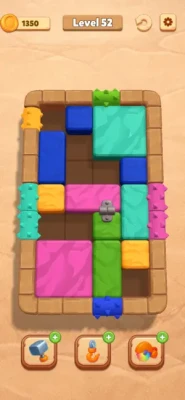
The game combines casual block placement with strategic puzzle-solving, clean visuals and satisfying destruction effects. The App Store describes it as a no-time-limit puzzle designed for players who want to think at their own pace.
Smash Block Color Jam Game Information
- Game: Smash Block: Color Jam
- Subtitle: Relax & Smash at Your Pace
- Developer: UNICO STUDIO
- Genre: Puzzle
- Platforms: iPhone and iPad
- Price: Free with in-app purchases
- Age Rating: 4+
- Current App Store Version: 2.12.0
- Requires: iOS 15.0 or later
- iPad Requirement: iPadOS 15.0 or later
- Size: About 542.9 MB
- Languages: English plus 18 additional languages
- Advertising: Yes
- Game Center: Achievements supported
- Offline-friendly: Yes
What Is Smash Block Color Jam?
Smash Block Color Jam is a casual logic puzzle where colorful blocks are dragged and placed onto the board before being cleared through smashing and combination mechanics.
The central challenge is not speed. You have time to study the available pieces, consider open spaces and decide which placement will produce the most useful result.
That makes the game approachable for beginners while still giving experienced puzzle players something to think about.
The App Store emphasizes three main characteristics: no time limits, strategic block placement and satisfying smashing feedback.
How to Play Smash Block Color Jam
The basic gameplay loop is easy to understand:
- Examine the current board.
- Select the available colorful block.
- Drag it into a suitable position.
- Create combinations or clearing opportunities.
- Smash blocks and open new space.
- Plan your next placement.
- Continue until you complete the puzzle objective.
The important part is deciding where not to place a block.
A board can become difficult surprisingly quickly if you fill its most useful spaces too early.
Think Before You Drop
Because there is no countdown, use that advantage.
Before placing a block, check:
- Which spaces are still open?
- Which colors can potentially combine?
- Can the placement create a larger clear?
- Will the piece block an important area?
- What shapes might you need next?
- Can the move create space for another combination?
The game rewards deliberate placement more than fast reactions.
Main Features of Smash Block Color Jam
No Time Limit
One of the defining features is the absence of a traditional countdown.
You can stop and study the board before making your next move. This creates a calmer experience than block puzzles that force players to react quickly.
Colorful Block Puzzles
The game uses colorful blocks as the foundation of its puzzle design.
The visual simplicity makes it easy to identify pieces and follow the action as blocks are placed and cleared.
Satisfying Smash Effects
Smashing blocks is a major part of the game's appeal. The App Store specifically highlights satisfying effects and feedback during the clearing process.
Strategic Gameplay
Although the controls are casual, successful play requires planning.
You need to consider both your current move and how that move affects the next stage of the board.
Clean Visual Presentation
Smash Block uses a minimalist visual style that keeps the puzzle board relatively easy to understand.
This is particularly useful when several colors and pieces are visible at the same time.
Offline-Friendly Gameplay
The App Store describes Smash Block as offline-friendly, making it suitable for puzzle sessions when an internet connection isn't available.
Game Center Achievements
The game also supports Game Center achievements, giving players additional goals beyond simply completing individual puzzles.
Smash Block Color Jam Strategy Guide
The biggest mistake beginners make is thinking that every legal placement is automatically a good placement.
It isn't.
The strongest strategy is to treat the board as a limited resource.
1. Keep the Board Flexible
Open space is valuable.
Try not to fill every available area simply because you have a piece that fits there.
A flexible board gives you more possibilities when the next block arrives.
Good habit:
Before placing a piece, ask:
“What spaces will remain useful after this move?”
That one question can prevent many unnecessary mistakes.
2. Look for Combinations Before Individual Clears
Don't focus only on clearing one small group.
Look at the surrounding blocks and see whether your placement can contribute to a larger combination.
A smaller clear may be useful if it opens an important area, while a visually impressive move may not help if it leaves the board crowded.
3. Plan Around Difficult Spaces
Some areas of the board are more difficult to use because of their position or surrounding blocks.
Try to avoid creating isolated pockets that are difficult to fill later.
When possible, preserve broad areas where different pieces can still be positioned.
4. Don't Rush Into a Clear
A clear is useful, but timing matters.
Sometimes leaving a combination available for another move can give you more flexibility.
Before smashing a group, consider whether clearing it will:
- Open valuable space
- Create another combination
- Improve the board
- Remove a useful positioning area
The best clear is usually the one that improves your next several moves.
Advanced Smash Block Color Jam Tips
Think Two Moves Ahead
Because there is no timer, you have an important advantage: planning time.
Instead of asking only:
Where can I put this block?
Ask:
Where can I put this block so that my next block has more options?
That change in thinking makes the game considerably easier.
Preserve Central Space
Central areas often provide more placement possibilities than narrow corners or awkward gaps.
Don't automatically fill the center just because it is available.
Try to keep useful open areas until you know what type of placement you need.
Use the Edges Carefully
Edges can be helpful because they allow you to organize blocks without immediately occupying the entire board.
However, placing too many pieces against the edges can also create difficult pockets.
The goal is balance rather than following a rigid “always use the edges” rule.
Clear Crowded Areas
If one section of the board is becoming congested, consider whether a strategic clear can reopen it.
A clear that creates several new placement options can be more valuable than one that simply removes a few blocks.
Don't Waste Good Pieces
When you receive a useful block or combination opportunity, avoid placing it somewhere simply because it fits.
Ask whether the piece could create:
- A larger clear
- A chain reaction
- A better board shape
- More open space
- A future combination
How to Handle Difficult Smash Block Levels
When a puzzle becomes difficult, stop making moves for a moment.
Study the entire board.
Step 1: Find the Problem Area
Identify the most crowded or restricted section.
Step 2: Look for a Clearing Opportunity
Find a placement that could remove blocks from that area.
Step 3: Preserve Open Space
Don't solve one problem by creating an even bigger one elsewhere.
Step 4: Consider the Next Piece
Think about how your current placement affects the possible position of the next block.
Step 5: Reassess
After a successful clear, don't immediately make another move.
Look at the newly opened board again.
Sometimes the best move becomes obvious only after the previous clear.
Beginner Tips for Smash Block Color Jam
Tip 1: Take Your Time
There is no countdown, so use it.
Tip 2: Keep Space Open
Don't fill the board unnecessarily.
Tip 3: Look for Bigger Clears
Think beyond the immediate block.
Tip 4: Avoid Trapping Small Spaces
Tiny gaps can become difficult to use.
Tip 5: Plan Before Dragging
Pause for a second and identify the purpose of the move.
Tip 6: Use the Whole Board
Don't focus only on the most obvious combination.
Tip 7: Learn From Failed Placements
If a move creates a difficult position, remember what caused the problem and adjust your next attempt.
Smash Block Color Jam Combo Strategy
Combos are one of the most satisfying parts of the game.
The best way to create stronger combinations is to think about setup before payoff.
Instead of immediately clearing every available group:
- Identify potential matching areas.
- Position blocks to support the combination.
- Preserve enough open space.
- Trigger the clear when it creates the most benefit.
- Use the newly opened area for the next move.
A good combo isn't just visually satisfying—it should improve the state of the board.
How to Avoid Getting Stuck
There are several common causes of difficult board positions.
Filling Too Much Space
The more crowded the board becomes, the fewer placement options remain.
Ignoring Future Pieces
A move may work for the current block but make the next piece almost impossible to place.
Overusing One Area
Concentrating too many blocks in one region can create an unnecessary bottleneck.
Clearing Without a Plan
A clear that looks good may not actually improve the board.
Making Moves Too Quickly
Since the game has no timer, there is little reason to make decisions before checking your alternatives.
Why the No-Timer System Matters
The lack of a countdown changes the entire feel of Smash Block Color Jam.
Instead of asking:
“How quickly can I clear this?”
you can ask:
“What is the most useful move?”
This makes the game closer to a thoughtful board puzzle than a reflex challenge.
Current App Store reviews also repeatedly mention the no-timer format as a reason players find the game less stressful than timed block puzzles. Those comments represent individual player experiences rather than a universal assessment.
Smash Block Color Jam Difficulty
The basic mechanics are easy to learn, but the strategic challenge comes from managing limited board space.
A player who simply places pieces wherever they fit may eventually encounter difficult situations.
A player who:
- Preserves open space
- Plans combinations
- Thinks ahead
- Avoids awkward gaps
- Uses clears strategically
will have more control over the board.
The challenge is therefore more about decision quality than reaction speed.
Smash Block Color Jam Atmosphere
The atmosphere is deliberately calm.
There is no countdown demanding constant movement, while the clean visual presentation and block-smashing effects make successful moves feel rewarding.
That creates an experience that fits naturally into short breaks, commuting, relaxing before bed or casual puzzle sessions.
The App Store specifically markets the game for relaxing moments and describes its gameplay as a way to unwind without pressure.
Smash Block Color Jam Pros and Cons
Pros
- No time limit
- Easy controls
- Relaxing puzzle format
- Strategic block placement
- Colorful pieces
- Satisfying smash effects
- Offline-friendly
- Game Center achievements
- Suitable for short sessions
- Easy to learn but offers strategic depth
Cons
- The large download size may matter on devices with limited storage
- Advertising is included
- Optional purchases are available
- Players looking for fast-paced action may find the relaxed pace too slow
The current App Store listing shows the game at about 542.9 MB and confirms advertising and in-app purchases.
Smash Block Color Jam Reviews
The U.S. App Store currently lists a 4.8/5 rating from approximately 3.3K ratings.
Several recent reviews highlight the game's calm pacing and lack of a timer. Other players describe the block-smashing mechanic as satisfying and the puzzles as moderately challenging.
These reviews should be treated as individual player opinions rather than a guarantee of the experience every player will have.
Smash Block Color Jam Updates
The App Store version history currently lists version 2.12.0, released August 26, with bug fixes and performance improvements. Earlier updates, including versions 2.11.1 and 2.10.0, also focused on bug fixes and performance improvements.
The game has received a long sequence of updates, suggesting continued maintenance and technical improvements from the developer.
Who Should Play Smash Block Color Jam?
Smash Block Color Jam is particularly suited to players who enjoy:
- Block puzzle games
- Color puzzles
- Casual logic games
- Brain teasers
- Relaxing mobile games
- Strategic placement games
- Offline-friendly games
- No-timer puzzles
- Satisfying destruction mechanics
It may be less appealing to players who specifically want fast reflex challenges, competitive multiplayer or action-heavy gameplay.
Smash Block Color Jam FAQ
What is Smash Block Color Jam?
Smash Block Color Jam is a casual block puzzle game where players drag and place colorful blocks and clear the board through smashing and combination mechanics.
Does Smash Block Color Jam have a timer?
No. The App Store specifically describes the game as having no time limits.
Can you play Smash Block Color Jam offline?
The App Store describes the game as offline-friendly, allowing puzzle play without requiring an internet connection.
Is Smash Block Color Jam free?
Yes. It is free to download, but the App Store lists advertising and optional in-app purchases.
Is Smash Block Color Jam difficult?
The controls are simple, but later puzzles can require more planning because successful play depends on managing board space and combinations.
Does Smash Block Color Jam have achievements?
Yes. The App Store states that the game supports Game Center achievements.
What devices support Smash Block Color Jam?
The current listing supports iPhone and iPad, requiring iOS 15.0 or later on iPhone and iPadOS 15.0 or later on iPad. It also lists support for Apple devices including compatible Macs and Apple Vision.
Is Smash Block Color Jam a relaxing game?
The game is specifically designed around relaxed, no-timer puzzle play, and the developer presents it as a way to unwind without pressure.
What is the best strategy in Smash Block Color Jam?
Keep the board flexible, preserve useful open spaces, avoid awkward gaps and think about how every placement affects your next move.
Final Thoughts
Smash Block Color Jam takes the familiar block-puzzle formula and gives it a deliberately relaxed pace.
Its biggest gameplay advantage is the freedom to stop and think. Without a countdown, players can concentrate on board management, combinations and long-term placement rather than rushing through each move.
The most important strategy is simple: don't treat empty space as wasted space. Open areas are opportunities. Keep them available, think ahead, and make each placement serve a purpose.
For players looking for a colorful, satisfying and relatively calm block puzzle, Smash Block Color Jam offers an accessible experience with strategic depth that comes from deciding how to manage the board.
Rate the Game
User Reviews








Popular Games



















 Android
 iOS
iOS Windows
 Xbox
Xbox