



Latest Version
October 12, 2026
Staple Games
Card
iOS
0
Report a Problem
More About :game
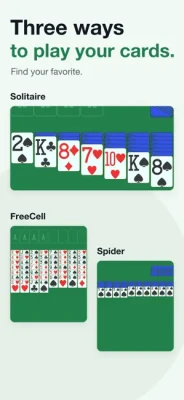
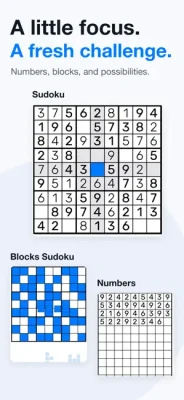
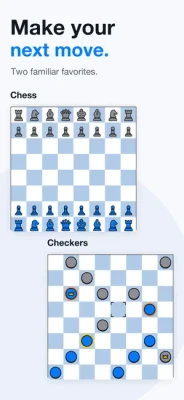
Staple Games is a mobile game collection designed for people who enjoy classic games without needing to install a separate app for every activity. Instead of focusing on one long adventure or a single competitive mode, it offers 14 different experiences in one place.
The collection covers several popular categories. Card-game fans can play Solitaire, Spider, FreeCell, and Pyramid. Puzzle enthusiasts can work through Sudoku grids, arrange blocks, match numbers, complete jigsaw puzzles, or solve the Escape game's grid-clearing challenges. Players who prefer traditional board games can challenge the Chess engine or test their tactical decisions in Checkers. Yatzy and Dice Merge provide two different ways to enjoy dice-based gameplay.
This variety is the main attraction. Someone looking for a quiet puzzle can switch to Sudoku, while a player who wants a more tactical challenge can move to Chess. If a card game starts to feel repetitive, another activity is only a few taps away.
The app also includes daily challenges, dark mode, offline play, and the option to choose a preferred app icon. According to its store description, there are no advertisements, although unlimited play across all 14 games requires Staple Games Premium. Each game can be tried before deciding whether a subscription is worthwhile.
Main Features of Staple Games
1. Fourteen Classic Games in One App
The collection combines card games, number puzzles, board games, block puzzles, and dice games. This gives players a broad selection without requiring a separate download for every title.
2. Solitaire for Traditional Card-Game Fans
Solitaire offers the familiar Klondike-style challenge of organizing cards and building foundation piles in suit order. Success depends on uncovering hidden cards, managing empty columns, and choosing moves that keep future options open.
3. Spider and FreeCell for Deeper Planning
Spider Solitaire asks players to build descending sequences, with difficulty affected by the number of suits. FreeCell emphasizes careful planning because most cards are visible, and the available free cells and empty columns must be managed wisely.
4. Pyramid for Quick Card Puzzles
Pyramid challenges players to remove pairs of cards whose values total 13. It is easy to understand, but the order in which cards become available can make a major difference.
5. Sudoku with Multiple Difficulty Levels
Sudoku provides number-placement puzzles across four difficulty levels. Beginners can build confidence with easier grids, while experienced players can practise more demanding logic problems.
6. Block and Number Puzzles
Blocks Sudoku combines block placement with Sudoku-style constraints. Blocks Classic focuses on fitting shapes into a grid and clearing lines. Numbers provides a number-matching puzzle experience, while Dice Merge challenges players to combine dice and aim for higher scores.
7. Jigsaw Puzzles for a Relaxing Break
Jigsaw offers a calmer activity based on fitting pieces together to complete an image. It is a useful change of pace when you want something less competitive than Chess or less calculation-heavy than Sudoku.
8. Escape Grid Challenges
Escape focuses on clearing a grid by removing arrows in a valid order. Players need to examine the arrangement carefully and determine which pieces can move without being blocked.
9. Chess Against a Computer Opponent
The Chess game includes a full chess engine, providing a traditional strategic challenge. Players can practise opening principles, tactical awareness, piece coordination, and endgame technique.
10. Checkers with Different Difficulty Settings
Checkers includes six computer difficulty levels. New players can start with easier opponents, while experienced players can test their ability to plan captures, protect pieces, and control important squares.
11. Yatzy and Dice Merge
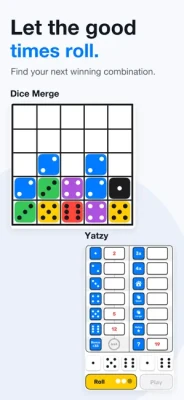
Yatzy uses five dice and combines luck with decisions about which results to keep and which to reroll. Dice Merge takes a more puzzle-oriented approach, asking players to combine dice and pursue higher scores.
12. Daily Challenges
Daily challenges offer a reason to return to the collection regularly. They can help players practise different games, set short-term goals, and build a routine around a favourite activity.
13. Offline Play and No-Advertisement Experience
The store listing describes the app as playable offline and free of banner, interstitial, and video advertisements. These features make it appealing to players who prefer uninterrupted sessions or want to play when an internet connection is unavailable.
14. Optional Premium Access
The games are free to try, while Staple Games Premium unlocks unlimited play across the full collection. Players should check the current subscription price and terms displayed in their own app store before purchasing.
All 14 Games Explained
Solitaire
Solitaire is a single-player card game built around organizing cards into the correct sequences. The goal in standard Klondike Solitaire is to move all 52 cards to the foundation piles, building each suit from Ace through King.
The challenge comes from balancing immediate moves with the need to uncover face-down cards. A move that appears useful now may leave a column difficult to manage later.
Best for: Players who enjoy classic card games, careful planning, and relaxed solo sessions.
Spider
Spider Solitaire focuses on creating complete descending sequences within the tableau. Depending on the selected version, the game may use one, two, three, or four suits.
More suits generally mean more complicated planning because cards must be arranged into matching-suit sequences to complete them efficiently.
Best for: Players who want a more demanding card puzzle.
FreeCell
FreeCell is a strategic Solitaire variant in which nearly all cards are visible from the beginning. Temporary free cells and empty tableau columns provide space for moving cards, but those spaces are limited.
Because the layout is visible, success often depends on planning a sequence of moves rather than reacting to hidden information.
Best for: Players who enjoy logical card puzzles and forward planning.
Pyramid
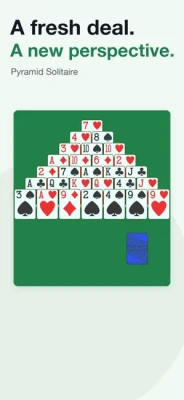
Pyramid Solitaire uses a pyramid-shaped arrangement of cards. Players remove available pairs that add up to 13, with Kings usually removed individually.
The main challenge is deciding which available cards to remove first. Clearing one card may reveal another, creating opportunities or blocking a useful combination.
Best for: Players who prefer short card puzzles with simple mathematical rules.
Sudoku
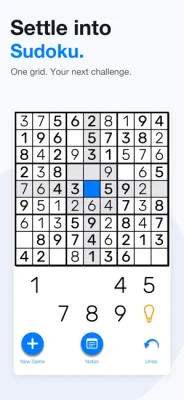
Sudoku is a number-placement puzzle. In standard Sudoku, each row, column, and 3-by-3 box must contain the digits 1 through 9 without repetition.
Although it uses numbers, Sudoku is primarily a logic game. Guessing can create unnecessary complications, while systematic elimination helps reveal where each digit belongs.
Best for: Players who enjoy concentration, deduction, and structured puzzles.
Blocks Sudoku
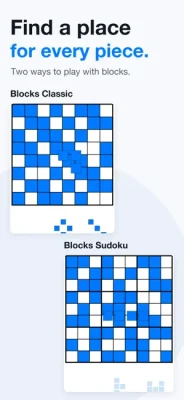
Blocks Sudoku combines block placement with Sudoku-inspired grid constraints. Players need to consider both the shape of each piece and the available space on the board.
The key is to avoid filling the grid with awkward gaps. Every placement should be judged by how it affects the remaining space and future opportunities.
Best for: Fans of grid puzzles who enjoy combining spatial reasoning with planning.
Blocks Classic
Blocks Classic challenges players to place shapes into a grid and clear lines. The available space gradually becomes more important as the board fills up.
Instead of focusing only on the current piece, successful players think about how several possible pieces might fit together.
Best for: Players who enjoy spatial puzzles and score-chasing challenges.
Numbers
Numbers is a number-matching puzzle in the Staple Games collection. Its exact mechanics should be learned from the in-game instructions, since number puzzles can use different matching and clearing rules.
Start by identifying which number combinations are valid, then look for moves that create further opportunities instead of making isolated matches.
Best for: Players who enjoy number-based puzzles and gradual problem-solving.
Jigsaw
Jigsaw is a visual puzzle in which pieces must be arranged to complete an image. Recognizing colors, edges, shapes, and recurring details can make the process easier.
Beginning with obvious pieces and gradually building connected sections is often more efficient than testing random placements.
Best for: Players looking for a calm, visual activity.
Escape
Escape is a grid-clearing puzzle involving arrows. Players need to work out which arrows can be removed or moved according to the board's constraints.
The best approach is to inspect the direction and position of each arrow before acting. A move that clears one section may open access to several others.
Best for: Players who enjoy spatial logic and sequencing challenges.
Chess
Chess is a two-player strategy game in which the objective is to checkmate the opposing king. Every piece has its own movement rules, and a strong move considers both immediate threats and longer-term positioning.
The included chess engine gives players an opportunity to practise against a computer opponent.
Best for: Players who enjoy tactical decisions, planning, and strategic improvement.
Checkers
Checkers revolves around diagonal movement, captures, and eventually promoting pieces to kings. Players must balance attacking opportunities with the risk of losing their own pieces.
The app's six computer difficulty levels allow players to begin at a comfortable level and increase the challenge as they improve.
Best for: Fans of accessible board games with meaningful tactical choices.
Yatzy
Yatzy uses five dice and a score sheet. Players typically have a limited number of rolls in each turn and decide which dice to keep while pursuing a particular scoring category.
A successful strategy balances high-value combinations with the need to avoid leaving difficult categories unfilled.
Best for: Players who enjoy dice games that mix probability, flexibility, and risk management.
Dice Merge
Dice Merge is a score-focused puzzle that revolves around combining dice. Players need to think about how individual placements affect the ability to create future merges and preserve useful space.
The strongest approach is to plan for chains of combinations instead of focusing only on the next available merge.
Best for: Players who enjoy merge mechanics and high-score challenges.
Complete Staple Games Strategy Guide
Because Staple Games contains several different genres, there is no single strategy that works for every activity. The most effective approach is to understand the rules of the selected game, identify its main objective, and make decisions that preserve future options.
General Tips for Getting Better
1. Learn the Rules Before Chasing High Scores
Spend the first few minutes understanding the objective and restrictions of each game. In a card game, you may need to build sequences or uncover hidden cards. In a grid puzzle, you may need to clear space without blocking later moves. In a board game, protecting important pieces may matter more than gaining a quick advantage.
Knowing the rules prevents avoidable mistakes and makes strategic decisions easier.
2. Think One or Two Moves Ahead
A move should be judged by more than its immediate result. Ask yourself what it will reveal, which options it will open, and what it might prevent you from doing next.
This is particularly important in FreeCell, Spider, Chess, Checkers, and block-placement puzzles. A small amount of planning can prevent a board from becoming difficult to recover.
3. Protect Your Future Options
A useful move often keeps several possible follow-up moves available. Avoid using a limited space, clearing a card, or placing a block without considering what remains afterward.
For example, an empty column in a card game can be valuable because it provides room for rearranging cards. Similarly, open space in a block puzzle can accommodate pieces that would otherwise be difficult to place.
4. Use Daily Challenges as Practice
Daily challenges can help establish a regular playing habit. Rather than rushing through them, use each challenge to practise a specific skill.
You might focus on uncovering cards in Solitaire, identifying number patterns in Sudoku, improving opening decisions in Chess, or managing space in Blocks Classic.
5. Review Mistakes Instead of Restarting Automatically
When a game becomes difficult, take a moment to identify what caused the problem. Did you block an important space? Use a useful card too early? Ignore an available capture? Choose a Sudoku number without enough evidence?
Recognizing the reason behind a mistake is more useful than simply starting again and repeating the same decisions.
6. Choose the Right Game for Your Mood
Not every session needs to be competitive. Choose a game that matches the amount of time and concentration you have available.
A short Pyramid session may suit a quick break, while Chess or a difficult Sudoku puzzle may be better when you can concentrate without interruption.
Solitaire Strategy Guide
Solitaire rewards careful management of the tableau and stock.
Reveal Face-Down Cards
Whenever possible, prioritize moves that uncover hidden cards. A newly revealed card can create additional sequences and make more of the tableau accessible.
However, do not automatically choose every reveal. Consider whether another move would preserve a more useful arrangement.
Use Empty Columns Carefully
An empty tableau column is a valuable resource because it gives you room to rearrange cards. Avoid filling it with the first available King if doing so prevents a more useful sequence from being moved.
Build Foundations with Awareness
Moving cards to the foundations helps progress toward the goal, but sometimes a card is still useful in the tableau for building a sequence. Consider whether removing it will limit your ability to move other cards.
Check Available Moves Before Drawing
Before drawing from the stock, examine the tableau for moves that could uncover cards or improve the arrangement. Taking a moment to inspect the board may reveal a better option.
Spider Solitaire Strategy Guide
Choose Moves That Build Complete Sequences
Creating descending sequences is important, but matching suits makes those sequences more useful. When possible, build same-suit runs that can eventually be removed from the tableau.
Avoid Filling Empty Columns Too Quickly
Empty columns create space for reorganizing the board. Before placing a card or sequence into an empty column, consider whether it will help uncover cards or complete a useful run.
Plan Around the Number of Suits
Games with more suits generally require more careful organization. Keep track of which cards belong to each suit and avoid creating unnecessary mixed-suit sequences that are difficult to separate later.
Reveal Hidden Cards When the Opportunity Is Strong
Uncovering a face-down card can provide valuable new information. Prioritize these opportunities when they also improve your sequence structure.
FreeCell Strategy Guide
Use Free Cells as Temporary Storage
Free cells provide flexibility, but each occupied cell reduces the number of cards you can move conveniently. Avoid filling them with cards that could remain in the tableau.
Create Empty Columns
An empty tableau column can provide more rearrangement options than a single free cell. Look for opportunities to clear a column without creating an even more difficult position elsewhere.
Identify Blocking Cards
Before making a move, determine which cards are preventing access to a sequence or foundation. Work backward from the card you need and identify the moves required to free it.
Think in Sequences
Rather than moving cards individually without a plan, identify the sequence you want to build and the temporary spaces required to create it.
Pyramid Solitaire Strategy Guide
Remove Cards That Reveal Useful Options
When two available pairs are possible, consider which choice will expose cards that create more future combinations. The best pair is not always the one that looks easiest to remove.
Keep Track of Card Values
Remember that pairs must total 13. Learning the common combinations quickly reduces the time spent calculating and lets you focus on the arrangement of the pyramid.
Avoid Making Choices Too Quickly
A visible pair may be tempting, but removing it can change which cards are accessible next. Scan the pyramid and available cards before committing to a move.
Sudoku Strategy Guide
Start with the Most Constrained Areas
Look for rows, columns, or 3-by-3 boxes that already contain many digits. These areas often have fewer possibilities and are easier to solve logically.
Use Elimination
For every empty cell, consider which digits are already present in its row, column, and box. Remove those digits from consideration and look for cells with only one possible value.
Search for Hidden Singles
A digit may have only one valid position in a row, column, or box even if its destination cell has several possible candidates. Checking each digit's possible locations can reveal these opportunities.
Avoid Guessing Too Early
Guessing can create a chain of errors that becomes difficult to trace. Continue checking rows, columns, boxes, and candidate positions before considering a speculative move.
Increase Difficulty Gradually
Use easier grids to develop a consistent solving method. As you become more comfortable, move to harder puzzles and practise recognizing more complex patterns.
Blocks Sudoku and Blocks Classic Strategy Guide
Keep the Board Flexible
Do not focus only on the piece currently in front of you. Look at the empty spaces and consider whether the remaining area can accommodate different shapes.
Clear Lines When It Improves the Position
Removing a line can open useful space, but not every line clear is equally valuable. Consider the shape of the remaining board and whether the move makes future placements easier.
Avoid Isolated Gaps
Small spaces that cannot accommodate common shapes can make a block puzzle difficult. Try to maintain connected areas where several different pieces can fit.
Use Edges and Corners Intentionally
Large pieces may be harder to fit into the middle of a crowded board. Depending on the current shapes, placing a piece near an edge or corner can help maintain a more manageable layout.
Plan for More Than One Piece
If the game presents several pieces at once, consider how they fit together before placing the first one. A move that works for the current piece may leave no suitable space for the others.
Numbers Strategy Guide
Understand the Matching Rules
Read the in-game instructions first so you know which numbers can be matched and how matches are removed. Do not assume that every number puzzle uses the same rules.
Look for Moves That Create Follow-Up Opportunities
When several valid matches are available, consider which one is likely to expose or create more useful combinations.
Watch the Board's Remaining Space
If the puzzle uses a limited grid or a growing set of numbers, avoid making moves that leave the remaining arrangement difficult to manage.
Stay Consistent
Develop a repeatable scanning routine. Examine the board in sections instead of jumping randomly between numbers, and check whether a possible move creates additional opportunities.
Jigsaw Strategy Guide
Start with Obvious Pieces
If the puzzle includes recognizable edges or distinctive colors, begin with those pieces. Building the outside boundary can make the remaining picture easier to organize.
Group Pieces by Visual Features
Look for common colors, patterns, objects, or textures. Keeping visually similar pieces in mind makes it easier to identify where they might belong.
Build Small Sections
Instead of trying to solve the entire picture at once, complete small connected groups. These sections can then be fitted together to make progress more manageable.
Use Shape and Image Details Together
A piece may share the correct color but still have the wrong shape or orientation. Compare its edges and image details before deciding where it fits.
Escape Strategy Guide
Study the Arrows Before Moving
Check the direction each arrow points and determine which pieces may be blocked. Understanding the layout before acting helps prevent unnecessary moves.
Identify the Most Restricted Pieces
Some arrows may have very few possible paths because of nearby pieces. Determine which obstacles must be removed first to create a valid route.
Work Backward from the Desired Opening
If a particular arrow cannot move, ask which neighboring pieces are preventing it from doing so. Removing those blockers in the right order can unlock the board.
Avoid Random Clearing
A move that removes one arrow may not improve access to the rest of the grid. Prioritize moves that open new routes or reduce the number of obstacles.
Chess Strategy Guide
Control the Center
In the opening, controlling central squares helps your pieces influence more of the board. Knights and bishops often become more effective when they have room to move.
Develop Your Pieces
Bring minor pieces into active positions instead of moving the same piece repeatedly without a clear reason. Development helps prepare your king for safety and creates more coordinated attacks.
Protect Your King
King safety matters throughout the game. Consider castling when appropriate, avoid weakening the squares around your king unnecessarily, and watch for direct threats.
Check for Tactical Threats
Before making a move, examine checks, captures, and attacks that could affect your position. Also ask what your opponent may threaten after your move.
Avoid Unprotected Pieces
A piece left undefended can become an easy target. Before committing to an attack, make sure you are not allowing a more valuable piece to be captured.
Learn from Computer Games
After a loss, identify the first major mistake rather than focusing only on the final position. Reviewing one important error at a time makes improvement more manageable.
Checkers Strategy Guide
Protect Your Pieces
A capture can look attractive while exposing another piece to an immediate response. Consider the opponent's available captures before moving into an aggressive position.
Look for Forced Sequences
When captures are available, inspect the resulting positions carefully. A sequence of captures can change the balance of the board, and a seemingly strong move may lead to an unfavorable exchange.
Work Toward Kings
Promoted pieces gain additional movement options under standard Checkers rules. Protecting a route to promotion can be more valuable than making a small early gain.
Control Important Squares
Try to keep your pieces connected and avoid giving the opponent easy access through the board. A coordinated group is often safer than isolated pieces.
Adjust to the Computer's Difficulty
Use easier settings to practise legal moves and basic tactics. Increase the difficulty when you can consistently recognize threats and avoid straightforward traps.
Yatzy Strategy Guide
Choose a Goal for Each Turn
Before rolling, decide which scoring category you are trying to complete. Keeping dice without a clear target can waste opportunities.
Balance Risk and Reward
A high-value combination may be worth pursuing, but it can also fail. Consider whether the current dice give you a realistic chance of improving the score or whether a more reliable category is preferable.
Keep Useful Results
When a roll contains dice that already support your target combination, hold onto them and reroll the less useful dice.
Consider the Score Sheet
Your decision should depend on which categories remain available. A roll that is valuable early in the game may be less useful later if the best matching category has already been filled.
Dice Merge Strategy Guide
Think Beyond the Immediate Merge
A merge can increase the value of a die, but the position of the resulting piece also matters. Consider where the merged dice will leave space for future combinations.
Create Space for Future Moves
Avoid allowing the board to become crowded with pieces that are difficult to combine. Preserve room for placements that could connect with existing dice.
Build Toward Larger Combinations
Whenever the rules allow it, look for arrangements that make several merges possible in succession. A chain of useful combinations can be more valuable than an isolated merge.
Learn from Failed Runs
When the board becomes difficult to manage, review the placements that caused the problem. Improving how you preserve space can lead to more consistent high scores.
Daily Challenge Tips
Daily challenges are a useful way to explore the collection and keep your skills active. The best approach is to treat each one as a small objective rather than rushing to finish.
Read the challenge instructions before starting.
Choose a quiet moment for games that require sustained concentration.
Use each challenge to practise one skill, such as card sequencing or number elimination.
If a puzzle goes wrong, review the decision that caused the difficulty.
Build a routine that fits your schedule instead of feeling pressured to play every day.
Remember that progress and enjoyment matter more than maintaining a streak at any cost.
Beginner Mistakes to Avoid
Making Moves Without a Plan
Quick decisions can remove useful cards, block a grid, or expose pieces to capture. Pause briefly and consider the likely result before acting.
Ignoring the Objective
Each game has its own win condition. Keep the main objective in mind so that you do not spend too much time on moves that look attractive but do not help complete the task.
Filling Every Available Space
In card and block puzzles, empty space can be a resource. Using it immediately may make later moves more difficult.
Guessing in Logic Puzzles
When a puzzle can be solved through deduction, guessing may introduce avoidable errors. Check the available information systematically first.
Choosing an Opponent That Is Too Difficult
In Chess and Checkers, playing against a much stronger opponent can be discouraging if you are still learning the basics. Start at a suitable level and increase the difficulty as your decision-making improves.
Treating Every Game the Same Way
A good approach in Solitaire may not help in Sudoku, and a high-score strategy in Dice Merge will not work in Chess. Learn the specific rules and goals of each activity.
Graphics, Controls, and Overall Experience
Staple Games focuses on straightforward gameplay rather than elaborate storylines, cinematic sequences, or complex character progression. Its appeal comes from familiar rules, clear objectives, and the convenience of having different types of games in one app.
The collection suits short sessions because players can choose an activity based on their available time. A quick card game can fit into a brief break, while Chess, a difficult Sudoku grid, or a challenging spatial puzzle may encourage a longer session.
The app is designed for iPhone and iPad, and its listing also describes dark mode support. Offline functionality is particularly useful for players who want to enjoy classic games while travelling or away from a reliable connection.
The main consideration is that the collection is not entirely unlimited for free. Players can try the games, but unlimited play across all 14 requires the optional Premium subscription. Anyone considering the subscription should review its current price and renewal terms before confirming a purchase.
Is Staple Games Worth Playing?
Staple Games is a strong option for players who enjoy traditional games and want a variety of activities in one mobile collection. Its mix of card games, Sudoku, block puzzles, board games, and dice challenges gives it broader appeal than an app dedicated to a single puzzle.
The absence of advertisements, offline play, and daily challenges are meaningful advantages for people who prefer a clean, distraction-free experience. The collection is also approachable because many of its games use familiar rules that can be learned without a long tutorial.
Its main limitation is the Premium model. Players who want unlimited access to every included game need to consider whether the subscription is worth the cost for their usage.
Overall, Staple Games is worth trying if you like classic card games, number puzzles, traditional board games, and relaxing mobile challenges. It is especially appealing to players who prefer simple, repeatable gameplay over complex stories or competitive online progression.
Pros and Cons
Pros
Combines 14 classic games in one app.
Includes card, puzzle, board, and dice categories.
Offers daily challenges.
Supports offline play according to the store listing.
Designed without in-game advertisements.
Includes dark mode support.
Provides several difficulty options in Checkers.
Lets players try the games before choosing Premium access.
Suitable for both short breaks and longer puzzle sessions.
Cons
Unlimited play across all 14 games requires Premium.
Players looking for a single deep game may prefer a dedicated title.
Some activities require patience and repeated practice.
Strategic games such as Chess can be challenging for beginners.
The experience varies considerably depending on which of the 14 games you prefer.
Frequently Asked Questions
What is Staple Games?
Staple Games is a mobile collection featuring 14 card, puzzle, board, and dice games, including Solitaire, Spider, FreeCell, Sudoku, Chess, Checkers, Yatzy, and Dice Merge.
Is Staple Games free to play?
The app is free to download, and each game is free to try. Staple Games Premium is available for players who want unlimited access to all 14 games. Check the current store listing for subscription pricing.
Does Staple Games have advertisements?
The app's store description states that it has no banner advertisements, interstitial advertisements, or video advertisements.
Can I play Staple Games offline?
Yes. The store listing describes Staple Games as supporting offline play, making it suitable for many sessions without an internet connection.
How many games are included?
Staple Games includes 14 games: Solitaire, Spider, FreeCell, Pyramid, Sudoku, Blocks Sudoku, Blocks Classic, Numbers, Jigsaw, Escape, Chess, Checkers, Yatzy, and Dice Merge.
Does Staple Games include Solitaire?
Yes. The collection includes the classic Klondike-style Solitaire game, along with Spider, FreeCell, and Pyramid.
Does Staple Games include Sudoku?
Yes. Sudoku includes thousands of puzzles across four difficulty levels, giving beginners and experienced players different levels of challenge.
Can I play Chess in Staple Games?
Yes. The collection includes a Chess engine that lets players practise against a computer opponent.
Is Checkers included?
Yes. Checkers is included, with six computer difficulty levels to suit different skill levels.
What are daily challenges?
Daily challenges provide fresh goals in selected games. They encourage players to return regularly and practise different activities.
Is Staple Games suitable for beginners?
Yes. Many of the included games use familiar rules, and several offer ways to adjust the challenge. Beginners can start with easier Sudoku puzzles or lower Checkers difficulty before trying more demanding challenges.
Does Staple Games require an account?
The store listing states that no account or sign-up is required.
Is Staple Games available on iPhone and iPad?
Yes. The app is listed for iPhone and iPad. Check the current App Store listing for the latest operating-system requirements and compatibility details.
Is Staple Games good for quick breaks?
Yes. The collection includes short card games and puzzle activities that can fit into a brief break, alongside deeper strategic games for longer sessions.
What is the best strategy for Staple Games?
There is no single strategy for the entire collection. Learn each game's rules, plan ahead, protect useful options, and review mistakes. For example, Sudoku rewards logical elimination, Solitaire rewards card management, and Chess rewards tactical awareness.
Final Verdict
Staple Games offers a convenient way to enjoy 14 familiar games without switching between multiple applications. Its combination of Solitaire variants, Sudoku, block puzzles, Jigsaw, Escape, Chess, Checkers, Yatzy, and Dice Merge provides plenty of variety for players who enjoy thinking games.
The most effective way to enjoy the collection is to choose activities that match your interests, learn each game's rules, and improve through practice. Use careful planning in card games, logical deduction in Sudoku, spatial awareness in block puzzles, and tactical thinking in board games.
With daily challenges, offline support, and an advertisement-free experience described in its listing, Staple Games is a worthwhile option for fans of classic mobile games. Just remember that unlimited play across the full collection is part of the optional Premium subscription, so review the current terms before purchasing.
Rate the Game
User Reviews



Popular Games



















 Android
 iOS
iOS Windows
 Xbox
Xbox