
Latest Version
October 09, 2026
PLAYSTUDIOS US, LLC
Card
Android
0
com.brainium.solitairefree
Report a Problem
More About :game
About Solitaire: Classic Card Games
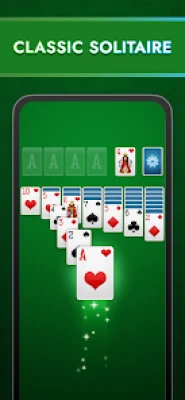
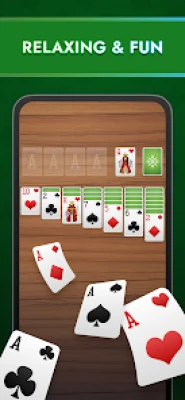
Solitaire: Classic Card Games brings the traditional Klondike card game to Android with clear visuals, simple controls, and customization options. Also known as Patience, Klondike Solitaire is a single-player card game built around planning, sequencing, and uncovering hidden cards.
The objective is to move all 52 cards into four foundation piles, one for each suit. Each pile begins with an Ace and continues in ascending order until it reaches the King. To reach that goal, you must organize the seven tableau columns, alternate card colors when building descending sequences, and use the stock pile carefully.
This version includes Draw 1 and Draw 3 modes, daily challenges, Vegas scoring, customizable card backs and backgrounds, personal statistics, and helpful gameplay tools. Whether you want a quick puzzle or a longer session, the familiar rules make it easy to start while still rewarding thoughtful decisions.
Game Information
Game title: Solitaire: Classic Card Games
Developer and publisher: PLAYSTUDIOS US, LLC
Genre: Card game, casual, strategy
Platform: Android
Game type: Single-player Klondike Solitaire
Main objective: Move every card to its correct foundation pile
Difficulty options: Draw 1 and Draw 3
Scoring: Standard and Vegas-style scoring options
Extra activities: Daily challenges and achievements
Customization: Card designs, card backs, backgrounds, and personal photos
Helpful tools: Hints, undo, and auto-complete
Offline play: Supported
Monetization: Free to play with advertisements and in-app purchases
Features and availability may change with future updates.
Story and Atmosphere
Solitaire does not rely on a traditional storyline. Its appeal comes from the quiet satisfaction of turning a difficult card layout into an organized set of completed foundation piles.
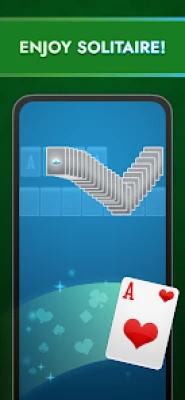
The visual presentation is designed to make cards easy to read and moves simple to understand. Smooth interactions and customizable backgrounds help create a comfortable playing environment, whether you prefer a clean, minimal table or a more personal appearance.
The atmosphere is well suited to short breaks, relaxed evenings, or longer sessions spent improving your card strategy. Each deal presents a different arrangement, so players must adapt their decisions to the cards available.
Core Gameplay Mechanics
1. The Seven Tableau Columns
At the beginning of a standard Klondike game, cards are arranged across seven columns. The top card of each column is face up, while the remaining cards are hidden.
You can move eligible cards between columns to uncover hidden cards and create useful sequences. Revealing a face-down card is often valuable because it gives you more information and additional options.
2. Building Descending Sequences
In the tableau, cards must be arranged in descending rank and alternating colors.
For example, a black 9 can be placed on a red 10. A red 6 can be placed on a black 7.
These alternating-color sequences allow you to move groups of cards together when their order is valid. Building them carefully is essential for uncovering hidden cards and organizing the board.
3. The Four Foundation Piles
The foundations are the game's final destination for all cards. Each pile represents one suit and must be built in ascending order, starting with an Ace and ending with a King.
Moving cards to the foundations makes progress toward winning. However, moving a card too early can sometimes remove a useful card from the tableau, so consider whether it may still help uncover other cards.
4. Draw 1 Mode
Draw 1 reveals one card at a time from the stock pile. This makes it easier to inspect the available card and plan a move.
It is a good starting point for beginners and players who prefer a more relaxed game. You still need to manage the stock carefully because not every card will be immediately useful.
5. Draw 3 Mode
Draw 3 reveals cards in groups of three, creating a more demanding planning challenge. The order in which cards become available can make a major difference to your options.
This mode rewards players who remember cards seen earlier and consider how using one card affects access to the next.
6. Daily Challenges
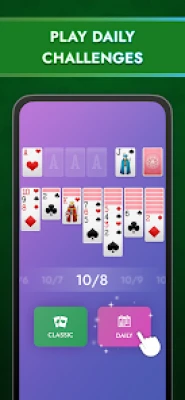
Daily challenges offer a recurring reason to return to the game. They provide specific objectives and can award rewards for completing the available challenge.
Treat each challenge as a chance to practice a particular decision-making skill rather than simply playing as quickly as possible.
7. Vegas Scoring
Vegas scoring introduces a different way to track performance. Unlike simply aiming to complete a deal, Vegas-style play places greater emphasis on the score associated with moving cards to the foundations.
Check the scoring rules presented in the app before starting a session, as the exact scoring setup can affect how you approach the game.
8. Customization and Statistics
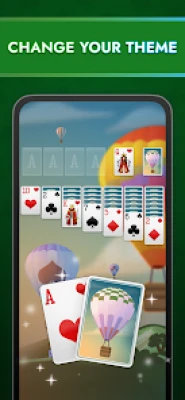
You can personalize the table with different card designs, card backs, and backgrounds. The game also includes statistics and achievements to help you track your progress.
These options do not change the basic rules, but they make the experience more personal and give regular players additional goals.
How to Play Solitaire: Classic Card Games
Follow these steps to understand the basics of a standard Klondike deal.
Find the Aces. Move available Aces to the foundation piles whenever doing so is useful.
Build tableau sequences. Arrange cards in descending order, alternating red and black suits.
Reveal hidden cards. Prioritize moves that uncover face-down cards because they expand your options.
Use the stock pile. Draw cards when no useful tableau move is available or when a stock card can improve the board.
Move cards to the foundations. Build each suit from Ace through King.
Create empty columns carefully. An empty tableau column can hold a King or a valid sequence beginning with a King.
Complete all four foundations. The game is won when every card has been moved to the correct foundation pile.
The key is to balance immediate progress with the need to keep the tableau flexible.
Complete Solitaire Strategy Guide
Beginner Strategy: Make Better Moves
Reveal Hidden Cards Early
Uncovering face-down cards is one of the most useful actions in Klondike Solitaire. Every newly revealed card gives you more information and may unlock another sequence.
When comparing two possible moves, consider which one reveals more hidden cards. A move that opens a new card may be more valuable than one that simply shifts an already visible card.
Do Not Move Every Card to the Foundations Immediately
Foundation moves are usually helpful, but some cards may be useful in the tableau for building sequences.
Before moving a card, check whether it is supporting another card or whether keeping it in the tableau could help you uncover a hidden card. Avoid sacrificing useful flexibility for progress that can wait.
Use Empty Columns Wisely
An empty tableau column is especially valuable because only a King or a sequence beginning with a King can be placed there.
Before clearing a column, think about whether you have a King available or whether the move will create a practical opportunity to rearrange cards.
Inspect the Stock and Waste Piles
Do not draw cards without considering the options already available on the table. A visible tableau move may uncover a hidden card, while a stock card may provide a useful alternative.
In Draw 3 mode, pay particular attention to the order of cards and how playing one card affects access to the others.
Use Hints as a Learning Tool
Hints can help when you are unsure what to do next. Rather than accepting every suggested move automatically, consider why it might be useful.
Over time, this helps you recognize productive moves independently.
Intermediate Strategy: Plan Several Moves Ahead
Prioritize Useful Reveals
Not every hidden card is equally important. When possible, choose a move that opens a column with several hidden cards or creates access to an important sequence.
You cannot know the value of a face-down card before revealing it, but you can maximize the number of cards you have a chance to uncover.
Preserve Important Low Cards
Low cards often become available for the foundations early, but they can also be useful for building tableau sequences. Consider the cards currently visible before committing a card to its foundation.
For example, moving a red 5 away may be unhelpful if a black 6 needs it to continue a useful sequence.
Think Before Emptying a Column
Empty spaces can help you reorganize the tableau, but they are most useful when you can fill them with a suitable King or King-led sequence.
Avoid clearing a column just because you can. Make sure the resulting space supports a useful plan.
Remember the Cards You Have Seen
Memory becomes especially valuable in Draw 3 mode. Remembering which cards have appeared can help you anticipate what may become accessible as the stock cycles.
This does not guarantee a winning deal, but it helps you make more informed choices.
Balance Foundation Progress and Tableau Flexibility
Moving cards to the foundations is part of winning, but the tableau is where many important rearrangements happen. Do not make a move without considering its effect on the rest of the board.
A useful rule is to favor moves that uncover cards, open meaningful options, or advance the foundations without blocking an important sequence.
Advanced Strategy: Improve Your Win Rate
Evaluate Multiple Possible Moves
Before committing to a move, compare the alternatives. One move may uncover a card, another may free a column, and a third may improve a foundation pile.
The best choice depends on the entire layout. Avoid assuming that the first legal move is always the strongest.
Manage Draw 3 Carefully
Draw 3 mode adds complexity because the order of the stock and waste cards matters. A card that is visible but inaccessible may become playable only after you use cards above it.
Track which cards you can reach and consider whether playing a particular card will improve your access to later cards.
Avoid Blocking Useful Sequences
Moving a card may temporarily prevent another sequence from being built. Before shifting a group, check whether the move will block access to a card needed elsewhere.
Try to preserve alternative placements whenever possible, particularly when several columns contain hidden cards.
Know When a Deal Is Stalled
Sometimes no useful move is immediately available. Recheck the tableau, the waste pile, and possible foundation moves before concluding that the game is stuck.
If the current deal cannot be completed, use it as a learning opportunity. Review the earlier moves to see whether a different choice might have revealed more cards or preserved a useful sequence.
Practice With a Specific Goal
Improvement is easier when you focus on one skill at a time. You might aim to reveal more hidden cards, use fewer unnecessary stock cycles, or make better decisions about empty columns.
Review your statistics over multiple games rather than judging your ability by a single difficult deal.
Tips for Daily Challenges
Read the challenge objective before making your first move.
Check the starting layout for columns with several hidden cards.
Prioritize moves that reveal cards or open useful sequences.
Avoid moving cards to foundations if they are still needed to reorganize the tableau.
Use hints when necessary, but try to understand the reason behind each suggestion.
Keep track of stock and waste cards, especially in Draw 3 mode.
Review the outcome and adjust your strategy for future challenges.
Daily challenges are most useful when you treat them as structured practice rather than simply another game to finish.
Common Mistakes to Avoid
Moving Cards Without a Plan
A move can be legal without being useful. Consider how it affects hidden cards, empty columns, and the sequences you may need later.
Ignoring Face-Down Cards
Players who focus only on visible cards may miss opportunities to uncover important parts of the layout. Look for moves that reveal hidden cards whenever practical.
Emptying Columns Too Early
An empty column has limited use if you cannot place a King or a sequence starting with a King. Think about how you will use the space before creating it.
Using the Stock Pile Carelessly
In Draw 3 mode, card order matters. Playing a card without considering its effect on the next cards may make useful options harder to reach.
Moving Every Available Card to the Foundations
Foundation progress is important, but the tableau sometimes needs a card to complete a sequence. Check the layout before moving it.
Rushing Through the Deal
Solitaire is a game of sequencing and planning. Taking a moment to evaluate the board can prevent moves that limit your options later.
Pros and Cons
Pros
Familiar Klondike Solitaire rules.
Draw 1 and Draw 3 difficulty options.
Daily challenges and achievements.
Standard and Vegas-style scoring options.
Helpful hints and undo tools.
Auto-complete for finishing eligible games more quickly.
Custom card backs, card designs, and backgrounds.
Option to personalize the table with photos.
Statistics for tracking progress.
Offline gameplay.
Cons
Advertisements may interrupt some sessions.
Optional in-app purchases are available.
Draw 3 can be challenging for new players.
Some deals require careful planning and may not be winnable.
The core experience may feel familiar to players looking for a more story-driven card game.
Frequently Asked Questions
What is Solitaire: Classic Card Games?
It is a mobile version of Klondike Solitaire published by PLAYSTUDIOS. Players arrange cards into descending alternating-color sequences and build four foundation piles from Ace to King.
Is Solitaire: Classic Card Games free?
The game is free to start playing and includes advertisements and optional in-app purchases.
Can I play Solitaire offline?
Yes. The Google Play listing identifies offline play as a supported feature. Some connected services or online-related features may still require internet access.
What is the difference between Draw 1 and Draw 3?
Draw 1 reveals one card at a time from the stock pile, making the available cards easier to inspect. Draw 3 reveals cards in groups of three, requiring more attention to card order and access.
How do you win Klondike Solitaire?
Move all 52 cards to four foundation piles, building each suit in ascending order from Ace to King.
What is Vegas scoring?
Vegas scoring is an alternative scoring system that changes how your performance is tracked. Check the in-game rules to understand the scoring and any associated costs or limits before starting.
How can I improve my Solitaire win rate?
Prioritize revealing hidden cards, manage the stock pile carefully, preserve useful tableau sequences, and avoid emptying columns without a plan.
What are the four foundation piles?
Each foundation pile represents one suit: hearts, diamonds, clubs, or spades. Cards must be added in ascending order, beginning with an Ace and ending with a King.
What is the purpose of an empty tableau column?
An empty column can hold a King or a sequence beginning with a King. It gives you space to reorganize cards and uncover other parts of the tableau.
Does the game offer hints and undo?
Yes. The app listing describes hints and undo options to help players explore moves and recover from mistakes. Auto-complete is also available for eligible endgame situations.
Can I customize the card designs?
Yes. The game includes different card designs, card backs, and backgrounds, with options to personalize the playing area using your own photos.
Solitaire: Classic Card Games is a comfortable mobile option for anyone who enjoys traditional Klondike Solitaire. Draw 1 provides a relaxed starting point, while Draw 3 adds a greater planning challenge. Daily challenges, Vegas scoring, customization, and statistics give players additional ways to enjoy the familiar card game.
Its simple rules make it accessible, but improving consistently requires patience, careful stock management, and an understanding of how each move affects the remaining cards. Offline support also makes it suitable for playing during travel or short breaks.
Recommended for: Fans of classic solitaire, casual card games, strategic puzzles, and relaxing offline mobile gameplay.
Rate the Game
User Reviews










Popular Games



















 Android
 iOS
iOS Windows
 Xbox
Xbox