

Latest Version
September 19, 2026
SUD Inc.
Card
Android
0
com.ansangha.drsolitaire
Report a Problem
More About :game
The game is designed for players who enjoy quiet, strategic card sessions where every move can affect the rest of the deal. Instead of competing against another player through fast reactions, you need to plan ahead, expose hidden cards, manage the stock and avoid moves that unnecessarily reduce your future options.
Dr. Solitaire Game Information
| Feature | Details |
|---|---|
| Game | Dr. Solitaire |
| Developer | SUD Inc. |
| Package ID | com.ansangha.drsolitaire |
| Genre | Card |
| Main Game | Klondike Solitaire |
| Game Type | Patience / Solitaire |
| Players | Primarily single-player |
| Platform | Android |
| Google Play Downloads | 500K+ |
| Google Play Rating | About 3.7 stars |
| Google Play Reviews | 1.2K+ |
| Content Rating | Teen |
| Monetization | Contains ads |
| Latest Google Play update | July 29, 2025 |
The current Google Play listing provides these store details and describes the game as Klondike Solitaire.
What Is Dr. Solitaire?
Dr. Solitaire is based on Klondike, one of the best-known forms of Solitaire.
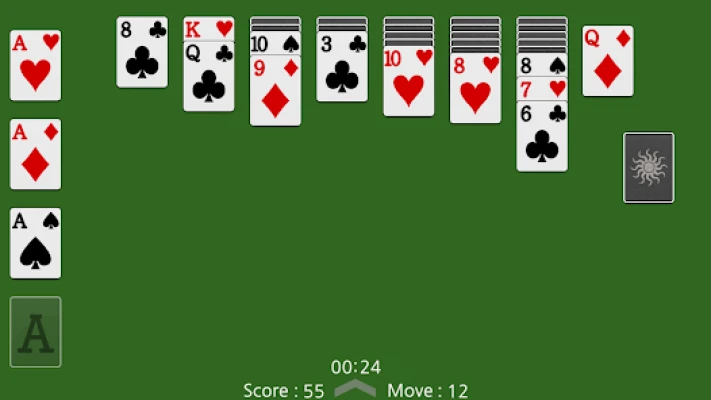
The basic objective is to move all cards into the four foundation piles, building each pile by suit from Ace through King.
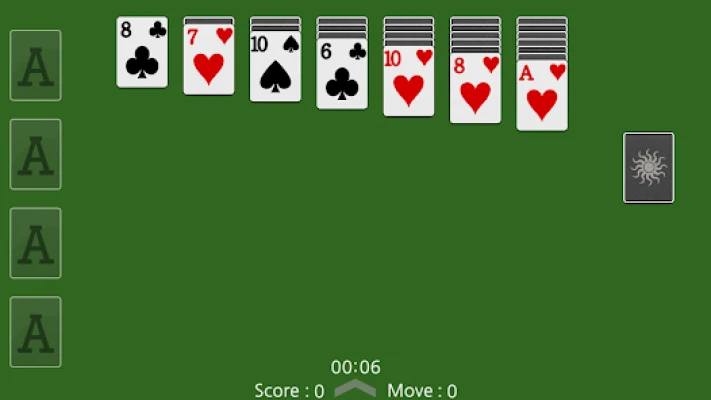
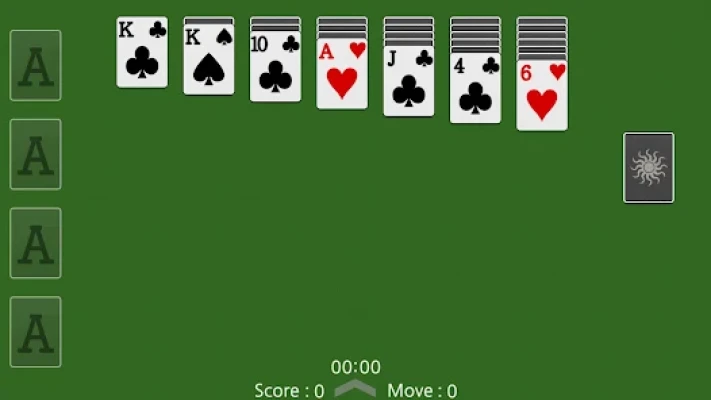
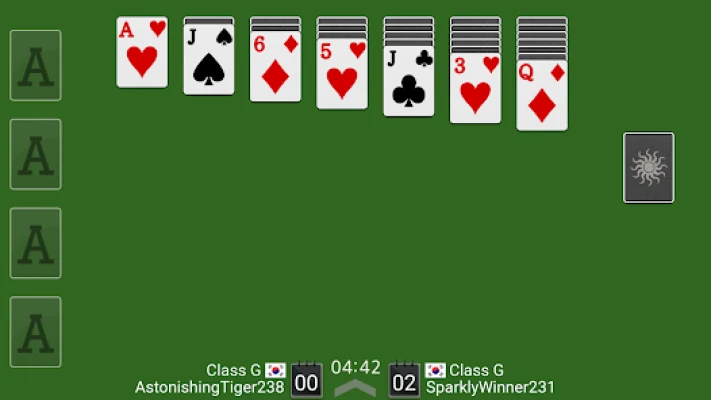
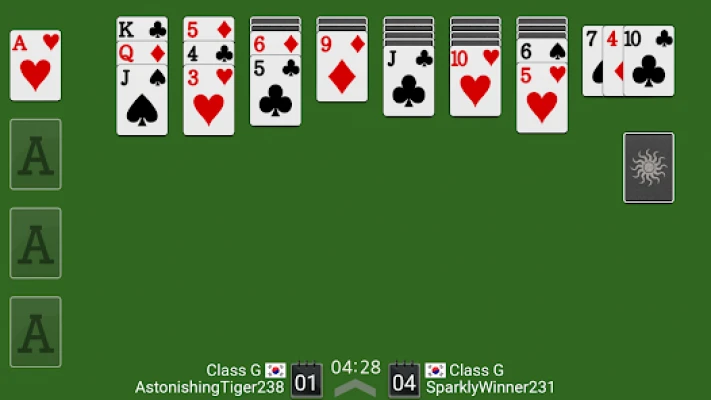
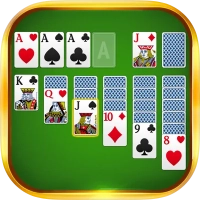
At the beginning of a traditional Klondike deal, cards are distributed across seven tableau columns. Some cards are face down, while the top card of each column is visible.
The challenge is to reveal hidden cards while maintaining enough available moves to eventually complete all four foundations.
How to Play Dr. Solitaire
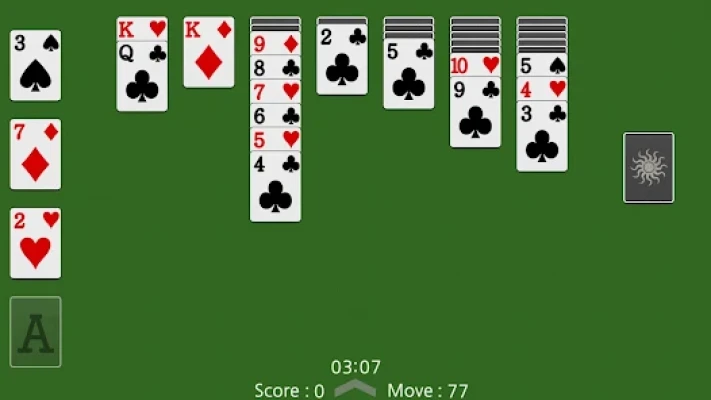
The game revolves around four main areas:
- Tableau – the seven columns where most card movement occurs
- Foundation – the four piles built upward by suit
- Stock – undealt cards
- Waste – cards drawn from the stock
Understanding how these areas interact is the key to playing efficiently.
Klondike Solitaire Rules
Cards in the tableau are generally arranged in descending order while alternating colors.
For example:
Black 10 → Red 9 → Black 8 → Red 7
You can move a properly ordered sequence together when the rules allow it.
The foundations work differently.
Each foundation begins with an Ace and continues upward:
Ace → 2 → 3 → 4 → ... → Queen → King
The four foundation piles correspond to the four suits.
The Main Goal
The ultimate objective is to move every card into the foundation piles.
However, you should not automatically move every available card to the foundation immediately.
Sometimes a card that appears ready for the foundation is more useful in the tableau because it can help uncover another card or create a sequence.
This is one of the most important strategic differences between simply following legal moves and actually playing Solitaire well.
Understanding the Tableau
The tableau is where most strategic decisions happen.
Your main objectives are:
- Reveal face-down cards.
- Create useful descending sequences.
- Empty columns when possible.
- Make Kings available for empty columns.
- Maintain access to important cards.
- Avoid blocking useful moves.
A good tableau gives you several possible moves.
A bad tableau can leave you with many cards but very few options.
Foundation Strategy
Building the foundations is necessary to win, but timing matters.
Early Game
Focus primarily on revealing hidden cards.
Middle Game
Start building foundations while continuing to reorganize the tableau.
Endgame
Move remaining cards efficiently into the foundations.
The important question before moving a card to the foundation is:
Will removing this card reduce my ability to uncover or rearrange other cards?
If the answer is yes, consider waiting.
How to Reveal Hidden Cards
Exposing face-down cards is one of the strongest priorities in Klondike.
Suppose you have a choice between:
- Moving an exposed card to the foundation
- Using that card to move another tableau sequence and reveal a hidden card
The second option may be more useful because every newly revealed card creates additional possibilities.
A useful general principle is:
Reveal information before optimizing the final arrangement.
Empty Tableau Columns
Creating an empty tableau column can be extremely valuable.
An empty column can generally be filled by a King or a sequence beginning with a King.
This gives you a place to move a blocked sequence and can open new cards.
However, don't empty a column simply because you can.
Ask:
- Do I have a King available?
- Which King would be best?
- Will moving that King expose useful cards?
- Will the empty column create additional moves?
An empty space is valuable only when you can use it effectively.
King Strategy
Kings have a special role because they can occupy empty tableau columns.
When you have multiple Kings available, don't automatically choose the first one you see.
Consider which King:
- Opens more cards
- Creates a longer sequence
- Frees another column
- Gives you more future moves
A King that looks immediately playable may not be the most useful choice.
Stock and Waste Management
The stock can provide the card you need—or create a difficult decision.
When drawing from the stock:
- Pay attention to every revealed card.
- Remember cards that become temporarily unavailable.
- Avoid wasting useful cards.
- Consider how the next draw affects the tableau.
If the game configuration allows repeated access to the stock, think about the order in which cards become available rather than treating every draw independently.
Smart Card Movement
Before moving a card, ask three questions:
What does this move accomplish?
Does it reveal a card, build a sequence or advance a foundation?
What does it block?
Could the move prevent another useful card from being accessed?
What happens next?
Always consider at least one follow-up move.
This simple habit can significantly reduce unnecessary dead ends.
Full Dr. Solitaire Strategy Guide
1. Prioritize Face-Down Cards
At the beginning of a deal, prioritize moves that reveal hidden cards.
Every face-down card represents information you do not currently have.
2. Don't Rush to the Foundation
Moving cards to the foundation feels like progress, but some cards are more useful in the tableau.
Keep flexible cards available until you are confident they are no longer needed.
3. Build Long Tableau Sequences
Long alternating-color sequences can provide useful mobility.
However, don't build a sequence simply because the cards fit.
Make sure it helps you access other cards.
4. Create Empty Columns Carefully
Empty columns can dramatically increase flexibility.
But an empty space without a suitable King can sometimes provide little immediate benefit.
5. Use Kings Strategically
If you have more than one King available, compare what each option reveals.
Choose the move that creates more future possibilities.
6. Track Important Cards
Remember where key cards are located.
For example, if you know that a particular red Queen is buried underneath several cards, you can avoid making moves that unnecessarily prevent access to it.
7. Think About Color Balance
Because tableau sequences alternate colors, the availability of red and black cards matters.
A shortage of one color can prevent otherwise obvious moves.
8. Avoid Blocking High-Value Cards
A low card may look harmless, but placing it in the wrong location can make a valuable sequence difficult to access.
Always consider the cards underneath your move.
Early-Game Strategy
The opening phase should focus on creating options.
Prioritize:
- Exposing face-down cards
- Opening columns
- Creating useful sequences
- Accessing the stock
- Avoiding unnecessary foundation moves
Don't worry about completing the foundations immediately.
Your goal is to make the board more flexible.
Midgame Strategy
The middle game is where many Solitaire deals are won or lost.
At this point:
- Several hidden cards should have been exposed.
- Tableau sequences become longer.
- Foundation piles begin growing.
- Empty columns become strategically important.
- Stock management becomes more important.
Look for combinations of moves rather than isolated plays.
For example:
Move card → expose hidden card → use new card → free column → move King
A sequence of useful moves can unlock a large portion of the tableau.
Endgame Strategy
Once most cards are exposed, the game becomes more about efficiency.
At this point:
- Foundation building becomes the priority.
- Remaining tableau sequences should be organized.
- Unnecessary movements should be avoided.
- Track the final missing cards carefully.
When only a few cards remain outside the foundations, calculate the order carefully rather than moving cards randomly.
Common Dr. Solitaire Mistakes
Moving Every Available Card to the Foundation
This can reduce tableau flexibility.
Better approach: Move foundation cards when doing so doesn't interfere with important tableau operations.
Emptying a Column Without a Plan
An empty column is useful only if you can exploit it.
Better approach: Consider your available Kings first.
Ignoring Face-Down Cards
Playing only with visible cards can leave the important cards buried.
Better approach: Prioritize moves that reveal hidden cards.
Making the First Legal Move
The first legal move is not necessarily the best move.
Better approach: Compare your available alternatives.
Forgetting the Stock
The stock can determine whether a deal remains playable.
Better approach: Think about upcoming cards rather than only the current card.
Building Sequences Without Purpose
A legal sequence can still be strategically bad.
Better approach: Build sequences that improve access and mobility.
Advanced Klondike Techniques
Preserve Flexibility
When two moves appear equally useful, prefer the one that leaves more cards accessible.
Flexibility is often more valuable than immediate progress.
Delay Irreversible Decisions
Some moves significantly change the structure of the tableau.
Before making one, check whether another move can accomplish the same objective with less risk.
Use Temporary Storage
Tableau columns can function as temporary storage locations.
Moving a sequence out of the way may expose a card underneath or create an empty column.
Think Several Moves Ahead
Instead of:
"Can I move this card?"
think:
"If I move this card, what can I move next?"
Then continue one step further.
This makes your decisions much more deliberate.
How to Improve Your Solitaire Win Rate
A better approach is not simply to play more quickly.
Try to identify why each unsuccessful deal became difficult.
After losing, ask:
- Did I miss a way to expose a hidden card?
- Did I use an empty column poorly?
- Did I move a useful card to the foundation too early?
- Did I choose the wrong King?
- Did I ignore the stock order?
- Did I create a sequence that blocked another move?
This turns each failed game into useful practice.
Beginner Dr. Solitaire Tips
- Reveal face-down cards whenever practical.
- Don't rush cards into the foundation.
- Use empty columns carefully.
- Think before moving a King.
- Build alternating-color sequences.
- Keep important cards accessible.
- Watch the stock and waste carefully.
- Compare multiple legal moves.
- Think about your next move before committing.
- Learn from deals that become blocked.
Intermediate Solitaire Strategy
Once you understand the basic rules, start thinking in terms of mobility.
A strong position is not necessarily the one with the most cards already in the foundation.
A strong position is one where you have several ways to continue.
Look for:
- Open columns
- Multiple movable sequences
- Accessible Aces
- Accessible low cards
- Useful Kings
- Exposed hidden cards
- Flexible color combinations
Advanced Solitaire Decision Making
When two moves appear equally good, evaluate their consequences.
For example:
Move A
Places a card into the foundation immediately.
Move B
Uses the same card to move a tableau sequence and reveal a hidden card.
Move A produces visible progress.
Move B may produce more information and flexibility.
The better decision depends on the position, but the important skill is recognizing that immediate foundation progress is not always the best strategic choice.
Dr. Solitaire Gameplay Experience
Dr. Solitaire keeps the presentation focused on the card game itself rather than adding a complicated progression system.
That simplicity is part of its appeal.
The Google Play listing describes it directly as a Klondike patience game, while the developer's other titles include several simple board, card and casual games.
It is suited to short sessions because a player can begin a deal without learning a complicated control system or extensive character progression.
Dr. Solitaire Offline Play
The Google Play listing describes Dr. Solitaire as a card game, while third-party app information also lists the title as an offline-capable Solitaire experience.
This makes the game suitable for players who want a traditional card-game experience without requiring continuous multiplayer interaction.
Dr. Solitaire and Klondike
Dr. Solitaire uses the Klondike form of Solitaire rather than Spider, FreeCell or another major Solitaire variant.
That distinction is important because the strategy differs considerably between these games.
Klondike revolves heavily around:
- Tableau sequencing
- Hidden-card discovery
- Foundation management
- Stock decisions
- Empty columns
- King placement
Dr. Solitaire vs. Other Solitaire Variants
| Feature | Klondike / Dr. Solitaire | Spider | FreeCell |
|---|---|---|---|
| Main structure | 7 tableau columns | 10 tableau columns | 8 tableau columns |
| Hidden cards | Yes | Yes | No |
| Foundation | Four suit piles | Suit sequences | Four suit piles |
| Empty column importance | Very high | High | High |
| King role | Important | Important | More flexible |
| Stock | Yes | Yes | No |
| Main challenge | Managing hidden information | Building suit sequences | Planning open-card moves |
Dr. Solitaire's Klondike format makes hidden-card management one of the central strategic challenges.
Is Dr. Solitaire Difficult?
The basic rules are easy to understand, but winning consistently requires more planning.
The difficulty comes from deciding which legal move is strategically useful.
A beginner may see one available move.
An experienced player sees several possible sequences and considers how each one changes the tableau.
Does Dr. Solitaire Have Multiplayer?
The Google Play listing presents Dr. Solitaire as a card game and single-player-style Solitaire experience. It does not currently advertise the real-time multiplayer feature found in some other SUD Inc. games.
Some older user reviews mention an "Online" option and describe playing against a robot, but those comments are individual user reports and should not be treated as confirmation of a current multiplayer mode.
Dr. Solitaire FAQ
What is Dr. Solitaire?
Dr. Solitaire is a digital Klondike Solitaire card game developed by SUD Inc.
What type of Solitaire is Dr. Solitaire?
It is based on Klondike Solitaire, one of the most widely recognized forms of the patience card-game family.
What is the goal of Dr. Solitaire?
The goal is to organize all cards into the four foundation piles, building each suit from Ace through King.
How many tableau columns are used in Klondike?
Traditional Klondike uses seven tableau columns.
How do you move cards in Dr. Solitaire?
Tableau cards are arranged in descending rank with alternating colors, while foundation piles are built upward by suit from Ace to King.
Should I move cards to the foundation immediately?
Not always. A card that can legally enter the foundation may still be useful in the tableau.
What should I prioritize at the beginning?
Look for moves that expose face-down cards, create useful sequences and improve access to the tableau.
How important are empty columns?
They can be extremely valuable because they allow a King or King-led sequence to be relocated, opening additional possibilities.
Why are Kings important?
Kings can generally be placed into empty tableau columns, making them essential for reorganizing the board.
How can I improve at Klondike Solitaire?
Focus on exposing hidden cards, preserving flexibility, managing the stock carefully and considering the consequences of each move before committing.
Is Dr. Solitaire free?
The Google Play listing identifies Dr. Solitaire as a game containing advertisements.
Who developed Dr. Solitaire?
Dr. Solitaire was developed by SUD Inc.
When was Dr. Solitaire last updated on Google Play?
The current Google Play listing shows July 29, 2025 as the update date.
Final Dr. Solitaire Overview
Dr. Solitaire delivers a straightforward digital version of classic Klondike Solitaire. The game's challenge comes from making good decisions with limited information: revealing hidden cards, organizing tableau sequences, managing the stock and deciding when foundation moves should be made.
The most useful principle to remember is simple:
Don't judge a move only by what it accomplishes immediately. Judge it by the options it creates afterward.
Once you begin thinking several moves ahead, using empty columns deliberately and protecting access to hidden cards, Dr. Solitaire becomes much more strategic than simply moving every available card as soon as possible.
Rate the Game
User Reviews









Popular Games



















 Android
 iOS
iOS Windows
 Xbox
Xbox