
Latest Version
October 24, 2026
Arnold Rauers
Card
iOS
0
Report a Problem
More About :game
With different heroes, unlockable cards, varied game modes, and additional challenges, Card Crawl 2 rewards players who think ahead instead of relying on luck alone. Its simple controls make it easy to start playing, while its deeper mechanics provide plenty of room for experimentation and long-term improvement.
What Is Card Crawl 2?
Card Crawl 2 is a card-based dungeon adventure that transforms solitaire into a series of tactical battles. Rather than exploring a dungeon through traditional movement and combat, you interact with cards arranged across the playing field. Each decision can affect your health, equipment, available resources, and ability to handle upcoming threats.
The central challenge is learning how to manage the cards in front of you while preparing for what might appear next. Monsters create immediate danger, useful items offer ways to recover or deal damage, and spells can provide powerful solutions to difficult situations. Equipment introduces another layer of planning, allowing you to develop strategies around the tools available during a run.
The game also expands the original formula with additional heroes and several ways to play. Whether you prefer short tactical sessions, structured challenges, or longer progression-based adventures, Card Crawl 2 offers different opportunities to refine your approach.
Main Features of Card Crawl 2
Strategic Solitaire Dungeon Battles
The game combines the familiar logic of solitaire with fantasy combat. Every card can influence the state of your run, so choosing which card to handle first is often just as important as choosing which card to use.
Four-Column Card System
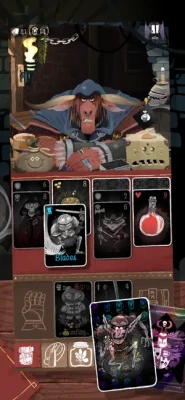
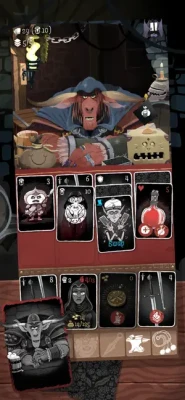
One of the biggest changes from the original game is the expanded playing field. Up to 16 cards can occupy four columns, creating more opportunities to plan attacks, manage dangerous cards, and organize your next moves.
Spells and Equipment
Spells offer additional ways to control difficult situations, while equipment provides new tactical possibilities. Learning how these systems interact can help you create more effective strategies and make difficult encounters easier to manage.
Unlockable Heroes
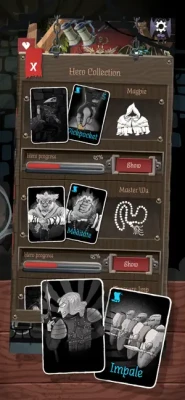
Different hero cards bring their own abilities and encourage different approaches to combat. Experimenting with heroes helps you discover which playstyles suit your preferences and which strategies work best in specific challenges.
Multiple Game Modes
Card Crawl 2 includes offline and online activities, competitive challenges, and progression-based gameplay. The Weekly Tavern Crawl gives players another reason to return and improve their performance.
Collection and Progression
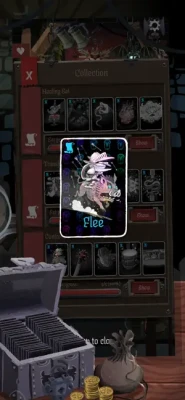
As you play, you can collect gold, unlock spells and equipment, expand your card collection, earn achievements, and discover additional content. Progression adds variety beyond simply completing individual runs.
How to Play Card Crawl 2
Understand the Playing Field
Start by examining all visible cards before making your first move. The four-column layout means that several threats and opportunities can exist simultaneously. A card that looks harmless on its own may become dangerous when combined with other cards or when a column develops unfavorably.
Pay attention to the cards that are immediately accessible, the resources available to your hero, and the options that remain after each action. Avoid treating every card as an isolated problem. Instead, consider how removing or using one card will affect the rest of the board.
Learn the Different Card Roles
Successful play begins with recognizing what each card can contribute to your strategy.
Monster cards represent threats that must be managed through combat or other available effects. Item cards provide useful resources or tactical benefits. Equipment can support your approach during a run, while spells provide additional ways to influence encounters.
Always read the card descriptions carefully. Effects can differ considerably, and understanding the exact wording helps prevent wasted actions.
Manage Health Carefully
Health is one of the most important resources in a dungeon run. Losing too much health early can leave you vulnerable when stronger enemies appear later.
Before attacking a monster, check the likely damage involved and consider whether you have a safer alternative. If you can remove a threat without taking unnecessary damage, that is usually preferable to choosing the fastest available attack.
Do not assume that every monster must be defeated immediately. Depending on the available cards and their effects, delaying an encounter or using a special ability may produce a better outcome.
Make Every Action Count
Card Crawl 2 rewards thoughtful decisions. Before using an item or spell, consider whether it solves an immediate problem or would be more valuable later.
A powerful effect used against a manageable enemy may leave you without an answer to a more dangerous encounter. On the other hand, saving every useful card indefinitely can also create unnecessary difficulties.
The goal is to use your resources when they create meaningful advantages rather than following a rigid rule about always saving or always spending them.
Complete Card Crawl 2 Strategy Guide
Best Beginner Strategy
Recommended for new players learning the basic mechanics.
The most reliable starting approach is to prioritize survival, understand card interactions, and avoid unnecessary risks.
Begin each run by inspecting the available cards. Identify immediate threats, useful items, and any opportunities to improve your position. Deal with dangerous situations before they become difficult to control, but avoid spending valuable resources when a simpler move will work.
Focus on learning one mechanic at a time. First understand combat and damage, then experiment with equipment, and finally explore more complicated spell interactions. This makes it easier to recognize why a particular decision succeeds or fails.
Do not judge a strategy solely by how quickly it clears the board. A slower approach that preserves health and useful resources may be much more effective over the entire run.
Advanced Card Management
The expanded four-column board makes planning especially important. Every move can change which cards are accessible and which threats deserve immediate attention.
Look for moves that accomplish more than one objective. For example, an action might remove a dangerous monster while also improving access to another useful card. These efficient plays help you maintain control without exhausting your options.
Avoid concentrating exclusively on one column. Check the entire board regularly, because another column may contain a more urgent threat or a better opportunity.
When several moves seem equally useful, prefer the one that leaves you with the greatest number of future options. Flexibility is valuable when upcoming cards are uncertain.
How to Defeat Strong Monsters
Stronger monsters require careful preparation rather than automatic attacks.
Check the monster's strength and any special effects before committing to combat. Estimate whether your current resources are sufficient and identify possible alternatives if the encounter becomes unfavorable.
Use equipment and spells according to their actual effects. A defensive option may be preferable when your health is low, while an offensive ability can be more effective when eliminating a monster prevents further damage.
Whenever possible, prepare for a difficult encounter before spending your strongest resources elsewhere. The best time to plan for a dangerous enemy is before it becomes an immediate emergency.
How to Use Spells Effectively
Spells can provide valuable answers to difficult board states, but their effectiveness depends on timing and context.
Read each spell's description and identify its main purpose. Some effects may help with combat, while others can influence card positioning or create opportunities that would otherwise be unavailable.
Avoid using a spell simply because it is available. First consider whether a normal action can achieve the same result. If the spell offers a significantly better outcome, using it may be worthwhile.
Experiment with combinations as you unlock more cards. Certain effects may become especially valuable when used alongside particular items, heroes, or board situations. Keep track of combinations that consistently improve your runs.
Equipment Strategy and Loadout Planning
Equipment introduces another layer of decision-making because it can change how you approach combat and resource management.
Choose equipment based on what your current strategy needs rather than assuming that one type of item is always superior. If your main difficulty is surviving encounters, prioritize effects that help you manage damage or preserve health. If you can already survive comfortably, offensive or utility-focused options may offer more value.
Pay attention to the timing and conditions of equipment effects. An item is only as useful as the opportunities you have to benefit from it.
As you gain experience, evaluate equipment by its practical contribution to a run instead of its appearance or rarity alone.
Gold Management Tips
Gold contributes to the game's progression and collection systems, making it worth managing thoughtfully.
Collect gold when doing so does not create an unreasonable risk. At the same time, avoid pursuing every possible reward if it leaves your hero in a dangerous position.
When you have opportunities to spend gold, consider the potential long-term value of the purchase. An upgrade or unlock that supports your preferred strategy may be more useful than an option that offers only a small immediate advantage.
Remember that surviving a run is often more valuable than gaining a little extra currency at the cost of significant health or essential resources.
How to Improve Your Win Rate
Improvement comes from identifying repeated mistakes and learning which decisions produce reliable results.
After a failed run, think about the moment when the situation became difficult. Did you take unnecessary damage? Did you use an important spell too early? Did you overlook a safer move in another column?
Changing one habit at a time makes it easier to understand what improves your performance.
Try different heroes and equipment combinations rather than relying on the same approach for every challenge. A strategy that works well in one situation may be less effective when the available cards or gameplay rules change.
Most importantly, learn to distinguish between a genuinely unavoidable setback and a mistake that can be corrected next time.
Best Strategies for Different Game Modes
Classic Mode
Classic gameplay is a useful place to develop a strong foundation. Concentrate on understanding the board, managing damage, and learning how different cards interact.
Avoid experimenting with too many unfamiliar mechanics simultaneously. Once you become comfortable with the basics, gradually test more specialized strategies.
Daily Challenges
Daily challenges can encourage you to adapt to specific conditions rather than relying on a familiar routine.
Read the challenge rules before beginning. If a particular modifier changes how cards behave or affects your available resources, adjust your strategy accordingly.
Treat each attempt as a learning opportunity. Even an unsuccessful run can reveal useful information about how a challenge works.
Weekly Tavern Crawl
The Weekly Tavern Crawl provides a competitive reason to refine your decisions and compare your results with other players.
Focus on consistency rather than taking unnecessary risks for a potentially impressive result. Reliable card management, efficient resource use, and careful attention to the board can make a significant difference over repeated attempts.
If you struggle with a particular challenge, review your decisions and experiment with alternative approaches when another attempt is available.
Journey Mode
Journey mode adds a longer progression-based challenge with increasing difficulty and additional gameplay modifiers. The official game updates describe Tavern Blessings and Curses as part of this mode.
The key is to adapt as conditions change. A strategy that works early in a journey may become less effective when new restrictions or stronger threats appear.
Pay attention to the modifiers affecting each stage and make decisions that support your survival over multiple encounters. Avoid building your entire approach around a single interaction if changing conditions could undermine it later.
Adventure Mode
Adventure mode features a series of five single-deck runs, with variable difficulty and gameplay modifications. Players choose a hero, visit five of seven taverns, and encounter events between taverns that can improve their deck or introduce additional challenges.
Plan for the entire adventure rather than focusing exclusively on the next fight. Consider how a choice might affect later encounters, and be selective about taking on additional difficulty.
Because each adventure can present different conditions, flexibility is more valuable than following the same strategy every time.
Common Mistakes to Avoid
Ignoring the Other Columns
Focusing on only one part of the board can cause you to overlook dangerous monsters or useful opportunities elsewhere. Check all four columns before making important decisions.
Wasting Spells
Using a valuable spell on a manageable problem can leave you without an effective answer later. Compare the spell's benefit with the alternatives before committing.
Taking Unnecessary Damage
An aggressive move is not automatically the best move. Consider whether a different action could achieve the same objective with less risk.
Choosing Equipment Without a Plan
Equipment should support your approach to the current run. Select options that address your weaknesses or improve a strategy you can realistically execute.
Chasing Gold at Any Cost
Extra rewards are useful, but they should not take priority over survival. Evaluate the risk involved before pursuing an optional reward.
Repeating the Same Failed Strategy
If a particular approach repeatedly leads to defeat, change something. Experiment with card order, spell timing, equipment choices, or hero selection to discover a more reliable solution.
Tips for Unlocking More Cards and Content
Progression is an important part of Card Crawl 2, and expanding your collection gives you more opportunities to experiment.
Complete available challenges and explore different game modes.
Work toward achievements that match your current skill level.
Experiment with unlocked heroes to understand their abilities.
Learn how newly acquired spells interact with familiar cards.
Try different equipment combinations instead of immediately settling on one setup.
Pay attention to the rewards offered by each activity.
Use repeated runs to improve your understanding of difficult encounters.
Unlocking more content is useful, but mastering the cards you already have is equally important. A well-understood set of tools can be more effective than a larger collection used without a clear strategy.
Is Card Crawl 2 Worth Playing?
Card Crawl 2 is a strong choice for players who enjoy strategic card games, solitaire-inspired puzzles, and fantasy dungeon encounters. Its larger board creates more complex decisions than a simple card-clearing game, while spells, equipment, and hero abilities add meaningful variety.
The game is particularly appealing to players who enjoy learning through experimentation. There is no single move that solves every situation, and success often depends on understanding how several mechanics work together.
Its range of game modes also provides reasons to keep playing after learning the basics. Casual players can focus on individual runs, while more experienced players can pursue tougher challenges and competitive scores.
Players looking for a traditional action RPG with direct character movement and real-time combat may prefer another genre. Card Crawl 2 is primarily about planning, card interactions, and resource management.
Card Crawl 2 Frequently Asked Questions
What type of game is Card Crawl 2?
Card Crawl 2 is a solitaire dungeon crawler that combines tactical card battles, resource management, spells, equipment, and unlockable heroes.
Is Card Crawl 2 a sequel?
Yes. It is the official sequel to Card Crawl and expands the original game's formula with a four-column board, up to 16 cards in play, equipment, and additional gameplay options.
Can you play Card Crawl 2 offline?
The game offers offline and online game modes. Availability of particular online features may depend on connectivity.
How many cards can appear on the board?
The expanded playing field can contain up to 16 cards arranged across four columns.
How do you win more often in Card Crawl 2?
Study the board before acting, manage health carefully, save valuable resources for situations where they matter, and learn how your spells, equipment, and hero abilities interact.
What is the best hero in Card Crawl 2?
There is no universally best hero for every situation. The most effective choice depends on the hero's abilities, the available cards, the game mode, and your preferred strategy. Experiment with different heroes to find the playstyle that suits you best.
What is the difference between Journey and Adventure modes?
Journey is an ongoing progression-based mode with increasing difficulty and Tavern Blessings and Curses. Adventure consists of five single-deck runs, with choices and events between taverns that can affect the rest of the adventure.
Does Card Crawl 2 have long-term progression?
Yes. Players can expand their collections, unlock spells and equipment, discover heroes, earn achievements, and explore additional challenges.
Is Card Crawl 2 beginner-friendly?
The basic concept is easy to understand, but mastering the card interactions takes practice. New players can start by learning combat and resource management before moving on to advanced combinations.
Final Thoughts on Card Crawl 2
Card Crawl 2 succeeds by turning a familiar card-game concept into a thoughtful dungeon adventure. Its four-column layout creates more tactical possibilities, while equipment, spells, and hero abilities encourage players to develop different approaches.
The best way to improve is to remain patient, evaluate the entire board, and make decisions based on their long-term consequences. Avoid unnecessary damage, learn from failed runs, and experiment with different combinations as your collection grows.
Whether you are starting your first dungeon run or trying to improve your performance in more demanding modes, understanding the game's mechanics is the foundation for consistent progress. With practice and careful planning, every run becomes an opportunity to discover a better strategy.
Rate the Game
User Reviews



Popular Games



















 Android
 iOS
 Windows
 Xbox