


Latest Version
September 16, 2026
ABI GLOBAL LTD.
Puzzle
iOS
0
Report a Problem
More About :game
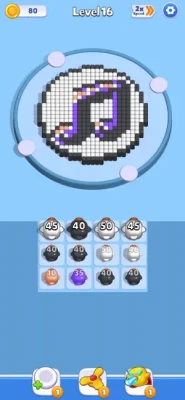
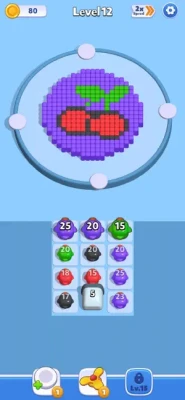
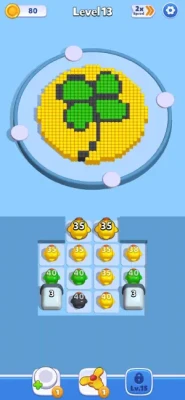
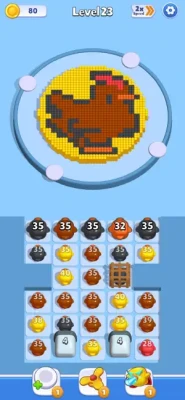
The game is published by ABI GLOBAL LTD. and is listed in the Puzzle category on the App Store. It features hundreds of colorful pixel puzzles and a relaxing presentation with satisfying visual and sound effects.
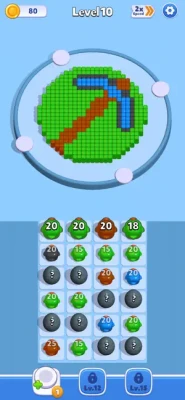
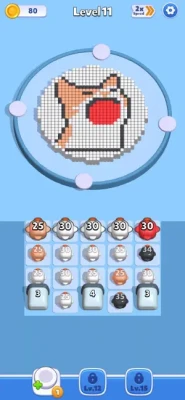
The central challenge is simple to understand but becomes more strategic as the boards become crowded: you need to sort the correct ducks, manage the rotating ring, and make useful matches before the available space becomes a problem.
How to Play Dizzy Duck Blaster
The gameplay follows three basic stages:
- Pick the right color ducks from the grid.
- Load the rotating ring with the selected ducks.
- Match and blast matching colors to destroy the pixel-art structure.
The objective is to clear the pixel puzzle by making smart color combinations rather than simply tapping ducks as quickly as possible.
Main Features
Color Sorting Puzzles
The first part of every puzzle is identifying ducks of the right colors and deciding which ones should be selected first.
Color recognition becomes increasingly important when multiple colors are available at the same time.
Rotating Ring
Selected ducks are sent toward a rotating circular ring. This gives the matching system a different feel from a traditional static match-three puzzle.
Because the ring is constantly part of the action, you need to consider how your current selections will affect the next available combination.
Match and Blast
Matching colors allows you to blast sections of the pixel-art board. The objective is to use your available ducks efficiently so that the artwork can be cleared.
Pixel-Art Boards
The game contains hundreds of colorful block structures to destroy. Each board gives the sorting mechanic a visual goal: clear enough of the blocks to complete the puzzle.
Relaxing ASMR Presentation
Dizzy Duck Blaster combines bright visual effects with soothing sounds and satisfying pops, giving the game a relaxing ASMR-style presentation.
Full Dizzy Duck Blaster Strategy Guide
1. Study the Board Before Tapping
Don't immediately start selecting ducks.
Take a quick look at the grid and identify:
- Which colors are most common
- Where matching ducks are positioned
- Which colors appear to be needed for the next blast
- Which selections could create useful combinations
- Whether selecting a particular duck will make the remaining board harder to manage
A short scan can prevent inefficient moves.
2. Look for Matching Colors First
The main objective is to create useful color matches.
If several ducks of the same color are already easy to access, consider building that combination before collecting unrelated colors.
The fewer unnecessary ducks you place into the ring, the easier it is to maintain control.
3. Don't Collect Colors Without a Plan
One of the easiest ways to make a puzzle difficult is to load the ring with several unrelated colors.
Before selecting a duck, ask:
"What will this duck help me match?"
If you don't have a clear answer, another move may be more useful.
4. Plan Around the Pixel Blocks
Don't look only at the ducks.
Look at the pixel structure you're trying to destroy.
A useful match should ideally help remove a meaningful section of the board. When you have more than one possible color combination, consider which one will make the greatest progress.
5. Use the Ring Efficiently
The rotating ring is central to the game's identity.
Try to think about the ring as limited working space rather than simply a place to store ducks.
Every selection should contribute toward an eventual match.
Avoid filling it with colors that have no obvious combination.
6. Build Matches Before the Board Becomes Crowded
As the puzzle develops, available options can become less convenient.
Creating matches early can keep the board under control and make later selections easier.
A good rhythm is:
Sort → match → blast → reassess.
Don't commit to a long sequence of selections without checking what has changed.
7. Prioritize Useful Colors
If several colors are available, identify which one currently offers the clearest route to a match.
For example, if one color already has several accessible ducks while another color is scattered across the board, the first color may be the safer immediate target.
This isn't about always choosing the largest group; it's about choosing the group that can be completed efficiently.
8. Think About Your Next Match
Strong play doesn't stop at the current combination.
After identifying a potential match, check what you expect to do next.
A good move should ideally leave you with another useful option rather than forcing you to start from scratch.
9. Clear Difficult Areas Methodically
When a pixel structure becomes awkward to clear, avoid random color selection.
Instead:
- Identify the colors that can produce useful matches.
- Find those ducks on the grid.
- Select the safest combination.
- Complete the match.
- Observe what changes.
- Reassess the remaining pixel blocks.
This makes complicated boards easier to understand.
10. Don't Rush Easy Levels
Early puzzles are useful for learning how the rotating ring behaves.
Use them to develop quick recognition of:
- Duck colors
- Matching patterns
- Ring positioning
- Board changes
- Efficient selection order
Good habits developed early become valuable when later puzzles become more complicated.
Advanced Dizzy Duck Blaster Strategy
Think in Color Chains
Instead of viewing each match as an isolated event, think about what it enables afterward.
For example:
Blue match → clears blocks → exposes new area → reveals useful color → creates next match.
This type of chain thinking helps you get more value from each selection.
Avoid Premature Matches
A match can be available now without necessarily being the best move.
Before completing it, consider whether waiting would allow you to create a more useful combination or expose a better section of the pixel structure.
The strongest move is often the one that creates the most options afterward.
Keep Your Options Open
Try not to commit all of your available choices to one color unless you're confident it will produce the desired result.
Maintaining flexibility is particularly useful when the board contains several competing colors.
Focus on Board Progress
A large number of matches does not automatically mean efficient progress.
Your real objective is to clear the pixel artwork.
When deciding between two possible combinations, consider which one contributes more directly to clearing the remaining structure.
Dizzy Duck Blaster Tips and Tricks
- Scan the board before selecting ducks.
- Look for easy color groups first.
- Avoid collecting random colors.
- Think about the rotating ring before every selection.
- Keep future matches in mind.
- Prioritize combinations that clear useful sections of the pixel board.
- Reassess the puzzle after every major blast.
- Don't assume the first available match is always the best.
- Use easy levels to learn the color patterns.
- When the board becomes crowded, slow down and plan.
- Look for chain reactions and follow-up combinations.
- Keep your selections focused instead of mixing too many colors.
- Pay attention to what becomes available after each blast.
Common Mistakes
Tapping Ducks Too Quickly
Speed can be useful, but random tapping can leave you with a poor selection of colors.
Take a moment to identify your intended match.
Ignoring the Pixel Structure
It is easy to become focused on sorting ducks and forget that the ultimate objective is clearing the pixel-art puzzle.
Always connect your color choices to board progress.
Loading Too Many Different Colors
A ring filled with unrelated colors gives you fewer useful options.
Whenever possible, work toward recognizable combinations.
Making Every Available Match
Not every possible match needs to be completed immediately.
Consider what each match will reveal and whether it helps the overall puzzle.
Forgetting to Reassess
After a successful blast, the puzzle state changes.
Don't blindly continue the same plan. Scan the board again.
Focusing Only on One Color
While building a color combination is useful, becoming too focused on one color can cause you to overlook a better opportunity elsewhere.
How to Beat Harder Pixel Puzzles
When a level becomes difficult, use a structured approach.
Step 1: Identify the Target
Look at the remaining pixel blocks and determine which area needs the most attention.
Step 2: Find Useful Colors
Search the grid for ducks that can create matching combinations.
Step 3: Check the Ring
Make sure your next selection fits into a useful matching plan.
Step 4: Make One Controlled Move
Choose the combination that offers the clearest immediate progress.
Step 5: Watch the Result
See which blocks disappear and what new options become available.
Step 6: Rebuild Your Plan
Don't assume the next move should follow the original plan. Use the newly changed board to determine your next target.
A Simple Winning Routine
For a reliable approach, follow this pattern on each puzzle:
Scan → Sort → Match → Blast → Reassess.
Scan
Look over the entire puzzle.
Sort
Identify the most useful duck colors.
Match
Build an efficient color combination.
Blast
Use the match to destroy pixel blocks.
Reassess
Look at the new board and choose your next objective.
This simple routine keeps the game organized even when the puzzle becomes more complicated.
Dizzy Duck Blaster Progression
The App Store describes Dizzy Duck Blaster as offering hundreds of colorful pixel puzzles, with increasing opportunities to test sorting and planning skills.
The progression is less about learning complicated controls and more about becoming better at recognizing efficient color combinations and managing the puzzle state.
As levels become harder, careful planning becomes increasingly important.
Player Feedback
The current App Store page shows a small number of ratings, so the displayed rating should be treated as limited user feedback rather than a broad measure of the game's overall reception. The visible reviews include comments about repeated puzzle layouts at later stages.
That is useful context for players who are specifically looking for a large variety of unique puzzles rather than a repeating puzzle structure.
Updates and Current Version
The App Store currently lists version 1.1.2, with recent version-history entries focused on performance optimization and bug fixes. The same update pattern appears across several recent releases.
Future updates may change puzzle variety, performance, or individual level layouts, so players should expect the experience to evolve.
Platforms and Requirements
Dizzy Duck Blaster is listed for iPhone and iPad, with Apple Vision support also shown on the App Store. The listing requires iOS 15.0 or later on iPhone and iPadOS 15.0 or later on iPad. Compatible Mac use requires macOS 12.0 or later with an Apple M1 chip or later.
The game is free to download and includes advertising and optional in-app purchases.
Frequently Asked Questions
What is Dizzy Duck Blaster?
Dizzy Duck Blaster is a color-sorting puzzle game that combines matching mechanics with arcade-style pixel blasting.
How do you play Dizzy Duck Blaster?
Select ducks of the appropriate colors, send them into the rotating ring, create matching combinations, and use those matches to blast pixel blocks.
Is Dizzy Duck Blaster a match-three game?
It uses a matching system based on color combinations, but combines it with duck sorting, a rotating ring, and pixel-art destruction rather than following a traditional static match-three format.
What is the main goal?
The goal is to strategically sort the ducks and create matching color combinations that clear the pixel-art structures.
Does Dizzy Duck Blaster have many levels?
The App Store describes the game as having hundreds of colorful pixel puzzles.
Is Dizzy Duck Blaster relaxing?
The game is specifically presented with relaxing ASMR-style sounds, satisfying pops, and bright visual effects.
Is Dizzy Duck Blaster free?
Yes. The App Store lists the game as free with advertising and optional in-app purchases.
Can I play Dizzy Duck Blaster on iPad?
Yes. The App Store lists both iPhone and iPad compatibility.
What is the best strategy for difficult puzzles?
Study the board first, group matching colors carefully, avoid filling your options with unrelated ducks, and focus each blast on meaningful progress toward clearing the pixel artwork.
Final Thoughts
Dizzy Duck Blaster gives color-sorting puzzles an unusual arcade twist by combining ducks, a rotating ring, and pixel-art destruction. The basic controls are easy to understand, but successful play depends on making deliberate choices rather than simply selecting whatever color is closest.
The most useful habit is to look ahead before loading the ring. Identify the colors you can realistically match, consider how the next blast will affect the pixel board, and reassess the puzzle after every major move.
With hundreds of colorful puzzles, relaxing ASMR-style effects, and a distinctive mix of sorting and blasting mechanics, Dizzy Duck Blaster offers a casual puzzle experience that rewards observation, planning, and efficient color matching.
Rate the Game
User Reviews











Popular Games



















 Android
 iOS
iOS Windows
 Xbox
Xbox