




Latest Version
October 23, 2026
Supercent, Inc.
Casual
iOS
0
Report a Problem
More About :game
What Is The Miasma: Idle Survival?
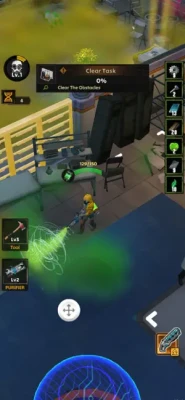
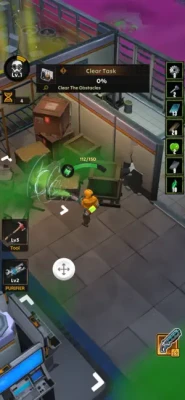
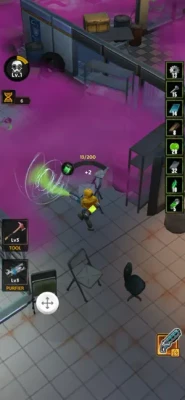
The Miasma: Idle Survival takes place in a devastated world where toxic miasma has made large areas dangerous for human life. Civilization has collapsed, and the remaining hope rests on the legendary Miracle Tree, a powerful source of purification that can help restore the environment.
As a survivor and guardian of this effort, you must develop your base, collect essential materials, and gradually expand the areas where people can live safely. Progress involves more than gathering resources. You also need to improve equipment, discover new locations, grow food, and complete objectives that unlock additional content.
The game combines resource management with exploration and environmental restoration. You can spend time improving your facilities or venture into hazardous areas to find materials that are difficult to obtain elsewhere.
The central challenge is to make steady progress without neglecting the resources and upgrades needed for future discoveries.
Main Features of The Miasma: Idle Survival
The Miracle Tree and Environmental Purification
The Miracle Tree is at the heart of the game's world. Its growth and purification abilities represent the main path toward restoring damaged land. Collect the materials needed to support its development and prioritize objectives that expand the safe environment.
Resource Gathering and Crafting
Collect materials from the environment and use them to develop tools, produce useful items, and unlock new crafting options. Resource gathering supports nearly every part of progression, so keeping a reliable supply of essential materials is important.
Farming and Food Production
Farming introduces another layer of resource management. Grow available crops, improve your production facilities, and use harvested materials to support your ongoing activities.
The game's later updates have introduced additional crops and expanded farming-related areas, giving players more opportunities to develop their production systems.
Exploration of Dangerous Zones
Beyond the safer areas, the toxic wasteland contains valuable resources and new challenges. Exploring these locations can help you discover materials, unlock objectives, and advance through the game's world.
Preparation matters because entering unfamiliar areas without the right equipment can make exploration more difficult.
Tools and Equipment Upgrades
Tools determine how efficiently you can gather certain materials and interact with the environment. Improving your equipment helps you work through obstacles and access resources that may be unavailable with basic tools.
The game has introduced additional tools, including a saw used to cut vines and harvest tomatoes in expanded areas.
New Areas and Dungeon Exploration
Progression opens up additional environments, including areas within the Tech Layer and deeper dungeon sections. New locations provide fresh objectives, resources, and opportunities to advance your facilities.
NPCs and Story Discovery
Characters encountered throughout the game help give the ruined world more context. Exploring new facilities and completing objectives can introduce new NPCs and reveal more about the setting.
How to Play The Miasma: Idle Survival
Begin by Following Available Objectives
Start with the instructions and missions presented in the game. These objectives help introduce the core mechanics and show you which resources, tools, and facilities you need to develop first.
When several activities are available, prioritize those that unlock new capabilities rather than collecting materials without a clear purpose.
Gather Essential Materials
Explore the accessible environment and collect resources that support your immediate objectives. Pay attention to materials required for upgrades and crafting, especially when a mission specifies a particular item.
If you are repeatedly short of one resource, make collecting it a priority before moving on to unrelated tasks.
Develop Your Tools
Upgrade your available tools when doing so helps you gather resources faster or overcome obstacles. Stronger or specialized equipment can make later areas more manageable.
Check which materials an upgrade requires before spending your supplies. This helps you avoid using scarce resources on improvements that do not support your current goal.
Expand Your Facilities
Use gathered materials to improve the facilities and systems available to you. As your base develops, new production options and exploration opportunities may become accessible.
Build with progression in mind. An upgrade that unlocks another area or important tool can be more valuable than a small improvement that does not advance your current objectives.
Explore New Locations
Once you have suitable equipment and the necessary supplies, explore areas beyond your starting zone. Search for useful materials, interact with available objects, and pay attention to new tasks.
After discovering a new location, check whether it introduces additional crafting recipes, crops, tools, or objectives that can improve your overall progress.
Full Strategy Guide for The Miasma: Idle Survival
Prioritize Progression Over Random Gathering
One of the most useful strategies is to gather resources with a specific goal in mind. Collecting everything you encounter may seem productive, but it can leave you without the materials needed for an important upgrade.
Before beginning a gathering session, check your active objectives and identify the next item you need to craft or facility you need to improve. Collect those materials first, then use any remaining time to build up your reserves.
This approach keeps your progress focused and reduces unnecessary trips between areas.
Upgrade Tools That Remove Obstacles
Tools are essential for interacting with the environment. When you encounter a barrier or resource that your current equipment cannot handle, determine whether a tool upgrade or a new tool is required.
Prioritize equipment that opens access to additional resources or locations. These upgrades often have a broader impact than improvements that only make an existing task slightly faster.
Keep track of specialized tools as you unlock them. For example, the saw introduced in later updates allows you to cut through vines and harvest tomatoes in the expanded areas. If a new region contains unfamiliar obstacles, investigate whether your available tools are sufficient before committing to a long exploration session.
Develop the Miracle Tree Systematically
The Miracle Tree is central to the game's environmental restoration theme. Treat its development as a major progression goal rather than an optional side activity.
Whenever an objective requires resources for the tree or purification system, consider completing it before spending those resources on less important improvements. Expanding purified areas can support your broader development and provide access to additional activities.
If progress slows, check the tree's requirements, review your available missions, and identify which prerequisite remains incomplete. This is more effective than repeatedly performing the same activities without checking what is blocking advancement.
Balance Exploration With Base Development
Exploration provides access to new materials and objectives, but your facilities and tools determine how efficiently you can use those discoveries.
Alternate between exploration and development. Gather the resources required for your next upgrade, return to your base, improve your equipment or production systems, and then venture out again with a clearer objective.
This cycle helps prevent situations where you discover valuable materials but lack the tools or crafting options needed to use them.
Build a Reliable Farming Routine
Farming is useful for maintaining a steady supply of crops and supporting resource production. Check which crops are available, what they require, and whether harvested materials contribute to your current objectives.
When you unlock new crops, experiment with them according to the available recipes and production requirements. Avoid investing heavily in a crop simply because it is new; prioritize those that support useful upgrades or unlock further progression.
The game's expanded farming areas and additional crop options make it worthwhile to revisit production as new regions become available.
Manage Resources Before Crafting
Crafting can consume materials that are also needed for upgrades and mission objectives. Before producing an item, check whether the same ingredients are required elsewhere.
A practical method is to divide your resources mentally into three groups: materials needed for immediate objectives, materials reserved for planned upgrades, and surplus materials available for optional crafting.
You do not need to maintain a perfect inventory. Simply checking your upcoming requirements before spending scarce items can prevent unnecessary delays.
Explore the Tech Layer Carefully
The Tech Layer contains expanded areas and additional progression opportunities. The Tomato Greenhouse and Bridge are examples of locations introduced through updates, alongside new crops, blueprints, craftable items, and NPCs.
When entering a newly accessible area, look for interactable objects, obstacles, resource nodes, and mission-related items. Check whether you need a specialized tool before attempting to clear every obstacle.
If you cannot progress through an area, review your available tasks and crafting options. A missing tool or prerequisite may be the real obstacle rather than a lack of gathering effort.
Make the Most of Dungeon Exploration
Dungeons provide an additional exploration path as you advance through the game. Before entering a deeper section, make sure your equipment and tools are appropriate for the challenges you have already encountered.
Approach unfamiliar areas methodically. Explore accessible sections, collect useful resources, and note any obstacles that prevent further progress.
If a deeper area proves difficult, return to your facilities and improve the equipment or capabilities relevant to the challenge. Progression often becomes easier when you strengthen your preparation instead of repeatedly attempting the same obstacle.
Keep Track of Mission Requirements
Missions can guide you toward new areas, upgrades, and crafting opportunities. If progress appears to stop, open the mission interface and review every available objective.
Pay particular attention to requirements that involve tool levels, facility upgrades, collected materials, or interactions in newly unlocked areas.
Some players have reported progression stalls or missing follow-up tasks in App Store reviews. If you have completed all visible objectives but cannot unlock the next upgrade, check for game updates and revisit recently expanded areas before assuming that you have missed a hidden task.
Handle Progression Stalls Efficiently
If you cannot upgrade a purifier, tool, or other facility, follow a simple troubleshooting process.
First, check whether the upgrade requires a particular mission or prerequisite. Next, inspect your inventory and crafting options for missing materials. Then revisit recently unlocked locations to see whether an interaction or new objective is available.
If no progress is possible and the game appears stuck, restart the application and check that you are running the latest available version. If the problem persists, contact the developer through the support options provided by the game or its store listing.
Avoid repeatedly spending resources on unrelated upgrades when the actual problem is a blocked progression requirement.
Best Beginner Tips
Follow the missions first. Objectives help you understand which upgrades and resources matter most at each stage.
Collect resources with a purpose. Focus on materials required for the next tool, crafting recipe, or facility upgrade.
Upgrade tools strategically. Prefer improvements that unlock new resources or remove obstacles.
Develop your base alongside exploration. Stronger facilities and better equipment make future expeditions more productive.
Keep farming useful. Grow crops that support your crafting requirements and current objectives.
Inspect new areas carefully. New locations may contain resources, obstacles, and interactions needed to continue progressing.
Review missions when stuck. A missing prerequisite can be easy to overlook when you focus only on gathering.
Check for updates if progression stops. New areas and crafting options can be introduced through game updates.
Advanced Tips for Faster Progress
Plan Upgrades Around Unlocks
When choosing between several upgrades, consider which one gives you access to the most new activities. A specialized tool that clears a blocked route may be more valuable than a minor improvement to an existing tool.
Review the available recipes and mission requirements before deciding how to spend your materials.
Establish a Repeatable Resource Loop
Create a routine that combines gathering, crafting, and facility development. Collect the materials needed for a planned upgrade, return to your base, complete the upgrade, and use the new capability to reach additional resources.
Repeating this cycle helps turn individual improvements into meaningful progression.
Revisit Areas After Unlocking New Tools
Some locations become more useful after you acquire specialized equipment. If you return with a new tool, you may be able to clear obstacles or collect materials that were previously inaccessible.
When you unlock a tool that changes how you interact with the environment, review earlier areas for opportunities you may have missed.
Avoid Upgrading Everything at Once
Spreading your resources across every available improvement can slow down the unlocks that matter most. Focus on a small number of useful upgrades that support your next objectives.
Once your immediate progression needs are covered, invest in secondary improvements and optional crafting.
Treat Exploration as an Investment
A successful expedition should ideally provide something useful: required materials, access to a new region, a completed objective, or information about a future upgrade.
Before leaving your base, decide what you want to accomplish. This makes exploration more efficient and helps you recognize when it is time to return.
Common Mistakes to Avoid
Gathering without checking objectives: You may collect materials that do not contribute to your immediate progress while overlooking a required item.
Ignoring tool requirements: Some obstacles require specific equipment. Check your available tools before repeatedly attempting to clear them.
Spending rare materials too early: Keep essential resources available for important upgrades and crafting requirements.
Neglecting farming: Production systems can support long-term development, so revisit them as your needs change.
Exploring without preparation: Check your equipment and current objectives before venturing into unfamiliar areas.
Repeating completed activities when stuck: If an area or task no longer advances your progress, inspect your mission list and look for a missing prerequisite.
Assuming every feature is available immediately: Some areas, tools, crops, and crafting options are introduced as you progress or through updates.
Game Information
Game title: The Miasma: Idle Survival
Developer: Supercent, Inc.
Genre: Casual survival, resource management, exploration, and crafting
Setting: A post-apocalyptic world affected by toxic miasma
Main objective: Develop the Miracle Tree, restore safe areas, gather resources, and progress through the ruined world.
Core activities: Resource gathering, farming, crafting, equipment upgrades, environmental purification, and exploration.
Additional content: Expanded Tech Layer areas, new crops, blueprints, craftable items, NPCs, and deeper dungeon sections.
Price: Free to download, with advertising.
Supported Apple devices: iPhone and iPad running iOS 15.0 or iPadOS 15.0 or later.
Frequently Asked Questions
What is The Miasma: Idle Survival about?
The game takes place in a world devastated by toxic pollution. Players develop the Miracle Tree, restore purified areas, gather resources, grow crops, craft tools, and explore locations to advance the survival effort.
What is the Miracle Tree used for?
The Miracle Tree is the central purification system in the game's story. Developing it supports the effort to restore damaged environments and expand the areas where survivors can operate safely.
How can I progress faster?
Follow active missions, prioritize upgrades that unlock new areas or tools, and collect resources according to your immediate crafting needs. A planned cycle of gathering, upgrading, and exploring is more effective than performing unrelated tasks.
What should I do if I cannot upgrade my tool?
Check the upgrade's resource requirements and any associated mission prerequisites. If the required materials are unavailable, explore accessible areas and review your crafting options. If progression remains blocked despite completing all visible objectives, check for updates or contact the developer.
Can I grow crops in The Miasma: Idle Survival?
Yes. Farming is one of the game's resource systems, and updates have introduced additional crops and expanded growing areas. Use the available crops and crafting recipes to support your current progression needs.
Does the game include exploration and dungeons?
Yes. Players can explore hazardous locations, unlock additional areas, and venture deeper into expanded dungeon sections as they progress.
Is The Miasma: Idle Survival free?
The game is listed as free to download on the Apple App Store and contains advertising. Check the current store listing for any additional purchase options.
What should I do when I run out of missions?
Review your available facilities, tool upgrades, crafting recipes, and recently unlocked areas. You may have an unmet prerequisite or an interaction to complete. If no further progress is possible, check for a newer game version and report persistent issues to the developer.
Final Thoughts on The Miasma: Idle Survival
The Miasma: Idle Survival combines post-apocalyptic exploration with resource management, farming, crafting, and environmental restoration. Its central objective of nurturing the Miracle Tree gives players a clear reason to gather materials, improve equipment, and expand their safe territory.
For the most effective experience, keep your progression focused. Follow missions, prioritize useful tools, maintain your farming systems, and explore new areas when you have the equipment needed to benefit from them.
When progress slows, review your requirements rather than repeating the same activities. With careful resource management and a steady approach to exploration, you can make better use of each upgrade and gradually uncover more of the world.
Rate the Game
User Reviews















Popular Games



















 Android
 iOS
 Windows
 Xbox