
Latest Version
October 21, 2026
HIGAME GLOBAL
Casual
0
com.hp.keyboard.obby.asmr.speed.run
Report a Problem
More About :game
Game Information
Game title: Keyboard Obby: ASMR Speed Run
Developer: HIGAME GLOBAL
Platform: Android
Genre: Casual, 3D parkour, obstacle course
Main gameplay: Running, jumping, dodging obstacles, and navigating keyboard-inspired platforms
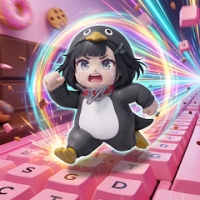
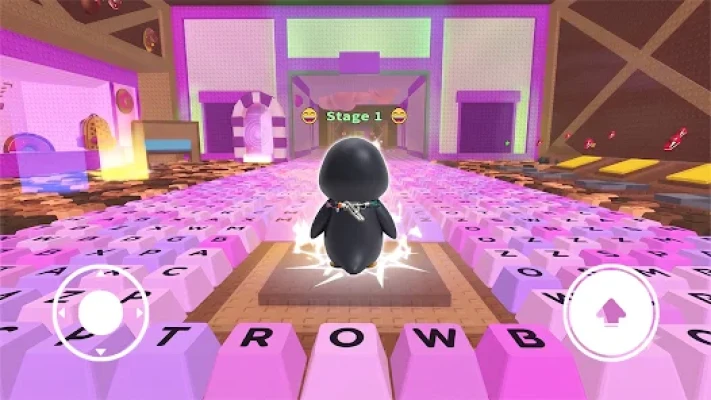
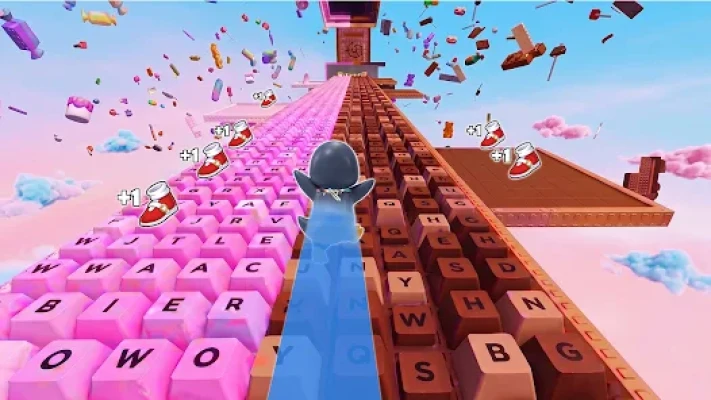
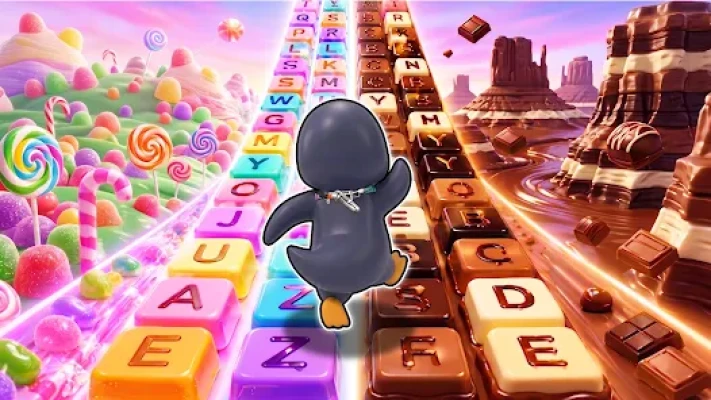
Visual style: Colorful 3D environments with mechanical keyboard elements
Audio style: Satisfying ASMR-inspired sound effects
Age rating: Listed as suitable for general audiences in available store information.
What Is Keyboard Obby: ASMR Speed Run?
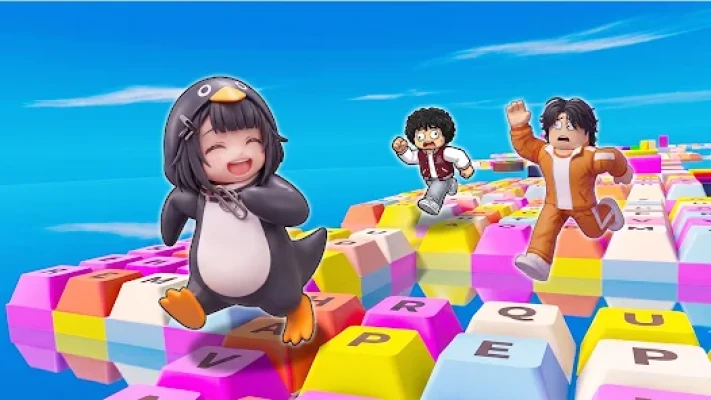
Keyboard Obby: ASMR Speed Run is a casual 3D obstacle course game that brings together parkour challenges, mechanical keyboard-inspired platforms, and satisfying sound effects. The game invites players to run, jump, and perform acrobatic movements across colorful courses while trying to reach the finish without falling.
The main attraction is its unusual combination of keyboard aesthetics and classic obby gameplay. Platforms inspired by keyboard keys and switches create a distinctive environment, while the ASMR-style audio adds an enjoyable layer to each movement.
Although the basic idea is easy to understand, completing more demanding obstacle courses requires concentration and good timing. Players must judge distances, react to changes in the path, and avoid rushing into dangerous jumps.
Whether you enjoy casual running games, 3D parkour adventures, or satisfying sound effects, Keyboard Obby: ASMR Speed Run offers a lighthearted way to test your reflexes and improve your platforming skills.
Main Features of Keyboard Obby: ASMR Speed Run
Keyboard-Inspired Obstacle Courses
The game transforms familiar keyboard elements into platforms and obstacles. Keys and mechanical switches become part of the course design, giving the environment a distinctive look that separates it from ordinary running games.
Colorful 3D Graphics
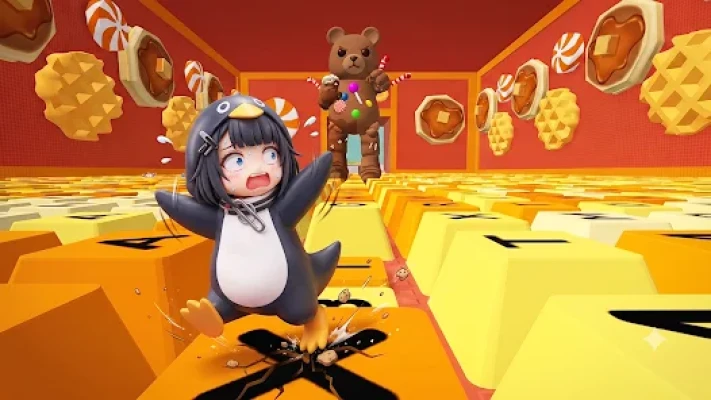
Bright colors and three-dimensional environments make the courses easy to recognize and visually engaging. The keyboard-themed setting creates a playful atmosphere while keeping the focus on movement and navigation.
Satisfying ASMR Sound Effects
Sound is an important part of the experience. Keyboard-inspired audio and satisfying movement effects complement the action, making jumps and landings feel more immersive.
Challenging Parkour Gameplay
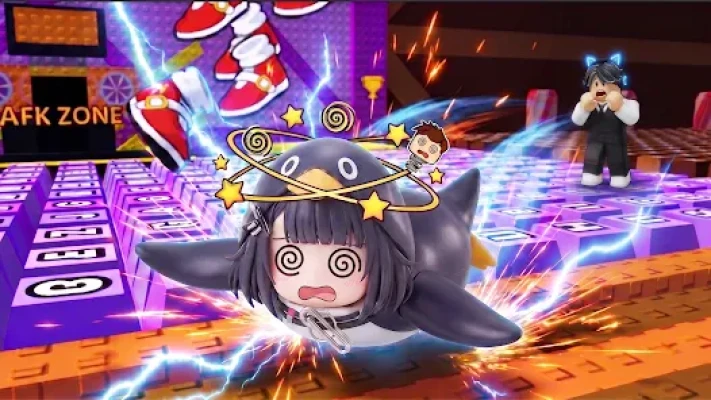
Players must move through obstacle-filled paths by running, jumping, and performing acrobatic movements. Each challenge tests coordination, timing, and the ability to react to changing situations.
Simple and Accessible Controls
The straightforward control system makes it easy for beginners to start playing. However, mastering difficult jumps and completing challenging courses consistently takes practice.
Fast-Paced Running Challenges
The speed-run concept encourages players to move efficiently and avoid unnecessary mistakes. Learning the layout of a course and improving your reactions can help you complete runs more confidently.
Casual Entertainment
The combination of short challenges, accessible mechanics, and satisfying sounds makes the game suitable for quick gaming sessions. Players can focus on improving their performance without needing to learn complicated gameplay systems.
How to Play Keyboard Obby: ASMR Speed Run
The goal is to guide your character across a series of keyboard-inspired platforms and obstacles until you reach the finish line.
Start by becoming familiar with the movement controls. Practice moving in different directions and learn how your character responds when approaching the edge of a platform.
When you encounter a gap, judge the distance before jumping. Aim for a clear landing area instead of trying to reach the farthest possible platform. A controlled jump is generally safer than an unnecessary leap that leaves little room for correction.
Watch the path ahead as you progress. Some obstacles require quick reactions, while others are easier to overcome when you slow down and carefully judge your next move.
If you fall, use the attempt to understand what went wrong. You may have jumped too early, misjudged the distance, or moved too close to the edge. Adjusting your technique can help you complete the same section more reliably on your next try.
Complete Strategy Guide for Keyboard Obby: ASMR Speed Run
Master the Basic Movement Controls
Before attempting difficult courses, spend time understanding the controls. Learn how to move, jump, and change direction without losing control of your character.
Small movements are often more useful than dramatic changes in direction. When approaching a narrow platform, make controlled adjustments so that you can position your character accurately.
Practice until basic movement becomes familiar. This allows you to focus more attention on upcoming obstacles instead of concentrating entirely on controlling the character.
Perfect Your Jump Timing
Jump timing is one of the most important skills in any parkour obstacle course. Jumping too early can cause you to fall short, while jumping too late may send your character beyond the intended landing point.
Watch the edge of the current platform and estimate how far you need to travel. Use the available space to prepare your jump rather than waiting until your character is already falling.
Pay attention to the width of the destination platform. A wide platform offers more room for error, while a narrow one requires greater precision.
With repeated practice, you can develop a better sense of when to jump and how to adjust your movement for different gaps.
Focus on Safe Landings
Reaching a platform is only part of a successful jump. Your character also needs to land in a position that allows you to continue moving safely.
Aim for the middle of the platform whenever possible. Landing too close to an edge can leave little room to recover if the next movement requires a change in direction.
After landing, quickly assess the next obstacle. Avoid making an immediate jump before you understand the position of the next platform.
This habit helps reduce accidental falls and makes it easier to maintain a steady rhythm throughout the course.
Study the Obstacle Layout
Before committing to a difficult section, observe the arrangement of the platforms. Look for gaps, narrow landing areas, and changes in direction that could affect your movement.
Try to identify the next safe landing point before leaving your current platform. Planning one or two moves ahead can make challenging sections feel more manageable.
If the course includes unfamiliar obstacles, approach them carefully and learn how they affect your movement. Recognizing patterns will help you react more confidently when similar challenges appear later.
Improve Your Speed Without Losing Control
Speed runs reward efficient movement, but moving quickly is only useful when you can maintain control. Rushing through every section can lead to poorly timed jumps and unnecessary falls.
Start by completing the course safely. Once you understand the layout, look for opportunities to shorten pauses and move more smoothly between platforms.
Focus on eliminating hesitation rather than making every jump as fast as possible. A consistent run with fewer mistakes can be more effective than a rushed attempt that repeatedly fails.
Develop Better Reflexes
Quick reactions help when obstacles appear close together or when you need to change direction rapidly.
Practice watching the path ahead instead of staring only at your character. This gives you more time to recognize upcoming gaps and prepare your next movement.
Keep your fingers positioned comfortably on the controls so that you can respond without unnecessary delay. Avoid frantic inputs that make it difficult to predict how the character will move.
Over time, familiar obstacles will become easier to recognize, allowing you to react more naturally.
Handle Narrow Keyboard Platforms
Narrow platforms demand careful positioning. Small mistakes that would not matter on a wide surface can cause an immediate fall.
Approach these sections with controlled movement and aim toward the center of the available landing area. Avoid unnecessary direction changes while your character is close to the edge.
If the next jump is difficult, prioritize reaching a stable position before preparing to move again.
Patience is particularly valuable in these sections because one accurate landing can prevent several repeated attempts.
Use a Consistent Parkour Rhythm
A consistent rhythm helps you connect jumps without losing control. Try to follow a simple pattern: observe the obstacle, prepare your movement, jump, land, and assess the next step.
Avoid pressing controls randomly when a course becomes difficult. Unplanned movements make it harder to understand why a jump failed.
Once the rhythm feels natural, you can gradually increase your pace while maintaining accurate movement.
Learn From Every Failed Run
Falling does not have to mean wasted effort. Each failed attempt can reveal something about the course or your technique.
If you fall short of a platform, reconsider your jump timing or approach. If you overshoot the landing area, focus on controlling your movement more carefully.
When the same obstacle causes repeated failures, concentrate on that specific section instead of trying to change your entire strategy.
Small improvements can add up, helping you finish difficult courses with fewer mistakes.
Stay Focused During Difficult Sections
Longer or more complicated obstacle sequences require concentration. Looking too far away from the immediate landing area can cause you to miss an important detail, while focusing too narrowly may leave you unprepared for the next gap.
Balance both forms of awareness by watching your current movement while checking what lies ahead.
If you begin making repeated mistakes, take a short break before trying again. Returning with a fresh level of concentration can make precise jumps easier.
Advanced Tips and Tricks
Plan Your Next Jump Before Landing
Whenever possible, identify the next destination while moving toward the current platform. This reduces hesitation and helps you maintain a smoother pace.
However, do not sacrifice a safe landing just to prepare for the next jump. Secure your position first, then continue.
Avoid Unnecessary Direction Changes
Changing direction too frequently can make your movement harder to control. Use the simplest route that leads to a safe landing whenever the course allows it.
If a platform is directly ahead, avoid making extra movements that could push your character toward an edge.
Prioritize Accuracy Over Speed
A fast completion is valuable only when you can reach the finish. Learn the course at a comfortable pace before trying to improve your time.
Once you can consistently complete difficult sections, focus on reducing hesitation and making your movements more efficient.
Recognize Repeating Obstacle Patterns
Some obstacle arrangements may share similar layouts or movement requirements. When you encounter a familiar pattern, apply what you learned previously.
Recognizing these patterns can reduce the time spent deciding how to approach each section and help you make better use of your practice.
Keep Your Controls Comfortable
Comfortable hand positioning makes repeated movements easier. Avoid gripping your device too tightly or using awkward finger positions that slow down your reactions.
Choose a playing position that allows you to see the path clearly and reach the controls without strain.
Make the Most of the Audio
The ASMR-inspired sound effects contribute to the game's atmosphere. Enjoy them as part of the experience, but keep your attention on the visual obstacles when precision is important.
If audio becomes distracting, adjust the sound settings available on your device or in the game. Clear visual awareness should remain your priority during difficult jumps.
Common Mistakes to Avoid
Jumping too early: Starting a jump before reaching the appropriate point can leave you short of the destination. Judge the gap and time your movement carefully.
Jumping too late: Waiting until your character is at the very edge can make a successful jump more difficult. Prepare before reaching the last possible moment.
Landing near platform edges: Edge landings leave little room for correction. Aim for the center of the platform whenever possible.
Moving too quickly through unfamiliar sections: Rushing before understanding the obstacle layout often leads to avoidable falls. Observe the path and adjust your pace.
Ignoring the next obstacle: Looking only at the current platform can leave you unprepared for the next jump. Maintain awareness of what lies ahead.
Making too many control adjustments: Excessive movement can cause you to lose your intended direction. Use small, deliberate inputs.
Repeating the same mistake: If a jump fails multiple times, change your approach instead of repeating the same timing without adjustment.
Losing concentration during longer runs: Even familiar obstacles can become difficult when attention slips. Stay focused on movement, landing points, and the next safe route.
Graphics, Sound, and Gameplay Experience
Keyboard Obby: ASMR Speed Run uses colorful 3D environments to create a playful interpretation of parkour. The keyboard-inspired obstacles give the game a distinctive identity, while the combination of running and jumping provides a straightforward challenge.
The sound design is another defining feature. ASMR-style effects add a satisfying audio element to movement and help distinguish the experience from ordinary platform games.
Together, the visuals, audio, and simple controls create a casual game that is easy to approach. The challenge comes from executing movements accurately and learning how to handle more demanding obstacle sequences.
Is Keyboard Obby: ASMR Speed Run Suitable for Beginners?
Yes. The game is designed around accessible controls and familiar parkour concepts, making it approachable for players who have little experience with obstacle course games.
Beginners can start by learning the basic movement mechanics and practicing simple jumps. As they become more comfortable, they can focus on timing, narrow platforms, and more demanding sequences.
The most important thing for new players is to avoid rushing. Understanding the course and building consistent habits will usually provide a better foundation than trying to complete every section at maximum speed.
Is Keyboard Obby: ASMR Speed Run Worth Playing?
Keyboard Obby: ASMR Speed Run is worth considering if you enjoy casual 3D parkour games, colorful obstacle courses, and satisfying sound effects. Its keyboard-inspired design gives it a fresh visual theme, while the running and jumping mechanics offer a familiar challenge.
The game is particularly suitable for short sessions when you want something simple to play but still want an opportunity to improve your skills.
Players who enjoy precise platforming, overcoming difficult jumps, and learning from repeated attempts may find the experience especially appealing.
Frequently Asked Questions
What is Keyboard Obby: ASMR Speed Run?
Keyboard Obby: ASMR Speed Run is a casual 3D parkour game where players run, jump, and navigate keyboard-inspired obstacle courses while enjoying satisfying ASMR-style sound effects.
Who developed Keyboard Obby: ASMR Speed Run?
The game is developed by HIGAME GLOBAL.
How do you win in Keyboard Obby: ASMR Speed Run?
The main objective is to navigate the obstacle course and reach the finish line without falling. Good timing, controlled movement, and accurate landings are essential.
Is Keyboard Obby: ASMR Speed Run difficult?
The basic controls are easy to learn, but some obstacle sequences require practice. Narrow platforms, difficult jumps, and fast movement can make later challenges more demanding.
What does ASMR mean in the game?
ASMR refers to the satisfying sounds associated with keyboard-inspired movements and other gameplay actions. These effects add an enjoyable audio element to the parkour experience.
How can you improve your jumping skills?
Practice judging distances, jumping at the appropriate moment, and aiming for the center of each platform. Learn from failed attempts and adjust your timing when necessary.
How do you avoid falling?
Stay aware of the platform edges, plan your jumps, and avoid unnecessary changes in direction. Make sure you have a stable landing before moving toward the next obstacle.
Is Keyboard Obby: ASMR Speed Run suitable for children?
The game is listed as suitable for general audiences in available store information. Parents should still review the current age rating and app details before deciding whether it is appropriate for a particular child.
Can you play Keyboard Obby: ASMR Speed Run on Android?
Yes. The game is available as an Android app through Google Play.
What is the best strategy for completing difficult levels?
Study the obstacle layout, focus on accurate jumps, aim for safe landings, and maintain a consistent movement rhythm. Once you understand a course, gradually increase your speed.
Final Verdict
Keyboard Obby: ASMR Speed Run combines the familiar fun of parkour with an unusual keyboard-inspired world and satisfying audio effects. Its simple controls make it accessible to beginners, while its obstacle courses provide opportunities to improve timing, coordination, and precision.
The best approach is to master basic movement first, plan each jump, aim for safe landings, and learn from mistakes. Once you become more comfortable with the courses, you can focus on smoother movement and faster completion times.
For players looking for a colorful casual game with 3D parkour, keyboard-themed obstacles, and relaxing sound effects, Keyboard Obby: ASMR Speed Run offers an enjoyable combination of challenge and entertainment.
Rate the Game
User Reviews







Popular Games



















 Android
 iOS
 Windows
 Xbox