

Latest Version
October 22, 2026
Lion Studios
Casual
0
com.onebutton.mrfight
Report a Problem
More About :game
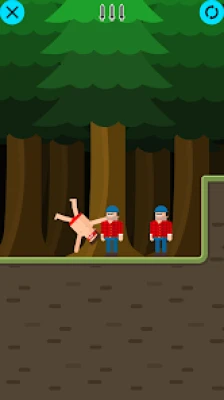
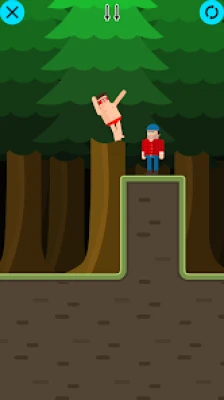
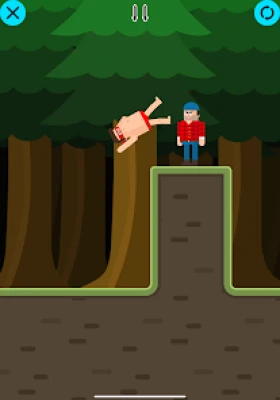
Mr Fight: Wrestling Puzzles brings a playful twist to action games by turning every encounter into a combination of fighting, timing, and strategic thinking. Instead of relying on traditional wrestling controls, players guide an unpredictable fighter through levels filled with enemies, obstacles, and interactive objects. Every movement can lead to a spectacular takedown or an unexpected mistake.
Developed by Lion Studios, the game follows the puzzle-focused spirit of titles such as Mr Bullet and Mr Ninja. Its cartoon presentation, exaggerated physics, and short stages make it suitable for quick gaming sessions, while the increasing complexity of its challenges encourages players to think carefully before acting.
The central objective is straightforward: defeat the enemies standing in your way and complete each stage as efficiently as possible. However, success often depends on understanding the environment, choosing the right movement, and making the most of objects that can fall, explode, or affect multiple targets.
Players can also encounter different enemy types, work through new challenges, save hostages in certain stages, and unlock additional fighting skills or cosmetic options as they progress.
What Makes Mr Fight: Wrestling Puzzles Different?
Physics-Based Fighting Mechanics
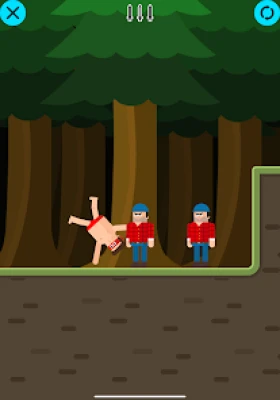
The most distinctive feature of Mr Fight is its exaggerated movement system. Your character can jump, flip, swing, and launch attacks in unusual directions. These movements create unpredictable situations that reward experimentation.
Rather than treating every level as a simple fight, consider how your character's momentum and position affect the outcome. A well-timed movement may eliminate several enemies, while a poorly aimed attack can leave the fighter in a difficult position.
Puzzle Solving Meets Wrestling Action
Every stage presents a small problem to solve. Enemies may stand in awkward positions, obstacles may block a direct attack, or interactive objects may offer a better way to finish the encounter.
The key is to examine the entire scene before making a move. Sometimes the best solution is a direct strike. In other situations, using the environment is safer and more effective.
A Variety of Enemies
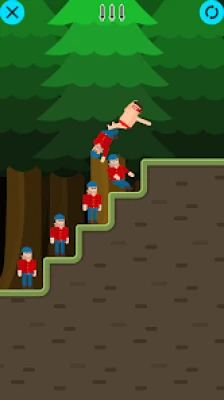
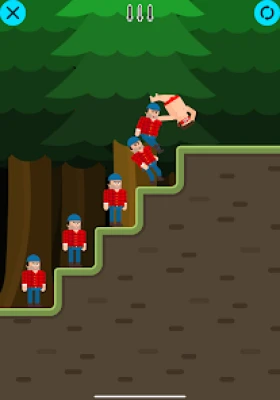
The game features different opponents, including enemy spies, zombies, lumberjacks, and aliens. Their appearances help keep the stages visually varied, while their placement can change how you approach each puzzle.
Pay attention to where enemies stand and what surrounds them. A group of opponents close to an explosive object may be easier to defeat together than individually.
Environmental Objects and Chain Reactions
Interactive objects can play an important role in completing difficult stages. Certain objects can fall or explode, creating chain reactions that affect nearby enemies.
Learning to recognize these opportunities can help you solve levels with fewer attempts. Before attacking, look for objects that could remove obstacles, reach distant opponents, or trigger a sequence of events.
Three-Star Level Challenges
Mr Fight encourages players to improve their results instead of simply finishing each stage. Earning three stars becomes an additional goal for those who want to master the game.
To improve your results, focus on accurate movements, efficient solutions, and avoiding unnecessary attempts. When a level allows multiple approaches, compare the results and repeat the one that performs best.
Unlockable Skills and Cosmetic Options
Progress can introduce additional fighting skills, character appearances, and other customization options. These features add variety to the experience and give players extra reasons to continue completing levels.
Focus on learning the basic mechanics first. Cosmetic changes can make the game more entertaining, but understanding movement and environmental interactions is what helps you overcome challenging stages.
How to Play Mr Fight: Wrestling Puzzles
Understand the Controls
The controls are designed around simple touch gestures, allowing players to guide the character's movement through jumps, flips, flicks, and swipes. The exact action depends on the situation presented in the level.
Start with deliberate movements rather than making long or random gestures. Observe how the fighter reacts, then adjust your next action based on the result.
Study the Level Before Attacking
Before moving, examine the locations of enemies, obstacles, platforms, and interactive objects. A few seconds of observation can reveal a solution that is not immediately obvious.
Ask yourself whether a direct attack is possible, whether an object can help, and whether one action could affect several enemies at once.
Defeat Enemies Efficiently
The main objective in most combat stages is to eliminate the opponents. Direct attacks can work well when enemies are exposed, but complicated layouts may require a more creative approach.
Try to choose movements that bring the character into a useful position and avoid actions that waste time without improving your chances of success.
Rescue Hostages When Required
Some stages include hostages who need to be saved. These objectives require more attention than simply attacking every visible character.
Identify the target you need to protect and plan your movement accordingly. Avoid careless attacks that could interfere with the objective, and check that the stage's required task has been completed before moving on.
Complete Strategy Guide for Mr Fight: Wrestling Puzzles
Develop a Consistent Approach to Every Level
The most reliable way to progress is to follow a simple routine: observe, plan, act, and review.
First, inspect the level and identify the enemies and important objects. Next, choose a movement that offers the best chance of completing the objective. Execute it carefully, then evaluate the result.
If the attempt fails, determine why. Perhaps the angle was wrong, the character moved too far, or an environmental object was overlooked. Changing one part of the approach is often more useful than repeating the same action without a plan.
Learn How Momentum Affects Your Fighter
Because movement is based on exaggerated physics, the character may continue moving or rotate in ways that are difficult to predict at first.
Practice using short, controlled gestures to understand the relationship between your input and the fighter's movement. Watch how the character travels through the air and where they land after an attack.
When an enemy is close to an obstacle, consider whether the character's momentum could help reach the target. When the space is crowded, use more careful movements to reduce the chance of an unwanted collision.
Use Environmental Objects to Your Advantage
Environmental interactions can turn a difficult fight into a much easier puzzle. Look for objects that appear unstable, explosive, suspended, or positioned above enemies.
Think about what will happen after an object moves. It may strike an opponent directly, trigger another object, or change the layout of the stage.
The best solution is not always the most obvious interaction. Sometimes an object must be activated from a particular direction, or its movement must be timed to affect multiple targets.
Look for Chain Reactions
A chain reaction occurs when one event causes another event to happen. These sequences can help you defeat several enemies with a single well-planned action.
To identify potential chain reactions, examine how objects are arranged. Look for nearby targets, obstacles that could be displaced, and explosive objects that might affect a larger area.
Avoid rushing into the first available attack. If a single action can activate several objects, it may be more effective than fighting opponents one at a time.
Choose Attack Angles Carefully
A direct line toward an enemy is not always the safest or most effective route. Obstacles, enemy positions, and the fighter's movement can change the outcome of an attack.
Before acting, consider where the character will travel and where they are likely to end up. If the first attempt misses, adjust the direction or timing rather than repeating the same gesture.
Small changes can make a major difference in physics-based puzzles, especially when the level contains narrow spaces or multiple targets.
Prioritize the Most Important Target
When a stage contains several enemies, identify which opponent poses the greatest problem for your planned solution. An enemy near an interactive object may be easier to eliminate first, while another may be reachable only after an obstacle has been removed.
Try to find an attack sequence that reduces the number of threats quickly. However, do not assume that the closest enemy must always be your first target. The best order depends on the level layout.
Improve Your Timing
Timing matters when movements interact with falling objects, moving obstacles, or enemies positioned close together. Acting too early or too late may prevent the intended chain reaction.
Watch the scene carefully before making a move. If an attempt fails because an object did not interact as expected, repeat the stage with a small timing adjustment.
Developing a feel for the physics is more valuable than trying to move as quickly as possible.
Complete Stages With Fewer Mistakes
If you are aiming for three stars, efficiency should become part of your strategy. Avoid unnecessary movements, repeated attacks that do not improve the situation, and experiments that ignore what you learned from earlier attempts.
A useful method is to identify the simplest successful solution first. Once you understand how the stage works, replay it and refine the movement to achieve a better result.
Remember that a fast solution is not necessarily the best one if it fails to meet the stage's objectives.
Handle Difficult Enemy Arrangements
Some stages become challenging because enemies are spread across the screen or protected by obstacles. In these situations, rushing toward one opponent may make the remaining targets harder to reach.
Study the full layout and look for opportunities to reposition the fighter or use an environmental interaction. If several opponents can be affected by one event, plan around that opportunity.
When no obvious combination exists, focus on removing the obstacle that prevents a direct attack. Breaking the problem into smaller steps makes complicated stages easier to understand.
Approach New Enemy Types With Patience
Different enemy appearances and positions may encourage different strategies. Instead of assuming every opponent can be defeated in exactly the same way, pay attention to the environment surrounding each one.
Test a simple approach when encountering an unfamiliar arrangement. If it fails, consider whether the level is designed around a special object, a different angle, or a sequence of movements.
Careful observation helps you recognize patterns and apply what you have learned to later stages.
Manage Hostage Rescue Objectives
When a level includes a hostage, make the rescue requirement part of your plan from the beginning. Identify the hostage's location and consider how your movement or environmental interactions could affect that area.
Avoid choosing an attack simply because it eliminates an enemy quickly. A successful stage requires completing its actual objective, so protect the hostage and make sure the necessary conditions are satisfied.
Make Progress Without Relying on Random Attempts
Experimentation is useful, but random actions can make it difficult to understand why a level succeeds or fails. Try to change one variable at a time, such as the direction of a swipe, the timing of an action, or the order in which you target enemies.
This approach helps you identify the movement that produces the desired result. Once you discover a reliable solution, remember the sequence so you can reproduce it on another attempt.
Best Tips and Tricks for Mr Fight: Wrestling Puzzles
Take a Moment to Observe
Do not begin every level immediately. Look at the enemy positions, environmental objects, and possible routes before committing to an attack.
Prefer Controlled Gestures
Short, deliberate movements make it easier to understand how the fighter responds. Save more ambitious movements for situations where the level clearly calls for them.
Think Beyond Direct Combat
An opponent does not always need to be defeated through a straightforward attack. Objects and environmental interactions may offer a simpler route to victory.
Learn From Every Failed Attempt
A failed attempt can reveal useful information about movement, timing, or object behavior. Adjust your next action based on what happened instead of repeating an identical mistake.
Search for Multi-Enemy Solutions
When enemies are grouped together, consider whether one interaction can affect several targets. Efficient solutions often depend on recognizing how the level's elements work together.
Keep the Stage Objective in Mind
Defeating enemies is important, but some levels may also require rescuing hostages or completing another specific task. Make sure your strategy addresses the full objective.
Aim for Three Stars After Learning the Level
First discover a dependable way to complete the stage. Then replay it to improve your accuracy and efficiency. This is often more effective than trying to achieve the best possible result on your first attempt.
Explore New Skills and Customization
Unlockable skills and character appearances provide variety as you progress. Explore these features when available, while remembering that strong puzzle-solving habits remain essential.
Stay Patient With Tricky Physics
Unexpected movement is part of the challenge. When a plan fails, make a small adjustment and try again. Patience and observation usually lead to better results than frantic gestures.
Common Mistakes to Avoid
Attacking Before Studying the Layout
Rushing into combat can cause you to miss useful objects or overlook a simpler solution. Take a brief look at the whole stage before moving.
Repeating the Same Failed Move
If an attack consistently misses, repeating it without changing anything is unlikely to help. Modify the angle, timing, or approach based on the previous result.
Ignoring Interactive Objects
Some of the most useful solutions involve objects rather than direct attacks. Always check whether the environment offers a way to remove multiple threats at once.
Using Too Much Movement
Large or uncontrolled gestures can send the fighter away from the intended target. Use precise inputs whenever the situation requires accuracy.
Forgetting Secondary Objectives
A level may require more than defeating enemies. If a hostage or another objective is involved, make it part of your plan before taking action.
Chasing Speed Instead of Accuracy
Fast movements can be entertaining, but careless actions often lead to repeated attempts. Learn the mechanics first, then work on completing the level more efficiently.
Is Mr Fight: Wrestling Puzzles Suitable for Casual Players?
Mr Fight: Wrestling Puzzles is a good choice for players who enjoy short action challenges with a humorous presentation. Its straightforward touch controls make it easy to begin playing, while the physics-based puzzles add a layer of thought beyond ordinary button-mashing combat.
The game can appeal to fans of casual action games, creative puzzle challenges, and exaggerated wrestling-style moves. Its individual stages also make it suitable for playing in short sessions.
However, players who prefer realistic wrestling simulations, detailed character management, or competitive multiplayer matches may find the experience different from what they expect. The emphasis is on solving encounters rather than mastering a traditional wrestling system.
Frequently Asked Questions
What Is Mr Fight: Wrestling Puzzles?
Mr Fight: Wrestling Puzzles is a physics-based action puzzle game developed by Lion Studios. Players control a flexible fighter and use unusual movements, environmental objects, and strategic attacks to defeat enemies and complete stages.
How Do You Play Mr Fight?
You guide the fighter using touch gestures to jump, flip, flick, swipe, and attack. Each level requires you to understand the layout, choose useful movements, and defeat enemies while completing any additional objectives.
How Can You Beat Difficult Levels?
Start by examining the enemy positions and interactive objects. Plan a simple approach, use controlled movements, and learn from failed attempts. If direct combat is difficult, look for environmental interactions or chain reactions that can make the stage easier.
How Do You Earn Three Stars?
Focus on completing the stage efficiently and avoiding unnecessary mistakes. Learn a reliable solution first, then replay the level to improve your movements and overall performance. Exact star requirements can vary by stage.
Can Environmental Objects Help Defeat Enemies?
Yes. Certain objects can fall or explode, and these interactions may trigger chain reactions. Examining the environment before attacking can reveal opportunities to defeat multiple enemies with a single sequence.
Does Mr Fight Include Hostage Rescue Missions?
Some stages include hostage rescue objectives. In these levels, you must account for the hostage's safety as well as the enemies you need to defeat.
Can You Unlock New Content?
The game includes unlockable fighting skills and cosmetic options, with additional content introduced through updates. Available rewards and customization choices may depend on the current version.
Is Mr Fight an Offline Game?
The game is listed as supporting offline play on Google Play. Some features, advertisements, or optional purchases may still depend on connectivity.
Is Mr Fight Similar to Mr Bullet?
Both games come from Lion Studios and emphasize puzzle solving alongside action. Mr Bullet focuses on shooting-based challenges, while Mr Fight centers on exaggerated fighter movement, physical interactions, and wrestling-inspired attacks.
Is Mr Fight Free to Play?
The game is available as a free download with advertisements and optional in-app purchases. Some optional content or rewards may involve additional requirements.
Final Thoughts on Mr Fight: Wrestling Puzzles
Mr Fight: Wrestling Puzzles offers a lighthearted combination of physics, action, and problem-solving. Its unusual fighter movements make each encounter entertaining, while environmental objects and chain reactions reward players who think beyond direct attacks.
The best way to improve is to study each stage, use controlled gestures, understand how objects interact, and adjust your strategy whenever an attempt fails. Players who learn to recognize patterns and plan efficient solutions will find it easier to handle difficult encounters and work toward three-star results.
Whether you are looking for a quick casual challenge or a puzzle game that rewards experimentation, Mr Fight provides an entertaining way to test your timing, creativity, and tactical thinking.
Rate the Game
User Reviews










Popular Games



















 Android
 iOS
 Windows
 Xbox