
Latest Version
October 09, 2026
PLAYSTUDIOS US, LLC
Puzzle
Android
0
com.playstudios.tetris4
Report a Problem
More About :game
About TETRIS® Block Blast
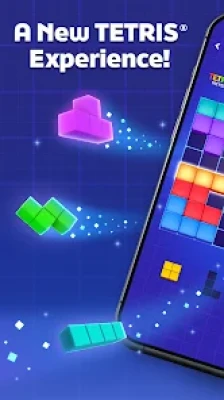
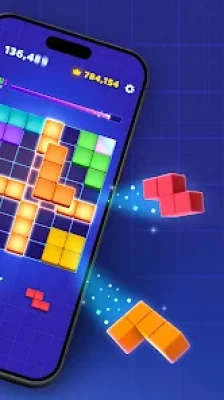
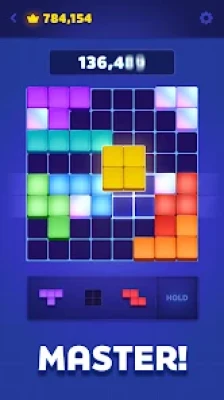
TETRIS® Block Blast brings a fresh block-puzzle experience to the familiar Tetris universe. Instead of simply repeating the traditional falling-block format, the game focuses on strategic placement, clearing lines, and planning moves to keep the board manageable.
Each placement matters. A block may help complete a line immediately, but it can also leave awkward gaps that make later moves more difficult. Learning to recognize useful positions and prepare for upcoming shapes is the key to improving your results.
The game is designed for casual players who enjoy quick puzzle sessions as well as anyone who likes chasing higher scores. Consecutive line clears can produce combos, rewarding players who think beyond a single move. Its offline support also makes it suitable for travel, waiting rooms, and short breaks.
Game Information
Game title: TETRIS® Block Blast
Developer and publisher: PLAYSTUDIOS US, LLC
Platform: Android
Genre: Block puzzle, casual, strategy
Gameplay: Single-player puzzle challenges
Main objective: Place blocks strategically, clear lines, and earn high scores
Key mechanic: Consecutive line clears and combos
Internet requirement: Offline play supported
Monetization: Free to play with advertisements and in-app purchases
Best for: Casual puzzle fans and players who enjoy planning and score challenges
Gameplay and Main Features
1. Strategic Block Placement
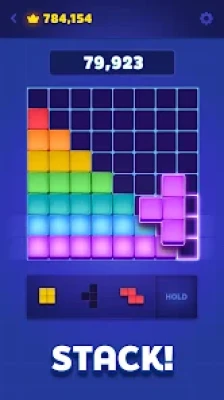
The central challenge is deciding where each block will fit most effectively. A placement that clears a line immediately may be useful, but it is important to consider what the board will look like afterward.
Good players look for positions that solve an immediate problem without creating a worse one. Keeping several placement options available helps prevent the board from becoming difficult to manage.
2. Line Clearing
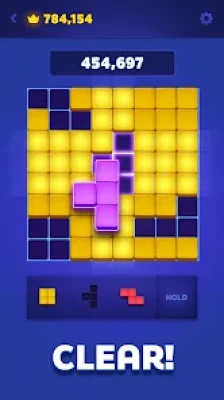
Line clears are the heart of the experience. Completing a row removes it from the board and creates additional space for future blocks.
Rather than placing pieces randomly, look for opportunities to complete lines while maintaining a balanced layout. Efficient clearing gives you more room to work and helps you continue playing for longer.
3. Consecutive Clears and Combos
TETRIS® Block Blast encourages players to clear rows consecutively to earn combos. These sequences reward planning and can help distinguish a thoughtful run from one built on isolated moves.
Try to recognize placements that prepare the board for another clear. However, avoid forcing a combo if doing so leaves the board dangerously crowded.
4. High-Score Challenges
The game encourages players to improve their scores through better decisions and more efficient line clears. Each session offers a chance to learn from previous mistakes and develop a more reliable approach.
Focus on consistent play first. Once you are comfortable managing the board, experiment with strategies that create longer clearing sequences.
5. Offline Puzzle Gameplay
The official listing states that an internet connection is not required for gameplay. This makes TETRIS® Block Blast a practical choice when you want a puzzle game that can be played away from a reliable connection.
Online services, advertisements, purchases, or other connected features may behave differently when offline.
6. Casual, Accessible Design
The basic concept is easy to understand, so new players can begin quickly. The strategic depth comes from deciding how each block affects the remaining space.
Sessions can be relaxed or competitive with yourself, depending on whether you want to unwind or pursue a new personal best.
How to Play TETRIS® Block Blast
The goal is to place blocks intelligently, complete lines, and keep enough open space to continue making useful moves.
Study the available blocks. Before placing a piece, examine its shape and think about the spaces where it could fit.
Look for immediate line clears. Identify rows that can be completed without creating difficult gaps elsewhere.
Consider the next move. Do not judge a placement only by its immediate result. Think about the new board layout.
Preserve open space. Avoid filling useful areas with blocks that make future placements awkward.
Prepare for combos. When possible, arrange pieces so that one clear creates an opportunity for another.
Avoid risky placements. If a move creates a large empty pocket or leaves the board uneven, consider an alternative.
Learn from each run. When you get stuck, identify which placement reduced your options and try a different approach next time.
The exact control behavior and available block options can depend on the current version. Use the in-game instructions to confirm any special mechanics before relying on them.
Complete TETRIS® Block Blast Strategy Guide
Beginner Tips
Keep the Board Organized
A tidy board gives you more opportunities to place future blocks. Avoid creating unnecessary holes or isolated spaces that are difficult to fill.
Whenever possible, use placements that support line clears while keeping the remaining layout flexible.
Do Not Clear Lines Without Thinking
Clearing a line is useful, but it is not always the best move if the placement leaves the rest of the board in a poor condition.
Compare the available positions. A slightly less immediate reward may create a much better setup for your next few moves.
Learn the Block Shapes
Become familiar with the shapes that appear during play. Recognizing them quickly makes it easier to identify useful placements and avoid last-second decisions.
Look at the full outline of a block, not just the number of squares it contains. Its orientation determines which gaps it can fill.
Avoid Creating Deep Gaps
Empty pockets surrounded by blocks can be difficult to use. Before placing a piece, check whether it will create an awkward hole that future pieces may not fit.
If you notice a gap developing, consider repairing it early rather than allowing it to become a larger problem.
Take Your Time
Fast decisions are not always good decisions. If the game gives you time to inspect the board, use it.
A short pause before each placement can prevent a mistake that would otherwise limit your next several moves.
Intermediate Strategy
Plan for More Than One Clear
Look for placements that can complete a line and improve the position of the remaining blocks. These moves are often more useful than a clear that leaves the board awkwardly shaped.
Try to see each placement as part of a sequence rather than an isolated action.
Create Combo Opportunities
Because consecutive line clears are rewarded, consider how one successful clear might prepare another. Look for layouts where a piece can complete a line while leaving a useful space for a follow-up move.
Do not force the sequence if the required placement creates too much risk. A safe clear is better than a failed combo attempt that leaves the board difficult to manage.
Maintain Flexibility
Avoid committing the entire board to one specific shape or clearing plan. If a suitable piece does not appear when expected, you need other options.
A flexible layout helps you adapt to the blocks available instead of repeatedly waiting for one perfect placement.
Fix Problems Early
If a section of the board becomes awkward, use the next suitable opportunity to improve it. Small problems are usually easier to correct before additional blocks accumulate around them.
Prioritize changes that restore open space and make future line clears easier.
Advanced High-Score Strategies
Balance Immediate Clears With Future Potential
The most obvious line clear may not always be the strongest long-term move. Consider whether completing a row will make the remaining board easier or harder to manage.
A high-scoring run depends on repeated good decisions, not one spectacular move followed by several difficult ones.
Think in Placement Sequences
Before making a move, consider at least two possible outcomes:
What happens if this placement completes a line?
What happens if it fails to create the next opportunity I expect?
This habit encourages you to choose moves that remain useful even when your preferred plan does not work out.
Prioritize Recovery When the Board Gets Crowded
When open space becomes limited, focus on restoring a manageable layout. Chasing a combo while the board is already difficult to use can make the situation worse.
Return to safer placements and look for practical opportunities to clear lines.
Improve Through Focused Practice
Give each session a specific goal. For example, concentrate on avoiding gaps, making fewer unnecessary placements, or setting up consecutive clears.
Reviewing one skill at a time makes it easier to identify what is improving your score.
Common Mistakes to Avoid
Filling Space Without a Plan
A placement may fit physically but still make the board harder to solve. Think about the spaces it leaves behind before committing to it.
Chasing Every Combo
Combos are rewarding, but not every board position supports a safe sequence. Do not sacrifice a manageable layout just to pursue a possible bonus.
Ignoring Difficult Gaps
A gap that seems harmless at first can become a serious obstacle later. Try to prevent deep pockets from forming, and repair them whenever a useful opportunity appears.
Making the Same Mistake Repeatedly
If a run ends because the board becomes uneven or crowded, reconsider the decisions that led there. Changing one key placement may produce a much better result.
Focusing Only on the Current Move
The best placement often depends on what it makes possible next. Think ahead, preserve options, and avoid moves that solve one small problem while creating a bigger one.
Is TETRIS® Block Blast Worth Playing?
TETRIS® Block Blast is a good option for players who want a familiar block-puzzle theme with an emphasis on careful placement and consecutive clears. Its straightforward concept makes it accessible to casual players, while combo planning and score improvement offer reasons to keep practicing.
It is particularly convenient for people who prefer offline-friendly games. However, players should be aware that the free-to-play version includes advertisements and optional in-app purchases.
Pros
Easy-to-understand block-puzzle gameplay.
Rewards strategic placement and forward planning.
Consecutive line clears add a combo element.
Supports offline play.
Suitable for short casual sessions.
High-score goals encourage replayability.
Free to start playing.
Cons
Advertisements may interrupt the experience.
Optional purchases are part of the free-to-play model.
Repeated puzzle sessions may feel familiar to players who want a story or a wider range of activities.
Poor placement decisions can quickly limit available options.
Frequently Asked Questions
What is TETRIS® Block Blast?
TETRIS® Block Blast is a casual block puzzle game published by PLAYSTUDIOS. It combines the Tetris brand with strategic block placement, line clearing, combo opportunities, and high-score challenges.
Is TETRIS® Block Blast the same as the classic TETRIS® mobile game?
No. They are separate apps. TETRIS® Block Blast focuses on a block-puzzle format, while the classic TETRIS® mobile app includes traditional falling-block gameplay and modes such as Marathon and Quick Play.
Can I play TETRIS® Block Blast offline?
Yes. The official Google Play listing states that an internet connection is not required for gameplay. Certain connected services may still need internet access.
How do you score higher in TETRIS® Block Blast?
Focus on useful placements, clear lines efficiently, avoid creating difficult gaps, and look for safe opportunities to clear rows consecutively. Consistency is more important than forcing risky combos.
What are combos in TETRIS® Block Blast?
Combos reward consecutive line clears. Planning placements so that one clear creates an opportunity for another can help you achieve better results.
Is TETRIS® Block Blast free?
The game is free to start playing and includes advertisements and optional in-app purchases. Some optional content or benefits may require payment.
Is TETRIS® Block Blast suitable for beginners?
Yes. Its basic block-puzzle concept is easy to understand. Beginners can start by learning the shapes, keeping the board organized, and avoiding placements that create difficult gaps.
Does TETRIS® Block Blast have multiplayer?
The official listing identifies the game as single-player. Do not assume that it offers direct multiplayer matches unless the current in-game version explicitly provides that feature.
What is the best strategy for beginners?
Keep the board manageable, look for useful line clears, avoid deep gaps, and consider how each placement affects the next move. These habits provide a strong foundation for higher scores.
Final Verdict
TETRIS® Block Blast offers a straightforward but strategic block-puzzle experience built around line clearing, combo opportunities, and high-score improvement. Its familiar visual identity makes it easy to approach, while thoughtful placement gives players room to develop better techniques over time.
The ability to play offline is a useful advantage for casual gaming on the go. Although advertisements may interrupt some sessions, the game is worth considering if you enjoy block puzzles that reward planning and careful decisions.
Recommended for: Casual puzzle fans, block-stacking enthusiasts, offline mobile gamers, and players who enjoy improving their personal best.
Rate the Game
User Reviews




Popular Games

















 Android
 iOS
iOS Windows
 Xbox
Xbox