

Latest Version
October 09, 2026
FunCraft, Inc
Puzzle
iOS
0
Report a Problem
More About :game
What Is CrossGrams: PvP Puzzle Game?
CrossGrams is a multiplayer word puzzle game developed by FunCraft, Inc. It combines crossword solving with turn-based competition, creating a game where vocabulary and strategic thinking are just as important as finding the right word.
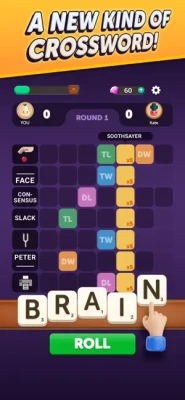
Unlike a traditional crossword that you complete on your own, CrossGrams lets two players work on the same board while competing for the highest score. Players take turns placing letters, completing words, and taking advantage of special scoring opportunities.
The game uses a Scandinavian-style crossword format, with clues appearing inside the grid. Some puzzles also include picture clues, adding variety to the challenge. During each turn, you receive five random letters and must decide how best to use them.
The challenge is not simply to find a word that fits. You also need to consider how much it scores, whether it completes a word, how it affects future opportunities, and whether saving a useful letter could produce a stronger play later.
CrossGrams also features competitive leagues, cups, the Duel Journey, boss encounters, achievements, bonus tiles, and scoring combinations. It is a good fit for players who enjoy crosswords, word games, and friendly competition.
CrossGrams Game Information
Game title: CrossGrams: PvP Puzzle Game
Developer: FunCraft, Inc.
Genre: Crossword, word puzzle, trivia, competitive strategy
Platform: iPhone and iPad
Price: Free to play, with in-app purchases
Minimum Apple device requirements: iOS 13.0 or later for iPhone and iPadOS 13.0 or later for iPad, according to the store listing
Main gameplay: Turn-based crossword competition
Letters per turn: Five random letters
Scoring: Correct letter placement, completed words, bonus tiles, and scoring combinations
Competitive features: Leagues, cups, and rival matches
Progression mode: Duel Journey with increasingly challenging opponents and bosses
Additional features: Achievements and rewards
Language listed: English
Game requirements and features may change with future updates.
How to Play CrossGrams
1. Read the Clues
Each puzzle contains clues within the crossword grid. Read them carefully and consider the length and position of the word you need to complete.
Look at the letters already placed on the board. Even when a clue seems difficult, existing letters can narrow the possibilities and help you recognize the intended answer.
Picture clues may also appear, so pay attention to visual information rather than relying only on written definitions.
2. Review Your Five Letters
At the start of each turn, you receive five random letters. These letters determine the opportunities available to you during that move.
Look for places where your letters can complete a word or fit naturally into an unfinished answer. Do not immediately use the first letter that appears to fit. Check whether another option could score more points or complete an additional word.
3. Place Letters Carefully
Correct letter placement is the foundation of scoring in CrossGrams. A single letter may help finish a word, connect with another answer, or create a useful opportunity for a later turn.
Before placing a letter, check the surrounding words and clues. Make sure your choice fits the intended answers and consider how the board will look after the move.
4. Complete Words for Points
Completing words is an important part of the scoring system. A good placement can contribute to more than one answer, making it especially valuable when it connects different parts of the crossword.
Whenever possible, look for moves that finish words rather than only making progress toward them. A completed answer can turn a small placement into a more rewarding turn.
5. Use Bonus Tiles and Scoring Combos
CrossGrams includes bonus tiles and scoring combinations that can reward particularly effective plays. These mechanics create opportunities to increase your score beyond ordinary letter placement.
Pay attention to the bonus spaces available on the board. If a useful word can be completed through a bonus tile, consider whether it is worth prioritizing over a simpler move.
The exact value of a bonus depends on the current board and game rules, so check the in-game indicators when planning a high-scoring play.
6. Compete for the Highest Score
Both players work on the same crossword, but the competition is about earning more points. You therefore need to balance solving the puzzle with making decisions that improve your score.
Sometimes the most obvious answer is not the most valuable move. Look for a placement that completes a word, uses a bonus tile, or contributes to a scoring combination.
Complete CrossGrams Strategy Guide
1. Think Beyond the First Word You See
A common beginner mistake is to focus on the first word that matches a clue. While that may be a valid move, it might not be your best scoring opportunity.
Before placing a letter, scan the surrounding grid. Ask yourself whether your move could help complete more than one word or unlock a bonus opportunity.
A letter that supports several connected answers can be more useful than one that fills a single isolated space. Developing this habit helps you recognize the wider value of each move.
2. Use Your Letters Efficiently
You receive five random letters each turn, so learning to evaluate them quickly is essential.
Start by identifying which letters fit the unfinished words already visible on the board. Then compare the opportunities they create.
For example, if one letter completes a word immediately while another only fills a space in a long, uncertain answer, the completed word may be the safer choice. However, if the second letter enables a high-value combination or bonus tile, it could be worth considering instead.
The best decision depends on the actual board, available scoring opportunities, and your current position.
3. Save Valuable Letters When It Makes Sense
The game specifically rewards strategic thinking about when to use a strong letter and when to save it for later. A useful letter may be more valuable in a future position where it can complete a longer word or unlock a bonus.
However, saving a letter is not automatically the right decision. An opportunity on the current turn may disappear if you wait too long, and an unused letter does not help your score unless the game allows it to be retained for a later turn.
Check the rules and available options, then compare the immediate reward with the potential value of waiting.
4. Prioritize Word Completion
A partially filled word can look promising, but completed words are what turn correct placements into clear progress and points.
Look for words that are one letter away from completion. If one of your five letters finishes an answer, evaluate that opportunity before pursuing a more complicated word.
It is also useful to check whether completing one answer helps clarify another. Connected words can provide extra information and reveal better moves elsewhere on the board.
5. Look for Intersections
Crossword intersections are especially important because one letter can influence both a horizontal and a vertical answer.
Before placing a letter at an intersection, check that it fits both clues. A correct placement may contribute to multiple words, while an incorrect assumption can disrupt your reasoning about the surrounding grid.
Try to focus on intersections where your letters can complete an answer or unlock several useful possibilities.
6. Make Bonus Tiles Part of Your Plan
Bonus tiles can create valuable scoring opportunities, but they should not distract you from the crossword itself.
When you notice a bonus tile, identify which word could use it and whether any of your available letters fit the required space. Then compare the possible score with other moves available on the board.
Do not force a word simply to reach a bonus tile if the answer is uncertain. A reliable, correct placement is more useful than an attractive idea that does not fit the clue.
7. Learn to Recognize Common Word Patterns
A strong vocabulary helps, but pattern recognition is equally important.
Look at the letters already visible in a word and consider common endings, prefixes, and letter combinations. A partial pattern can quickly eliminate unlikely answers and help you narrow the options.
For example, if a word ends in a familiar suffix, think of several words that could fit both the clue and the visible letters. Use the length of the answer and crossing clues to choose the most plausible candidate.
Avoid committing to a word solely because it sounds familiar. It must also fit the clue and the board.
8. Improve Your Vocabulary Gradually
You do not need to know every obscure word to enjoy CrossGrams. A broad everyday vocabulary, careful reading, and the ability to recognize word patterns can make a substantial difference.
When you encounter an unfamiliar clue or answer, take note of the word and its meaning after the match. Over time, these small discoveries can help you solve similar puzzles more confidently.
Pay particular attention to common synonyms, word endings, short connecting words, and words that appear frequently in crossword puzzles.
9. Think About the Shared Board
Because both players contribute to the same crossword, each move affects the puzzle that the opponent will also see. The shared board is central to the game's competitive character.
Look for moves that improve your score while completing useful answers. At the same time, remain aware that a placement can make another part of the board easier to solve.
Do not assume that blocking the opponent is always possible or part of the rules. Focus on the scoring opportunities and legal moves the game actually provides.
10. Review Your Opponent's Progress
Turn-based play gives you time to examine the board after your rival makes a move. Use that opportunity to reassess the clues and look for new possibilities.
A letter placed by your opponent may reveal part of an answer you were unsure about. It may also change which of your available letters can complete a word.
Rather than following a fixed plan, adjust your choices as the board develops. Flexible thinking is more useful than trying to force an idea that no longer fits.
11. Play for Consistent Points
A large scoring turn can be exciting, but consistent scoring is important over the course of a match.
Compare reliable opportunities with more speculative ones. If you can complete a word for a useful score, consider whether pursuing a bigger combination is worth the risk of losing that opportunity.
As you become more familiar with the game, you will learn to recognize when a high-value play is realistic and when it is better to take the points already available.
12. Practice Before Focusing on Leagues
Competitive leagues give you a reason to keep improving, but learning the fundamentals should come first.
Use early matches to practice reading clues, identifying word patterns, and finding scoring opportunities. Pay attention to the moves that consistently help you complete words.
Once your decisions become more reliable, focus on maximizing bonus tiles, finding intersections, and planning around your five available letters.
Best Beginner Tips for CrossGrams
Read every clue carefully. Do not rely on the first answer that comes to mind.
Check the whole word. Make sure the letter fits the clue and the existing grid.
Inspect intersections. One placement can help with multiple answers.
Look for nearly completed words. These may offer immediate scoring opportunities.
Use bonus tiles thoughtfully. Compare the potential reward with other available moves.
Consider future opportunities. A useful letter may be more valuable later if the rules allow you to save it.
Build vocabulary through play. Learn unfamiliar words and common crossword patterns.
Stay flexible. New letters and opponent moves can change the best choice.
Focus on correct answers. A high-scoring idea is only useful when it fits the puzzle.
Learn from each match. Review missed opportunities and improve one habit at a time.
Advanced CrossGrams Tactics
Evaluate Multiple Moves Before Choosing
Instead of looking for a single valid placement, compare the best two or three options available to you. Consider how many words each move completes, whether it uses a bonus tile, and what other opportunities it creates.
This short comparison can help you avoid settling for a low-value move when a stronger option is already available.
Combine Clue Solving With Board Awareness
A word may fit its clue but still be less useful than another word elsewhere on the board. Experienced players combine vocabulary knowledge with an understanding of the grid.
Look at the placement's immediate value and its connections to other answers. If it unlocks a difficult intersection or completes a second word, it may be particularly worthwhile.
Avoid Rushing Through Familiar Clues
Easy clues can tempt you to place letters without checking the rest of the board. Familiar answers are useful, but they do not automatically offer the best score.
Even when you recognize a word immediately, take a moment to see whether another available letter could complete a more valuable answer.
Recognize When to Take the Reliable Score
Not every turn offers a spectacular combination. Sometimes the best move is simply to complete a word accurately and collect the available points.
Avoid turning every turn into a search for the largest possible score. Reliable, well-considered choices can be more effective than repeatedly chasing uncertain opportunities.
Leagues, Cups, and Competitive Progression
CrossGrams includes leagues where players can earn cups and work toward higher competitive rankings. This gives word puzzle fans a longer-term goal beyond completing a single crossword.
The most useful way to approach league play is to focus on the quality of your decisions. Improving clue recognition, letter placement, and bonus tile use can help you make stronger moves more consistently.
Do not judge your skill entirely by one result. Random letters and the evolving shared board influence each match, so continued practice is important.
Duel Journey and Boss Battles
Duel Journey adds a progression-based challenge in which you face increasingly difficult opponents and bosses, with a major prize advertised at the end.
This mode offers a different goal from ordinary competitive matches. You can use it to test your crossword skills against a sequence of challenges and work toward progression rewards.
Before each encounter, take time to understand the board and available scoring opportunities. Avoid assuming that the same move will work equally well in every challenge. Adapt your approach to the clues and letters in front of you.
Achievements and Rewards
Achievements give players additional objectives to pursue while playing CrossGrams. They can encourage you to explore different aspects of the game, improve your results, and track milestones.
Rather than focusing only on achievements, treat them as secondary goals that complement normal play. Your main priority should remain solving clues accurately and making effective scoring decisions.
Is CrossGrams Good for Word Game Fans?
CrossGrams is well suited to players who enjoy crossword puzzles but want more competition than a traditional solo puzzle provides.
Its shared-grid format creates a different experience from simply completing a crossword on your own. Each player must solve clues and score points while reacting to a board that changes as the match progresses.
Fans of Scrabble-style word play, crossword challenges, and turn-based strategy may particularly enjoy its mix of vocabulary, planning, and competitive progression.
Pros and Cons
Pros
Combines crossword puzzles with head-to-head competition
Five random letters create changing tactical opportunities
Shared grid makes each move matter
Bonus tiles and scoring combinations add strategic depth
Picture clues provide variety
Leagues and cups offer competitive goals
Duel Journey includes increasingly challenging opponents and bosses
Achievements provide additional objectives
Suitable for short sessions and longer progression
Cons
Random letters can limit the moves available on a turn
Difficult clues may slow down newer players
Strong vocabulary and pattern recognition can provide an advantage
Competitive scoring may feel frustrating when a valuable word is hard to complete
Advertising and optional in-app purchases are included
Is CrossGrams Free to Play?
CrossGrams is listed as free to download, with advertising and in-app purchases. The store includes optional purchases such as gems, bundles, and an option to remove ads.
Check the current in-game shop for available offers and prices. You can focus on learning the crossword mechanics and improving your strategy before deciding whether any optional purchase is worthwhile.
Frequently Asked Questions
What is CrossGrams: PvP Puzzle Game?
CrossGrams is a turn-based multiplayer crossword game from FunCraft. Two players work on the same puzzle board while competing to earn the highest score through correct letter placement, completed words, bonus tiles, and scoring combinations.
How do you play CrossGrams?
Read the clues, review the five random letters available on your turn, and place letters that correctly fit the crossword. Try to complete words and take advantage of bonus tiles while building a higher score than your opponent.
Is CrossGrams a multiplayer game?
Yes. Its central feature is turn-based multiplayer, with two players solving the shared crossword while competing for points.
How many letters do you receive each turn?
The game's description states that each turn gives you five random letters. Your challenge is to use them effectively to complete words and score points.
How can I score more points in CrossGrams?
Look for letters that complete words, examine intersections, and use bonus tiles when they offer a worthwhile reward. Compare different placements instead of choosing the first valid option.
What are bonus tiles in CrossGrams?
Bonus tiles are special spaces that contribute to the game's scoring opportunities. They can help make a move more valuable, so look for ways to use them while still placing correct letters.
What is Duel Journey?
Duel Journey is a progression mode featuring increasingly challenging opponents and bosses. The game advertises a major prize for completing the journey.
Does CrossGrams have leagues?
Yes. Players can win matches, earn cups, and advance through competitive leagues.
Is CrossGrams suitable for beginners?
Yes, especially for players who already enjoy word puzzles. Newcomers can start by learning the board format, reading clues carefully, and identifying common word patterns. More advanced strategies become easier with practice.
Do I need a large vocabulary to play CrossGrams?
A strong vocabulary is helpful, but careful clue reading and pattern recognition also matter. Learning unfamiliar words as you play can gradually improve your performance.
Is CrossGrams available on iPhone and iPad?
Yes. The US App Store listing supports iPhone and iPad, with iOS 13.0 or later for iPhone and iPadOS 13.0 or later for iPad.
Is CrossGrams free?
The game is free to download and includes advertising and optional in-app purchases. The available purchase options may change over time.
Final Verdict
CrossGrams: PvP Puzzle Game offers a competitive alternative to traditional crossword puzzles. The shared board, random letters, bonus tiles, and turn-based scoring make each move a small strategic challenge.
The best players combine vocabulary knowledge with careful board reading. Rather than placing the first letter that fits, they look for completed words, valuable intersections, and opportunities to increase their score without overlooking better moves.
With leagues, achievements, and the Duel Journey providing additional goals, CrossGrams gives word game fans reasons to keep practicing and refining their approach.
Read the clues, place your letters wisely, and turn every move into a scoring opportunity.
Rate the Game
User Reviews

Popular Games















 Android
 iOS
iOS Windows
 Xbox
Xbox