

Latest Version
October 24, 2026
Supercent, Inc.
Casual
iOS
0
Report a Problem
More About :game
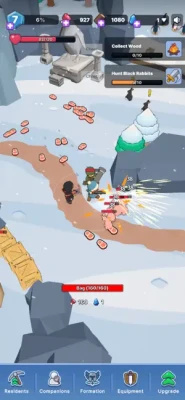
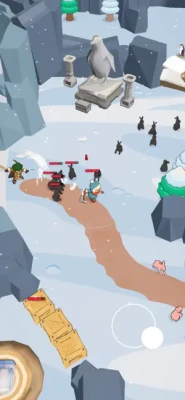
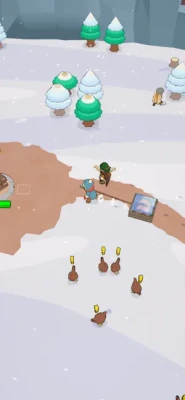
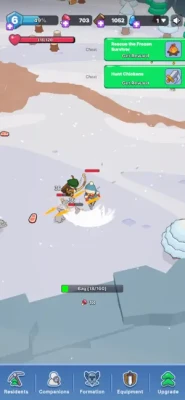
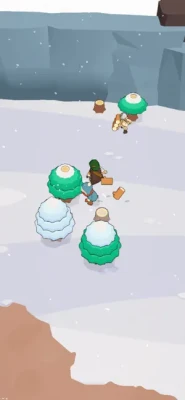
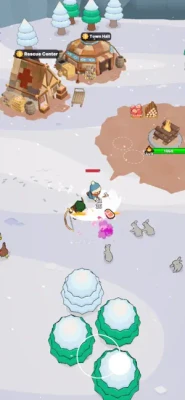
The game combines resource gathering, exploration, combat, crafting, and survival management in an icy environment where every decision can help you last longer. It is a suitable choice for players who enjoy casual survival adventures with steady progression and strategic resource management.
What Is Frozia: Eternal Frontier?
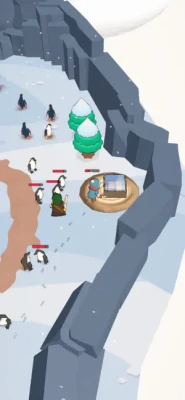
Frozia: Eternal Frontier places players in a world where freezing temperatures and dangerous creatures make survival a constant challenge. The surrounding wilderness is filled with resources to collect, enemies to defeat, and survivors who may need your help. Your main objective is to establish a secure camp, keep the fire alive, and gradually become strong enough to explore more dangerous areas.
Unlike games that focus exclusively on combat, Frozia combines several interconnected activities. Gathering wood supports your fire and crafting needs, defeating monsters helps you secure resources, and rescuing companions gives you a stronger group for the challenges ahead. Progress depends on balancing these activities rather than concentrating on just one.
The frozen setting also gives the adventure a distinct atmosphere. Snow-covered surroundings, isolated locations, and the constant need for warmth create a survival experience built around preparation and gradual improvement.
Main Features of Frozia: Eternal Frontier
Survive the Freezing Wilderness
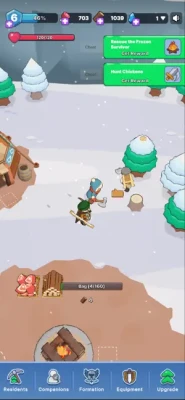
The cold is one of the central challenges in Frozia: Eternal Frontier. Your bonfire represents safety and warmth, making fuel collection an essential part of survival. Gathering wood regularly helps you maintain the fire and prepare for the next stage of your adventure.
Gather Resources and Craft Equipment
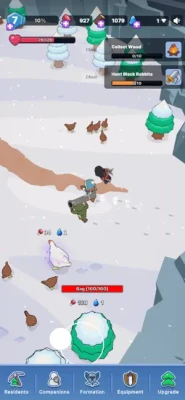
Resources are the foundation of progression. Wood and other available materials help you maintain your camp, create useful items, and improve your equipment. Collecting supplies consistently prevents shortages when you need to craft weapons or prepare for difficult encounters.
Fight Dangerous Monsters
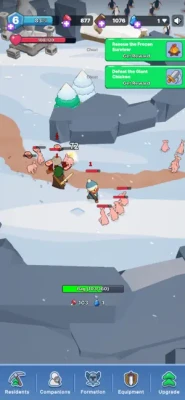
Hostile creatures inhabit the frozen wilderness. Hunting them is an important part of securing your surroundings and progressing through the game. Stronger enemies may require better weapons and more careful preparation, so improving your equipment before challenging them is a sensible strategy.
Rescue Survivors and Build a Team
You do not have to face every challenge alone. Rescuing survivors allows you to develop a group of companions who can support your progress. Finding these characters and making good use of their available abilities adds another layer of strategy to the survival experience.
Explore New Areas
Exploration opens opportunities to discover additional resources, encounter different monsters, and uncover new challenges. Moving beyond familiar territory is important for progression, but exploring without sufficient supplies or suitable equipment can make the journey unnecessarily difficult.
Improve Your Gear and Camp
Upgrading your equipment and strengthening your camp helps you prepare for tougher stages. Each improvement should support a clear objective, whether that means increasing your combat strength, improving your ability to gather resources, or making your base more secure.
Gameplay and Survival Mechanics
Keeping the Bonfire Burning
The bonfire is one of the most important elements of your survival strategy. It provides warmth in an environment where exposure to the cold can threaten your progress. Wood collection should therefore remain a regular part of your routine, even when you are focused on combat or exploration.
Avoid spending all your available wood on crafting if doing so leaves you without enough fuel. A balanced supply of materials makes it easier to maintain the fire while continuing to improve your equipment.
Resource Collection and Management
Resource gathering supports almost every part of your adventure. You need materials to maintain your camp, craft equipment, and prepare for new challenges. Some resources may take longer to collect than others, so learning which materials are essential helps you avoid wasting time.
Try to gather materials with a specific goal in mind. If your next upgrade requires wood, prioritize collecting it until you have enough. If you need a stronger weapon, focus on the materials required for that improvement rather than collecting everything without a plan.
Combat and Monster Hunting
Combat allows you to confront the creatures that threaten your survival. Your equipment and preparation play important roles in determining how efficiently you can defeat enemies.
Before entering a dangerous area, make sure your available weapons are suitable for the encounters ahead. Stronger enemies can become frustrating when your equipment has fallen behind the difficulty of the area. Improving your gear before advancing can save resources and reduce repeated attempts.
Survivor Recruitment
Finding and rescuing survivors is another important part of building a successful camp. These companions contribute to the game's team-building element and give you additional reasons to explore unfamiliar areas.
Whenever you discover a survivor, complete the available rescue objective and check how the character fits into your growing group. As your team develops, consider how its available strengths can support your next exploration or combat objective.
Exploration and Progression
Exploration gradually reveals more of the frozen frontier. New areas offer opportunities to collect materials, encounter different enemies, and pursue additional objectives.
Progress at a manageable pace. If a location contains enemies that are difficult to defeat, return after improving your equipment and gathering more supplies. Preparation is often more effective than repeatedly attempting a challenge without changing your approach.
Complete Strategy Guide for Frozia: Eternal Frontier
Beginner Strategy: Build a Strong Foundation
When starting Frozia: Eternal Frontier, concentrate on understanding the basic survival loop. Learn how to collect wood, maintain the bonfire, gather available supplies, and complete the objectives presented by the game.
Avoid rushing into distant or dangerous areas before you understand how the main systems work. Early progress should focus on building a reliable supply of materials and becoming familiar with the controls.
Complete introductory missions as they become available. These objectives can help you learn the game's mechanics while providing a clear direction for your next actions.
Your early priorities should be maintaining the fire, gathering essential materials, defeating manageable enemies, and improving your initial equipment whenever possible.
Resource Management: Avoid Running Out of Supplies
One of the most useful habits is to separate essential resources from materials that can be collected later.
Wood deserves particular attention because it supports the bonfire and may also be needed for crafting. Before spending a large quantity on equipment, consider whether you will still have enough to maintain your survival needs.
A practical resource strategy involves collecting materials in short, purposeful sessions. Gather enough for your current objective, complete the required upgrade or task, and then move to the next priority.
If a crafting project requires a large amount of material, break it into smaller goals. This makes slow gathering periods easier to manage and helps you recognize when you have collected enough to proceed.
Bonfire Strategy: Make Warmth Your Priority
Your fire should never become an afterthought. Check its condition regularly and collect wood before your supply becomes critically low.
When several objectives are available, consider whether completing one of them could leave you without sufficient fuel. If the answer is yes, collect more wood first.
You should also avoid unnecessary detours when your resources are limited. Finish nearby tasks, return to your camp when appropriate, and prepare for your next expedition with a reasonable supply of materials.
The key is consistency. A steady supply of fuel is more dependable than waiting until the bonfire becomes an urgent problem.
Combat Strategy: Prepare Before Fighting
Monster hunting becomes easier when you treat each encounter as a preparation challenge rather than a simple test of strength.
Improve your weapons whenever a useful upgrade is available. If the game provides equipment merging or crafting mechanics, examine the available options and determine which improvement offers the greatest benefit for your current stage.
Pay attention to how much effort a particular enemy requires. If a fight takes too long or repeatedly leaves you struggling, consider improving your equipment or exploring an easier area to collect additional materials.
Do not assume that every enemy must be defeated immediately. Sometimes the most efficient decision is to strengthen your character and return later.
Weapon Upgrades and Crafting
Weapon progression can make a significant difference in combat efficiency. However, crafting and upgrading consume resources that may also be needed elsewhere.
Before making an upgrade, check its requirements and consider whether the resulting improvement will help with your next major objective.
If your version of the game includes a weapon-merging system, pay attention to which items can be combined and what the resulting equipment offers. Avoid merging or spending materials without understanding the outcome, especially when resources are difficult to replace.
Focus on meaningful improvements rather than trying to upgrade everything at once. A stronger primary weapon may be more useful than several minor upgrades that do not address your biggest challenge.
Survivor Strategy: Grow Your Team Gradually
Rescuing survivors should be part of your regular progression. Explore areas thoroughly enough to discover available rescue opportunities, and complete the objectives needed to bring companions back to safety.
As your group expands, pay attention to any character roles, abilities, or progression systems available in your version. Develop the companions who best support your current needs rather than spreading every resource equally without a clear purpose.
A stronger team can make the journey feel more manageable, but recruitment should not come at the expense of essential supplies. Balance your efforts between helping survivors and keeping your camp operational.
Exploration Strategy: Advance at the Right Time
Exploring a new region can provide access to useful materials and fresh objectives, but moving forward too early can make progression harder.
Before entering unfamiliar territory, check your available resources, weapon strength, and current mission requirements. If you are struggling with nearby monsters, spend time improving your equipment before moving farther into the wilderness.
Once you enter a new area, pay attention to the available objectives and collect useful resources along the way. Completing several nearby tasks during one expedition can reduce unnecessary backtracking.
If an area appears empty or a mission does not register progress correctly, revisit the objective details and check for available game updates. Occasionally, a technical issue may interfere with progression, and repeatedly performing the same action may not solve it.
Mission Strategy: Follow Objectives Efficiently
Missions provide structure and help you determine what to do next. Read each objective carefully before beginning, particularly when it requires defeating a specific type of monster, collecting a particular resource, or rescuing someone.
Try to combine objectives whenever possible. For example, if a mission requires monster hunting and you also need materials for an upgrade, prioritize encounters that help you advance both goals.
After completing an objective, check whether a reward or new task has become available. This prevents you from overlooking progress and helps you identify the next useful improvement.
If an objective appears stuck, verify that you are targeting the correct enemy or resource and that the task has registered correctly.
Midgame Strategy: Balance Survival and Progression
As you advance, you may find that resource collection becomes more demanding and enemies require better equipment. At this point, efficiency becomes more important than simply completing as many actions as possible.
Establish a routine that includes collecting wood, maintaining the bonfire, gathering crafting materials, improving weapons, completing missions, and exploring when you are prepared.
Avoid spending too much time on activities that do not support your immediate goals. If your next mission requires stronger equipment, prioritize the necessary upgrades. If your main limitation is a shortage of wood, concentrate on gathering it before starting another expensive crafting project.
This approach makes it easier to identify the reason your progression has slowed and choose an appropriate solution.
Advanced Strategy: Optimize Every Expedition
Once you understand the basic mechanics, plan expeditions around specific outcomes. Decide whether you are exploring for materials, pursuing a mission, hunting a particular monster, or searching for survivors.
Prepare the resources needed for that objective before leaving your usual area. While exploring, collect other useful materials when doing so does not interfere with your main goal.
Review your progress after each expedition. Identify what you collected, what you spent, and which upgrade or mission you can now complete. This creates a more organized progression cycle and reduces wasted effort.
As new enemies appear, reassess your equipment instead of relying on the same approach for every encounter. Adaptation is an important part of surviving increasingly difficult areas.
Handling Slow Progress
Resource gathering and equipment progression can sometimes feel repetitive. When this happens, set smaller targets rather than focusing only on distant upgrades.
For example, aim to collect enough materials for one weapon improvement, complete one mission, or rescue one available companion. These smaller achievements make progress easier to track.
If you have completed the currently available missions and upgrades, check whether additional areas, enemies, or objectives have been introduced through an update. Some versions may offer limited content beyond the initial progression path, so avoid assuming that every feature will be available immediately.
Common Mistakes to Avoid
Spending Too Much Wood
Using most of your wood for crafting can leave you struggling to maintain the bonfire. Always consider your immediate survival needs before committing resources to optional improvements.
Fighting Strong Enemies Too Early
Entering difficult encounters without suitable equipment can waste time and resources. Strengthen your weapons and prepare properly before returning to challenging enemies.
Ignoring Available Missions
Missions provide useful direction and help you identify important progression goals. Check your current objectives regularly so you do not miss an opportunity to advance.
Collecting Resources Without a Plan
Gathering materials is necessary, but collecting everything indiscriminately can slow your progress. Focus on the resources required for your next upgrade or objective.
Overlooking Survivor Rescues
Survivors are an important part of the game's team-building mechanics. Explore carefully and complete available rescue objectives instead of focusing exclusively on combat.
Advancing Without Reviewing Equipment
A weapon that worked well earlier may become less effective against stronger monsters. Review your equipment whenever combat begins to feel noticeably more difficult.
Repeating Actions When Progress Is Stuck
If a mission or upgrade stops progressing, check its requirements and confirm that the relevant action is being registered. Consider restarting the game or checking for updates if the problem appears to be technical.
Tips and Tricks for Better Survival
Keep a regular supply of wood so the bonfire remains a priority rather than an emergency.
Complete nearby objectives together whenever possible to reduce unnecessary travel.
Improve your most useful weapons before attempting difficult monster encounters.
Check mission requirements carefully before spending time collecting materials.
Rescue survivors whenever suitable opportunities become available.
Gather resources with a specific crafting or upgrade goal in mind.
Return to easier areas when you need additional materials or more manageable combat.
Review your progress after each major objective and decide which improvement will help most.
Keep your game updated to benefit from available fixes and newly introduced content.
Be patient with resource-intensive upgrades and focus on steady, achievable progress.
Is Frozia: Eternal Frontier Worth Playing?
Frozia: Eternal Frontier is worth considering if you enjoy casual survival games that combine resource gathering, monster hunting, crafting, exploration, and camp management. Its frozen setting gives these familiar mechanics a clear purpose: maintain warmth, protect your growing camp, and gradually push farther into the wilderness.
The game is particularly suited to players who enjoy working toward small improvements and building a stronger position over time. Players who prefer fast-paced action without repetitive gathering may find some progression tasks slower than expected.
The overall experience depends on how much you enjoy balancing survival needs with equipment upgrades and exploration. If you like games where preparation and resource management matter as much as combat, Frozia offers a straightforward way to experience that style of adventure.
Frequently Asked Questions
What is Frozia: Eternal Frontier?
Frozia: Eternal Frontier is a casual survival game developed by Supercent, Inc. Players gather resources, maintain a bonfire, fight monsters, rescue survivors, and explore a frozen wilderness.
How do you survive in Frozia: Eternal Frontier?
Focus on collecting wood, keeping the bonfire supplied, gathering essential materials, and improving your equipment. Prepare for dangerous encounters before exploring more challenging areas.
Why is the bonfire important?
The bonfire provides essential warmth in the frozen environment. Maintaining it is a central survival task, so wood collection should remain one of your regular priorities.
How can you get stronger weapons?
Collect the materials required by available crafting and upgrade systems. Improve your equipment as your enemies become more difficult, and review any weapon-merging mechanics available in your current version.
How do you rescue survivors?
Explore the available areas and complete the objectives associated with locating and rescuing survivors. Bringing companions back to your group supports the game's team-building progression.
What should beginners upgrade first?
Beginners should focus on maintaining their survival supplies and improving equipment that helps them defeat nearby enemies. Prioritize upgrades that address your most immediate challenge rather than spending resources on everything at once.
Is Frozia: Eternal Frontier free to play?
The game is listed as free to download on the Apple App Store. The availability of optional purchases and specific features may depend on the current version and platform.
Can you play Frozia: Eternal Frontier on iPhone and iPad?
Yes. The Apple App Store listing identifies iPhone and iPad as supported devices and requires iOS 15.0 or later for iPhone compatibility, with the corresponding iPadOS requirement applying to iPad.
Final Thoughts
Frozia: Eternal Frontier turns survival in a frozen wilderness into a series of connected challenges. Keeping the bonfire burning, gathering resources, improving weapons, rescuing survivors, and exploring new locations all contribute to your progress.
The most effective strategy is to prepare before taking risks, spend materials carefully, and work toward clear objectives. Instead of rushing into every encounter, build a reliable supply of resources and improve your equipment as the challenges grow.
With consistent resource management and thoughtful preparation, you can develop a stronger camp, overcome more dangerous monsters, and explore more of the frozen frontier.
Rate the Game
User Reviews













Popular Games



















 Android
 iOS
 Windows
 Xbox