










Latest Version
October 18, 2026
Chilly Room
Role Playing
iOS
0
Report a Problem
More About :game
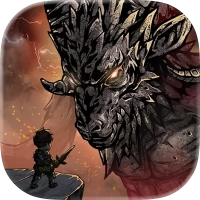
What Is World of Kungfu: Dragon & Eagle?
World of Kungfu: Dragon & Eagle offers a different kind of martial arts adventure from action games that depend on quick reflexes. Instead of constantly tapping attack buttons, players must think carefully about their abilities, equipment, positioning, and party composition. Every encounter can become a tactical challenge, particularly when facing stronger enemies or groups with different combat styles.
The game draws inspiration from wuxia, a Chinese storytelling tradition centered on martial artists, rival schools, personal honor, secret techniques, and conflicts between powerful factions. Its pixel-art presentation gives the world a classic RPG appearance while allowing the story and combat systems to take center stage.
Exploration is an important part of the experience. Travelers can visit towns, cross dangerous landscapes, investigate unusual locations, meet potential companions, and discover opportunities that may not be obvious during the main story. With multiple narrative paths and endings, the decisions made throughout an adventure can influence how the journey unfolds.
Key Features of World of Kungfu: Dragon & Eagle
1. Turn-Based Tactical Combat
Combat rewards planning rather than simply choosing the strongest attack. Players must consider the abilities available to each character, the enemies they face, and the best moment to use powerful techniques.
2. A Large Martial Arts World
The adventure spans locations such as Xiangyang, Jingzhou, Jiangdong, Bashu, and the Central Plains. Towns, mountains, rivers, and hidden routes provide opportunities to explore beyond the main objectives.
3. Multiple Martial Arts Styles
Players can develop different approaches to combat through swordplay, staff techniques, hand-to-hand fighting, hidden weapons, and melody-based techniques. The game advertises more than 300 special abilities and 350 traits, giving character development considerable depth.
4. Branching Storylines and Multiple Endings
The story includes two main narrative routes associated with the Deserted Temple and Feather Robes. Choices involving martial arts schools, noble families, allies, and other factions can lead to different experiences and outcomes.
5. Recruitable Companions
Companions help turn individual encounters into coordinated team battles. Building a balanced group can provide more flexibility than relying entirely on the main character's damage output.
6. Equipment, Treasures, and Crafting Progression
Exploration offers rewards beyond experience. Players can mine ores to improve equipment, identify artifacts to uncover valuable weapons, and search for items that strengthen their characters.
7. A Substantial Single-Player RPG
The advertised experience offers more than 40 hours of choice-driven gameplay per journey. Its multiple paths encourage players to revisit the world and discover content they may have missed during an earlier playthrough.
World of Kungfu: Dragon & Eagle Gameplay Guide
Understanding the Main Gameplay Loop
The adventure revolves around exploration, character development, conversations, quests, and turn-based battles. A successful journey requires more than collecting powerful techniques. You also need to understand your characters, prepare for difficult encounters, and make sensible decisions about which activities deserve your time.
A productive routine looks like this:
Explore the current area and speak with important characters.
Complete available quests and investigate unusual locations.
Collect useful equipment, materials, and rewards.
Review your martial arts abilities and character traits.
Improve your party before challenging dangerous opponents.
Return to the main story when your team is adequately prepared.
This approach helps you avoid rushing into encounters that demand better equipment or a more balanced team.
Beginner Tips for New Players
Learn the combat system before spending resources. Take time to understand the abilities available to your main character and companions. Pay attention to their strengths and weaknesses rather than choosing techniques based only on their descriptions.
Explore before leaving an area. Towns and wilderness locations may contain useful characters, side activities, hidden paths, and valuable items. A short detour can provide resources that make later battles easier.
Speak to NPCs more than once when appropriate. Conversations and quest decisions are part of the game's wider progression. Avoid assuming that every character is merely background decoration.
Develop a balanced team. A party with several characters performing the same role may struggle against enemies that exploit its weaknesses. Experiment with complementary fighting styles.
Save your progress regularly. Player reviews have reported crashes and occasional save-related problems on some iOS versions. Keep recent manual saves where the game allows it, especially before major battles, important choices, or joining a faction. Avoid relying entirely on autosaving.
Advanced Combat Strategy
1. Build a Team With Complementary Roles
The game's tactical combat becomes easier to manage when each party member contributes something different.
Damage dealer: Focuses on eliminating dangerous enemies efficiently.
Durable fighter: Helps withstand pressure and keeps vulnerable allies safer.
Utility specialist: Uses techniques that provide useful tactical options, depending on the abilities available.
Flexible fighter: Adapts to the encounter with additional damage, support, or a specialized martial arts style.
These are suggested team-building roles, not fixed character classes. The best arrangement depends on the techniques, traits, and companions you have unlocked.
2. Choose Techniques for Their Practical Value
World of Kungfu: Dragon & Eagle features numerous abilities, so collecting techniques without a clear plan can make character development unnecessarily complicated.
When comparing skills, consider:
How much damage the technique can deal.
Whether it affects one target or several.
Its resource cost and frequency of use.
Whether it provides defensive or tactical benefits.
How well it complements your character's other abilities.
A technique with excellent damage may be less useful than a flexible ability that helps you control a difficult encounter. Test combinations rather than assuming that the highest displayed number always represents the strongest choice.
3. Focus on Dangerous Enemies First
During difficult battles, identify the opponents most likely to disrupt your strategy. An enemy with powerful attacks or troublesome abilities may deserve attention before a weaker target.
Use this general approach:
Examine the opposing group before committing to a plan.
Identify the enemy presenting the greatest immediate threat.
Concentrate your strongest available attacks when doing so is efficient.
Keep vulnerable companions from taking unnecessary damage.
Adjust your target priorities when the battlefield changes.
Do not automatically attack the nearest enemy. A more dangerous opponent may be worth targeting even if reaching it requires a different approach.
4. Manage Resources Carefully
Powerful martial arts techniques are valuable, but using them without considering the remaining battle can leave your party in a difficult position.
Use ordinary attacks or less expensive abilities when they are sufficient. Reserve stronger techniques for dangerous enemies, critical moments, or situations where ending a fight quickly prevents greater damage.
After a difficult encounter, review your remaining resources and prepare before moving into another dangerous area.
5. Adapt Your Strategy to Each Encounter
A single combat setup will not necessarily work against every opponent. Enemies may differ in durability, damage output, and the pressure they place on your party.
If your current approach repeatedly fails, reconsider your equipment, skill selection, target priority, and companion arrangement. Improving the way you use your existing resources may be more effective than simply repeating the same fight.
Character Progression and Martial Arts Development
Choosing Your Fighting Style
One of the most appealing aspects of this martial arts RPG is the freedom to experiment with different fighting styles. Swordplay, staff combat, unarmed techniques, hidden weapons, and melody-based abilities offer different ways to approach encounters.
Rather than developing every available technique equally, choose a primary style that suits your preferred approach and support it with complementary abilities.
For example, a character built around direct damage may benefit from additional options that improve flexibility or survivability. A character with a broader selection of techniques can respond to more situations, but spreading resources too thinly may slow progress in the abilities you use most often.
Understanding Traits
Traits provide another layer of character customization. Since the game advertises hundreds of traits, it is worth reading their effects carefully and selecting those that support your intended build.
Consider the following principles:
Prioritize traits that consistently support your main fighting style.
Look for combinations that improve one another.
Avoid investing in benefits that rarely affect your usual encounters.
Revisit your build as new abilities and equipment become available.
The objective is not to collect the largest possible number of upgrades. It is to create a character whose abilities work together.
Improving Equipment
Equipment progression can make a meaningful difference when enemies become more demanding. Mining ores, identifying artifacts, and finding better weapons give exploration a practical purpose.
Check new equipment against your current setup rather than automatically replacing everything with the latest item. Consider whether a weapon or upgrade improves your preferred techniques and whether its benefits justify the resources required.
If progress slows, revisit earlier areas and look for uncompleted activities or overlooked rewards before attempting the same difficult encounter repeatedly.
Exploration, Quests, and Faction Choices
Explore Beyond the Main Story
The world contains more than its central questline. Exploring towns, mountain paths, rivers, and other locations can reveal characters, materials, and opportunities that are easy to miss when rushing between objectives.
A useful exploration routine is to investigate visible side routes, speak with local characters, check available quest information, and return to previously visited areas when new story developments provide a reason to do so.
Make Dialogue Choices Carefully
Choices can influence relationships, faction involvement, narrative developments, and eventual endings. There is no need to treat every conversation as a puzzle with one universally correct answer.
Instead, decide what kind of martial artist you want your character to become. A journey built around loyalty and conventional martial values may unfold differently from one shaped by ambition, pragmatism, or cooperation with less conventional allies.
When a choice appears important, consider creating a separate save first if the game permits it.
Join Martial Arts Schools Strategically
The world features established martial arts organizations, including the Qingcheng Clan, Shaolin Temple, and the Mount Jun Beggar Gang. These groups contribute to the setting and provide context for the game's martial arts traditions.
Before committing to a faction, pay attention to its associated story opportunities and any requirements presented in the game. Avoid joining a group simply because it sounds powerful; consider whether its route fits your preferred experience.
Different decisions can affect the content you encounter, making faction choices an important part of replaying the game.
How to Find Hidden Treasures and Valuable Items
Exploration is especially rewarding when you approach it with a purpose. Instead of moving directly from one quest marker to the next, look for opportunities to gather materials, identify artifacts, and discover equipment that can improve your party.
Treasure Hunting Tips
Investigate optional paths before leaving a region.
Collect ores when you encounter useful mining opportunities.
Identify artifacts rather than assuming their value from their appearance.
Review newly discovered weapons and compare them with your current equipment.
Recruit suitable NPCs when the opportunity becomes available.
Revisit earlier locations if new quests or story developments open additional possibilities.
Some discoveries may support immediate combat progression, while others may help with longer-term character development. Keeping track of useful resources makes it easier to prepare for more challenging sections.
Story Routes and Replayability
World of Kungfu: Dragon & Eagle is designed for players who enjoy exploring alternative storylines rather than completing a single linear campaign. Its two advertised main routes, Deserted Temple and Feather Robes, provide different narrative directions, while relationships with martial schools, noble families, and other groups add further variation.
The game advertises more than a dozen endings, making replaying the adventure a meaningful part of the experience.
For your first playthrough, concentrate on understanding the world, developing a reliable party, and following the choices that interest you. On subsequent runs, experiment with different decisions, character builds, and faction relationships.
Trying to discover every possible outcome during your first journey can make the experience unnecessarily complicated. Allowing the story to unfold naturally often makes later playthroughs more rewarding.
Common Beginner Mistakes to Avoid
Rushing Through Quests
Moving too quickly through the main story can cause you to miss useful equipment, optional encounters, and character interactions. Explore thoroughly when you arrive in a new area.
Choosing Abilities Without a Plan
Unlocking many unrelated techniques can leave your character without a clear specialty. Focus on a coherent build and add complementary abilities as your needs change.
Ignoring Companions
Your allies are more than extra damage sources. Their different abilities can give you additional tactical options. Review your party regularly and make use of its strengths.
Neglecting Equipment
A strong skill setup cannot always compensate for poor equipment. Compare available upgrades and use mining or treasure-hunting opportunities when your progression begins to slow.
Repeating Failed Battles Without Adjustments
If you repeatedly lose, identify what caused the failure. You may need better preparation, a different target priority, more appropriate techniques, or a stronger party composition.
Relying on a Single Save
Because some iOS players have reported technical issues, maintaining multiple saves when possible is a sensible precaution. Save before major decisions and difficult encounters, and check that your progress has been recorded.
Is World of Kungfu: Dragon & Eagle Worth Playing?
World of Kungfu: Dragon & Eagle is particularly appealing to players who enjoy traditional RPG progression, tactical turn-based combat, detailed character builds, and stories shaped by their decisions.
What the game does well
Extensive martial arts and character customization.
A substantial single-player adventure.
Multiple story routes and endings.
Exploration with useful equipment and treasure rewards.
A distinctive pixel-art wuxia setting.
Things to consider
The many abilities and traits can take time to understand.
Some gameplay systems may require experimentation.
Turn-based combat may not suit players seeking fast, real-time action.
Player reviews have reported occasional crashes and save-related bugs on iOS.
The complete mobile game requires a paid unlock after the trial.
Difficulty and Accessibility
The game's depth makes it suitable for players who enjoy learning systems and improving their strategies. Beginners can start by focusing on a few reliable abilities and gradually experiment with more complex combinations.
Players who prefer straightforward action, minimal menus, or a highly linear story may find the experience less appealing.
Game Information
Game title: World of Kungfu: Dragon & Eagle
Developer: ChillyRoom
Genre: Role-playing game, tactical RPG
Setting: Wuxia-inspired China during the Southern Song Dynasty
Visual style: Pixel art
Combat: Turn-based tactical battles
Game modes: Single-player
Main activities: Exploration, quests, martial arts training, party building, treasure hunting, and character progression
Story structure: Branching narratives with multiple endings
Platforms: iPhone and iPad; the game is also listed for Android and Windows
iOS compatibility: iOS 12.0 or later, according to the listed requirements
Pricing: Free trial with a one-time purchase to unlock the full game; prices may vary by region
Developer's advertised playtime: More than 40 hours per journey
Frequently Asked Questions
Is World of Kungfu: Dragon & Eagle free to play?
The mobile version provides a trial covering Xiangyang City and its surrounding area. The full experience requires a one-time purchase, which can be made after trying the game or immediately upon downloading it.
What type of game is World of Kungfu: Dragon & Eagle?
It is a single-player, turn-based tactical RPG featuring pixel-art graphics, martial arts progression, exploration, companions, and a branching wuxia story.
How does combat work?
Combat uses turn-based tactical decisions rather than relying on continuous real-time attacks. Players select abilities, manage their party, assess enemies, and choose appropriate actions to win encounters.
Can you recruit companions?
Yes. The game allows players to form alliances with different characters and recruit certain NPCs. Companions provide additional options when building a party and preparing for battles.
How many martial arts abilities are available?
The game advertises more than 300 special abilities and 350 traits, allowing players to experiment with different fighting styles and character builds.
Does the game have multiple endings?
Yes. The game advertises more than a dozen endings, with story outcomes influenced by decisions and the narrative paths players follow.
Can you explore an open world?
The game features broad exploration across multiple regions, including towns, mountains, rivers, and other locations. Players can investigate optional paths and discover activities beyond the central storyline.
Is World of Kungfu: Dragon & Eagle suitable for beginners?
Yes, particularly for players who enjoy learning RPG systems at their own pace. However, its large selection of skills, traits, and character-building options may require some experimentation.
Is World of Kungfu: Dragon & Eagle available on PC?
Yes. The game is also available on Windows, and the mobile release is presented as an adaptation of the PC experience.
What should you do if a difficult battle seems impossible?
Review your equipment, change your party setup, and check whether you have missed useful upgrades or side activities. Experiment with different techniques and target priorities instead of repeating the same approach.
Is it worth replaying?
Yes. Different story routes, faction decisions, character builds, and endings give players reasons to return after finishing an initial playthrough.
Rate the Game
User Reviews














Popular Games



















 Android
 iOS
iOS Windows
 Xbox
Xbox