








Latest Version
October 11, 2026
DAERI SOFT Inc
Role Playing
Android
0
com.daeri.jcrpgs
Report a Problem
More About :game
Instead of locking players into traditional character classes, RISING JOBBIES encourages experimentation. You can customize your character's stats, combine different weapons, learn a wide range of skills, and create a build that suits your preferred playstyle.
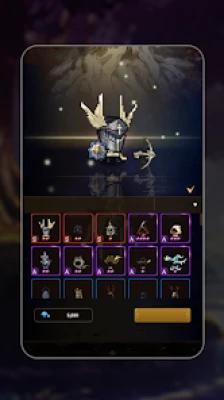
The game features more than 20 weapon types, over 100 skills, and 24 equipment types, giving players plenty of combinations to explore. Its progression systems include boss fights, growth dungeons, and ranking challenges, making it suitable for fans of idle RPGs who enjoy experimenting with builds and steadily improving their characters.
Story and Fantasy Setting
The story begins with a hero who has been cast out from their party. Rather than ending the journey, this setback becomes the starting point for a new adventure.
Your mission is to grow stronger, discover your own fighting style, and help save Elvenheim. The fantasy setting provides a backdrop for battles against increasingly powerful enemies and challenges that test how well you have developed your character.
The central theme is independence. You are not limited to following a predetermined class or copying a single build. Your choices in stats, weapons, skills, and equipment help define your character's identity.
Main Features of RISING JOBBIES
1. Flexible Character Builds
RISING JOBBIES allows you to shape your character rather than committing to a fixed class. You can customize stats, choose skills, and combine equipment to build a character around your preferred approach.
This flexibility is one of the game's main attractions, but it also means that experimenting without a plan can waste resources. Understanding what your build is designed to do will help you make more useful decisions.
2. More Than 20 Weapon Types
The game offers a wide range of weapons, giving you different ways to approach combat. Weapon choice is an important part of your build because it should complement your skills and character development.
Try different options as you progress, but avoid changing everything at once. Testing one weapon setup at a time makes it easier to understand which combination performs best.
3. Over 100 Skills
Skills add variety to character development and provide many opportunities to experiment. You can combine abilities to support different approaches to combat, whether you prefer focusing on damage, consistency, or a more specialized setup.
Rather than selecting skills simply because they sound powerful, consider how they work together and whether they support your current weapon choice.
4. 24 Equipment Types
Equipment provides another layer of customization. Finding suitable gear and improving your setup can help you advance through difficult encounters.
Compare the effects of available equipment and consider how each piece contributes to your build. A useful item should support your combat strategy rather than simply increase a number without addressing your needs.
5. Customizable Stats
Stat allocation gives you additional control over your character's strengths. The best approach depends on your weapons, selected skills, and current challenges.
A balanced build may be useful while learning the game, but more focused investment can become valuable once you understand which attributes support your chosen strategy.
6. Idle RPG Progression
The idle RPG format supports gradual character development. You can improve your character over time while working toward stronger equipment, more effective skills, and new challenges.
The key is to use your available resources thoughtfully. Idle progression can help you grow, but your build choices still influence how efficiently you handle tougher content.
7. Boss Battles
Boss encounters test the strength of your character and the effectiveness of your setup. They provide useful milestones for identifying whether your weapons, stats, and skills are working well together.
If a boss is too difficult, review your build and make targeted improvements before attempting it again.
8. Growth Dungeons
Growth dungeons offer additional challenges and progression opportunities. They are worth incorporating into your routine when their rewards help you improve your character.
Check which activities are available and prioritize those that support your immediate upgrade goals.
9. Ranking Challenges
RISING JOBBIES includes ranking-based challenges for players who want to measure their progress. These provide an additional objective beyond simply advancing through the game's main content.
Treat rankings as an optional challenge while you are still developing your build. A stronger character and a better understanding of your skills can make competitive goals more achievable.
Gameplay: How RISING JOBBIES Works
The main gameplay loop involves developing your character, choosing equipment, learning skills, and taking on increasingly demanding enemies. Rewards support further upgrades, while experimentation helps you discover combinations that fit your preferred playstyle.
Unlike class-based RPGs, the game emphasizes freedom of choice. Your weapon does not need to define your entire character permanently, and your skill selection can be adjusted as you learn more about the available systems.
The most effective way to progress is to build around a clear goal. Decide what you want your character to do, select weapons and skills that support that goal, and use boss battles and dungeons to test the result.
Complete RISING JOBBIES Strategy Guide
1. Learn the Core Systems Before Spending Resources
At the beginning, concentrate on understanding the relationship between stats, weapons, skills, and equipment. These systems work together, so upgrading one without considering the others may not produce the result you expect.
Follow the introductory objectives and read the explanations for newly unlocked features. Use early encounters to learn how your character performs rather than trying to create a perfect build immediately.
Beginner priorities:
Understand the basic upgrade systems.
Try the available weapons and skills.
Learn how stats affect your character.
Equip useful gear as you obtain it.
Complete accessible challenges for rewards.
Save resources for improvements that support your chosen build.
2. Choose a Build Direction
The freedom to customize your character is a major strength of RISING JOBBIES, but having too many options can make it difficult to decide what to upgrade.
Start with a simple plan. Choose a weapon style that you enjoy, then look for skills and stats that complement it. As you become more familiar with the game, you can experiment with more specialized combinations.
Avoid investing heavily in several unrelated approaches at the same time. A focused build is easier to evaluate and refine.
A practical build-planning process:
Choose a weapon setup you want to test.
Read the available skill descriptions.
Identify the stats that support your intended approach.
Equip gear that complements the setup.
Test the build against ordinary enemies.
Try a boss or dungeon challenge.
Adjust one or two elements based on the results.
This approach helps you learn from each change instead of relying on guesswork.
3. Experiment with Weapons Carefully
With more than 20 weapon types available, choosing equipment can feel overwhelming. Rather than constantly switching weapons, test a small number of options and compare their performance.
Pay attention to how comfortably a weapon fits your selected skills and stats. Consider whether it helps you defeat enemies efficiently and whether it performs well when encounters become more difficult.
A weapon that suits your playstyle may be more useful than one you choose simply because it appears more impressive.
When trying a new weapon, keep the rest of your build relatively stable. This makes it easier to see whether the weapon itself improves your results.
4. Build a Skill Combination That Makes Sense
The game offers over 100 skills, so choosing every appealing ability is unlikely to produce the most effective setup.
Read skill descriptions and consider what each ability contributes. Look for combinations that support a shared objective rather than filling your build with unrelated effects.
If you want to improve your damage output, prioritize skills that work toward that goal. If your character struggles in difficult encounters, consider whether your current setup needs a different balance.
Skill-building tips:
Understand what each skill does before investing.
Select abilities that complement your weapon choice.
Avoid changing your entire skill setup at once.
Test new combinations in manageable encounters.
Revisit your skills when a boss exposes a weakness.
The best combination is the one that works reliably for your current build and the content you are trying to clear.
5. Allocate Stats with a Purpose
Stat customization allows you to shape your character's strengths, but random allocation can make progression less efficient.
Before investing, consider what your weapon and skills need. Focus on the attributes that support your main strategy instead of distributing points without a clear reason.
If you are still learning the game's systems, prioritize a straightforward setup and observe how your character performs. As you gain experience, you can refine your allocation based on the challenges you encounter.
When progress slows, check whether your stats support your actual equipment and skills. A mismatch between these systems may be more important than simply needing higher numbers.
6. Upgrade Equipment Intelligently
Equipment improvements can make a meaningful difference, especially when your current setup is struggling against stronger enemies.
Compare new items with what you already have. Consider their effects, how they complement your character, and whether the upgrade is worth the resources required.
Avoid spending everything on a minor improvement if a more important upgrade is approaching. Keeping some flexibility in your resource budget helps you respond when you obtain better gear or unlock another useful system.
Review your equipment regularly, particularly before attempting a difficult boss or growth dungeon.
7. Use Boss Battles as Build Tests
Boss fights are valuable opportunities to evaluate your character. If you can handle ordinary enemies comfortably but struggle against a boss, your setup may need a more targeted adjustment.
After a failed attempt, review your weapons, skills, stats, and equipment. Identify the most likely weakness and make a focused change before trying again.
Avoid changing every part of your build at once. If you alter too many variables, it becomes difficult to determine which improvement actually helped.
Boss preparation checklist:
Check your current equipment.
Review your selected skills.
Confirm that your stats support your build.
Complete useful upgrades before retrying.
Compare results after making adjustments.
This turns a difficult encounter into a practical learning opportunity.
8. Make Growth Dungeons Part of Your Routine
Growth dungeons offer another way to pursue character progression. They can be especially useful when you need additional rewards to support your next upgrade.
Check the available dungeon options and determine which rewards are relevant to your build. Prioritize activities that help you address your current bottleneck instead of repeating content without a clear purpose.
As your character grows, revisit earlier activities when appropriate. A challenge that was difficult before may become easier, allowing you to collect rewards more efficiently.
9. Balance Idle Progression with Active Play
Idle RPG systems make gradual development part of the experience. Use the progression available to you, then return to the game to collect rewards and decide how to invest them.
When you have time for an active session, focus on activities that help you learn or improve your character. This might include testing a weapon, refining your skill selection, or attempting a boss.
You do not need to make every possible upgrade immediately. A steady approach can help you avoid wasting resources while still making progress.
10. Approach Ranking Challenges Strategically
Ranking challenges provide a way to compare your progress with other players. However, they are best approached when your character has a clear build and a reasonable level of development.
Focus on improving the parts of your setup that directly affect your performance. Compare your results after making changes and avoid spending resources on upgrades that do not support your current goals.
If rankings are not your priority, concentrate on personal progression instead. Building a character you enjoy playing can be more rewarding than chasing a position before you are ready.
11. Avoid Wasting Resources on Constant Rebuilding
The freedom to change your character is useful, but experimenting without a plan can slow development.
Before making a major change, identify what you want to improve. If a new weapon requires different stats and skills, consider the full cost of switching rather than looking at the weapon alone.
Keep notes on combinations that perform well for you. Even a simple record of your preferred weapon, useful skills, and equipment can make it easier to return to a successful build after experimenting.
12. Create a Simple Daily Progression Routine
A consistent routine helps you keep improving without spending unnecessary time deciding what to do next.
Suggested routine:
Collect available progression rewards.
Review current missions and objectives.
Check whether your equipment needs improvement.
Complete suitable growth dungeon challenges.
Test your build against accessible enemies or bosses.
Review skill and stat choices.
Attempt ranking challenges if they match your goals.
Save resources for the next meaningful upgrade.
Adapt the routine to the features available on your account. The objective is steady progress, not completing every activity regardless of its value.
Common RISING JOBBIES Mistakes to Avoid
Choosing skills without a plan: A large skill collection gives you options, but your abilities should support a coherent build.
Changing too many things at once: Make focused adjustments so you can identify what improves your performance.
Ignoring stats: Weapons and skills may perform poorly if your attributes do not support them.
Chasing equipment rarity alone: Consider an item's actual benefits and whether it fits your character.
Spending resources on several builds: Focus on one dependable setup before investing heavily in alternatives.
Repeating difficult boss fights without adjustments: Review your character's weaknesses before trying again.
Ignoring growth dungeons: These activities can help support your development when their rewards match your needs.
Treating rankings as the only goal: Personal progression and build experimentation are important parts of the experience, too.
Is RISING JOBBIES Worth Playing?
RISING JOBBIES is worth considering for players who enjoy idle RPGs but want more control over character development than a traditional class-based system provides. Its combination of weapons, skills, stats, and equipment creates plenty of room to experiment.
The game's main appeal is the freedom to develop a character according to your own preferences. Boss battles and growth dungeons give you challenges to work toward, while ranking modes offer an additional goal for players interested in competition.
However, the large number of options may take time to understand, and players who prefer a tightly guided progression path may find the customization systems demanding. The idle format may also be less engaging for people who want constant direct control over every battle.
Pros
Flexible character development without fixed classes.
More than 20 weapon types to explore.
Over 100 skills for different build combinations.
24 equipment types.
Customizable stats and equipment choices.
Boss battles and growth dungeons.
Ranking challenges for additional goals.
Supports a more relaxed, self-directed RPG experience.
Cons
Many customization options can overwhelm beginners.
Experimentation can consume resources if done without a plan.
Finding a strong combination may require repeated testing.
Idle progression may not suit players who prefer highly active combat.
Advertisements and optional in-app purchases are included.
Frequently Asked Questions
What is RISING JOBBIES?
RISING JOBBIES is an idle fantasy RPG developed by DAERI SOFT. It focuses on flexible character customization, weapons, skills, equipment, boss battles, growth dungeons, and ranking challenges.
Is RISING JOBBIES free to play?
Yes. The game is free to download and includes advertisements and optional in-app purchases.
Does RISING JOBBIES have fixed character classes?
The game's main feature is its class-free approach to character development. Players can customize stats, choose skills, and combine weapons and equipment to create their own builds.
How many weapons and skills are available?
The official game description advertises more than 20 weapon types and over 100 skills, along with 24 equipment types.
What is the best beginner build?
There is no single build that is guaranteed to be best for every player. Start with a weapon you enjoy, choose skills that complement it, and allocate stats toward your intended approach. Test the result and adjust based on your performance.
How can I become stronger faster?
Focus on a coherent build, improve useful equipment, complete appropriate growth dungeons, and use your resources carefully. When a boss becomes difficult, identify the weakness in your setup instead of making random upgrades.
What are growth dungeons for?
Growth dungeons are additional activities designed to support character progression. Check their available rewards and prioritize the ones that help with your next important improvement.
Does RISING JOBBIES include boss battles?
Yes. Boss encounters are one of the game's main activities and provide challenges that test your character's build and development.
Is RISING JOBBIES competitive?
The game includes ranking challenges, but its official description emphasizes playing at your own pace and developing your character in your own way.
Who developed RISING JOBBIES?
RISING JOBBIES was developed by DAERI SOFT Inc.
Final Verdict
RISING JOBBIES offers a flexible idle RPG experience built around the freedom to create your own character. Its wide selection of weapons, skills, stats, and equipment gives players room to experiment, while boss battles, growth dungeons, and ranking challenges provide goals for continued progression.
For beginners, the best approach is to start with a clear build direction, test combinations carefully, and spend resources on improvements that support your chosen strategy. With a little experimentation and consistent progression, you can create a Jobbie that reflects your preferred way to play.
Rate the Game
User Reviews














Popular Games



















 Android
 iOS
iOS Windows
 Xbox
Xbox