





Latest Version
October 10, 2026
DAERI SOFT Inc
Role Playing
Android
0
com.daerigame.rellion
Report a Problem
More About :game
The game combines automatic progression with hero development and tactical team building. Characters can continue growing while you are offline, allowing you to collect accumulated resources when you return. However, steady progress still depends on improving your heroes, choosing suitable formations, and preparing for increasingly demanding battles.
With anime-inspired character illustrations, skill animations, dungeons, multi-boss raids, and daily activities, RELLION is designed for players who enjoy collecting heroes and developing a team over time.
What Is RELLION: NPC Survival?
RELLION: NPC Survival is a single-player idle role-playing game that blends fantasy storytelling with hero collection and automated combat. Its central premise revolves around an overlooked world where NPCs are struggling to survive, and your arrival introduces a new possibility for the realm.
Rather than requiring constant attention, the game allows resources to accumulate during periods of inactivity. You can return to collect those rewards, strengthen your characters, and continue progressing through the available content.
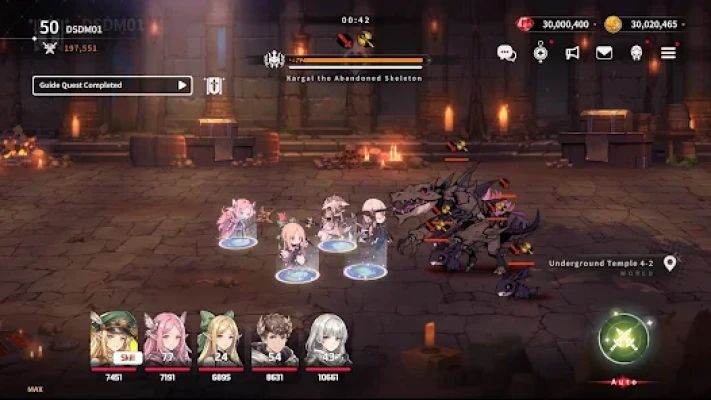
The strategic side comes from team composition and formation placement. Developing powerful heroes matters, but so does arranging your team in a way that suits the encounter. Dungeons and multi-boss raids provide additional challenges beyond the main adventure.
Main Features of RELLION: NPC Survival
Hero Collection and SSR Characters
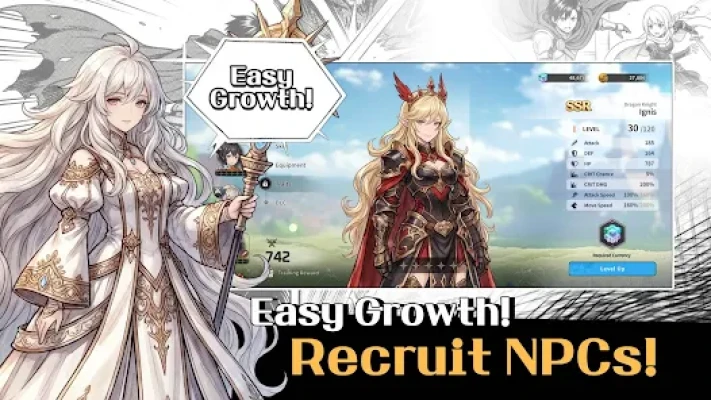
Heroes are the foundation of your team. RELLION promotes a powerful SSR hero reward for starting players, giving newcomers an opportunity to begin their adventure with a strong character.
As you develop your roster, consider how each available hero contributes to the team rather than focusing only on rarity. A balanced group can be more useful than a collection of powerful characters that do not work well together.
Idle Rewards and Offline Growth
One of the game's defining features is its idle progression system. Resources accumulate while you are away, allowing you to claim stored rewards when you return.
This system is useful for players who cannot spend long periods playing every day. Instead of remaining active for every resource gain, you can collect accumulated materials and use them to improve your heroes before your next battle.
Tactical Battles and Team Formations
RELLION includes team-building and formation-placement mechanics. These choices can influence the outcome of a fight, making it worthwhile to examine your lineup when a battle becomes difficult.
Simply increasing character levels may not always be the most efficient solution. Adjusting your formation and considering the traits of your available heroes can provide another way to approach challenging encounters.
Anime-Style Characters and Skill Animations
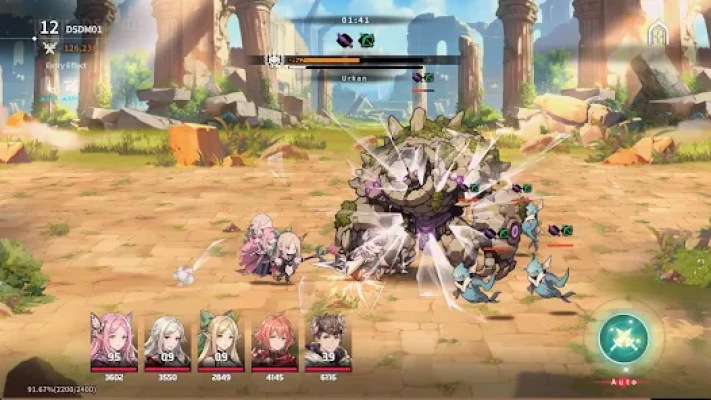
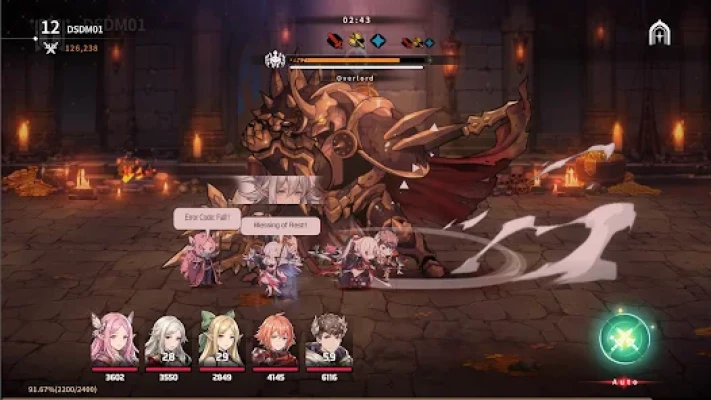
The game features colorful fantasy characters, stylized illustrations, and animated combat skills. These visual elements give the adventure an anime-inspired identity and help distinguish its heroes during battles.
Dungeons and Multi-Boss Raids
Dungeons and multi-boss raid encounters provide additional activities for players who want to test their team's strength. These modes also give you reasons to continue improving your roster after making progress in the main adventure.
Daily Tasks and Regular Progression
Daily activities provide a structured way to earn resources and keep your account progressing. Players with limited time can focus on the most valuable available tasks instead of spending every session grinding the same encounter.
How to Play RELLION: NPC Survival
If you are new to RELLION, begin by learning its main progression systems. The game becomes easier to manage when you know how to collect rewards, upgrade heroes, and identify the reason your team is struggling.
Step 1: Begin your adventure
Complete the introductory content and familiarize yourself with the main menus. Review the starting rewards and available hero options before investing resources heavily.
Step 2: Build your first team
Use your available heroes to create a functional lineup. Pay attention to their traits and the way they fit together, rather than selecting characters based only on their rarity.
Step 3: Collect idle resources
Return regularly to claim accumulated rewards. Use these resources to improve your team and prepare for the next stage of the adventure.
Step 4: Upgrade with a purpose
Prioritize upgrades that help your current team overcome its biggest weakness. If your heroes are struggling to survive, improve their development before concentrating entirely on offensive power.
Step 5: Adjust your formation
When you encounter a difficult battle, review your team placement and available hero combinations. A different arrangement may perform better without requiring a major increase in character levels.
Step 6: Explore additional content
As activities become available, try dungeons and multi-boss raids. These encounters provide further challenges and opportunities to test your team's development.
Step 7: Establish a daily routine
Complete useful daily activities, collect your idle rewards, and spend your resources carefully. Consistent progress can be more effective than making upgrades without a clear goal.
RELLION: NPC Survival Strategy Guide
1. Build a Balanced Team Before Chasing Rarity
Obtaining a rare hero can give your account a useful boost, but rarity alone should not determine every team decision.
Look at the traits of your available characters and consider how they work together. Your goal is to create a lineup that can handle the encounter, not simply to place the rarest heroes into every available position.
As your roster expands, compare possible combinations and keep the heroes that contribute most effectively to your current progression.
2. Spend Upgrade Resources Carefully
Early resources can disappear quickly if you upgrade every character without a plan. Focus on the heroes you use most often, especially those that make a clear difference in your ability to win battles.
Before spending materials, consider whether the upgrade addresses your current problem. A character-level increase may help in one situation, while a different team arrangement may be more useful in another.
Avoid spreading scarce resources across your entire roster until you understand which heroes are worth developing for the long term.
3. Make Offline Rewards Part of Your Routine
Idle progression is most useful when you turn accumulated resources into meaningful improvements.
Collect your stored rewards, check which upgrades are available, and use the materials where they will have the greatest effect. If you are stuck on a stage, the resources gained while away may help you strengthen your team before attempting it again.
Do not assume that collecting rewards alone will solve every progression wall. You still need to make sensible development choices.
4. Treat Formation Placement as a Strategic Tool
Formation is one of the important tactical elements highlighted by RELLION. When a battle repeatedly ends in defeat, resist the urge to make the same attempt without changing anything.
Review your lineup and experiment with different placements or hero combinations. Observe whether the new arrangement helps your team perform better.
Make one change at a time when possible. This makes it easier to understand which adjustment improved the result.
5. Diagnose Defeats Instead of Repeating Them
A failed battle can reveal what your team needs.
If your heroes cannot remain in the fight long enough, focus on strengthening their development and reviewing the lineup. If your team survives but cannot defeat the enemies, look for ways to improve its overall combat effectiveness.
Use each defeat as a reason to reassess your strategy. Repeating the same battle without making a meaningful change is rarely the best use of your time.
6. Progress Through the Main Adventure at a Sustainable Pace
The main adventure gives you a clear progression goal, but some stages may demand more preparation than others.
When you reach a difficult encounter, take a break from repeated attempts and work on available upgrades or other activities. Return when your team is stronger or when you have identified a better formation.
This approach helps you avoid wasting resources on rushed upgrades and makes progression more deliberate.
7. Use Dungeons to Develop Your Team
Dungeons offer additional challenges outside the main adventure. When these activities are available, include them in your regular routine and use them to test how well your heroes perform in different encounters.
Pay attention to which characters contribute consistently. The results can help you decide where future resources should go.
Check the rewards and requirements of each activity before committing time or resources, particularly when your team is still developing.
8. Prepare for Multi-Boss Raids
Multi-boss encounters can put greater demands on a developing roster. Before entering a difficult raid, review your heroes' progression and make sure your main lineup is ready.
Avoid spending everything on a single upgrade without considering the rest of your team. A stronger overall lineup and a suitable formation can provide a more reliable foundation for challenging content.
If a raid proves too difficult, return to character development and revisit it later.
9. Complete Valuable Daily Activities
Daily tasks help maintain a steady progression rhythm. Identify the activities that offer useful rewards for your current stage of the game, then complete them consistently.
For shorter play sessions, collect idle rewards first, handle important upgrades, and complete the most valuable available tasks. This routine makes it easier to make progress without turning every session into a lengthy grind.
10. Approach Limited Heroes and Events Carefully
RELLION features hero-related events and limited-time activities. These can be attractive opportunities to expand your roster, but it is sensible to review the available rewards and requirements before spending premium resources.
Decide what your account needs most. A new hero may be valuable if it fills a gap in your lineup, but strengthening your existing team can sometimes be the more practical choice.
Check current in-game event information because available characters, rewards, and event rules can change with updates.
Best Beginner Tips for RELLION: NPC Survival
Collect your idle rewards regularly. Stored resources can help you keep developing your team even when you have limited time to play.
Concentrate on your main lineup. Avoid spending valuable materials on every hero before deciding which characters you rely on.
Experiment with formations. Team placement is part of the strategy, so try alternatives when an encounter becomes difficult.
Use starting rewards wisely. A powerful early hero is an advantage, but it should fit your overall team plan.
Avoid rushing upgrades. Make improvements that address a specific weakness instead of spending resources without a clear objective.
Try different activities. Dungeons and raids offer additional ways to challenge your roster as you progress.
Keep up with daily tasks. A manageable routine helps maintain steady account development.
Review event rewards before spending. Understand what you can earn and whether it supports your current goals.
Be patient with difficult stages. Collect resources, improve your heroes, and return with a better-prepared team.
Advanced Strategies for Better Progress
Evaluate the Entire Lineup
Once you have more heroes available, compare complete team combinations rather than evaluating characters individually. A hero's usefulness depends partly on how that character fits into your overall setup.
Keep track of the lineups that perform well and reconsider combinations that consistently struggle.
Match Your Approach to the Encounter
Avoid assuming that one formation will be ideal for every battle. When the game allows you to adjust your team, experiment with placements and hero choices based on the challenge in front of you.
This is especially useful when progressing through tougher stages or attempting more demanding raid encounters.
Separate Immediate Needs From Long-Term Goals
Some upgrades can help you overcome your next obstacle, while others may support your roster over a longer period. Before using scarce materials, consider whether the investment will remain useful as your team develops.
A practical approach is to prioritize your main heroes first, then expand your investment as you learn more about your roster and the challenges ahead.
Use Idle Time to Support Active Play
Offline rewards are not a replacement for strategy. Treat them as a way to build the resources needed for your next attempt.
When you return, collect rewards, strengthen your lineup, review your formation, and try the stage again. This creates a simple progression cycle without requiring constant play.
Common Mistakes to Avoid
Upgrading too many heroes at once: This can spread your resources too thin. Focus on your primary team before investing heavily in additional characters.
Ignoring formation placement: If the game offers tactical positioning, use it. Repeated defeats are a good reason to experiment with your lineup.
Relying only on character levels: Hero development matters, but team composition and formation choices are also important parts of RELLION's combat system.
Repeating a failed battle without adjustments: Review your strategy before trying again. Change your lineup, improve your heroes, or gather more resources.
Neglecting idle rewards: Accumulated resources can support your progress, so collect and spend them with a clear purpose.
Spending premium resources impulsively: Check the current rewards and requirements before committing to a limited event or hero-related offer.
Expecting every stage to be completed immediately: Some encounters require further development. Use other available activities to strengthen your team instead of forcing repeated attempts.
Is RELLION: NPC Survival Worth Playing?
RELLION: NPC Survival is worth considering if you enjoy anime-inspired fantasy RPGs, collecting heroes, building teams, and making gradual progress through an idle system.
Its strongest appeal is the combination of offline resource accumulation and team-based combat. You can make progress during short sessions, while formations, hero traits, and more demanding encounters provide additional elements to consider.
However, players should understand that idle RPG progression can involve waiting for resources or strengthening characters before moving forward. The game also contains advertisements and in-app purchases. Players who dislike resource-gated progression or prefer direct, action-focused combat may find its pace less appealing.
Overall, RELLION is best suited to players who enjoy developing a fantasy roster over time and do not mind alternating between automated battles and periods of character improvement.
Pros and Cons
Pros
Idle resource accumulation supports short play sessions.
Hero collection provides long-term team-building goals.
Formation placement adds a tactical element to combat.
Anime-inspired character artwork and skill animations.
Dungeons and multi-boss raids provide additional challenges.
Daily activities offer a structured progression routine.
Cons
Progression may slow down when the team is not strong enough for the next stage.
Efficient resource management becomes important as upgrades accumulate.
Players who prefer fully manual action combat may find the idle format less engaging.
Advertisements and in-app purchases are present.
RELLION: NPC Survival – Frequently Asked Questions
What type of game is RELLION: NPC Survival?
RELLION: NPC Survival is a single-player fantasy idle RPG featuring hero collection, team formations, automatic progression, dungeons, and multi-boss raids.
Who developed RELLION: NPC Survival?
The game is developed by DAERI SOFT Inc.
Can heroes progress while I am offline?
Yes. The game advertises automatic offline growth and accumulated resources that you can claim when you return.
Does RELLION include strategic combat?
Yes. Team building, hero traits, and formation placement are highlighted as important parts of its battle system.
How do I make my team stronger?
Collect idle rewards, prioritize upgrades for your main heroes, review your formation, and use available activities to support your development.
What should I do if I cannot beat a stage?
Review your team and formation, collect available resources, and strengthen the heroes that need improvement. Return when you have made a meaningful change instead of repeating the same unsuccessful attempt.
Does RELLION have dungeons and boss raids?
Yes. The game includes a variety of dungeons and multi-boss raid content.
Is RELLION suitable for short gaming sessions?
Its idle progression and quick daily tasks make it suitable for players who prefer shorter sessions. You can collect accumulated rewards and focus on a few useful upgrades or activities.
Does RELLION contain in-app purchases?
Yes. The Google Play listing indicates that the game contains advertisements and in-app purchases.
Is RELLION: NPC Survival free to play?
It is listed on Google Play with in-app purchases. Review the current store listing for the latest pricing and purchase details.
Final Verdict
RELLION: NPC Survival offers a fantasy idle RPG experience built around hero development, offline rewards, team formations, and progressively challenging content. Its systems make it possible to advance through short sessions, while team-building choices give players reasons to keep improving their roster.
For the best results, develop a focused main team, collect idle rewards consistently, experiment with formations when battles become difficult, and spend upgrade resources with a clear goal. These habits provide a solid foundation for exploring RELLION's adventure, dungeons, and boss raids.
Rate the Game
User Reviews











Popular Games



















 Android
 iOS
iOS Windows
 Xbox
Xbox