
Latest Version
February 07, 2026
Solid Games
Casual
0
com.hw.shelter.survival
Report a Problem
More About :game
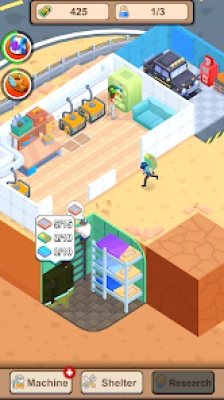
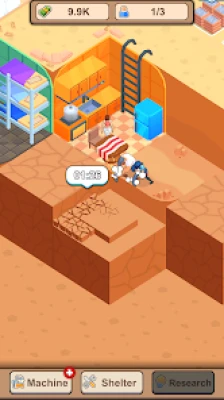
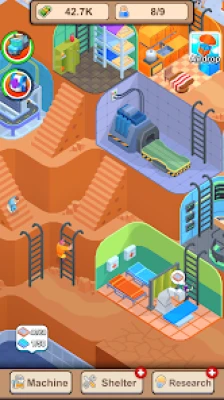
The progression gradually moves from simply trying to survive toward managing and expanding a larger underground base. The official Google Play description emphasizes expanding the shelter, optimizing its layout and developing it from a deserted starting point into a more luxurious refuge.
What Is Shelter Survival?
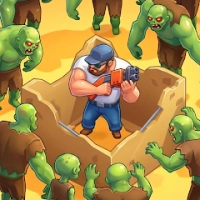
Shelter Survival combines zombie survival, resource gathering and shelter management.
Instead of controlling a traditional open-world survivor who constantly explores the map, the game focuses heavily on developing the shelter and assigning activities that help the settlement progress.
The basic progression loop is:
Defeat zombies → obtain materials → improve the shelter → unlock tools → save survivors → expand the underground base.
The game is listed in the Casual category on Google Play and is available for Android, with Windows availability also listed.
Shelter Survival Gameplay
The gameplay centers around the relationship between your shelter and the dangerous world outside.
Zombies are an important source of building materials, while shelter improvements provide the foundation for continued development.
As the shelter becomes stronger, additional tools and survivors can be unlocked. This creates a gradual sense of progression where each improvement contributes to the larger underground settlement.
The Main Gameplay Systems
Shelter Survival revolves around several connected systems:
- Zombie encounters
- Resource collection
- Shelter construction
- Shelter reinforcement
- Tool unlocking
- Survivor rescue
- Underground expansion
- Layout optimization
- Progressive shelter development
The official listing specifically describes defeating zombies to obtain building materials and using development to unlock tools and save additional survivors.
Shelter Survival Strategy Guide
1. Strengthen the Shelter Before Expanding Too Far
Your shelter is the center of the entire game.
It is tempting to immediately pursue every available expansion, but strengthening the existing base gives you a more stable foundation for future development.
Whenever you have a choice between an important reinforcement and a less important expansion, consider whether the reinforcement will help you maintain steady progression.
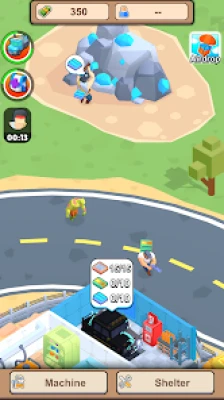
2. Collect Building Materials Consistently
Building materials are essential because they allow you to improve and expand the shelter.
Zombie encounters are one of the documented ways to obtain these materials.
Do not treat resource collection as something to do only when you are completely out of materials.
A better approach is to maintain a steady supply so that new construction can begin as soon as you have the required resources.
3. Think About the Shelter as One Connected System
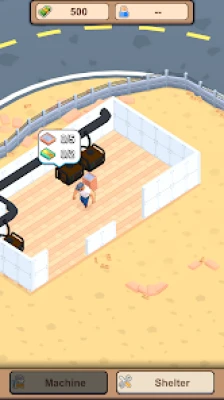
Shelter Survival encourages players to optimize their underground layout.
That means you should not think about individual rooms or upgrades in isolation.
When expanding, consider:
- What area is being developed?
- What will it connect to?
- Does the new space improve the overall shelter?
- Are you leaving useful areas difficult to access?
- Will future expansion still be possible?
A little planning early can make later development easier.
4. Unlock New Tools When They Become Available
Tool progression is an important part of Shelter Survival.
The game's description specifically states that continued development unlocks more tools.
When a new tool becomes available, consider how it changes your ability to gather resources or develop the shelter.
New tools should be viewed as progression milestones rather than simply another item to collect.
5. Rescue Survivors as Part of Your Expansion
Survivors are another important part of the game's progression.
The official description connects shelter development with saving more survivors.
When you have the opportunity to rescue someone, consider the long-term benefit of adding another survivor to your growing underground community.
6. Do Not Ignore Zombie Resources
Zombies represent more than just an enemy threat.
The official game description specifically states that defeating zombies provides building materials.
This creates an important connection between combat and construction.
Your combat progress helps fuel your shelter development, so zombie encounters can be an important part of your resource strategy.
7. Upgrade With a Clear Objective
Before spending resources, decide what the upgrade is supposed to accomplish.
For example:
Need more development? Focus on the relevant shelter improvement.
Need more materials? Prioritize activities that improve your resource flow.
Want to progress further? Work toward unlocking the next tool or survivor opportunity.
Avoid spending resources simply because an upgrade is available.
8. Keep Your Layout Organized
As the underground shelter becomes larger, organization becomes increasingly important.
Try to maintain a logical structure rather than placing every development wherever there is available space.
A well-planned shelter makes it easier to understand what you have already built and what needs to be developed next.
9. Use Progression Milestones
Rather than thinking only about the next building, set broader goals.
Useful milestones include:
- Reinforce the current shelter
- Gather enough materials for the next improvement
- Unlock a new tool
- Rescue another survivor
- Expand the underground area
- Improve the overall shelter layout
- Move toward a more developed refuge
This makes the progression easier to manage.
10. Don't Rush Every Upgrade
A larger shelter is not automatically a better-developed shelter.
Expansion should support your overall progression.
If you expand too quickly without maintaining resources and useful infrastructure, you may find yourself spending more time gathering materials before the next important improvement.
Shelter Survival Resource Tips
Resources are the foundation of your underground settlement.
The most useful principle is to keep your resource collection connected to your construction goals.
Before Gathering
Know what you are saving for.
While Gathering
Prioritize the activities that contribute toward your next meaningful improvement.
After Gathering
Spend resources on upgrades that advance your shelter rather than making random purchases.
This creates a simple resource cycle:
Gather → build → improve → unlock → expand.
Shelter Survival Building Tips
Start With Function
Early development should focus on making the shelter useful.
A functional shelter provides a better foundation for later luxury improvements.
Expand With Future Growth in Mind
When adding new areas, think about how the shelter might develop later.
Avoid treating each expansion as a completely separate project.
Improve the Layout
The official description specifically mentions continuously expanding the shelter while optimizing its layout.
This means organization is part of the game's intended progression rather than merely a cosmetic concern.
Build Toward a Thriving Shelter
The ultimate progression fantasy is not simply surviving underground.
The developer describes the goal as transforming the small-town refuge from a deserted shelter into a thriving and more luxurious underground settlement.
Keep that bigger objective in mind when deciding where to invest resources.
Shelter Survival Zombie Strategy
Zombies are an important part of the game's resource economy.
Instead of viewing every zombie encounter only as a combat obstacle, consider the materials that can be obtained by defeating them.
Prioritize Useful Encounters
If a zombie activity contributes directly toward your next construction goal, it can be particularly valuable.
Don't Let Combat Distract From Development
Combat exists to support the larger survival loop.
Keep your attention on the relationship between:
Zombie defeat → materials → construction → stronger shelter.
Use Materials Efficiently
Collecting materials is only useful if they are converted into meaningful shelter progress.
Avoid allowing your resources to accumulate without a clear development goal.
Shelter Survival Survivor Strategy
Survivors are an important part of building a functioning underground community.
When new survivors become available, think about them as part of your long-term shelter development rather than simply another progression checkbox.
A growing survivor population fits directly into the game's stated goal of turning the underground refuge into a thriving shelter.
Shelter Survival Progression Guide
Early Game
The early game is mainly about establishing your basic shelter economy.
Focus on:
- Understanding the shelter
- Gathering building materials
- Defeating zombies
- Making your first improvements
- Learning how development works
- Unlocking available tools
Do not worry about creating a perfect underground base immediately.
Mid Game
Once the shelter begins expanding, organization becomes more important.
Focus on:
- Efficient resource gathering
- Shelter reinforcement
- Survivor rescue
- Tool progression
- Better layout planning
- Larger expansions
At this point, your decisions should increasingly support the long-term structure of the shelter.
Later Progression
As your shelter develops, the focus shifts toward creating a larger and more advanced underground settlement.
Work toward:
- Continued expansion
- Improved layout
- Additional survivors
- More tools
- Stronger infrastructure
- A more developed shelter
The developer's description specifically frames the progression as a transformation from a deserted town refuge into a thriving, luxurious underground shelter.
Common Shelter Survival Mistakes
Spending Resources Without a Goal
Having enough materials to purchase an upgrade does not necessarily mean you should buy it immediately.
Think about what the upgrade contributes to your overall progression.
Ignoring the Layout
A shelter that grows without organization can become harder to manage.
Treating Zombies Only as Enemies
Zombies also provide building materials, making them part of the resource cycle.
Expanding Without Supporting Resources
Large expansion can create additional resource requirements. Keep your material supply moving alongside your construction.
Forgetting About Survivors
Survivor rescue is one of the game's documented progression mechanics and should remain part of your development plan.
Shelter Survival Features
Based on the current Google Play listing, Shelter Survival includes:
- Zombie survival gameplay
- Underground shelter building
- Building-material collection
- Zombie encounters
- Shelter reinforcement
- Tool unlocking
- Survivor rescue
- Underground expansion
- Layout optimization
- Progressive shelter development
- Casual simulation-style gameplay
- Android support
- Windows availability
- Advertising
- In-app purchases
Is Shelter Survival an Idle Game?
Shelter Survival has management and progression elements that can feel similar to idle games, particularly because activities involve assigning tasks and allowing resources and construction to progress.
However, Google Play officially categorizes the game as Casual, not specifically as an idle game.
For that reason, it is more accurate to describe it as a casual zombie survival and shelter-management game.
Is Shelter Survival Difficult?
The game is designed to be approachable, with its main challenge coming from resource management, shelter development and progression rather than complicated controls.
Player reviews on Google Play are mixed in how they describe the depth of the experience. One June 2026 reviewer described the game as a fun way to spend time and appreciated that ads could be watched to speed things up, while another July 2026 reviewer found the gameplay too repetitive.
These are individual player opinions rather than universal assessments, but they give potential players a useful idea of how different people experience the game's relatively simple management loop.
Shelter Survival Pros and Cons
Pros
- Easy-to-understand survival concept
- Zombie and shelter-building combination
- Resource-based progression
- Underground base development
- Survivor rescue system
- Tool unlocking
- Layout optimization
- Casual gameplay
- Large progression goal
Cons
- Gameplay may feel repetitive to players looking for deeper strategy
- Resource progression can require patience
- Advertising is part of the free experience
- Some player reviews report bugs or progression frustrations
The current Google Play listing shows a 4.4-star rating from 17.4K reviews and 500K+ downloads.
Shelter Survival Updates
The Google Play listing currently shows an update dated September 10, 2026.
Because Shelter Survival is still receiving updates, individual mechanics, balancing, progression costs and available content can change over time. When publishing a long-term guide, it is useful to update the game-information section whenever a major version changes.
Shelter Survival Game Information
Game: Shelter Survival
Developer: Solid Games
Category: Casual
Platform: Android
Additional availability: Windows
Age Rating: Everyone
Current Google Play Rating: 4.4/5
Google Play Reviews: 17.4K
Downloads: 500K+
Business Model: Free with ads and in-app purchases
Latest listed update: September 10, 2026
Main Theme: Zombie survival and underground shelter management
Core Activities: Fighting zombies, collecting materials, building, upgrading, unlocking tools and rescuing survivors
Frequently Asked Questions
What is Shelter Survival?
Shelter Survival is a casual zombie survival and shelter-management game from Solid Games. Players develop an underground refuge while collecting materials, unlocking tools and rescuing survivors.
What is the goal of Shelter Survival?
The main goal is to survive the zombie crisis while developing an underground shelter into a larger and more advanced refuge.
How do you get building materials in Shelter Survival?
The official Google Play description states that defeating zombies provides building materials that can be used to reinforce and develop the shelter.
Can you build an underground shelter?
Yes. Underground shelter construction and expansion are the central progression features of the game.
Can you rescue survivors?
Yes. Continued development unlocks opportunities to save more survivors.
Can you unlock new tools?
Yes. The game specifically describes unlocking additional tools as the shelter develops.
Does Shelter Survival have zombies?
Yes. Zombies are central to the game's setting and resource progression. Defeating them provides building materials according to the official description.
Is Shelter Survival free?
Yes. Shelter Survival is available as a free download on Google Play and contains advertising and optional in-app purchases.
Is Shelter Survival available on Windows?
Google Play currently lists Windows availability in addition to Android.
How do you improve the shelter in Shelter Survival?
Focus on collecting building materials, reinforcing existing areas, unlocking tools, rescuing survivors and expanding the underground layout. The game encourages continuous expansion and layout optimization.
Final Thoughts
Shelter Survival takes the familiar zombie-apocalypse setting and puts the emphasis on building a refuge rather than simply fighting endless waves of enemies.
The most effective way to approach the game is to think of every system as part of one connected progression loop. Zombies provide materials, materials support construction, construction unlocks new tools and survivor opportunities, and the growing shelter gives you the foundation for further expansion.
Start small, keep your resource flow moving, organize the underground layout carefully and make upgrades with a clear purpose. The long-term objective is to transform a simple refuge into a thriving underground shelter capable of supporting a growing group of survivors.
Rate the Game
User Reviews















Popular Games



















 Android
 iOS
iOS Windows
 Xbox
Xbox