

Latest Version
September 30, 2026
Funvent Studios Fzco
Puzzle
Android
0
Report a Problem
More About :game
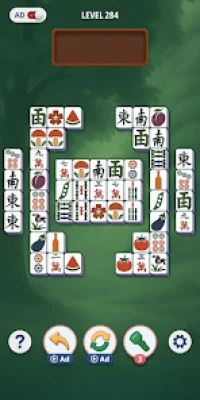
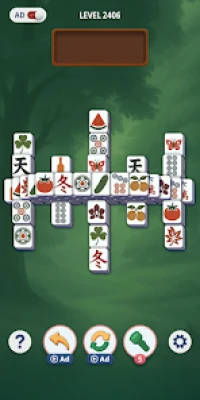
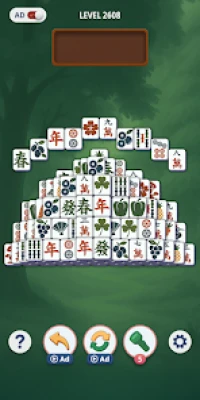
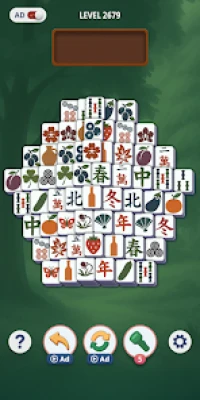
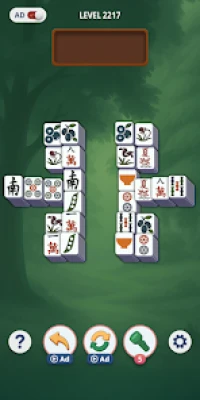
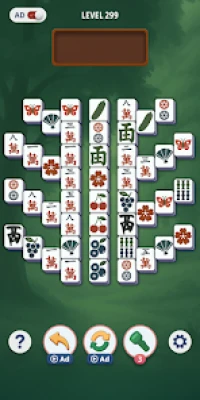
The game features hundreds of handcrafted boards, colorful and easy-to-see tiles, daily challenges, special tiles and combos, plus useful tools such as hints, shuffle, and undo. It also supports offline play and is designed for both phones and tablets.
What Is Mahjong Park?
Mahjong Park combines traditional mahjong solitaire gameplay with a calm, accessible presentation. Each puzzle asks you to find two identical tiles that are currently free to move and remove them from the board.
The objective is simple: continue finding legal pairs until every tile has been cleared.
Because there is no pressure from a timer or conventional score system, Mahjong Park is particularly suited to players who enjoy slower puzzle sessions and thoughtful tile matching.
Mahjong Park Gameplay
The basic gameplay is easy to understand, but successful board clearing requires planning.
Look across the layout and identify tiles that are available to move. When two identical free tiles are visible, select them to remove the pair. Every successful match changes the board and can expose tiles that were previously blocked.
The key is not simply matching whatever pair you see first. Good players consider how each move will affect the options available afterward.
How to Play Mahjong Park
Examine the entire board before making your first move.
Find two identical tiles that are free to move.
Tap or slide the matching tiles to clear them.
Look at the newly exposed tiles.
Continue matching available pairs.
Use hints, shuffle, or undo when a difficult position requires assistance.
Clear all remaining tiles to complete the puzzle.
Main Features
Hundreds of Handcrafted Boards
Mahjong Park offers hundreds of handcrafted puzzle boards, giving players a large collection of layouts to work through rather than repeating a single arrangement.
Classic Mahjong Solitaire
The core experience remains familiar: identify identical tiles, make legal matches, and gradually remove the entire board.
Special Tiles and Combos
Special tiles and combo opportunities add extra variety to the traditional tile-matching formula and can make certain boards more interesting.
Relaxed Puzzle Sessions
Mahjong Park does not require players to race against a timer or focus on conventional scores. The emphasis is on matching tiles and enjoying a calm puzzle experience.
Daily Challenges
Daily challenges provide an additional reason to return regularly, with progress and trophies giving players another way to stay engaged.
Helpful Puzzle Tools
Players can use free hints, shuffle, and undo options when they need assistance with a difficult board.
Offline Play
The game can be played without an internet connection, making it suitable for quick puzzle sessions while traveling or when connectivity is unavailable.
Phone and Tablet Support
The game is optimized for both smartphones and tablets, with large, clearly visible tiles intended to make the board easier to read.
Mahjong Park Strategy Guide
Winning at Mahjong Park is less about speed and more about making moves that preserve future options.
1. Study the Board First
Do not immediately tap the first matching pair you notice. Take a moment to scan the layout.
Look for tiles that are blocking several other tiles. Removing one of these can create multiple new matching opportunities.
2. Prioritize Moves That Open the Board
A strong move is often one that exposes new tiles.
If you have two possible pairs, consider which pair will uncover more of the board. Opening new areas gives you more information and increases your future choices.
3. Avoid Creating Dead Ends
Some moves can leave you with difficult unmatched tiles later.
Before removing a pair, check what other tiles will remain accessible afterward. Try to maintain several possible moves instead of reducing the board to a single narrow path.
4. Look for Pairs in Layers
Tiles that are partially hidden can become important later.
Rather than concentrating only on the easiest visible matches, keep track of tiles underneath or behind the current arrangement. Removing the correct upper tiles can reveal useful pairs.
5. Think About Both Copies
When you see multiple identical tiles, do not automatically match the first two you find.
Consider which copies are positioned in the most useful locations. Sometimes saving a particular tile can make a later section of the board much easier.
6. Use Combos When They Make Sense
Special tiles and combos can change the normal rhythm of a board.
Instead of forcing a combo immediately, consider whether using it now improves your position or whether waiting will create a stronger sequence of matches.
7. Keep Your Options Open
A common mistake in tile puzzles is making a move simply because it is available.
Try to finish each move with several possible choices. A board with multiple available pairs is generally easier to manage than one where only a single move remains.
8. Use Undo Strategically
The undo feature is particularly useful when you realize that a recent move created a poor board position.
Rather than restarting immediately, step back and try a different pairing sequence.
9. Save Shuffle for Difficult Positions
Shuffle can be valuable when the current arrangement leaves you with very few useful matches.
Do not use it simply because you are impatient. First examine the board carefully and make sure there is not another available route.
10. Use Hints as a Learning Tool
Hints are useful when you are stuck, but they can also help you understand how the board is designed.
When a hint reveals a possible match, look at why that particular pair was useful. Over time, this can improve your ability to recognize productive moves yourself.
Daily Challenge Strategy
Daily challenges are a good opportunity to practice careful board reading.
Before starting, remind yourself that speed is not the main objective. Scan for difficult tiles, identify important blocking pairs, and try to preserve useful options.
If the challenge becomes complicated, use the available assistance tools rather than repeatedly making random moves.
Tips for New Players
Learn to identify free tiles quickly.
Scan the whole board before your first move.
Prioritize pairs that reveal blocked areas.
Avoid making matches without considering the next move.
Remember the location of important unmatched tiles.
Use undo when a move creates a poor position.
Save shuffle for situations where the board genuinely needs rearranging.
Practice regularly through daily challenges.
Take your time and enjoy the puzzle rather than rushing.
Tips for Experienced Mahjong Players
Experienced players can improve their results by thinking several moves ahead.
Instead of simply searching for identical tiles, consider the consequences of removing each pair. Pay particular attention to tiles that control access to larger sections of the board.
When several pairs are available, compare them based on how many new tiles they expose and how many future matches they potentially create.
This approach turns Mahjong Park from a simple matching game into a more deliberate puzzle of board management and move planning.
Difficulty and Progression
Mahjong Park is designed around a relaxed puzzle experience rather than a traditional competitive scoring system. Its handcrafted boards, daily challenges, trophies, special elements, and assistance tools provide different ways to maintain progression and engagement.
The absence of a timer also means players can concentrate on the layout and think through their choices instead of being forced into rapid decisions.
Visual Design and Accessibility
One of Mahjong Park's notable characteristics is its large, clearly visible tile presentation. The Google Play description specifically highlights the game's easy-to-see tiles and accessibility-focused design.
This makes the game suitable for players who prefer a clean and uncomplicated puzzle interface.
Mahjong Park Offline Play
Mahjong Park supports offline gameplay, so players can enjoy its tile puzzles without requiring a continuous internet connection.
This makes it convenient for short sessions while traveling, during commutes, or in locations with unreliable connectivity.
Is Mahjong Park Easy to Learn?
Yes. The basic rules are straightforward: find two identical tiles that are free to move and remove them.
The challenge comes from deciding which pair to match first. As the board changes, players need to think about which tiles they are exposing and which future moves they are preserving.
Is Mahjong Park Good for Relaxing?
Mahjong Park is specifically designed around relaxed puzzle play. The Google Play listing emphasizes its calm approach, lack of timers or scores, large tiles, and focus on comfortable puzzle sessions.
It can therefore work well for players who enjoy casual mahjong solitaire without competitive pressure.
Mahjong Park Game Information
Game: Mahjong Park
Developer: Funvent Studios Fzco
Genre: Puzzle
Platform: Android
Content Rating: Everyone
Downloads: 10K+ on the currently indexed Google Play listing
Monetization: Ads and in-app purchases
Gameplay: Mahjong solitaire and tile matching
Boards: Hundreds of handcrafted boards
Challenges: Daily challenges and trophies
Tools: Hint, shuffle, and undo
Offline: Yes
Devices: Phones and tablets
Latest listed update: October 10, 2025
Google Play currently lists Mahjong Park at 4.6 stars with 112 reviews on the page checked for this article. Ratings, review counts, downloads, and availability can change over time.
Pros and Cons
Pros
Simple and easy-to-learn mahjong solitaire rules
Hundreds of handcrafted boards
Relaxed gameplay without timers or conventional scores
Daily challenges and trophies
Helpful hint, shuffle, and undo tools
Large, easy-to-see tiles
Supports offline play
Designed for phones and tablets
Cons
Players looking for fast-paced action may find the relaxed pace slow.
Assistance tools can reduce the challenge if used too frequently.
The core gameplay remains focused on traditional tile matching, so players wanting a broader variety of puzzle mechanics may want additional games.
Frequently Asked Questions
What is Mahjong Park?
Mahjong Park is a relaxing mahjong solitaire puzzle game from Funvent Studios. Players match identical free tiles to clear handcrafted boards.
How do you play Mahjong Park?
Find two identical tiles that are free to move, select them, and continue matching pairs until the board is cleared.
Does Mahjong Park have daily challenges?
Yes. The game includes daily challenges along with trophies and progress tracking.
Does Mahjong Park have hints?
Yes. Players have access to free hints as well as shuffle and undo tools.
Can you play Mahjong Park offline?
Yes. The Google Play listing states that Mahjong Park can be played offline.
Does Mahjong Park have a timer?
The game's description states that its relaxed mode does not use timers or scores, allowing players to focus on matching tiles without time pressure.
Is Mahjong Park available on tablets?
Yes. The game is optimized for both phones and tablets.
Who developed Mahjong Park?
Mahjong Park is developed by Funvent Studios Fzco.
Final Thoughts
Mahjong Park takes the familiar foundations of mahjong solitaire and presents them as a calm, accessible tile-matching experience. Its handcrafted boards, daily challenges, special elements, offline support, and puzzle assistance tools give players plenty of ways to enjoy a short or extended session.
The best approach is to slow down, study the board, prioritize moves that reveal hidden opportunities, and avoid matching pairs without considering what comes next. With that mindset, even a simple tile-matching board can become an enjoyable strategic puzzle.
Rate the Game
User Reviews












Popular Games



















 Android
 iOS
iOS Windows
 Xbox
Xbox