



Latest Version
July 29, 2025
Supercent Inc.
Casual
iOS
0
Report a Problem
More About :game
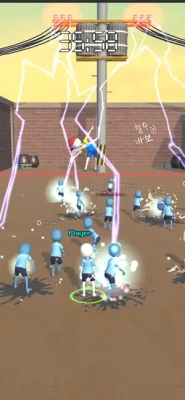
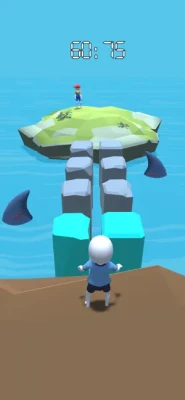
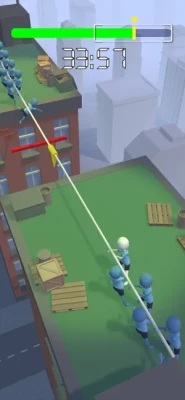
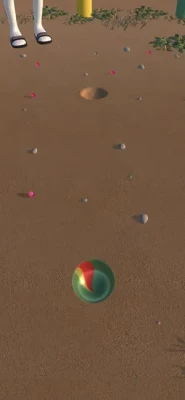
K-Games Challenge brings the excitement of Korean-inspired survival competitions to mobile devices. Developed by Supercent, Inc., the game invites players to participate in a series of challenges where observation, timing, and quick decisions can determine whether they advance or fail.
Inspired by the popularity of Korean elimination-game entertainment, K-Games Challenge focuses on straightforward objectives and tense moments. Instead of learning complicated control systems, players concentrate on understanding each activity, following its rules, and reacting at the right moment.
The appeal comes from the contrast between simple gameplay and the pressure of survival. A challenge might appear easy at first, but careless movements or poor timing can quickly lead to failure. Learning how each activity works is therefore an important part of making progress.
K-Games Challenge is designed for casual mobile gaming sessions. Its accessible concept makes it easy to start playing, while its survival theme gives ordinary party games a more dramatic atmosphere.
Main Features of K-Games Challenge
Korean-Inspired Survival Challenges
The game draws inspiration from traditional Korean games and elimination-style competitions. Players take part in different activities where following instructions and completing the objective are essential.
Multiple Levels
K-Games Challenge offers multiple levels built around survival challenges. Each round provides an opportunity to test your reactions and learn how to approach the game's objectives.
Simple Mobile Controls
The game uses accessible touch controls that make its basic mechanics easy to understand. This allows players to concentrate on the challenge itself rather than mastering complicated button combinations.
Timing and Reflex-Based Gameplay
Some activities require players to respond quickly to signals or changes in the environment. Accurate timing can be more important than moving constantly or acting without thinking.
Suspenseful Elimination Mechanics
The survival theme creates tension because mistakes can end a round. Every challenge encourages players to pay attention, understand the rules, and avoid unnecessary risks.
Casual Arcade Experience
Short challenges make K-Games Challenge suitable for quick gaming sessions. Players can experience the core gameplay without committing to a lengthy story campaign or a complex progression system.
Colorful Visual Presentation
The game uses a stylized mobile-game presentation to bring its challenges to life. The visual design supports the competitive atmosphere while keeping the overall experience accessible.
Gameplay Explained
The basic objective in K-Games Challenge is to complete each challenge and survive the competition.
At the start of an activity, identify the objective and pay attention to any instructions. Depending on the challenge, success may depend on movement, timing, observation, or responding correctly to a particular signal.
Once the round begins, focus on the rules rather than acting randomly. Some challenges reward patience, while others require quick reactions. Understanding the difference is essential to avoiding mistakes.
Completing a round allows you to continue through the available levels. As you encounter different activities, you must adjust your approach to match their requirements.
The controls are relatively straightforward, but survival depends on using them at the right time. Players who observe carefully, learn from failed attempts, and remain calm under pressure will have a better chance of completing the challenges.
Full Strategy Guide for K-Games Challenge
1. Understand Every Challenge Before Starting
Never assume that two activities follow exactly the same rules. Take time to understand the objective and determine what causes success or failure.
Look for instructions concerning movement, timing, targets, or permitted actions. Knowing what the game expects before you begin can prevent unnecessary mistakes.
2. Master Timing-Based Rounds
Timing is one of the most useful skills in survival games. When a challenge depends on reacting to a signal, pay close attention to the moment when you are supposed to act.
Avoid tapping repeatedly without a clear reason. Controlled inputs make it easier to react accurately and reduce the chance of triggering an unwanted action.
3. Observe the Environment Carefully
Visual signals can provide important clues about what is happening during a challenge. Watch for changes in the surroundings, character movements, or other indicators that help explain when to move.
If the game allows you to observe a pattern before acting, use that opportunity. A brief moment of attention can be more valuable than rushing forward.
4. Stay Calm During Elimination Challenges
The possibility of failure creates pressure, but panic often leads to mistakes. Focus on the immediate objective instead of worrying about what comes next.
If you need to wait for a signal, wait. If you need to react quickly, concentrate on the relevant cue. Matching your response to the challenge is more effective than using the same approach every time.
5. Avoid Unnecessary Movements
When movement is part of the challenge, make deliberate decisions. Random movement can cause you to lose control or react incorrectly to changing conditions.
Identify the objective first, then use the simplest reliable action to complete it.
6. Learn From Failed Attempts
Failure can reveal important information about a challenge. Think about what happened immediately before you lost.
You might have moved too early, reacted too slowly, misunderstood a rule, or overlooked an important visual cue. Use that information to change your next attempt.
7. Recognize Patterns
Some challenge mechanics become easier when you recognize repeated signals or sequences. Pay attention to how the activity develops and look for consistent patterns.
However, do not assume that every round will behave identically. Continue watching for new instructions or changes that might affect your strategy.
8. Keep Your Attention on the Main Objective
It is easy to become distracted by the characters and the atmosphere, especially when a round becomes tense. Keep your focus on the task that determines success.
If the objective is to remain still, prioritize control. If it requires movement, concentrate on the route or timing. If it depends on observation, watch the relevant part of the screen.
9. Improve Your Reaction Speed Through Practice
Repeated play can help you recognize familiar mechanics more quickly. Instead of simply trying to finish a round, pay attention to the actions that lead to success.
Practice identifying signals, responding accurately, and controlling your movements. Over time, these habits can make familiar challenges easier to manage.
10. Adjust Your Strategy for Different Activities
A successful approach in one challenge may not work in another. Reaction-based games require quick responses, while observation-based activities reward patience and attention.
Identify the type of challenge before deciding how to play. Adapting your strategy is one of the most effective ways to improve your overall performance.
11. Use Comfortable Controls and a Clear Screen
Make sure you can see the important parts of the game clearly. Keep your fingers positioned comfortably so you can respond without covering essential visual cues.
If the game requires rapid inputs, avoid awkward hand positions that make accurate tapping more difficult.
12. Be Patient With Difficult Levels
Not every challenge will be easy on the first attempt. If you repeatedly fail, slow down when possible and examine the mechanics more carefully.
Look for the exact point where things go wrong. Correcting one specific mistake is usually more productive than changing everything about your approach.
Best Beginner Tips for K-Games Challenge
Read the instructions before each round.
Watch for signals that indicate when to move or stop.
Prioritize accuracy over unnecessary actions.
Remain calm when a challenge becomes tense.
Learn the rules of unfamiliar activities before rushing.
Watch for patterns and changes in the environment.
Use deliberate movements and controlled inputs.
Remember the mistakes that caused previous failures.
Adapt your strategy to the current challenge.
Focus on surviving the round rather than rushing through it.
Is K-Games Challenge Difficult?
K-Games Challenge is easy to understand because it focuses on straightforward objectives and simple mobile controls. However, the difficulty depends on how well you understand each activity and respond to its requirements.
Players who are good at observing patterns and reacting to visual cues may find the challenges relatively accessible. Others may need several attempts to develop consistent timing.
The main challenge is learning when to act, when to wait, and how to avoid mistakes under pressure. Practicing these skills can make the experience more manageable.
Graphics, Sound, and Atmosphere
K-Games Challenge uses a colorful, stylized presentation to create a survival-competition atmosphere. Its characters and challenge environments help distinguish the different activities, while the elimination theme gives each round a sense of urgency.
The game focuses more on short challenges than on a detailed narrative. This keeps the attention on gameplay and makes it suitable for players who want a direct arcade experience.
The overall atmosphere is designed to make simple tasks feel more intense, especially when a mistake can prevent you from advancing.
Advantages and Disadvantages
Advantages
Easy-to-understand gameplay and mobile controls.
Korean-inspired survival competition theme.
Multiple levels and challenge-based activities.
Tests timing, observation, and reaction speed.
Suitable for short gaming sessions.
Accessible to casual players.
Offers suspense without requiring complicated controls.
Disadvantages
Some activities may feel repetitive after repeated play.
The straightforward mechanics may not satisfy players seeking deep strategy.
Timing-based challenges can be frustrating when reactions are inaccurate.
The overall experience depends on the variety of available levels.
Players seeking a detailed story or extensive character progression may want a more content-rich game.
Game Information
Game Title: K-Games Challenge
Developer: Supercent, Inc.
Genre: Casual, Arcade, Survival Challenge, and Simulation
Platform: iPhone and iPad, with compatibility on certain other Apple devices depending on system requirements.
Core Gameplay: Complete Korean-inspired challenges and attempt to survive each round.
Main Skills: Timing, observation, reaction speed, concentration, and decision-making.
Visual Style: Colorful, stylized, and competition-focused.
Game Modes: Level-based survival challenges.
Price: Free to download on the US Apple App Store listing.
Language: English, according to the listed version.
Age Rating: 13+ on the US Apple App Store listing.
Compatibility: The listed version requires iOS 11.0 or later on iPhone and iPadOS 11.0 or later on iPad. Check the current store listing for the latest requirements and availability.
Who Should Play K-Games Challenge?
K-Games Challenge may appeal to fans of Korean survival competitions, casual arcade games, and elimination-style challenges. It is particularly suitable for players who enjoy testing their reactions and learning simple game mechanics.
Players looking for a quick mobile game with a suspenseful theme may appreciate its direct approach. It may be less suitable for those who prefer complex survival systems, large exploration maps, detailed storytelling, or extensive character development.
If you enjoy short challenges that reward attention and accurate timing, K-Games Challenge is worth considering.
Frequently Asked Questions
What is K-Games Challenge?
K-Games Challenge is a casual mobile game developed by Supercent, Inc. It features Korean-inspired survival challenges in which players attempt to complete activities and advance through multiple levels.
How do you play K-Games Challenge?
Follow the instructions for each activity and complete its objective without making mistakes that cause failure. The required actions depend on the particular challenge.
Is K-Games Challenge free?
The game is listed as free to download on the US Apple App Store. Check the current listing for details about advertisements, optional purchases, and other monetization features.
Is K-Games Challenge based on Korean games?
Yes. Its official store description promotes traditional Korean games and multiple levels of challenges. Its survival-competition presentation also appeals to players familiar with Korean elimination-game entertainment.
Is K-Games Challenge difficult?
The controls and basic concept are straightforward, but certain activities require careful timing and observation. Learning the rules and practicing can help improve your performance.
What is the best strategy for winning?
Understand the objective before acting, watch for important signals, and avoid unnecessary movements. When you fail, identify the mistake and use that information in your next attempt.
Can beginners play K-Games Challenge?
Yes. Its simple controls make it accessible to newcomers. Beginners should focus on learning the rules and recognizing the signals used in each activity.
Is K-Games Challenge available on iPhone?
Yes. The Apple App Store lists the game for iPhone and iPad, subject to the requirements of the current version.
Who developed K-Games Challenge?
K-Games Challenge was developed by Supercent, Inc., a company that publishes casual mobile games.
Does K-Games Challenge have a story?
The game primarily focuses on completing survival challenges rather than presenting an extensive story campaign. Its main appeal is the sequence of competitive activities.
Final Thoughts
K-Games Challenge turns Korean-inspired party games into a casual survival experience built around timing, observation, and quick decisions. Its simple controls make it easy to start playing, while its elimination mechanics add suspense to familiar types of challenges.
The best way to improve is to understand the objective of every round, watch for important signals, and learn from mistakes rather than rushing through each activity. For players who enjoy short arcade challenges and survival-competition themes, K-Games Challenge offers a straightforward mobile gaming experience.
Rate the Game
User Reviews












Popular Games



















 Android
 iOS
iOS Windows
 Xbox
Xbox