

Latest Version
January 01, 2026
AH GAME STUDIO
Board
iOS
0
Report a Problem
More About :game
What Is Dice Merge Puzzle?
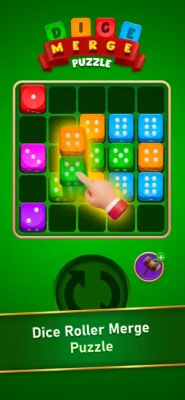
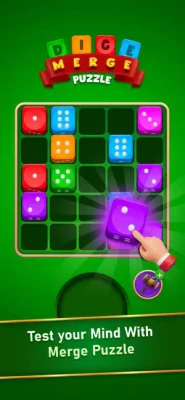
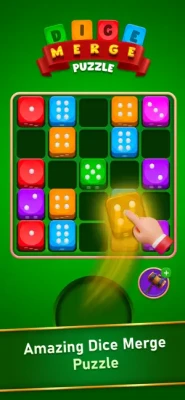
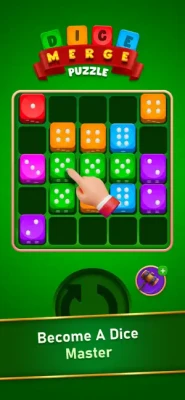
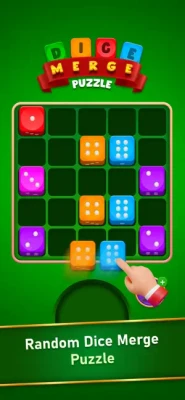
Dice Merge Puzzle is a hybrid between a merge game and a block puzzle, where every move matters. You place dice onto a grid (often 5×5), and when three or more dice of the same number align, they merge into a higher value.
Core loop:
- Place dice on the board
- Match 3+ identical dice
- Merge into higher-level dice
- Prevent board overflow
- Build long scoring chains
As levels progress, the board fills faster, requiring smarter placement and planning.
Key Features
Dice Merge System
Combine identical dice values to evolve them into higher numbers (1 → 2 → 3 → 6 and beyond depending on game rules).
Chain Reaction Combos
Well-planned placements can trigger multiple merges in sequence.
Grid-Based Strategy
Usually played on a limited grid (like 5×5), making space management critical.
Score-Based Progression
Points are awarded for:
- Placing dice
- Successful merges
- Chain reactions
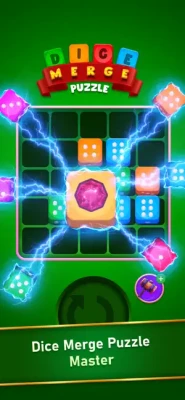
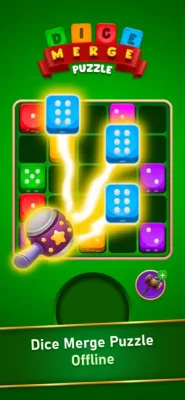
Power-Up Mechanics
Some versions include tools like:
- Row clear abilities
- Column clears
- Board resets or boosters
How to Play Dice Merge Puzzle
Basic Controls
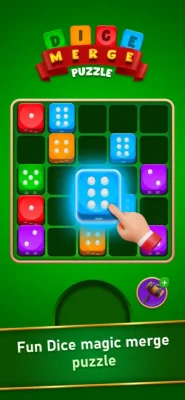
- Drag or place dice onto the grid
- Match 3 or more identical dice
- Watch them merge into a higher value
- Continue building space-efficient placements
- Avoid filling the board completely
Beginner Walkthrough
Step 1: Focus on Space First
Your main priority is not merging—it’s survival.
- Always leave open grid spaces
- Avoid placing dice randomly
- Think ahead before every move
Step 2: Build Merge Zones
Instead of scattering dice:
- Group similar numbers together
- Create areas where merges can happen easily
- Keep clusters organized
Step 3: Avoid Blocking High Dice
Higher-value dice are harder to merge:
- Don’t trap them in corners
- Keep access paths open
- Plan their upgrades early
Complete Strategy Guide
Early Game
Focus on:
- Learning placement rules
- Creating simple merges (1s and 2s)
- Keeping the board empty
Mistakes are forgiving here.
Mid Game
Challenges increase:
- Faster board filling
- More dice variety
- Fewer safe placements
Strategy:
- Build controlled merge clusters
- Avoid random stacking
- Prioritize chain reactions
Late Game
High-level play requires:
- Predicting future dice placements
- Avoiding board lock
- Creating multi-step merge chains
- Efficient space usage
One mistake can end the run quickly.
Advanced Strategies
1. Think 2–3 Moves Ahead
Every placement affects future merges.
2. Don’t Merge Too Early
Sometimes waiting creates bigger combo opportunities.
3. Control the Center
Center tiles provide maximum flexibility.
4. Build Upgrade Paths
Plan how dice will evolve step by step.
5. Save Space for Emergencies
Always keep at least a few empty cells.
Scoring Strategy
To maximize score:
- Prioritize chain merges over single merges
- Keep the board clean
- Avoid unnecessary placements
- Trigger combo reactions
- Plan for high-value dice creation
Consistency leads to higher scores than aggressive placement.
Common Mistakes to Avoid
Random Dice Placement
Leads to fast board failure.
Ignoring Future Moves
Every placement affects later merges.
Blocking Merge Paths
Poor positioning reduces combo potential.
Filling Corners Too Early
Corners are hard to recover from.
Why Players Enjoy Dice Merge Puzzle
Dice Merge Puzzle is popular because it combines simple mechanics with deep strategy. The satisfaction of watching dice merge into higher values, combined with the challenge of managing limited space, creates a relaxing yet mentally engaging puzzle experience.
Frequently Asked Questions
What is the main goal?
Merge dice of the same value to create higher numbers and survive as long as possible.
Is the game luck or skill?
Mostly skill-based with some randomness in dice placement.
What causes most failures?
Poor space management and random placements.
How do I improve quickly?
Focus on board control and planned merges.
Is there a winning strategy?
Yes—control space, build merge clusters, and think ahead.
Rate the Game
User Reviews






Popular Games



















 Android
 iOS
iOS Windows
 Xbox
Xbox