
Latest Version
September 21, 2026
SUD Inc.
Board
Android
0
com.ansangha.drshogi
Report a Problem
More About :game
Unlike traditional Western chess, captured pieces can become part of your army and later be placed back onto the board. This drop mechanic completely changes the way players attack, defend, trade pieces, and plan several moves ahead.
Dr. Shogi is built around straightforward board presentation and competitive two-player gameplay. The game is particularly interesting for players who enjoy chess variants, tactical board games, Japanese games, and strategic multiplayer matches.
What Is Dr. Shogi?
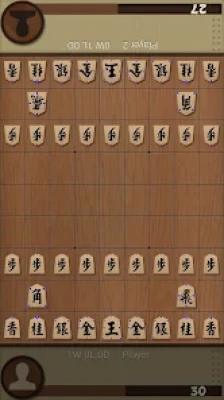
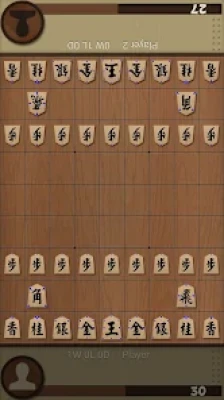
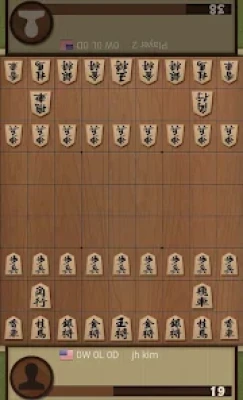
Dr. Shogi brings the rules and tactical depth of Japanese Shogi to mobile devices. Shogi is played on a 9×9 board, with each player controlling 20 pieces at the beginning of a game.
The objective is to attack the opponent's king and create a position from which escape is impossible.
The biggest difference from Western chess is the piece-drop system. When you capture an opponent's piece, it does not simply disappear. You can potentially reuse that captured piece as your own later in the game.
That means a seemingly harmless capture can create an entirely new threat several turns later.
Dr. Shogi Features
Real-Time Online Multiplayer
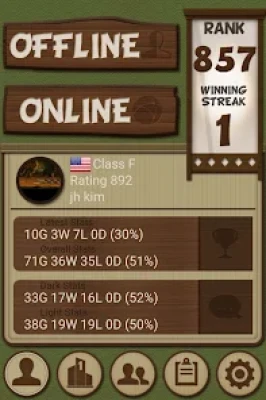
Dr. Shogi supports real-time online multiplayer, allowing players to compete against other Shogi players.
Classic Japanese Chess Rules
The game follows the fundamental structure of traditional Shogi, including its 9×9 board, promotions, captured-piece drops, and king-focused strategy.
Two-Player Strategy
Every move can affect both the current position and the pieces you may be able to reuse later.
Simple Board Presentation
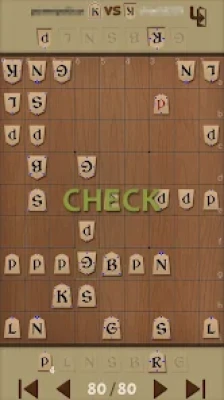
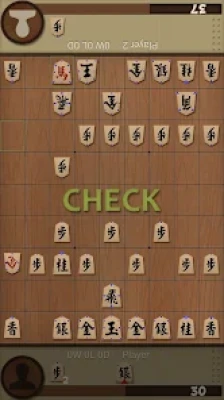
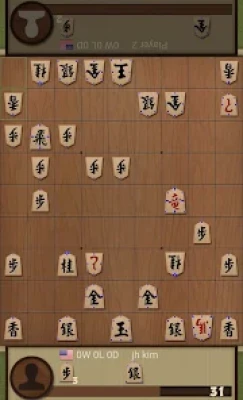
The relatively clean board design keeps attention on the pieces, legal moves, threats, and tactical possibilities.
Local Practice
Dr. Shogi has also been described by users as supporting local two-player play, making it possible to practice Shogi with another person on the same device.
Free-to-Play Mobile Board Game
The Google Play listing identifies Dr. Shogi as a free game containing ads.
How to Play Dr. Shogi
If you are completely new to Shogi, do not try to memorize complicated openings immediately. Start by understanding how every piece moves.
The Shogi Pieces
Each player starts with:
- 1 King
- 1 Rook
- 1 Bishop
- 2 Gold Generals
- 2 Silver Generals
- 2 Knights
- 2 Lances
- 9 Pawns
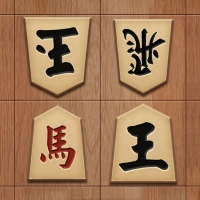
The pieces are distinguished primarily by their Japanese characters and direction rather than by the black-and-white color system used in chess.
King
The King moves one square in any direction.
Protecting your King is the central defensive priority of the game. However, unlike chess, you cannot simply rely on keeping your King behind a permanent wall. Shogi attacks can arrive from unexpected directions because captured pieces can be dropped onto open squares.
Tip: Always ask yourself what your opponent could drop near your King after your next capture.
Rook
The Rook moves any number of squares horizontally or vertically.
It is one of the most powerful attacking pieces in Shogi. After promotion, the Rook gains additional King-like diagonal movement.
Strategy: Look for open files and ranks before committing your Rook to an attack.
Bishop
The Bishop moves diagonally across the board.
It can control long distances and becomes even more flexible after promotion.
Strategy: Avoid allowing your Bishop to become trapped behind your own pieces.
Gold General
The Gold General has a strong defensive movement pattern and is particularly useful for protecting the King.
Gold Generals are extremely important when constructing a defensive formation.
Tip: Do not treat Gold Generals as disposable attacking pieces. They often provide the structure that keeps your King safe.
Silver General
The Silver General moves diagonally and forward, making it useful for attacking.
It can become especially dangerous when supported by other pieces.
Strategy: Silver Generals are excellent for creating pressure, but be careful about advancing them so far that they cannot retreat effectively.
Knight
The Shogi Knight moves two squares forward and one square sideways, jumping over intervening pieces.
This is different from the Western chess Knight.
Because its movement is strictly forward, a Knight can become awkward if advanced too aggressively.
Lance
The Lance moves any number of squares straight forward.
It is powerful when a file is open but cannot move sideways or backward.
Tip: Before moving a Lance forward, consider how you will use it if the opponent blocks its path.
Pawn
The Pawn moves one square forward.
Shogi Pawns are much more tactically important than their simple movement suggests because captured Pawns can later be dropped.
This creates one of the most important strategic concepts in Shogi: a Pawn you capture may become a future attacking weapon.
The Most Important Shogi Rule: Captured Pieces
This is the rule that makes Dr. Shogi fundamentally different from chess.
When you capture an opponent's piece, the captured piece becomes yours.
You can hold it in your captured-piece area and potentially drop it back onto the board on a later turn.
For example, capturing a Pawn does not necessarily mean you have permanently removed a Pawn from the game.
You may eventually place that Pawn behind your opponent's defenses and create a new threat.
This means every capture should be evaluated in two ways:
- What do I gain immediately?
- What can I do with the captured piece later?
That second question is one of the keys to becoming better at Shogi.
Promotion in Dr. Shogi
Most Shogi pieces can promote when they enter the opponent's promotion zone.
The promotion zone consists of the opponent's three ranks closest to their side of the board.
Promotion can dramatically increase a piece's usefulness.
Rooks and Bishops become especially powerful after promotion, while Pawns, Lances, Knights, and Silver Generals gain additional movement abilities.
However, promotion should not be automatic.
Sometimes keeping a piece unpromoted is strategically useful.
Ask Before Promoting
- Does promotion improve the piece immediately?
- Will the promoted piece still have useful escape squares?
- Does promotion create a direct threat?
- Could keeping the original movement be more valuable?
- Is the opponent about to capture the piece?
Good Shogi players treat promotion as a strategic decision rather than simply pressing the promotion option whenever it appears.
Dr. Shogi Beginner Strategy Guide
1. Protect Your King Early
Do not spend the entire opening attacking.
Your King needs a safe position before the center of the board becomes crowded.
Develop your defensive pieces and think about how your King could be attacked from several directions.
2. Control the Center
The central area often determines how easily your pieces can move.
Opening central files and diagonals can give your Rook and Bishop more influence.
However, opening the board without preparing your King can expose weaknesses.
3. Do Not Chase Pieces
A common beginner mistake is repeatedly attacking an enemy piece simply because it can be attacked.
Shogi is more complicated than that.
The opponent may intentionally offer a piece because capturing it gives them access to an important attacking resource.
Before capturing, ask:
"What can my opponent do with this piece after I take it?"
4. Think About Drops
Every capture changes your future options.
If you capture a Silver General, Rook, Bishop, or Pawn, consider where that piece could eventually be dropped.
The captured-piece area is effectively another source of attacking power.
5. Watch for Drop Attacks Near the King
A dropped piece can appear in a location that was previously empty.
This creates tactical possibilities that do not exist in ordinary chess.
Always check open squares around your King before making an aggressive move.
6. Avoid Unnecessary Pawn Drops
Pawn drops are powerful but subject to important restrictions.
A Pawn cannot simply be dropped anywhere.
One famous Shogi restriction is the Nifu rule: you cannot place a Pawn on a file where you already have an unpromoted Pawn.
There are also restrictions involving checkmate by Pawn drops.
For beginners, the safest approach is to learn the legal Pawn-drop patterns before relying heavily on them.
Opening Strategy for Dr. Shogi
A good opening is not about memorizing dozens of moves.
Instead, focus on three objectives:
Develop Your Pieces
Give your Rook, Bishop, Golds, and Silvers useful roles.
Build King Safety
Do not leave your King exposed while concentrating entirely on attack.
Create Flexible Positions
Avoid blocking your own pieces unnecessarily.
The opening should prepare the position for the middle game rather than force an immediate attack.
Midgame Strategy
The middle game is where Dr. Shogi becomes especially tactical.
Look for Exchanges
Piece exchanges can give you valuable material for future drops.
But do not judge an exchange purely by the number of points gained.
Ask what happens after the exchange.
Attack From Multiple Directions
A strong attack can involve:
- Rook pressure
- Bishop diagonals
- Silver General advances
- Knight attacks
- Pawn pressure
- Dropped pieces
Because captured pieces can return to the board, a successful attack may continue even after several pieces have been exchanged.
Keep Escape Squares in Mind
When attacking the opponent's King, do not automatically occupy every available square.
Sometimes controlling escape squares is more important than capturing material.
Your goal is to restrict the King until the final mating sequence becomes possible.
Endgame Strategy
The Shogi endgame is often about calculation.
When both Kings are exposed, tactical accuracy becomes extremely important.
Before moving, check:
- Can I give check?
- Does my opponent have a defensive drop?
- Can my opponent capture my attacking piece?
- What pieces do both players have in hand?
- Does my move create a forced sequence?
- Can the enemy King escape?
Do not assume that having more pieces on the board automatically means you are winning.
The pieces in hand can be just as important as the pieces already deployed.
Dr. Shogi Tips for Winning More Games
Tip 1: Count the Pieces in Hand
Always know what captured pieces your opponent possesses.
A Rook or Bishop in the opponent's hand can completely change the position.
Tip 2: Check Every Possible Drop
Before making a move, scan the empty squares around your King.
Ask where the opponent could drop a piece.
Tip 3: Do Not Sacrifice Automatically
Sacrificing a piece can be powerful if it opens your attack, but random sacrifices simply give the opponent more ammunition.
Tip 4: Use Pawns Carefully
Pawns are easy to underestimate.
A well-placed Pawn can restrict movement, support an attack, or prepare a promotion.
Tip 5: Learn Promotion Patterns
Know which pieces benefit most from promotion and which positions make promotion unnecessary.
Tip 6: Develop Before Attacking
An undeveloped attack can collapse quickly.
Build enough support before pushing deeply into enemy territory.
Tip 7: Think One Drop Ahead
Beginners often calculate:
"Where can I move?"
Stronger players calculate:
"Where can my opponent drop a piece after I move?"
That change in thinking can dramatically improve your Shogi performance.
Common Dr. Shogi Mistakes
Attacking Before King Safety
A spectacular attack means little if your own King is exposed.
Capturing Without Calculation
Remember that captured pieces become available to your opponent only when they capture yours, but every exchange changes both players' future resources.
Promoting Too Quickly
Promotion is powerful, but the timing matters.
Ignoring Pieces in Hand
A player may appear to have fewer active pieces while actually possessing dangerous attacking resources in hand.
Playing Only From the Current Board
Shogi is not just about what you see on the board.
You must also consider what can appear on the board next turn.
Advanced Dr. Shogi Strategy
Piece Value Is Position-Dependent
Traditional piece values can help beginners understand exchanges, but they should not become rigid rules.
A Bishop trapped behind your formation may be less useful than a Pawn that can be dropped directly beside the enemy King.
Always consider activity and tactical potential.
Create Threats That Require Responses
A strong move often creates a threat that the opponent cannot ignore.
Instead of asking:
"What piece can I capture?"
ask:
"What move forces my opponent to react?"
This mindset helps transform passive positions into active attacks.
Preserve Important Defensive Pieces
Gold Generals and other defensive pieces can be critical when your opponent starts attacking.
Do not exchange every defensive piece simply to gain material.
Your King needs protection throughout the game.
Is Dr. Shogi Good for Beginners?
Dr. Shogi can be useful for players who want to learn or practice Japanese chess on Android. The basic interface is centered on the Shogi board and two-player gameplay, while online multiplayer provides a way to experience competitive matches.
However, beginners should learn the fundamental Shogi rules separately or practice with an experienced player because understanding piece drops, promotion, checkmate patterns, and restrictions such as Pawn drops takes time.
User feedback has also included requests for an AI opponent and additional online/social features, so players should check the current version and available modes before choosing how they want to practice.
Dr. Shogi Game Information
Game: Dr. Shogi
Developer: SUD Inc.
Genre: Board / Abstract Strategy
Platform: Android
Multiplayer: Real-time online multiplayer
Players: Two-player strategy
Downloads: 1M+ on Google Play
Ads: Yes
Content Rating: Teen
Latest listed update: August 18, 2025
Package ID: com.ansangha.drshogi
Dr. Shogi Pros and Cons
Pros
- Classic Japanese Shogi gameplay
- Real-time online multiplayer
- Simple board-focused presentation
- Deep tactical possibilities
- Captured-piece drop system
- Suitable for players interested in chess variants
- More than 1 million Google Play downloads
Cons
- Shogi has a steep learning curve for complete beginners
- Understanding drops and promotion takes practice
- Some players have requested an AI practice mode and expanded friend/matchmaking options.
- The game contains advertisements.
Dr. Shogi FAQ
What is Dr. Shogi?
Dr. Shogi is a mobile Shogi game from SUD Inc. that lets players play Japanese chess, including real-time online multiplayer matches.
Is Dr. Shogi the same as chess?
No. Shogi and Western chess share historical roots and the objective of attacking the opposing King, but their rules are significantly different. Shogi uses a 9×9 board, different piece movements, promotion rules, and captured-piece drops.
What makes Shogi different from chess?
The most important difference is that captured pieces can be reused. A captured piece can potentially be dropped back onto the board as your own.
How many squares are on a Shogi board?
A standard Shogi board contains 81 squares arranged in a 9×9 grid.
Can captured pieces be used again?
Yes. Captured pieces become part of the capturing player's available pieces and can be dropped back onto the board according to Shogi's rules.
Does Dr. Shogi have online multiplayer?
Yes. The current Google Play description specifically advertises real-time online multiplayer Shogi.
Is Dr. Shogi free?
The Google Play listing identifies the game as containing ads and offers it through Google Play.
What is the best way to learn Dr. Shogi?
Start by learning every piece's movement, then practice King safety, promotion, piece exchanges, and captured-piece drops. After that, study basic mating patterns and opening structures.
Final Thoughts
Dr. Shogi takes the unusual and highly tactical rules of Japanese chess and puts them into a mobile board-game format. Its defining feature is the ability to reuse captured pieces, which means that every exchange can influence the position several moves later.
For beginners, the biggest improvement comes from learning to look beyond the current board. Watch the opponent's King, count the pieces in hand, consider potential drops, and calculate what happens after every exchange.
Once those habits become natural, Dr. Shogi becomes much more than a simple chess variant—it becomes a game of threats, counterattacks, promotions, sacrifices, and careful long-term planning.
Rate the Game
User Reviews










Popular Games



















 Android
 iOS
iOS Windows
 Xbox
Xbox