

Latest Version
January 10, 2026
Nguyen Duy Lam
Casual
iOS
0
Report a Problem
More About :game
The App Store description highlights free aircraft building, frame design, color and shape customization, engine upgrades, delivery missions, speed races and fiery hoop challenges.
That combination makes the game suitable for players who enjoy casual building games but also want some flying and progression mechanics.
What Is Build An AirPlane: Fly Master?
Build An AirPlane: Fly Master combines airplane construction, customization, upgrades and 3D flying challenges.
The basic gameplay loop is straightforward:
Build → Upgrade → Fly → Complete missions → Improve your aircraft → Take on harder challenges
You begin with basic aircraft components and gradually work toward creating a more capable flying machine. The goal is not simply to make an airplane that looks good; improving its performance can make missions and flying challenges easier to handle.
Main Features
Build Your Own Airplane
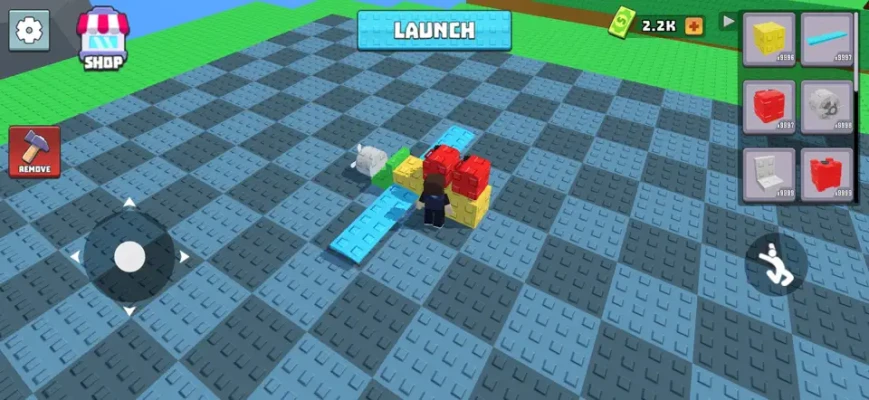
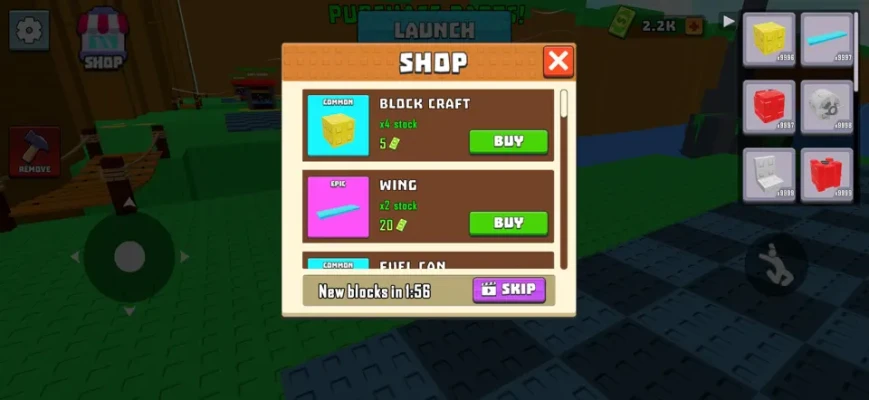
The game's central feature is its aircraft-building system.
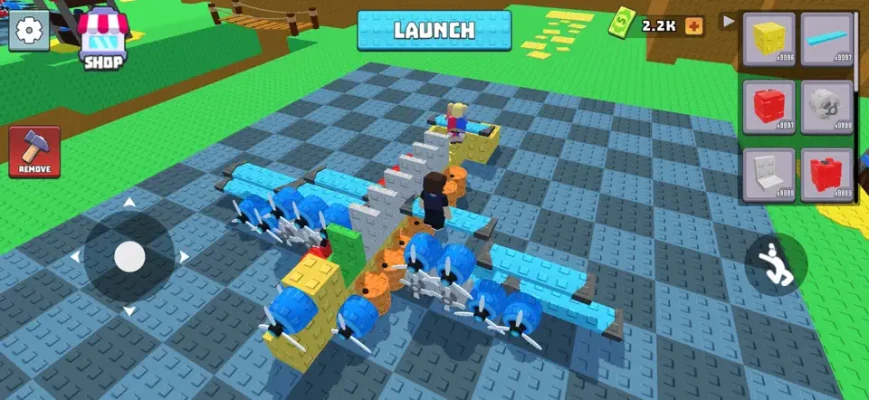
You can choose parts, construct the aircraft frame and create a plane that matches your preferred design. This gives the building process a more personal feel than games where every player uses exactly the same aircraft.
Customize the Aircraft
The App Store listing specifically mentions customization of the airplane's color and shape.
This allows you to experiment with different visual designs while developing your aircraft.
Upgrade the Engine
Engine improvements are important because the game connects upgrades with flying performance.
The App Store describes engine upgrades as a way to boost speed, fly higher and improve overall performance.
A stronger engine can therefore be useful when tackling challenges that demand more speed or altitude.
Delivery Missions
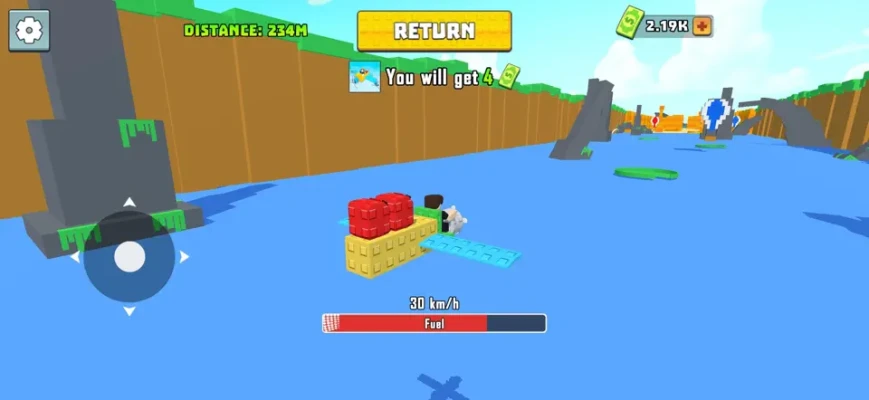
Delivery missions give you a reason to take your aircraft into the world rather than simply flying for exploration.
These challenges reward controlled flying and completing the required objective without losing control of the aircraft.
Speed Races
Speed races introduce a more competitive style of flying.
Instead of concentrating only on reaching a destination, you need to maintain an efficient flight path and make good use of your aircraft's performance.
Fiery Hoop Challenges
Flying through fiery hoops adds a precision element to the game.
These sections require you to line up your aircraft correctly and maintain enough control to pass through the target without crashing.
3D Visuals and Sound
Build An AirPlane: Fly Master uses 3D aircraft and environments with sound effects designed to make the flying experience more immersive.
How to Play Build An AirPlane: Fly Master
The game can be approached in several stages.
Step 1: Build Your First Aircraft
Start by assembling an aircraft from the available parts.
Do not worry about creating the perfect plane immediately. The early aircraft gives you a starting point for learning how the building and flying systems work.
Step 2: Customize Your Design
Experiment with the plane's appearance by changing its shape and color.
Customization is not only about appearance—it also makes your aircraft easier to recognize when you are switching between different designs.
Step 3: Improve the Engine
Use available resources to improve engine performance.
A faster and more capable aircraft can make certain flying challenges easier, especially when speed or altitude becomes important.
Step 4: Practice Flying
Before trying to complete difficult challenges, become comfortable with the aircraft's movement.
Learn how quickly it responds when you change direction and how much space you need to line up with targets.
Step 5: Complete Missions
Take on delivery tasks and other flying challenges.
Use these missions to become familiar with different environments and improve your control.
Step 6: Attempt Speed Challenges
Once you understand the aircraft, start focusing on faster routes and more efficient movement.
Avoid unnecessary turns and maintain a clean flight path whenever possible.
Full Strategy Guide
1. Build for Performance First
A visually impressive airplane is fun to create, but performance matters when you start tackling more demanding missions.
When choosing between cosmetic improvements and useful performance upgrades, consider what the current challenge requires.
If a mission emphasizes speed, prioritize engine improvements.
If the challenge requires precise movement, focus on maintaining an aircraft that you can control comfortably.
2. Do Not Spend Everything Immediately
If the game provides resources for upgrades or construction, avoid spending everything as soon as you receive it.
Keep enough resources available for the next useful improvement.
This prevents you from reaching a difficult mission with an aircraft that has fallen behind the demands of the challenge.
3. Upgrade According to the Challenge
Not every mission requires the same type of performance.
For speed-focused challenges, engine performance is particularly important.
For precision flying, raw speed may be less useful if it makes the aircraft harder to control.
The best upgrade is often the one that directly addresses the problem you are currently facing.
4. Learn Your Aircraft's Handling
Every aircraft configuration can feel different.
Spend time understanding:
- How quickly it accelerates
- How it changes direction
- How much space it needs to turn
- How it behaves at higher speeds
- How easily you can line up with targets
Knowing your aircraft makes difficult sections much more predictable.
5. Approach Fire Hoops With Control
When flying toward a fiery hoop, do not wait until the last second to correct your position.
Begin lining up early.
The closer you get to the hoop, the smaller your corrections should become.
A controlled approach is much safer than making a dramatic turn immediately before passing through the target.
6. Avoid Unnecessary Speed
More speed sounds attractive, but maximum speed is not always the best choice.
If you are struggling with precision challenges, slightly more controlled flying can help you stay aligned.
Once you become comfortable, you can gradually increase your pace.
7. Plan Your Turns Early
Wide turns are easier to manage when you begin them before reaching the obstacle.
Last-second turns can cause you to overshoot targets or lose your ideal flight path.
Think ahead rather than reacting only when the obstacle is directly in front of you.
8. Use Missions to Practice
Delivery missions are useful opportunities to improve your basic flying skills.
Instead of viewing every mission only as an objective to complete, use them to practice:
- Direction changes
- Speed control
- Flight positioning
- Route planning
- Landing and approach control
These skills transfer naturally to races and obstacle challenges.
9. Improve Before Repeating a Difficult Failure
If you repeatedly fail the same challenge, simply trying again may not solve the problem.
Look at the reason for the failure.
If you cannot reach the required speed, improve the engine.
If you keep missing targets, practice your positioning.
If you crash because you turn too sharply, adjust your approach.
Turn each failed attempt into useful information.
10. Keep Your Aircraft Balanced
When constructing an aircraft, think about how the entire design works together.
Adding components simply because they look interesting may not produce the most practical plane.
A balanced aircraft that performs reliably can be more useful than an elaborate design that is difficult to control.
Tips for Better Airplane Builds
Choose a Practical Shape
A simple, manageable aircraft can be easier to fly while you are learning.
Upgrade Gradually
Improve the plane step by step instead of expecting one upgrade to solve every problem.
Test After Changes
Whenever you significantly modify the aircraft, take it for a test flight.
A design that looks better on the building screen may not feel better in the air.
Keep a Reliable Setup
Once you find an aircraft configuration that performs well, keep it as a dependable setup.
You can then experiment with other designs without losing your reliable build.
Speed Race Strategy
Speed races require a different mindset from normal missions.
Maintain a Clean Route
Avoid unnecessary detours.
Every extra turn can cost time.
Build Speed Before Straight Sections
If you know a long open section is coming, prepare your aircraft so you can take advantage of it.
Avoid Risky Shortcuts
A shortcut is only useful if you can complete it consistently.
A slightly longer route with smooth flying may be more efficient than a risky maneuver that causes repeated crashes.
Upgrade Before Chasing Faster Times
If your aircraft simply lacks the required performance, better flying can only take you so far.
Use appropriate engine improvements when the challenge demands additional speed or altitude.
Fiery Hoop Strategy
Fiery hoops are primarily about positioning and timing.
Approach early: Start lining up before reaching the hoop.
Keep corrections small: Large movements close to the target can throw your aircraft off course.
Avoid excessive speed: If speed makes alignment difficult, focus on control first.
Look beyond the hoop: Prepare for the next section as soon as you are aligned.
Practice difficult sequences: Repeated attempts help you recognize the correct approach.
Delivery Mission Tips
Delivery challenges reward careful flying rather than unnecessary experimentation.
Before starting:
- Check your objective.
- Consider the route.
- Make sure your aircraft has appropriate performance.
- Avoid unnecessary detours.
- Maintain control around obstacles.
- Focus on completing the delivery safely.
Once you become familiar with the routes, you can start looking for faster ways to complete them.
Common Mistakes
Building Only for Appearance
Customization is enjoyable, but performance becomes important during challenging missions.
Upgrading Without a Plan
Spend resources according to the challenges you are actually facing.
Flying Too Fast
High speed can make precision flying harder.
Turning Too Late
Begin positioning for a turn before reaching the obstacle.
Ignoring Aircraft Handling
A powerful airplane is not automatically an easy airplane to control.
Repeating the Same Mistake
When a strategy fails repeatedly, change something rather than simply repeating it.
Beginner's Quick Guide
If you are new to Build An AirPlane: Fly Master, follow this simple progression:
Build: Assemble a basic aircraft.
Customize: Adjust the shape and color.
Test: Take the plane into the air and learn its handling.
Upgrade: Improve engine performance when needed.
Complete: Work through delivery and flying challenges.
Practice: Use difficult sections to improve your control.
Race: Once comfortable, focus on faster and cleaner flight paths.
Build An AirPlane: Fly Master Game Information
Game Title: Build An AirPlane: Fly Master
Subtitle: Build And Fly
Developer: Nguyen Duy Lam
Publisher/Copyright: H2T GLOBAL PTE. LTD.
Genre: Casual
Platform: iPhone and iPad
Age Rating: 4+
File Size: 297 MB
Minimum OS: iOS 13.0 or later; iPadOS 13.0 or later
Languages: English, French, German, Japanese, Korean, Simplified Chinese, Spanish and Traditional Chinese
Gameplay: Airplane building, customization, upgrades and flying challenges
Main Activities: Aircraft construction, engine upgrades, delivery missions, speed races and fiery hoop challenges
The App Store currently lists the game as free, with a 3.8/5 rating from 67 ratings. The current listing also shows version 1.20, dated September 1, 2025.
Player Feedback
The available App Store reviews show that players particularly mention the airplane-building aspect and flying experience. Some reviews also criticize the amount of advertising, while others describe the building and flying mechanics positively. These are individual player opinions rather than a universal assessment of the game.
Is Build An AirPlane: Fly Master Worth Trying?
The game is aimed at players who enjoy combining creative building with casual flying. Its main attraction is the ability to construct and customize an airplane before putting it through missions, races and obstacle challenges.
Players who enjoy aircraft customization, casual simulation-style mechanics, 3D flying games and building games may find the combination appealing.
Final Thoughts
Build An AirPlane: Fly Master gives casual players a simple way to experience both aircraft construction and flying. The building system lets you assemble and customize your plane, while engine upgrades provide a progression path toward stronger flying performance.
The most effective approach is to build a manageable aircraft, learn its handling, upgrade according to the challenge and gradually improve your flying precision. Delivery missions can help develop basic control, while speed races and fiery hoops provide more demanding tests.
Whether you enjoy designing unusual airplanes or simply want a casual flying game with building mechanics, Build An AirPlane: Fly Master combines those ideas into one straightforward 3D experience.
Rate the Game
User Reviews















Popular Games



















 Android
 iOS
iOS Windows
 Xbox
Xbox