

Latest Version
November 26, 2026
DreamGate Company
Card
Android
0
com.DreamGate.AstralCards
Report a Problem
More About :game
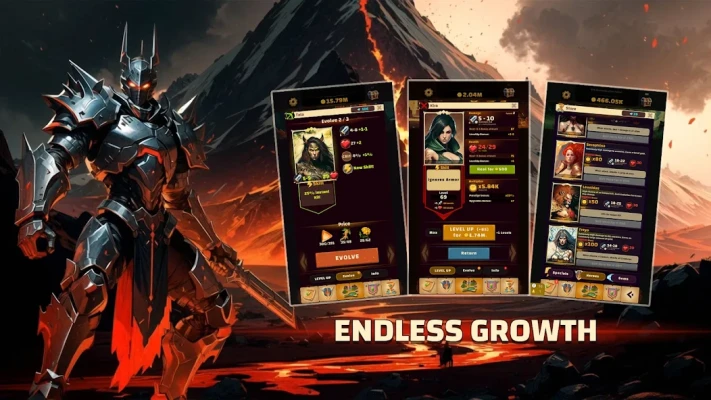
Players must collect powerful hero cards, assemble specialized teams, strengthen their champions, and explore different territories while gathering valuable resources. With several hero classes, challenging boss encounters, hidden treasures, mining activities, special missions, and goddess-awakening objectives, Astral Cards offers a combination of collectible card gameplay and incremental RPG progression.
The adventure also features quests from the King, Guild Master, and Merchant, along with permanent world upgrades that help players strengthen their heroes and prepare for increasingly difficult encounters.
Specific Game Information
Game Title: Astral Cards: Idle Card Game
Developer: DreamGate Company
Package Name: com.DreamGate.AstralCards
Platform: Android
Genre: Card Game, Idle RPG, Strategy, Fantasy Role-Playing
Game Type: Single-player
Gameplay Style: Idle Battler, Automatic Combat, Hero Collection, Strategic Team Building
Game Setting: Fantasy universe with astral magic
Main Objective: Collect heroes, build powerful teams, defeat possessed monsters, gather resources, and awaken three goddesses to defend the fantasy realms.
Main Hero Classes:
Warriors
Thieves
Mages
Hunters
Supporters
Main Gameplay Features:
Collectible hero cards.
Strategic team formation.
Automatic card battles.
Hero upgrades and evolution.
Specialized team combinations.
Boss encounters.
Astral World exploration.
Magic Crystal collection.
Lost treasure discovery.
Gold and treasure chest rewards.
Mining and Evolution Crystals.
King, Guild Master, and Merchant quests.
Special hero missions.
Permanent World upgrades.
Goddess awakening objectives.
Large world map with new territories.
Magic Runes feature announced as in development.
Monetization: Free to play, with advertisements and optional in-app purchases.
Content Rating: Teen, including suggestive themes and in-game purchases with random items.
The game was last listed as updated on August 10, 2026.
All About Astral Cards: Idle Card Game
Enter a Fantasy World Under Astral Attack
Astral Cards takes place in a fantasy universe facing an extraordinary threat. Powerful astral forces have begun corrupting monsters, putting the different realms in danger.
Players take responsibility for assembling a team of champions capable of confronting this invasion. The adventure revolves around collecting hero cards, improving their abilities, and creating effective combinations for different battles.
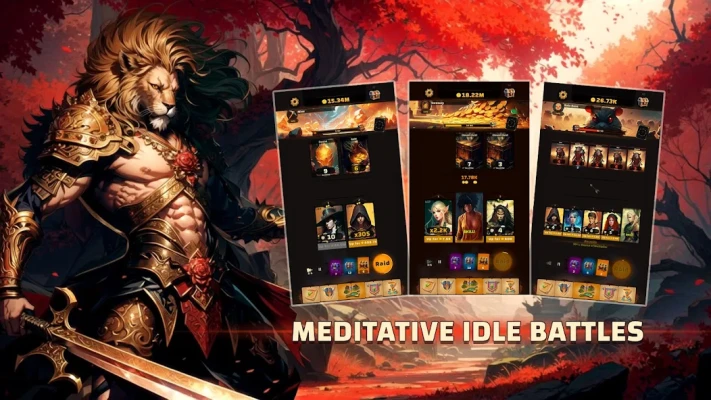
Unlike traditional card games that depend entirely on manual card placement and turn-based decisions, Astral Cards combines collectible card mechanics with idle Battler gameplay. This creates an experience where team preparation and hero development are important parts of the overall strategy.
The fantasy setting also provides plenty of opportunities for exploration. Players can discover new territories, investigate hidden treasures, clear mines, and challenge powerful enemies while collecting resources for future upgrades.
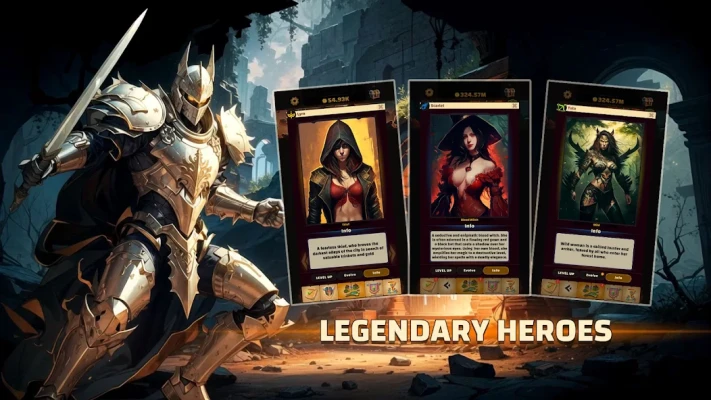
Hero Cards and Character Collection
Collecting heroes is one of the most important activities in Astral Cards.
Each hero represents a potential addition to your team, and different characters offer different abilities and combat roles.
Building a complete collection is not simply about obtaining as many cards as possible. Players should also consider how their heroes work together.
A balanced team can provide more flexibility than a group of characters with similar roles. Understanding the strengths of different heroes helps players prepare for a wider variety of encounters.
As the collection grows, players can experiment with different combinations and develop specialized teams for specific challenges.
Five Hero Classes
Astral Cards features five main hero categories, each contributing a different role to team formation.
Warriors
Warriors represent the frontline combat class. Their role is to provide a strong foundation for a team and participate directly in confrontations against enemy forces.
They are useful when building a formation that needs dependable frontline characters.
Thieves
Thieves introduce a different combat style and add variety to hero combinations.
Their class provides another option when developing specialized teams, allowing players to experiment with different approaches rather than relying entirely on traditional frontline characters.
Mages
Mages represent the magical side of your collection.
Their presence adds another dimension to team composition and makes them an important class to consider when experimenting with different hero combinations.
Hunters
Hunters provide another specialized role within the available hero classes.
Collecting and developing hunters gives players additional flexibility when building teams for different encounters.
Supporters
Supporters complete the five-class system by providing a dedicated support role.
A well-considered team should not focus exclusively on offensive characters. Support-oriented heroes can be valuable when creating a more balanced formation.
Strategic Team Building
Team formation is one of the central features of Astral Cards.
Players must assemble a group of champions capable of confronting different enemies. The most effective approach is to consider the strengths and roles of individual heroes rather than selecting characters randomly.
A specialized team should have a clear purpose.
Some combinations may be better suited to regular monster encounters, while others may be more appropriate for challenging bosses or progression activities.
As you unlock additional heroes, revisit your existing lineup. A newly acquired character might provide a useful alternative to an existing team member.
Experimentation is an important part of discovering which combinations work best.
Idle Battles and Automatic Combat
Astral Cards combines card collection with automatic battle mechanics.
This allows players to focus on preparing their teams and improving their heroes without requiring constant manual control of every combat action.
The idle Battler approach makes the game suitable for players who enjoy gradual progression and strategic preparation.
However, automatic combat does not mean that strategy is unimportant.
Your choice of heroes, their development, and the overall composition of your team remain important considerations.
A poorly developed team may struggle against stronger opponents, while a carefully assembled formation can make progression more manageable.
The Three Goddesses
One of the game's major story objectives involves awakening three powerful goddesses.
These divine characters represent three distinct forces within the fantasy universe.
Goddess of Light
The Goddess of Light represents one of the essential powers needed to confront the astral threat. Awakening her is part of the larger mission to restore balance to the realms.
Goddess of Darkness
The Goddess of Darkness represents another important force in the game's mythology. Her scattered pieces must be collected as part of the awakening objective.
Goddess of Astral
The Goddess of Astral is directly connected to the magical forces surrounding the invasion. Awakening her is another major step toward unlocking the combined power required to change the course of the conflict.
Players must collect the scattered pieces associated with all three goddesses and unite their powers.
This objective gives the adventure a broader purpose beyond ordinary card collection and monster battles.
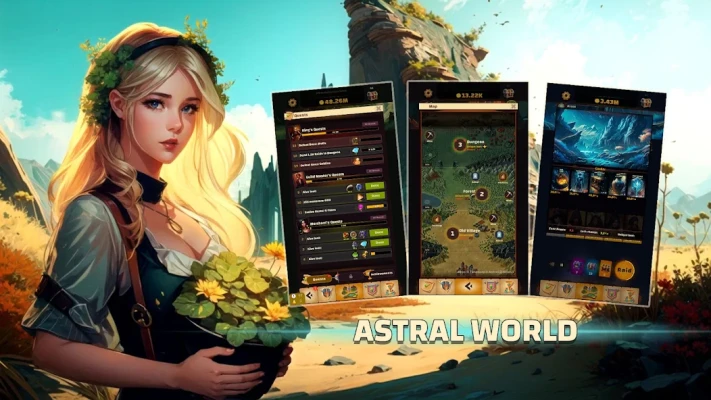
Exploring the Astral World
The Astral World is one of the game's important exploration destinations.
Players can venture into this mysterious area in search of Magic Crystals and other valuable resources.
Exploration adds variety to the regular combat experience because progression involves more than simply defeating enemies.
Collecting resources from different locations is essential for developing stronger heroes and improving the overall team.
As new territories become available, players should investigate their rewards and identify which activities best support their current objectives.
Lost Hidden Treasures
Treasure hunting provides another way to collect valuable resources.
Lost treasures contain gold and chests, making exploration an important part of the progression system.
These rewards can help players improve their heroes and support their future development.
Rather than concentrating entirely on combat, players should also pay attention to treasure opportunities.
A steady collection of resources can make a meaningful difference over time.
Mining and Evolution Crystals
Mining is another important progression activity.
Players can clear mines to acquire Evolution Crystals, which are used to strengthen their heroes.
This feature connects exploration and resource gathering with character development.
Evolution Crystals are especially important because hero improvement becomes increasingly relevant as enemies grow stronger.
Players should treat mining as a regular part of their progression routine rather than an activity to ignore.
Quests From the King, Guild Master, and Merchant
The quest system provides additional objectives throughout the adventure.
Astral Cards features three important quest sources:
King's Quests
The King's objectives offer players another way to structure their progression and work toward available rewards.
Guild Master's Quests
The Guild Master provides additional challenges that encourage players to participate in different activities.
Merchant's Quests
The Merchant introduces another set of objectives connected to the game's resource and reward systems.
Completing these quests regularly helps players maintain a clear direction while progressing through the game.
Special Hero Missions
Astral Cards allows players to dispatch heroes on special missions.
This feature adds another layer to hero management because characters can contribute to progression beyond the main battle system.
Special missions provide opportunities to collect additional benefits and rewards.
Players should make use of available missions whenever possible, especially when they are concentrating on other activities.
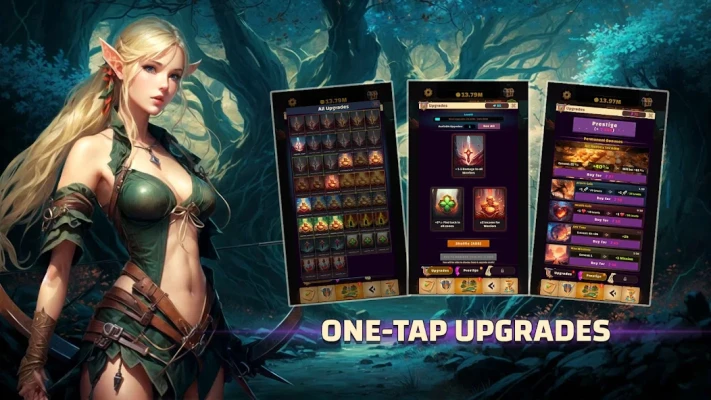
Permanent World Upgrades
Hero upgrades are important, but Astral Cards also features World upgrades.
These improvements provide lasting benefits and contribute to long-term progression.
The distinction between developing individual heroes and investing in the wider world is important.
Hero improvements strengthen your characters, while World upgrades support your broader advancement.
A balanced approach to both systems can help players build a stronger foundation for future challenges.
Magic Runes
Magic Runes are described in the game's listing as a feature in development.
Their intended purpose is to provide additional ways to increase hero attack power.
This system is worth mentioning as part of the game's announced feature set, but it should not be treated as a fully available gameplay mechanic unless confirmed by a later game update.
Complete Astral Cards Strategy Guide
Understand the Basics Before Building Your Team
The first step toward becoming successful in Astral Cards is understanding how its different progression systems work together.
The game revolves around five main activities:
Collecting and developing hero cards.
Building specialized combat teams.
Defeating monsters and challenging bosses.
Exploring territories to collect resources.
Completing quests and permanent upgrades.
These activities support one another. Hero collection provides new team options, mining supplies Evolution Crystals, and exploration offers additional resources for development.
Avoid concentrating exclusively on battles. A balanced approach to all available activities will help you progress more efficiently.
Build a Balanced Team
Your team composition should be one of your main priorities.
Because Astral Cards features Warriors, Thieves, Mages, Hunters, and Supporters, you have several options when assembling your champions.
A good starting strategy is to avoid creating a team that depends entirely on one class.
Consider the following approach:
Include frontline heroes: Warriors provide a natural starting point for building a dependable team.
Experiment with different classes: Try combining Thieves, Mages, and Hunters to discover which characters complement your available heroes.
Consider support roles: Supporters offer another dimension to team composition and should not be overlooked.
Review your lineup regularly: As you collect additional cards, compare newly unlocked heroes with your current formation.
Develop your strongest combinations: Once you discover a team that performs consistently, prioritize improving its members.
Remember that there is no single formation that must work for every situation. Experimentation is essential.
Prioritize Hero Collection
Collecting new heroes should remain an ongoing objective.
Each additional character increases your available team-building options and gives you more opportunities to experiment with specialized formations.
Do not judge a hero only by its class. Consider its unique skills and how those abilities might complement your existing champions.
A newly collected hero could become a valuable addition even if you already have several characters belonging to the same category.
Focus on building a versatile collection rather than concentrating exclusively on a small number of characters.
Upgrade Heroes Consistently
Hero upgrades are essential for handling increasingly difficult enemies.
As you progress, stronger opponents will require better-developed champions.
Instead of distributing every available resource equally, prioritize the heroes that contribute most to your main team.
A practical upgrade strategy involves:
Identifying your most useful heroes.
Improving the characters that form your primary formation.
Collecting Evolution Crystals through mining.
Reviewing your team's performance after upgrades.
Investing in additional heroes when your current formation needs more flexibility.
Avoid neglecting your main team while spending too many resources developing characters that you rarely use.
Make Mining a Regular Activity
Mining is particularly important because it provides Evolution Crystals.
These resources contribute directly to hero development, making mines valuable destinations throughout your adventure.
Whenever mining opportunities become available, consider how their rewards can support your current upgrade plans.
Do not wait until your heroes become too weak before thinking about resource collection.
A better strategy is to maintain a steady supply of Evolution Crystals so that you can improve your team when necessary.
Explore the Astral World Efficiently
Exploration should be part of your regular progression routine.
The Astral World offers opportunities to collect Magic Crystals, while other territories provide access to additional rewards and activities.
When exploring, concentrate on identifying the resources available in each location.
Your priorities should include:
Collecting Magic Crystals.
Discovering new territories.
Searching for lost treasures.
Opening available treasure chests.
Identifying useful resource locations.
Preparing your heroes for more difficult encounters.
Avoid treating exploration as an activity separate from character development. The resources you collect can support your overall progression.
Search for Lost Treasures
Lost treasures are valuable because they contain gold and chests.
Make treasure discovery one of your regular objectives whenever exploring the world map.
Gold is an important resource for development, while chests provide additional rewards.
A useful strategy is to balance treasure hunting with mining and combat activities.
This creates a more consistent resource collection routine and prevents you from depending on a single activity for progression.
Complete All Available Quests
The King, Guild Master, and Merchant provide different quest opportunities.
Check their objectives frequently and prioritize quests that can be completed through your normal activities.
For example, if an objective involves hero development, continue improving your primary team while working toward other available goals.
Avoid ignoring quest rewards simply because you are concentrating on battles.
A consistent quest routine provides additional structure and helps you make progress across several game systems.
Use Special Hero Missions
Special missions are an important part of managing your heroes efficiently.
Instead of focusing only on the main battle formation, pay attention to opportunities to dispatch heroes on additional assignments.
These missions allow your collection to contribute to progression in another way.
Whenever possible, make use of available missions and collect their rewards.
This is particularly useful when you have heroes that are not currently part of your main combat team.
Invest in Permanent World Upgrades
World upgrades deserve special attention because they provide lasting benefits.
One common mistake in incremental RPGs is focusing exclusively on immediate character improvements.
Although hero upgrades are important, permanent improvements can support your development over a longer period.
Before spending resources, consider whether an available World upgrade could provide more lasting value than a short-term improvement.
Try to maintain a balance between strengthening your current champions and improving the overall progression system.
Prepare for Boss Battles
Boss encounters are important challenges in Astral Cards.
These battles test the quality of your team and the effectiveness of your development strategy.
Before attempting a difficult boss, review your available heroes and make sure your primary formation is sufficiently developed.
If you repeatedly struggle against an opponent, consider changing your team composition.
You can also return to mining, treasure hunting, and regular progression activities to collect more resources.
A useful boss preparation routine includes:
Review your current team.
Improve your strongest heroes.
Consider different class combinations.
Collect additional Evolution Crystals.
Check available World upgrades.
Return to the encounter after strengthening your formation.
Do not rely entirely on repeated attempts without making improvements.
Work Toward Awakening the Three Goddesses
Awakening the Goddess of Light, Goddess of Darkness, and Goddess of Astral is one of the most important long-term objectives.
Their scattered pieces must be collected before their powers can be united.
Treat this objective as a major progression milestone.
Keep track of the available opportunities to collect the required pieces and continue exploring the game world.
The awakening objective gives your adventure a clear purpose and provides an additional reason to participate in different activities.
Rather than concentrating exclusively on hero collection, remember that completing this larger objective is central to the game's fantasy storyline.
Manage Gold and Other Resources
Resource management becomes increasingly important as your collection grows.
You will need to consider how to distribute your available resources between hero development, Evolution Crystals, and World upgrades.
A sensible priority system is:
First priority: Improve the heroes that form your main combat team.
Second priority: Collect resources through mining and exploration.
Third priority: Invest in permanent World improvements.
Fourth priority: Develop additional heroes to create alternative formations.
This is a flexible approach rather than a fixed spending requirement. Adjust your priorities whenever you encounter a progression challenge that requires a different solution.
Advanced Strategy for Long-Term Progression
Experienced players should focus on understanding the relationships between the game's different systems.
Instead of treating collection, mining, quests, and exploration as separate activities, use them to support one another.
For example, mining provides Evolution Crystals that improve heroes. Stronger heroes help you handle more demanding encounters. Completing quests and exploring new territories provide further opportunities to collect rewards.
This creates a natural progression cycle.
The most effective long-term strategy is to maintain a strong primary team while gradually expanding your hero collection.
Also, review your World upgrades regularly and take advantage of special missions.
Avoid wasting resources on improvements that do not contribute meaningfully to your current goals.
Common Mistakes to Avoid
Building a team without considering hero roles
Collecting powerful characters is useful, but team composition also matters. Consider how different classes complement one another.
Ignoring Supporters
Focusing exclusively on offensive heroes can limit your team-building options. Give support-oriented characters proper consideration.
Neglecting mining
Evolution Crystals are important for hero development. Ignoring mines can make future upgrades more difficult.
Forgetting about treasure hunting
Lost treasures provide gold and chests. Make exploration part of your regular routine.
Ignoring special missions
Unused mission opportunities mean missing additional rewards. Check available assignments regularly.
Spending resources without a plan
Random upgrades can slow your progress. Prioritize improvements that strengthen your main team or provide lasting benefits.
Overlooking World upgrades
Permanent improvements are an important part of long-term progression. Do not focus entirely on individual heroes.
Rushing through difficult battles
If your team cannot handle an encounter, return to development activities and improve your formation before trying again.
Frequently Asked Questions
What is Astral Cards: Idle Card Game?
Astral Cards is a fantasy collectible card RPG developed by DreamGate Company. It combines hero collection, automatic battles, idle progression, team building, and exploration.
Is Astral Cards free to play?
Yes. The game is free to download on Android through Google Play. It also contains advertisements and optional in-app purchases.
What are the main hero classes?
There are five main hero classes: Warriors, Thieves, Mages, Hunters, and Supporters.
How does combat work?
Astral Cards combines collectible hero cards with automatic Battler mechanics. Players assemble their teams and develop their heroes to fight astral-possessed monsters.
Can you collect different heroes?
Yes. Collecting different hero cards is one of the central gameplay activities. Each hero has unique skills that can contribute to specialized team combinations.
What are the three goddesses?
The three goddesses are the Goddess of Light, Goddess of Darkness, and Goddess of Astral. Players must collect their scattered pieces and awaken them to unite their powers.
What are Evolution Crystals used for?
Evolution Crystals are resources obtained by clearing mines. They are used to improve the power of your heroes.
What can you find in the Astral World?
The Astral World is an exploration destination where players can search for Magic Crystals and other valuable resources.
What are the King's, Guild Master's, and Merchant's quests?
They are different quest categories that provide additional objectives and opportunities to unlock rewards.
Can heroes participate in special missions?
Yes. Players can dispatch heroes on special missions to obtain additional benefits and rewards.
What are World upgrades?
World upgrades are improvements that provide lasting benefits and support overall progression rather than focusing exclusively on individual characters.
Does Astral Cards have Magic Runes?
Magic Runes are mentioned as a planned feature intended to improve hero attack power. Their availability should be checked in the current game version.
Is Astral Cards a multiplayer game?
The game is presented as a single-player experience focused on collecting heroes, managing teams, and fighting computer-controlled enemies.
Who developed Astral Cards?
Astral Cards: Idle Card Game was developed by DreamGate Company, an independent game development studio.
Final Verdict
Astral Cards: Idle Card Game offers an interesting combination of collectible cards, fantasy role-playing, idle battles, and strategic team management.
Its five hero classes give players several options when building their formations, while hero evolution and permanent World upgrades provide meaningful progression opportunities.
The adventure also goes beyond ordinary card battles with its exploration activities, mining system, treasure hunting, special missions, and three-goddess awakening objective.
One of its strongest features is the variety of activities that contribute to character development. Players can collect heroes, improve their teams, explore new territories, and gather valuable resources without relying entirely on repetitive battles.
For fans of idle RPGs, fantasy card games, automatic combat, and hero collection adventures, Astral Cards provides an engaging experience with several interconnected progression systems.
Rate the Game
User Reviews











Popular Games



















 Android
 iOS
 Windows
 Xbox