


Latest Version
October 21, 2025
Arnold Rauers
Strategy
iOS
0
Report a Problem
More About :game
ENYO Game Information
Game Title: ENYO
Developer: Arnold Rauers
Genre: Tactical Roguelike, Turn-Based Strategy, Puzzle, Action Tactics
Platforms: iPhone and iPad, with an Android version also available
Game Mode: Single-player
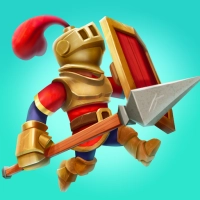
Main Character: Enyo, the Greek goddess of war
Primary Weapons: Hook and shield
Combat Style: Indirect combat using positioning, pushing, pulling, and environmental hazards
Main Objective: Explore a dangerous labyrinth and recover three legendary artifacts.
Game Modes: Three modes with high-score leaderboards.
Core Features: Procedurally changing labyrinths, tactical enemy encounters, chain combos, environmental traps, and competitive scoring.
Monetization: Free download with advertising and an in-app purchase to unlock the full game and remove ads. The purchase may also unlock additional content, including the Daily Challenge, depending on the store version.
Developer: Independent game creator Arnold Rauers.
Introduction to ENYO
ENYO offers a distinctive take on tactical combat by making the environment your most important weapon. Rather than relying on conventional attacks to defeat enemies, you must manipulate their positions and use the dangerous features of the labyrinth to your advantage.
You control Enyo as she moves through a changing maze filled with hostile creatures, burning lava, and spike-covered walls. Your hook and shield allow you to influence the battlefield, drawing enemies toward you, pushing them away, and setting up situations in which environmental hazards do the damage.
The result is a game in which a single move can change the entire encounter. An enemy standing near a spike wall may be easy to eliminate if you position yourself correctly. Another enemy in an open area may require several careful actions to bring into a useful position.
ENYO is built around turn-based decisions, so you can take time to study the battlefield and consider your options. However, its challenging encounters mean that poor positioning can still be costly.
The most effective players learn to think like tacticians. Instead of asking which enemy to attack first, they ask how to manipulate the battlefield so that enemies defeat themselves.
How to Play ENYO
Understand the Battlefield
The labyrinth is a grid-based environment containing Enyo, enemies, and dangerous terrain. Each position matters because your location determines which enemies you can reach, where you can move them, and whether a trap can be used effectively.
Before taking an action, examine the nearby hazards and the positions of your enemies. Look for opportunities to push an opponent into spikes, pull a creature toward lava, or move several enemies into a position where one action can eliminate more than one target.
Avoid focusing exclusively on the closest enemy. A more distant opponent may be easier to defeat if you can manipulate the surrounding terrain to your advantage.
Learn the Turn-Based Combat System
ENYO revolves around deliberate actions rather than rapid attacks. You choose a move, observe the consequences, and then adapt to the changed battlefield.
Every action should serve a purpose. You might reposition yourself, pull an enemy closer, push a dangerous opponent toward a hazard, or prepare a chain reaction.
A good tactical decision considers both the immediate result and the enemy's likely response. Before committing to a move, think about whether it leaves you exposed to an attack or creates a safer position for your next turn.
Defeat Enemies With Environmental Hazards
The defining mechanic of ENYO is indirect combat. Enemies are defeated by pushing or pulling them into hazards rather than relying on conventional damage attacks.
Lava pits and spike walls are therefore central to your strategy. Their positions determine which enemies can be eliminated efficiently and which encounters require additional preparation.
Whenever possible, position enemies near a hazard before using your hook or shield. This reduces the number of actions needed and helps you control the pace of the encounter.
Recover the Legendary Artifacts
The main adventure challenges you to descend into the labyrinth and recover three legendary artifacts.
Progress requires more than defeating individual enemies. You must survive dangerous encounters, manage your positioning, and recognize when advancing is worth the risk.
Approach each section with a clear objective. Eliminate immediate threats, preserve safe movement options, and avoid unnecessary confrontations when your current position is already dangerous.
Complete ENYO Strategy Guide
Master the Hook
The hook is one of your most important tactical tools. It allows you to manipulate enemy positions and create opportunities that would be difficult to achieve through ordinary movement.
Use it to pull enemies toward spike walls or lava pits, reposition opponents that are blocking your route, and prepare combinations involving multiple creatures.
Before using the hook, identify the destination you want the target to reach. Pulling an enemy without a clear objective can waste a turn or leave you in a more dangerous position.
The strongest hook plays combine positioning with environmental awareness. Instead of simply bringing an enemy closer, arrange the battlefield so the resulting movement creates an immediate advantage.
Advanced hook strategy: Look for situations where pulling one enemy changes the positions of other nearby enemies. Even when a move does not eliminate a target immediately, it may create the setup for a more powerful follow-up.
Use the Shield for Positioning and Control
The shield provides another way to influence the battlefield. Its defensive and pushing capabilities make it valuable for controlling enemy movement and creating opportunities near hazards.
A shield action is especially useful when an enemy is positioned between you and a dangerous tile. A well-timed push can send the opponent into spikes or lava without requiring a direct attack.
Think carefully about the direction of each push. The goal is not merely to move an enemy away from you; it is to move that enemy somewhere useful.
You should also consider how the shield's position affects your future options. Avoid making a move that solves an immediate problem but leaves you unable to handle a second threat.
Combine Hook and Shield Actions
The hook and shield become more powerful when used together. One tool can prepare the position, while the other creates the final movement needed to eliminate an enemy.
For example, you might use the hook to bring an opponent closer to a spike wall, then use a shield action to push the enemy into the hazard. In another situation, a shield push might reposition an enemy so that a later hook action can draw it toward lava.
The best sequence depends on the battlefield. Always check the available actions and target positions before committing to a combination.
Avoid repeating the same sequence automatically. Enemies, terrain, and available movement options vary, so a flexible approach is more reliable than a fixed combo.
Make Spike Walls Your Main Advantage
Spike walls are among the most useful features of the labyrinth because they turn enemy movement into a lethal opportunity.
Whenever you see an opponent near a spike wall, consider whether a push or pull can move it into the dangerous area. This may be safer and more efficient than trying to maneuver around the enemy.
You should also pay attention to your own position. Standing too close to a hazard can restrict your escape options and make it easier for enemies to threaten you.
The key is to control the direction of movement. A spike wall becomes a powerful weapon when you can predict where the enemy will end up after your action.
Use Lava Pits to Eliminate Dangerous Enemies
Lava provides another reliable way to defeat opponents through environmental manipulation.
When an enemy is near a lava pit, prioritize actions that send it into the hazard safely. This can reduce the number of threats on the board without requiring a prolonged encounter.
However, do not rush toward lava simply because it is available. The path to a suitable position may expose you to other enemies or leave you with limited movement options.
Evaluate the full sequence before acting. A slightly slower route that preserves your safety is often preferable to a risky maneuver that could end the run.
Create Chain Combos
Chain combos are one of the most rewarding aspects of ENYO. A successful combination uses positioning and environmental hazards to defeat multiple enemies through a carefully planned sequence.
Start by identifying groups of enemies and the hazards around them. Consider whether pushing or pulling one target could reposition another, open a new attack line, or create an opportunity for a follow-up action.
The best combos are not necessarily the most complicated. A simple sequence that eliminates a threat and leaves you in a safe position can be more useful than an ambitious maneuver with uncertain results.
To improve your combo skills, practice recognizing three elements before you act:
The enemy you can move most effectively.
The hazard that offers the greatest advantage.
The safest position to occupy after the maneuver.
Once you begin recognizing these patterns, you will find more opportunities to defeat enemies efficiently and improve your scores.
Position Yourself Before Attacking
Positioning is often more important than the action itself. A hook or shield move may be powerful in one location and ineffective in another.
Before engaging an enemy, consider whether you can move to a position that gives you a better angle or a safer route toward a hazard.
Avoid surrounding yourself with multiple threats. If several enemies are approaching, look for ways to reposition them or create space rather than focusing on the first available target.
A strong position gives you several options for your next turn. A weak position forces you to respond to danger without much control.
Study Enemy Behavior
Different enemies can create different tactical problems. Some may pressure your position, while others can threaten you from a distance or interact with the environment in unexpected ways.
Take time to observe their movement and abilities. Learning how an enemy behaves helps you predict where it will move and which actions are likely to work.
The latest version also provides enemy information through a tap-and-hold tooltip and a danger-zone display, making it easier to understand threats before choosing an action.
Do not assume that all enemies can be handled with the same hook-and-shield combination. Adapt your tactics to the specific opponent and its location.
Prioritize the Most Dangerous Threat
When multiple enemies are present, the closest one is not always the most important target.
An enemy that can threaten your next move may deserve immediate attention. Another creature might be harmless for the moment but dangerous if allowed to approach a particular area.
Assess the battlefield and identify which enemy is most likely to compromise your survival. If possible, eliminate that threat with an efficient environmental maneuver.
This approach prevents you from wasting actions on easy targets while a more dangerous opponent continues to limit your movement.
Preserve Safe Movement Options
It is easy to become so focused on eliminating enemies that you forget to maintain a safe position.
Try to avoid ending a turn in a location where every available move exposes you to danger. Leave yourself room to respond if an enemy moves unexpectedly or a planned combination becomes unavailable.
Whenever possible, maintain access to open tiles and avoid trapping yourself between enemies and hazards.
Survival depends not only on defeating opponents but also on ensuring that you have a workable response to the next threat.
Best Tips for Beginners
Start With Simple Environmental Kills
Learn to recognize easy opportunities to push an enemy into a nearby spike wall or lava pit. These encounters help you understand the relationship between movement, positioning, and hazards.
Once you are comfortable with straightforward eliminations, begin experimenting with more complicated combinations.
Plan Before Every Action
Although the game is turn-based, careless decisions can quickly end a run. Take advantage of the opportunity to study the board before committing to a move.
Ask yourself where the enemy will end up, how it might respond, and whether your position will remain safe.
Avoid Fighting Without a Purpose
Moving enemies around without a clear objective can waste valuable actions. Before using the hook or shield, decide whether you want to eliminate a target, reposition a threat, or prepare a combo.
A move that creates no meaningful advantage is often better left unused.
Use the Environment Instead of Chasing Enemies
You do not need to pursue every opponent across the labyrinth. Sometimes it is more effective to wait for a favorable position or manipulate the enemy's movement.
Let the terrain do the work whenever possible. Lava and spike walls exist to provide tactical opportunities, so make them part of your plan.
Learn From Every Failed Run
A failed attempt can reveal a useful lesson about enemy behavior, movement, or positioning.
Think about what caused the problem. Did you move too close to a hazard? Did you overlook an enemy's danger zone? Did you use the hook without considering where the target would land?
Change your approach based on what you learn. Small improvements in decision-making can lead to noticeably better results.
Take Advantage of Short Sessions
ENYO is well suited to short play sessions. You can practice a particular mechanic, experiment with a different strategy, or attempt to improve your high score without committing to a lengthy campaign.
Use individual runs to develop one skill at a time, such as shield positioning, hook accuracy, or combo planning.
Advanced ENYO Tactics
Think in Sequences Rather Than Single Moves
Advanced play requires you to consider how multiple actions work together.
Instead of asking whether a hook action is useful by itself, ask what it enables next. Can you follow it with a shield push? Will the enemy move closer to a hazard? Can one elimination improve your position against another opponent?
Planning sequences makes your actions more efficient and helps you avoid moves that create temporary advantages but lead to difficult situations.
Manipulate Multiple Enemies at Once
When enemies gather near one another, look for opportunities to influence more than one target.
A carefully chosen movement may alter the positions of several creatures or prepare a sequence that eliminates multiple opponents. This can be more efficient than handling every enemy individually.
Before attempting a multi-enemy maneuver, examine the available space and determine whether the resulting positions will remain favorable.
Use Enemy Movement to Your Advantage
Enemies are not just targets. Their movement can help you create opportunities.
Observe how opponents approach Enyo and consider whether their movement will bring them closer to a hazard or make them easier to manipulate.
Rather than immediately using an action, you may be able to improve the situation by repositioning yourself and allowing the enemy to move into a more favorable location.
This requires patience, but it can save actions and reduce unnecessary risk.
Recognize When a Combo Is Not Worth Attempting
Not every potential combo should be pursued. A complex maneuver may require too many actions or leave you exposed to another enemy.
Compare the likely reward with the danger involved. If a simple elimination provides a safer result, take it.
Strong tactical play is not about making the most spectacular move. It is about consistently choosing actions that improve your chances of survival and success.
Manage Risk in High-Score Runs
The three game modes provide opportunities to compete for high scores, making efficiency and survival important considerations.
During a scoring run, avoid taking unnecessary risks merely to create a complicated combo. Prioritize reliable eliminations and maintain a safe position whenever possible.
As your confidence improves, incorporate more ambitious maneuvers when the terrain and enemy placement support them.
The most dependable way to improve your scores is to reduce avoidable mistakes while recognizing opportunities for efficient multi-enemy plays.
ENYO Game Modes Explained
ENYO features three game modes, each contributing to the game's replayability and high-score competition.
Normal Mode
Normal mode is a useful place to develop your understanding of the core mechanics. Practice using the hook and shield, learn how enemies interact with hazards, and focus on maintaining safe positions.
Rather than trying to achieve a perfect run immediately, use this mode to build reliable habits.
Expert Mode
Expert mode is suited to players who want a more demanding tactical challenge. Greater pressure makes positioning, enemy awareness, and efficient action sequences especially important.
Approach difficult encounters with patience. Study the threats before committing to a move, and avoid relying on combinations that only work under favorable conditions.
Daily Challenge
The Daily Challenge adds a recurring objective for players who want to test their skills against a specific challenge.
It can be a useful way to practice under different conditions and compare your results with other players. Focus on understanding the available situation rather than applying your usual tactics automatically.
Access to the Daily Challenge may depend on unlocking the full game through the in-app purchase.
How to Improve Your High Scores
Focus on Efficient Eliminations
Environmental kills are central to ENYO's combat system. Look for ways to eliminate enemies with fewer actions and less exposure to danger.
An efficient kill often improves both your immediate safety and your ability to handle the remaining opponents.
Learn to Recognize Combo Opportunities
High-score play benefits from identifying situations where one maneuver can lead to several useful outcomes.
Look for enemies near hazards, groups of opponents that can be repositioned together, and situations in which a hook action creates a follow-up shield opportunity.
Practice these patterns until you can recognize them quickly.
Avoid Unnecessary Damage and Risk
An aggressive approach may sometimes produce a high score, but repeated reckless decisions can end a promising run.
Use your tools to manage threats before they become overwhelming. If an enemy can be eliminated safely, prioritize that opportunity over a risky combination.
Practice the Same Skills Across Different Modes
The core principles of positioning, environmental manipulation, and risk management apply across ENYO's game modes.
Improving these skills will help you handle changing labyrinths more confidently and make better decisions under pressure.
Common Mistakes to Avoid in ENYO
Trying to Defeat Enemies Directly
ENYO is built around indirect combat. Trying to approach every encounter as a conventional attack can make the game unnecessarily difficult.
Look for ways to use pushing, pulling, and environmental hazards instead.
Ignoring the Spike Walls and Lava
The hazards are essential parts of your combat toolkit. If you focus only on enemy positions without considering nearby traps, you may overlook the easiest way to eliminate a threat.
Examine the terrain before every important action.
Using the Hook Without Planning the Destination
Pulling an enemy closer is not automatically beneficial. If the target ends up in a position that makes the next move more dangerous, the action may work against you.
Always consider the destination and what you intend to do afterward.
Moving Too Close to Dangerous Terrain
Spike walls and lava can be useful against enemies, but they can also restrict your own movement.
Maintain enough distance to maneuver safely and avoid placing yourself in a position where an opponent can easily force you into danger.
Overcomplicating Simple Encounters
A complicated combo may look impressive, but it is not always the best choice.
When a straightforward maneuver can eliminate an enemy safely, there may be little reason to attempt something riskier.
Forgetting About Other Enemies
Focusing on a single target can leave you vulnerable to threats elsewhere on the board.
Before making a move, check the danger zones around Enyo and consider how the remaining enemies might respond.
Is ENYO Worth Playing?
ENYO is an excellent choice for players who enjoy tactical puzzles, turn-based combat, and games that reward experimentation.
Its defining strength is the indirect combat system. Rather than repeatedly attacking enemies, you must manipulate their positions and use the environment to achieve your objectives. This creates satisfying moments when a carefully planned move turns a dangerous situation into a successful combination.
The changing labyrinths help keep encounters unpredictable, while the three game modes and high-score leaderboards give experienced players reasons to continue improving.
However, ENYO can be challenging for newcomers. Poor positioning and careless moves can end a run quickly, and players who prefer straightforward combat may need time to appreciate its tactical approach.
If you enjoy planning several moves ahead, solving spatial problems, and finding creative ways to overcome enemies, ENYO offers a distinctive mobile strategy experience.
Frequently Asked Questions About ENYO
What is ENYO?
ENYO is a turn-based tactical roguelike developed by Arnold Rauers. You play as the Greek goddess of war and use a hook, shield, and environmental hazards to defeat enemies in a changing labyrinth.
How do you defeat enemies in ENYO?
You defeat enemies by pushing or pulling them into dangerous terrain, particularly lava pits and spike walls. Positioning and environmental manipulation are the central combat mechanics.
What is the best weapon in ENYO?
The hook and shield serve different but complementary purposes. The hook helps manipulate enemy positions, while the shield supports pushing and battlefield control. Using both effectively is more important than relying on one alone.
How do you use the hook effectively?
Identify a useful destination for your target before using the hook. Pull enemies toward hazards, create favorable positions, and look for opportunities to prepare follow-up actions.
How do you create combos in ENYO?
Look for groups of enemies and nearby hazards. Use the hook and shield to position opponents so that one action can lead to multiple eliminations or set up an efficient follow-up maneuver.
Is ENYO difficult?
ENYO can be challenging because a single poor decision may expose you to dangerous enemies or hazards. However, learning enemy behavior, understanding the grid, and planning actions carefully make the game more manageable.
How many game modes does ENYO have?
ENYO has three game modes with high-score leaderboards. These modes provide different ways to practice your tactics and challenge yourself.
Is ENYO available on iPhone and iPad?
Yes. ENYO is available for iPhone and iPad, and an Android version is also available.
Is ENYO free to download?
Yes. The game is available as a free download with advertising and an in-app purchase that unlocks the full game and removes ads. The exact included features depend on the store version.
Can you play ENYO offline?
The core game is designed around turn-based single-player gameplay. Online-dependent features, such as leaderboards and Daily Challenge services, may require an internet connection.
What is the best strategy for beginners?
Start by learning how to push and pull enemies into nearby hazards. Study the battlefield before acting, avoid dangerous positions, and focus on simple, reliable eliminations before attempting complex combos.
How do you survive longer in ENYO?
Maintain safe movement options, monitor enemy danger zones, and avoid taking unnecessary risks. Use environmental hazards to eliminate threats efficiently and think about the consequences of every action.
How can you get a higher score?
Improve your positioning, use the hook and shield efficiently, identify chain-combo opportunities, and minimize avoidable mistakes. Consistent tactical decisions are more valuable than reckless attempts to eliminate several enemies at once.
Final Thoughts on ENYO
ENYO turns tactical combat into a puzzle of movement, positioning, and environmental manipulation. Its hook and shield give you the tools to control enemies, while lava pits and spike walls transform the labyrinth into a dangerous but useful battlefield.
The best strategy is to think ahead, identify the most important threats, and make every action contribute to a clear objective. Learn how enemies behave, use hazards whenever they provide a safe advantage, and experiment with combinations that improve your position instead of leaving you exposed.
With its changing labyrinths, challenging encounters, three game modes, and high-score competition, ENYO offers a rewarding experience for players who enjoy thoughtful strategy. Mastering its mechanics takes patience, but every successful combo demonstrates how much can be achieved through careful planning rather than direct force.
Rate the Game
User Reviews










Popular Games



















 Android
 iOS
 Windows
 Xbox