

Latest Version
October 28, 2026
Funovus
Strategy
0
com.funovus.alternatekeep
Report a Problem
More About :game
Game Overview and Main Features
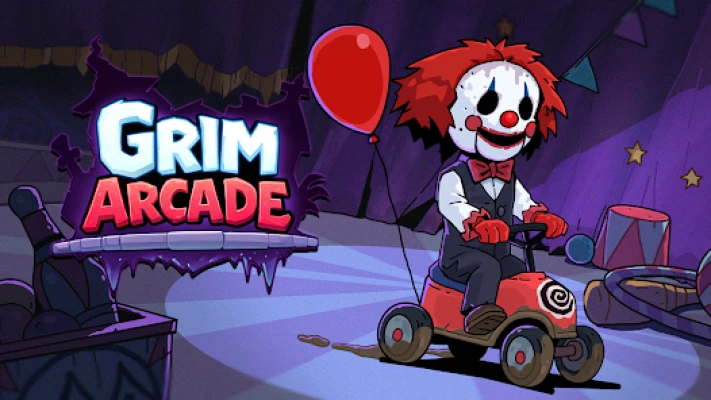
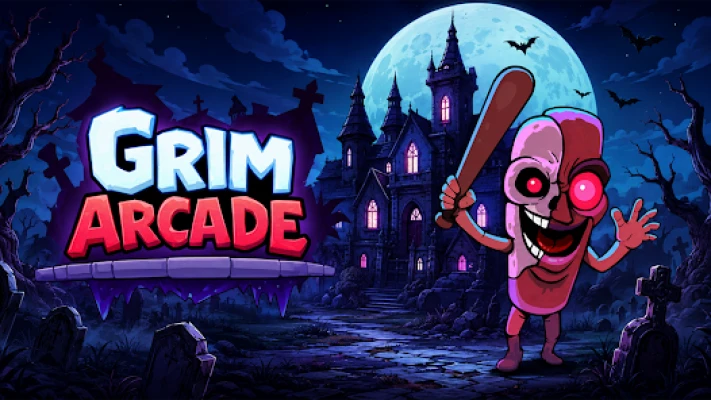
Grim Arcade: Treasure Raid brings together spooky carnival management, monster battles, collectible Horrors, and a world of eerie attractions. Developed by Funovus, the game gives players several ways to progress, from strengthening their defenses to earning coins and exploring new locations.
The central goal is to develop your haunted carnival while building enough strength to handle increasingly challenging encounters. Progress involves making smart decisions about upgrades, collecting useful rewards, and choosing when to focus on defense or competitive activities.
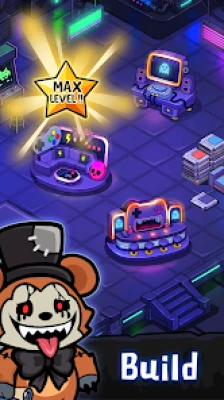
Haunted Carnival Building
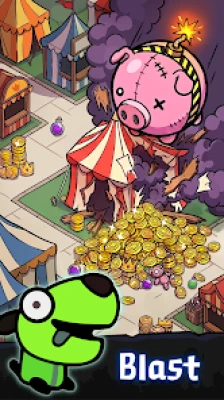
Build and restore a carnival filled with strange attractions and creepy-cute characters. Developing your surroundings is an important part of progression, giving you a reason to collect resources and continue exploring.
Tower Defense Battles
Defend against waves of monsters in strategic encounters. Successful defense requires paying attention to enemy pressure, improving your available strength, and making the most of the abilities and resources you unlock.
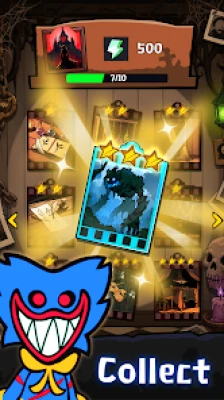
Collectible Horrors
Discover and collect unusual Horrors as you progress. These characters are part of the game's spooky personality and collection system. Focus on learning what each available character contributes before deciding which upgrades deserve priority.
Arcade Mini-Games
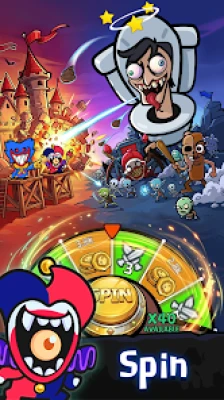
Play eerie arcade machines to earn coins and strengthen your journey. These activities add variety to the main progression loop and offer another reason to return to the carnival.
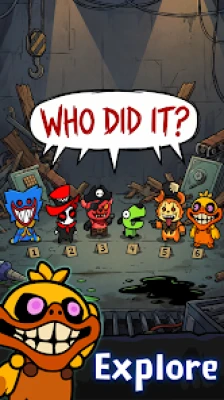
World Exploration and Landmark Restoration
Travel along a spooky road trip, visiting locations and rebuilding haunted landmarks. Each stop offers another opportunity to develop your progress and discover additional rewards.
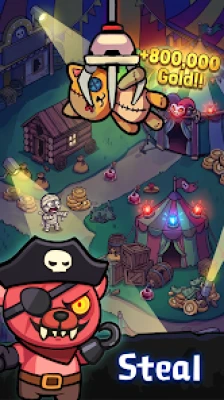
Raiding and Competition
Take part in rival raids and work toward higher leaderboard positions. Competitive activities add another layer to the experience, encouraging players to improve their overall development rather than focusing exclusively on one activity.
Rotating Events and Rewards
Special events introduce changing opportunities to earn rewards. Checking the available event objectives regularly can help you decide where to spend your time and which activities deserve immediate attention.
Coins and Progression
Coins are an important part of the progression experience. Arcade activities and other available rewards can help you build your resources, allowing you to work toward upgrades and further development.
Complete Gameplay Guide
Getting Started in Grim Arcade: Treasure Raid
When starting the game, take time to understand the main screen, available activities, and the resources used for progression. Rather than spending every reward immediately, identify the upgrades and objectives that will help you advance most efficiently.
Begin with the introductory tasks and follow the available instructions. These early activities help you become familiar with carnival development, monster defense, collectible Horrors, and the game's reward systems.
Pay attention to any tutorial explanations about combat, upgrades, and special activities. Understanding these basic systems early makes later decisions easier, especially when several upgrades compete for the same resources.
Your initial objective should be to establish a reliable progression routine. Develop your carnival, participate in accessible activities, collect available rewards, and strengthen your defenses before attempting more demanding challenges.
How to Build a Strong Haunted Carnival
Carnival development is an important part of the overall experience. A well-managed progression plan helps you make steady improvements without wasting resources on upgrades that offer little immediate benefit.
Prioritize the improvements connected to your current objectives. If a task requires stronger defenses, focus on the upgrades that help you handle monster waves. If you need more coins, look for accessible activities that provide useful rewards.
Avoid upgrading everything as soon as it becomes available. Concentrating your resources on a few useful improvements can produce more noticeable progress than spreading them across several unrelated options.
As new attractions and locations become available, review their requirements before committing your resources. Understanding the cost of the next major objective helps you plan ahead instead of repeatedly running short of coins.
A good carnival strategy balances immediate progress with long-term development. Make upgrades that solve current problems while keeping enough resources available for important opportunities that appear later.
How to Defend Against Monster Waves
Tower defense requires you to improve your strength while responding to increasingly demanding enemy encounters. The most effective approach is to identify why a defense succeeds or fails and make targeted improvements.
Before entering a difficult battle, review your available upgrades and abilities. Strengthen the elements that are most relevant to your current challenge rather than assuming that every improvement will provide the same benefit.
During combat, pay attention to how quickly enemies advance and where your defenses struggle. If your current setup cannot handle a wave, use the result to guide your next upgrade decision.
Avoid repeating a difficult encounter without making any meaningful changes. Improving the relevant part of your setup gives you a better chance of overcoming the same obstacle on your next attempt.
When a battle becomes manageable, continue developing your defenses gradually. Consistent improvements are generally more reliable than spending all your resources on a single expensive upgrade without considering the rest of your progression.
How to Collect and Develop Horrors
Collecting Horrors adds a character-collection element to the game. As your collection grows, take time to understand the available characters and the benefits associated with their development.
Do not assume that every newly collected Horror should receive immediate investment. Consider your current needs first, especially if resources are limited.
If a character or ability helps address a weakness in your defenses, it may be a better investment than an upgrade that provides little benefit to your current situation.
Keep track of newly unlocked characters and any abilities explained through the game's menus. Learning what is available will help you make more informed decisions as you encounter tougher challenges.
The strongest approach is to develop your collection with a purpose. Choose upgrades that support your current goals, maintain a useful balance between collection and combat progression, and avoid spending resources simply because a new option has appeared.
How to Earn Coins Efficiently
Coins help support the game's progression, making resource management an important skill. Although different activities may offer different rewards, your best approach is to focus on the opportunities currently available in your game.
Play arcade machines when they offer useful rewards for your progression. Complete accessible objectives, collect rewards that are ready to claim, and check whether ongoing events provide additional opportunities.
Before spending coins, identify your next priority. You might need a defensive improvement, progress toward a new location, or development of a character that helps with difficult encounters.
Keep a small reserve when possible. Spending your entire balance on optional improvements can delay an important upgrade that becomes available shortly afterward.
It is also useful to compare the cost of an upgrade with the immediate problem it solves. A modest improvement that helps you clear several upcoming challenges may be more valuable than an expensive purchase with limited short-term impact.
How to Progress Through New Locations
Exploration and landmark restoration provide a longer-term goal beyond individual battles. Each new stop gives you another reason to strengthen your carnival and continue collecting resources.
Before advancing, check whether your current development is sufficient for the challenges ahead. If you are struggling with enemies or falling behind on upgrades, spend some time improving your existing setup.
Follow the available objectives in a sensible order. Tasks that unlock new progression options or provide useful rewards should generally receive more attention than optional activities with little immediate value.
Once a location is restored, review the newly available activities and rewards. This helps you understand what has changed and which opportunities can support your next stage of development.
Steady advancement is more useful than rushing through every available location without preparing for its challenges.
How to Approach Rival Raids
Raiding rivals adds a competitive element to the game. Before committing to a raid, consider your current strength, the resources involved, and the possible benefits of the activity.
Avoid treating every raid as an automatic priority. If your defenses need improvement or a major progression objective is close, investing in your own development may be the better decision.
After participating in a raid, review the outcome and consider what you learned. Use available feedback to identify opportunities to improve your strategy and overall readiness.
Competitive activities are most rewarding when they fit into a broader plan. Maintain your defenses, develop useful characters, and keep enough resources available to continue progressing after a raid.
How to Make the Most of Special Events
Rotating events can provide fresh objectives and additional rewards. Because event opportunities may be temporary, check the available tasks when you begin a session.
Read the requirements before committing to an event. Determine which activities you can realistically complete and whether the rewards justify the resources and time involved.
Focus on objectives that overlap with your normal progression whenever possible. For example, if an event rewards activities you already need to complete, you can advance both your main progress and the event at the same time.
Do not exhaust your resources chasing every event reward. If an objective demands upgrades that would significantly slow your main progression, compare the short-term prize with the long-term cost.
A consistent approach is more effective than waiting until an event is nearly over. Regularly checking progress helps you recognize what remains achievable and adjust your priorities accordingly.
Advanced Strategy Tips
Balance Offense, Defense, and Development
A strong progression plan accounts for more than combat strength. Your carnival, character collection, available resources, and defensive setup all contribute to your overall progress.
If you can defeat enemies but cannot afford important upgrades, focus on improving your resource management. If you have plenty of coins but struggle in battles, redirect your attention toward the upgrades most relevant to combat.
Review your progress regularly and adjust your priorities to match the challenges ahead.
Avoid Unnecessary Spending
Resources become more valuable when several important upgrades are available. Before making a purchase, ask whether it solves a current problem or contributes meaningfully to your next objective.
Optional upgrades can still be useful, but they should not prevent you from making essential improvements. Keeping a clear priority list helps you avoid spending coins without a specific purpose.
Learn From Difficult Battles
A failed battle can reveal weaknesses in your current setup. Instead of repeating the same strategy, determine which part of your defense needs improvement.
Make one or two meaningful adjustments, then try again. This makes it easier to understand which changes improve your results and prevents unnecessary resource spending.
Maintain a Consistent Progression Routine
Short, focused sessions can help you keep track of rewards and ongoing objectives. Begin by collecting available rewards, check your main progression goal, and complete activities that support it.
Next, review your defenses and make any worthwhile upgrades. If time remains, participate in arcade activities, exploration, or events that offer useful rewards.
This routine creates a clear structure without requiring you to pursue every activity during every session.
Choose Upgrades Based on Your Current Needs
There is no single upgrade priority that will necessarily suit every stage of the game. The best choice depends on your current obstacles and the resources you have available.
When combat is difficult, prioritize improvements that help with the encounter. When progress is limited by resource shortages, concentrate on accessible reward opportunities. When a new location is within reach, prepare for its requirements before spending on unrelated upgrades.
Adapting your strategy as the game changes is more effective than following a rigid plan from beginning to end.
Common Mistakes to Avoid
Spending coins without a clear goal: Unplanned purchases can delay important upgrades. Decide what you want to accomplish before using valuable resources.
Ignoring defensive weaknesses: Repeating difficult battles without adjusting your setup is unlikely to solve the underlying problem. Identify the weakness and improve the relevant part of your strategy.
Neglecting event objectives: Temporary activities may offer useful rewards. Check them regularly, but prioritize those that fit your available time and progression needs.
Developing every character at once: Spreading resources across your entire collection can slow meaningful improvements. Concentrate on the characters and abilities most relevant to your current challenges.
Rushing into new locations: Advancing without adequate preparation can make subsequent encounters more difficult. Strengthen your setup when necessary and move forward with a plan.
Forgetting to collect available rewards: Unclaimed rewards can be easy to overlook. Review the relevant menus during each session and collect anything that is ready.
Focusing exclusively on competition: Raids and leaderboard activities can be enjoyable, but they should not completely replace carnival development and defensive preparation.
Is Grim Arcade: Treasure Raid Worth Playing?
Grim Arcade: Treasure Raid is worth considering for players who enjoy a combination of spooky themes, tower defense, collectible characters, resource management, and casual progression. Its haunted carnival setting gives the experience a distinctive personality, while arcade activities, landmark restoration, rival raids, and rotating events provide several ways to spend time in the game.
Players who enjoy planning upgrades and gradually improving a collection may appreciate the mix of short activities and longer-term goals. The game also offers variety for people who prefer switching between defense, exploration, and resource gathering rather than repeating a single activity.
However, players looking for a purely tactical tower defense game may find the carnival-building and collection elements equally important to the experience. Those who prefer uninterrupted action may also need time to adjust to the resource-management side of progression.
Overall, the game combines light strategy with a playful horror atmosphere, making it a suitable option for players who enjoy building, collecting, defending, and exploring in one mobile adventure.
Frequently Asked Questions
What type of game is Grim Arcade: Treasure Raid?
It is a spooky strategy adventure combining tower defense, carnival building, collectible Horrors, arcade activities, exploration, and competitive raiding.
Who developed Grim Arcade: Treasure Raid?
The game is developed by Funovus.
What is the main objective of the game?
The main goal is to develop a haunted carnival, collect Horrors, defend against monster waves, restore haunted landmarks, and progress through the game's activities.
How can players improve their defenses?
Focus on upgrades that address weaknesses in difficult battles. Review your available abilities, strengthen the relevant parts of your setup, and adjust your strategy after unsuccessful attempts.
What are Horrors in the game?
Horrors are collectible characters that form part of the game's spooky theme and character-development experience.
How can players earn more coins?
Use the available arcade activities, complete objectives, and collect rewards offered through the game's progression systems and events.
Why should players participate in events?
Rotating events offer changing objectives and opportunities to earn rewards. Checking their requirements regularly helps players decide which activities are worth prioritizing.
What is the best strategy for beginners?
Learn the basic systems, develop your carnival steadily, improve defenses when battles become difficult, and save resources for upgrades that directly support your next goal.
Does the game include competitive activities?
Yes. The game includes rival raids and leaderboard competition alongside its building, collection, and defense systems.
What makes Grim Arcade: Treasure Raid different from a standard tower defense game?
Its combination of haunted carnival development, collectible Horrors, arcade machines, landmark restoration, and competitive activities gives players several progression paths beyond monster defense alone.
Final Thoughts
Grim Arcade: Treasure Raid offers a blend of spooky entertainment and strategic progression. Building a haunted carnival, collecting unusual characters, defending against monsters, and exploring new landmarks creates a gameplay loop with several different objectives.
The best way to progress is to spend resources thoughtfully, improve defenses when necessary, take advantage of useful rewards, and balance exploration with long-term development. With a consistent strategy and careful upgrade choices, players can make steady progress while enjoying the game's eerie carnival atmosphere.
Rate the Game
User Reviews





Popular Games



















 Android
 iOS
 Windows
 Xbox