






Latest Version
October 25, 2026
MOBIRIX
Strategy
iOS
0
Report a Problem
More About :game
Game Overview
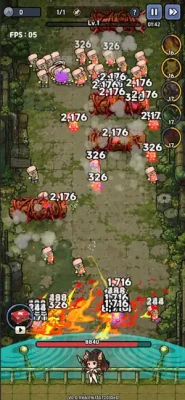
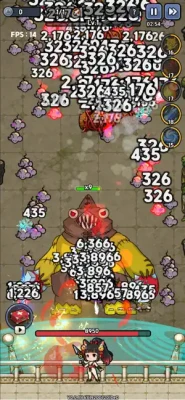
Portal Defense combines accessible gameplay with tactical decision-making. Rather than relying on complicated controls, the game allows players to strengthen their magic by selecting spell cards during battles. Each choice can influence how a spell behaves, creating opportunities to develop different attack styles and adapt to the monsters appearing on the battlefield.
The central objective is to stop enemies from emerging through mysterious portals and overwhelming the city. Some monsters are difficult to defeat because they move quickly, recover health, teleport, split into smaller creatures, or summon additional enemies. Recognizing these threats and selecting suitable magic are essential parts of building a reliable defense.
Character progression and equipment upgrades provide another layer of strategy. Developing characters with different skills and improving their equipment can increase combat effectiveness and make challenging encounters more manageable.
Portal Defense is designed for players who enjoy fantasy magic, quick battles, monster-clearing action, and experimenting with different combinations. Although its controls are straightforward, choosing the right upgrades and responding to enemy behavior can make a substantial difference in the outcome of a battle.
What Makes Portal Defense Interesting?
Magic Combinations and Spell Customization
One of the defining features of Portal Defense is its spell-card selection system. During combat, players choose from available cards to strengthen or modify their magic. These decisions help determine how attacks perform and how effectively they deal with groups of enemies.
For example, a spell can be developed toward a more explosive attack or a wider area of effect, depending on the available upgrades. This creates room for experimentation and encourages players to build around a clear combat strategy instead of selecting upgrades without considering their combined benefits.
Battles Against Different Monster Types
Not every enemy presents the same challenge. Some monsters are dangerous because they move quickly, while others become difficult to manage because they recover health, split apart, disappear, or bring reinforcements into the fight.
These differences make target selection and spell development important. A strategy that clears ordinary enemies efficiently might struggle against enemies with special abilities. Successful players learn to identify the greatest threat and prioritize upgrades that address it.
Character and Equipment Progression
Portal Defense includes character development and equipment improvements. Characters have individual skills, giving players reasons to explore different approaches to combat. Equipment upgrades provide another way to improve performance as encounters become harder.
Progression is most effective when it addresses a specific weakness. If enemies survive too long, prioritize stronger damage. If fast monsters repeatedly break through the defense, focus on abilities that improve coverage or control where available.
Simple Controls with Meaningful Choices
The game's controls are designed to be easy to understand. Much of the strategic depth comes from selecting spell cards and deciding how to develop characters and equipment.
This makes Portal Defense suitable for short gaming sessions while still offering decisions that reward planning, experimentation, and learning from failed attempts.
Portal Defense Gameplay Guide
Understanding the Main Objective
Your primary goal in Portal Defense is to prevent monsters emerging from portals from overwhelming the city. Every battle tests how effectively you can develop your magic, respond to enemy behavior, and strengthen your overall combat setup.
At the beginning of a battle, pay attention to the available spell cards and the enemies approaching the battlefield. Use the early encounters to establish a reliable damage strategy, then adapt your selections as more dangerous monsters appear.
Avoid focusing exclusively on defeating the enemies directly in front of you. A wave that initially looks manageable can become dangerous when fast attackers, healing monsters, or enemies that summon reinforcements appear together. A balanced approach helps prevent small threats from turning into a major problem.
How to Choose Spell Cards
Spell-card selection is one of the most important decisions in Portal Defense. Every available choice should support the strategy you are trying to build.
When choosing a card, consider whether it improves your existing strengths, compensates for a weakness, or helps counter the monsters currently causing the most trouble.
Prioritize upgrades that work together. If you are developing a spell for powerful area damage, look for additional improvements that complement that role. Combining related upgrades can produce a more focused build than investing in several unrelated effects.
Consider the number of enemies. Wide-area attacks can be valuable when the battlefield is crowded. They help you damage several monsters instead of spending your available offensive power on one target at a time.
Prepare for dangerous individual enemies. When a particularly durable or troublesome monster appears, stronger focused damage may be more useful than an upgrade designed only for clearing ordinary groups.
Pay attention to the available choices. Spell-card options can vary between battles. Build around the strongest opportunities presented to you rather than depending on a particular combination appearing every time.
Avoid spreading your upgrades too thinly. Experimentation is useful, especially early on, but a build with no clear strengths may struggle when enemy pressure increases. Develop a dependable primary attack before investing heavily in secondary effects.
Building an Effective Magic Strategy
The best magic setup is one that handles both ordinary waves and the special enemies that can disrupt your defense. Instead of chasing the highest damage number alone, think about how each spell contributes to the entire battle.
Area-damage strategy
Area damage is useful when several monsters approach together. Explosive spells and attacks that cover a wide section of the battlefield can help clear crowded waves efficiently. When developing this type of build, favor upgrades that improve the attack's ability to hit multiple enemies or increase its overall impact.
This strategy works best when enemy groups are tightly packed. However, area damage should not be your only consideration if dangerous monsters can recover health or survive repeated attacks.
High-damage strategy
A high-damage build focuses on eliminating dangerous targets before they cause too much trouble. It can be particularly useful against durable enemies or monsters that become harder to manage the longer they remain alive.
When following this approach, avoid ignoring crowd control entirely. If ordinary enemies accumulate while you focus on one target, the battle can become difficult even when your strongest spell deals considerable damage.
Balanced magic strategy
A balanced build combines reliable damage with enough coverage to handle groups and special enemies. This is a sensible starting point for new players because it avoids depending entirely on one attack style.
Develop one primary offensive spell, then use complementary upgrades to address weaknesses. As you become more familiar with the available cards, you can experiment with more specialized combinations.
Adaptive spell strategy
An adaptive approach changes according to the cards offered and the monsters encountered. Instead of repeating the same selections in every battle, identify the most important immediate threat and choose upgrades that help solve it.
This strategy is particularly useful when the game presents different combinations of spell cards and enemy types. It also helps you discover which magical effects work best with your preferred playstyle.
Monster Types and How to Counter Them
Understanding enemy behavior is essential for consistent progress. Portal Defense features several monster abilities that can change how you should approach a battle.
Splitting Monsters
Some monsters divide into smaller creatures when their special ability activates. This can increase the number of targets you need to handle and place additional pressure on your defense.
Area attacks are useful against these enemies because they can damage multiple creatures at once. Try to develop spells that can deal with the original monster and the additional enemies without allowing the battlefield to become overcrowded.
Avoid relying entirely on attacks that are effective against a single target when splitting enemies are a major part of the wave.
Teleporting Monsters
Teleporting enemies can disrupt your normal targeting strategy by changing their position unexpectedly. They may be harder to manage when your damage depends on catching enemies in a narrow area.
Favor versatile attacks that cover a wider space when such options are available. Monitor the battlefield and avoid assuming that a monster will remain in the same position throughout the encounter.
Healing Monsters
Healing enemies can extend battles and make other monsters more difficult to eliminate. If these enemies remain active for too long, they may undo part of your progress by restoring health to themselves or other targets.
Prioritize sufficient damage to eliminate the healing threat quickly. If your current build struggles to finish targets, consider upgrades that improve damage output or help you attack multiple enemies efficiently.
Fast-Moving Monsters
Fast monsters can cross the battlefield before slower attacks have time to deal with them. They are especially dangerous when combined with durable enemies that occupy your attention.
For these encounters, prioritize dependable attacks and broader coverage where possible. Do not focus exclusively on slow, powerful targets if quicker enemies are approaching a vulnerable point.
The key is to recognize the immediate threat and adjust your spell selections before the wave becomes difficult to control.
Monsters That Summon Allies
Enemies that summon additional creatures can increase the pressure on your defense. Allowing them to remain active may lead to a growing number of targets and make the encounter harder than it initially appeared.
Concentrate on eliminating summoners when doing so prevents additional enemies from overwhelming the battlefield. Area damage can help control the resulting groups, while stronger focused attacks can be useful when the summoner itself is difficult to defeat.
Enemies That Disappear
Some monsters can disappear during combat, complicating your attempts to deal consistent damage. Against these enemies, avoid depending on a single narrow attack pattern if broader or more flexible alternatives are available.
Choose upgrades that remain useful against changing enemy positions, and be prepared to adjust your priorities when a target becomes temporarily difficult to engage.
Character Development and Equipment Upgrades
Choose Characters for Their Skills
Each character in Portal Defense has unique skills. These differences can influence how effectively a particular setup handles different encounters.
Rather than choosing characters without considering their abilities, look for skills that complement your intended magic strategy. A character whose strengths support your main offensive approach may provide more value than one whose abilities do not fit your build.
Experiment with available characters and observe which combinations perform reliably. As you progress, keep track of the situations in which a particular character performs well and where another option might be more effective.
Upgrade Equipment with a Purpose
Equipment improvements are an important part of character progression. Stronger equipment can help you overcome battles that previously felt overwhelming, but upgrades are most useful when they address a clear need.
If enemies are surviving your attacks, prioritize improvements that support stronger offense where available. If your current setup has difficulty controlling dangerous waves, consider upgrades that help your overall combat performance.
Avoid assuming that every available improvement offers equal value. Focus on the equipment that most directly supports your current strategy, then expand your investments as your needs change.
Balance Immediate Strength and Long-Term Progress
It is tempting to pursue every available upgrade, but a more deliberate approach can make progression easier to manage. Focus first on developing a dependable combat setup, then invest in additional characters and equipment as opportunities become available.
If a battle repeatedly defeats you, identify the reason before making your next upgrade. This approach helps prevent wasted effort and gives each improvement a clear purpose.
Best Strategies for Beginners
Start with a Reliable Build
When you first play Portal Defense, concentrate on creating a straightforward build that can deal with groups of enemies without requiring perfect card choices.
Develop a strong primary spell and choose complementary upgrades when they appear. A dependable foundation makes it easier to learn enemy behavior and understand which additional effects improve your performance.
You do not need to discover the most powerful possible combination immediately. Learning how different spells behave is more valuable than trying to imitate a specialized strategy before understanding its strengths and weaknesses.
Learn from Every Battle
A failed attempt can reveal important information about your current build. Pay attention to which monsters caused the most trouble, which attacks were effective, and whether your chosen upgrades left an obvious weakness.
If fast enemies repeatedly overwhelm you, improve your ability to deal with mobile targets. If durable monsters survive too long, reconsider your damage priorities. If large groups become unmanageable, explore area attacks and complementary effects.
Use each battle as an opportunity to refine your strategy rather than repeating the same selections without considering the results.
Focus on the Biggest Threat
Not all enemies deserve equal attention. Some monsters become dangerous because of their special abilities, while others pose a threat simply because they move quickly or appear in large numbers.
Identify the enemy most likely to disrupt your defense and select upgrades that help deal with it. At the same time, maintain enough general damage to prevent ordinary monsters from accumulating.
The most effective decisions usually balance immediate danger with the needs of the entire wave.
Experiment with Different Combinations
Portal Defense encourages experimentation because spell-card selections can change how your magic develops. Try different combinations when you have a reasonable opportunity to do so, and compare their performance against similar challenges.
Change one major element at a time whenever possible. This makes it easier to identify which upgrade actually improves your build and which choices provide little benefit.
Once you find a combination that works consistently, use it as a foundation while continuing to test alternatives.
Advanced Portal Defense Strategies
Build Around Synergy
Advanced play depends on more than selecting individually powerful spells. The real objective is to create a setup in which your upgrades complement each other.
A spell that deals damage across a wide area may become more effective when supported by upgrades that increase its impact. Similarly, a strong attack against individual targets can benefit from complementary abilities that prevent surrounding enemies from becoming a problem.
When choosing between two appealing cards, consider which one strengthens your overall setup rather than simply offering the most impressive isolated effect.
Adapt to Changing Enemy Waves
A successful strategy should remain flexible. A build that handles one group of monsters comfortably may struggle when the next encounter introduces teleporting enemies, healers, summoners, or unusually fast attackers.
Review your current strengths as the battle progresses. If your damage is already sufficient, an upgrade that improves coverage or helps counter a special enemy may be more useful than another similar damage improvement.
Likewise, if your build lacks the power to defeat durable enemies, prioritize stronger offense instead of adding effects that do not solve the immediate problem.
Avoid Overcommitting to One Attack Type
Specialized builds can be powerful, but they can also create weaknesses. A setup focused entirely on area damage may struggle against a difficult individual target, while a single-target build may fall behind when enemies arrive in large groups.
The solution is not necessarily to divide every upgrade equally. Instead, establish one main strength and invest in complementary abilities that cover its weaknesses.
This creates a more dependable strategy without sacrificing the benefits of specialization.
Improve Consistency Before Chasing Maximum Power
The most impressive spell combination is not always the most reliable. A build that performs well only under ideal conditions can be less useful than one that handles several enemy types effectively.
When evaluating an upgrade, consider how frequently it helps and whether it makes your weakest encounters easier. Consistency is especially valuable when card choices vary between battles.
As you gain experience, you can take more specialized approaches when the available upgrades support them.
Common Mistakes to Avoid
Choosing Spell Cards Without a Plan
Selecting every attractive card can leave your build unfocused. Instead, identify your primary attack strategy and prioritize cards that strengthen it.
Secondary effects should support your main plan or address a specific weakness rather than compete for attention without providing a clear benefit.
Ignoring Special Enemy Abilities
Treating every monster as an ordinary target can lead to unnecessary difficulty. Healing, splitting, teleporting, and summoning abilities can all change the priorities of a battle.
Observe what each dangerous enemy does and adapt your choices accordingly. Understanding enemy behavior is just as important as improving raw damage.
Investing Only in Damage
Strong attacks are valuable, but damage alone does not guarantee success. If your setup cannot handle large groups or fast-moving enemies, even powerful spells may fail to provide sufficient control.
Maintain a useful balance between damage, coverage, and the ability to respond to unusual enemy behavior.
Neglecting Character and Equipment Progression
If you repeatedly struggle against the same encounter, relying exclusively on different spell choices may not be enough. Review your character development and equipment to see whether additional improvements could make the battle more manageable.
Long-term progression and in-battle decisions work best when they support the same overall strategy.
Repeating Failed Strategies
Repeating an unsuccessful approach without changing anything rarely addresses the original problem. After a difficult battle, identify the most likely cause of failure and make a deliberate adjustment.
A small, targeted improvement can be more effective than changing your entire setup at once.
A Practical Battle Plan
The following approach provides a useful routine for players who want to improve steadily.
Before the battle
Review your available characters and equipment. Choose a character whose skills suit your preferred approach, and make sure your development choices support a reliable primary attack.
During the early encounters
Build your main spell and select complementary cards. Use these encounters to establish enough damage to clear ordinary enemies while learning which threats may require a different approach.
As enemy pressure increases
Watch for special abilities and adjust your priorities. Strengthen area damage when groups become difficult to control, or improve focused damage when durable or troublesome enemies survive too long.
When the battlefield becomes crowded
Avoid concentrating exclusively on one target if multiple enemies are becoming dangerous. Choose attacks and upgrades that help regain control while still addressing the most important threats.
After a difficult battle
Review your spell selections, character choices, and equipment development. Identify what went wrong and make targeted improvements before your next attempt.
This routine helps turn individual battles into a consistent learning process.
Tips for Faster Progress
Prioritize upgrades that complement your strongest spell.
Develop enough area damage to handle crowded encounters.
Keep dangerous healers and summoners in mind when choosing targets.
Adapt to fast-moving and teleporting monsters rather than relying on a single attack pattern.
Invest in character skills and equipment that support your main strategy.
Avoid spreading upgrades across too many unrelated effects.
Test new card combinations and compare their results.
Use difficult encounters to identify weaknesses in your build.
Focus on reliable performance instead of chasing maximum damage in every situation.
Reassess your strategy whenever the available spell choices or enemy types change.
Is Portal Defense Difficult to Learn?
Portal Defense is designed to be approachable, with simple controls and spell selection at the center of its gameplay. New players can begin experimenting with magic relatively quickly, while more experienced strategy fans can explore combinations, character development, equipment improvements, and ways to counter different monsters.
The main challenge comes from making good decisions as the battlefield changes. Understanding which spells work well together and recognizing dangerous enemy abilities can take practice, but these skills gradually make battles easier to manage.
Players who enjoy learning through experimentation should find plenty of opportunities to refine their approach.
Portal Defense Game Information
Game title: Portal Defense
Developer: MOBIRIX
Genre: Strategy, casual magic defense
Platform: iPhone and iPad, with additional Apple-platform compatibility listed by the store
Price: Listed as free
Core gameplay: Magic-based defense, spell-card selection, monster battles, character development, and equipment upgrades
Visual theme: Fantasy magic, mysterious portals, and monster invasions
Control style: Simple, selection-based controls
Language support: English, French, German, Italian, Japanese, Korean, Portuguese, Russian, Simplified Chinese, Spanish, Thai, Traditional Chinese, and Vietnamese
Age rating: 9+ on the US App Store
Availability note: The US App Store listing currently gives an expected release date of January 23, 2027. Availability may vary by region and can change, so check the store listing for the latest release information.
Frequently Asked Questions
What is Portal Defense?
Portal Defense is a magic-based defense strategy game in which players fight waves of monsters emerging from mysterious portals. Its main features include spell-card selection, magical combinations, character progression, and equipment upgrades.
How do you play Portal Defense?
You choose spell cards during battles to develop and strengthen your magic. You then use the resulting abilities to defeat monsters, respond to different enemy behaviors, and improve your characters and equipment for more challenging encounters.
What is the best strategy in Portal Defense?
A balanced approach is a good starting point. Develop a reliable primary spell, strengthen complementary abilities, and maintain enough flexibility to handle both large groups and dangerous individual enemies. Adapt your choices to the cards available and the monsters you encounter.
Which spell cards should you choose?
Choose cards that support a clear strategy. Area-damage upgrades can help against groups, while stronger focused attacks can be useful against durable or particularly dangerous enemies. The most suitable choice depends on your current build and the challenges in the battle.
How do you defeat difficult monsters?
First, identify the monster's special ability. Use area damage against groups and splitting enemies when appropriate, prioritize dangerous healers or summoners when they threaten the battle, and improve your ability to handle fast or teleporting enemies through suitable spell choices.
How important are characters in Portal Defense?
Characters matter because each one has unique skills. Developing characters whose abilities complement your preferred magic strategy can improve your overall combat effectiveness and help you overcome difficult encounters.
Why should you upgrade equipment?
Equipment improvements help strengthen your combat setup as you progress. Prioritize upgrades that address your current weaknesses, such as insufficient damage or difficulty handling increasingly dangerous waves.
Can you play Portal Defense casually?
The game is designed for short sessions and straightforward controls. Its spell choices and progression systems provide additional strategic depth for players who want to experiment and improve over time.
Is Portal Defense suitable for beginners?
Yes. Its simple selection-based gameplay makes it accessible to newcomers, while the variety of monsters and magical combinations provides room to develop more advanced strategies as you gain experience.
What makes Portal Defense different from other defense games?
Its emphasis on developing magic through spell-card choices distinguishes it from defense games that focus primarily on placing towers or managing fixed defenses. The combination of changing spell options, varied monster abilities, and character progression encourages players to adapt their strategies.
Final Thoughts on Portal Defense
Portal Defense offers a straightforward entry point into fantasy strategy gaming while rewarding players who take the time to understand its combat systems. Its magic combinations, varied monster abilities, and character progression create several ways to approach a difficult battle.
For the best results, focus on developing a dependable primary spell, choosing upgrades that work well together, and adjusting your strategy to the enemies in front of you. Strengthen your characters and equipment when necessary, and treat every challenging encounter as an opportunity to discover what your build needs.
With thoughtful spell selection, careful attention to enemy behavior, and consistent character development, you can build more effective defenses and become better prepared for the monster hordes threatening the world of Portal Defense.
Rate the Game
User Reviews















Popular Games



















 Android
 iOS
 Windows
 Xbox