



Latest Version
August 23, 2025
Shenzhen Zhonglian Interactive Technology Co.,Ltd.
Adventure
iOS
0
Report a Problem
More About :game
What Is Room Escape: 50 Rooms I?
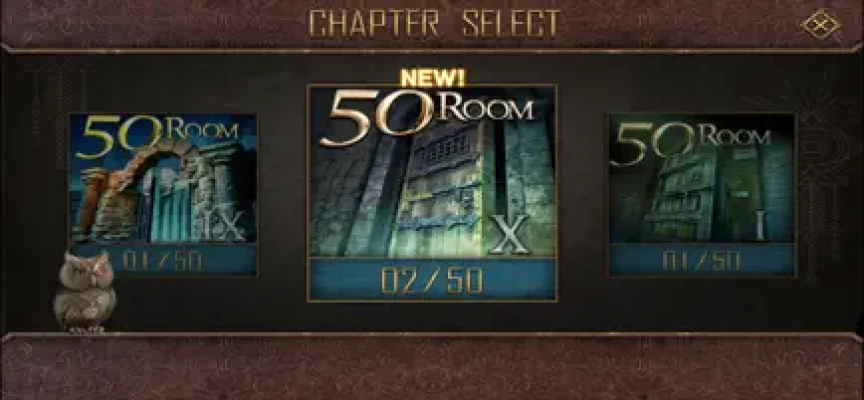
Room Escape: 50 Rooms I is one of the most popular entries in the long-running 50 Rooms escape-game series. Players progress through 50 increasingly challenging rooms, searching for clues, collecting items, solving puzzles, and unlocking doors to reach the next stage. The game focuses on classic point-and-click escape mechanics while introducing new puzzle concepts throughout the adventure.
The game has earned strong player ratings thanks to its variety of puzzles, large amount of content, and balanced difficulty curve.
Key Features
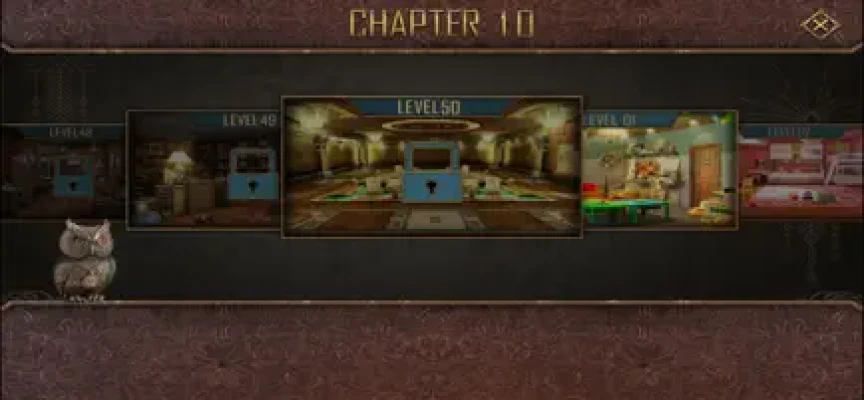
50 Unique Escape Rooms
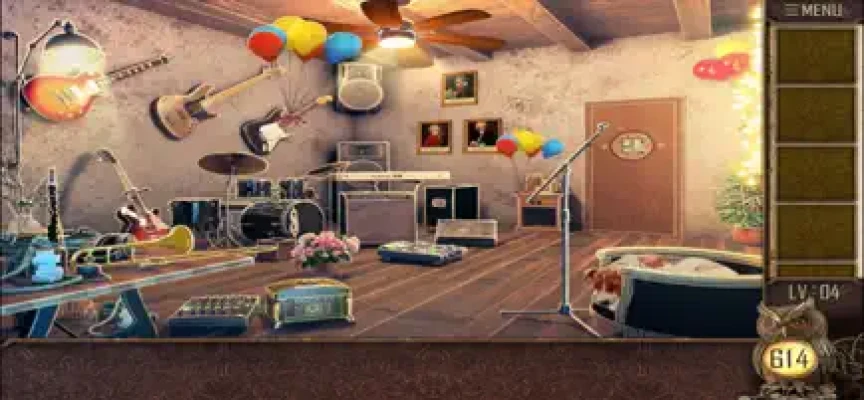
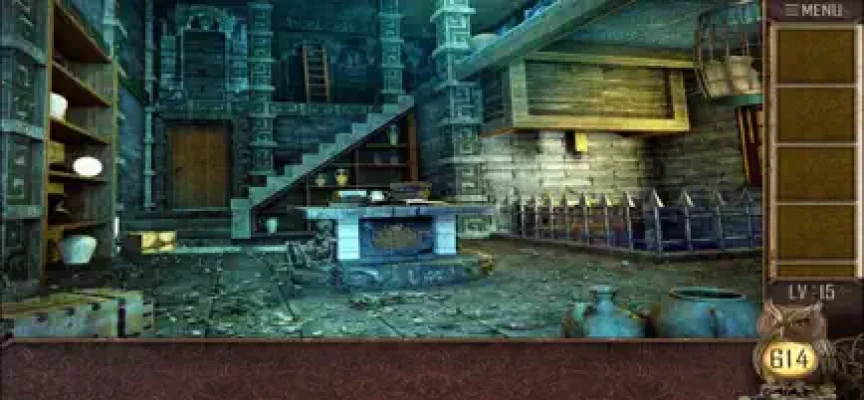
Every level presents a completely different room with its own theme, puzzles, and hidden clues.
Progressive Difficulty
Early levels introduce basic mechanics while later stages require advanced observation and puzzle-solving skills.
Classic Escape Gameplay
Players must:
- Find hidden objects
- Collect useful tools
- Solve environmental puzzles
- Unlock doors
- Escape each room
Helpful Hint System
Hints are available when players become stuck on particularly challenging puzzles.
How to Play Room Escape: 50 Rooms I
The objective of every level is simple:
- Explore the room.
- Find hidden objects.
- Collect useful inventory items.
- Solve puzzles.
- Unlock the exit.
- Escape to the next room.
Although the objective remains consistent, every room introduces different puzzle mechanics and clue designs.
Complete Walkthrough Strategy
Step 1: Search the Entire Room
Before attempting any puzzle:
- Check walls.
- Open drawers.
- Examine furniture.
- Inspect decorations.
- Search corners.
- Look under objects.
Many important clues are hidden in places players overlook.
Step 2: Collect Every Item
Common items include:
- Keys
- Batteries
- Puzzle pieces
- Tools
- Magnets
- Mechanical parts
- Symbols
Even seemingly useless objects often become important later.
Step 3: Analyze Clues
Pay close attention to:
Numbers
Often used in safes and locks.
Colors
Commonly appear in sequence puzzles.
Shapes
Useful for symbol-matching challenges.
Directions
Arrows and positioning clues often reveal solutions.
Step 4: Solve Environmental Puzzles
Many puzzles require combining information from multiple locations.
For example:
- A color clue found on a painting.
- A sequence clue hidden in a drawer.
- A lock requiring both pieces of information.
Never assume clues exist in isolation.
Unique 50 Rooms I Walkthrough Method
The Four-Pass Escape System
First Pass – Collection
Gather every visible item.
Second Pass – Mapping
Identify:
- Locked doors
- Safes
- Cabinets
- Puzzle panels
Third Pass – Analysis
Study clues and determine relationships.
Fourth Pass – Execution
Solve puzzles systematically.
This method minimizes random guessing and helps complete levels more efficiently.
Early Levels Walkthrough Tips
The first rooms teach players how to:
- Search carefully
- Use inventory items
- Recognize clue patterns
- Solve basic locks
Avoid rushing through these stages because later puzzles build upon these mechanics.
Mid-Game Walkthrough Strategy
As rooms become more complex:
Revisit Unsolved Areas
New items often unlock:
- Hidden compartments
- Locked boxes
- Secret panels
- Additional clues
Track Every Puzzle
Make mental notes of:
- Missing items
- Unsolved locks
- Incomplete mechanisms
This prevents confusion later.
Advanced Puzzle Solutions Guide
Number Lock Puzzles
Solution Method
- Find all numbers.
- Determine sequence order.
- Verify nearby clues.
- Enter the code.
Incorrect ordering is the most common mistake.
Symbol Matching Puzzles
Solution Method
- Collect symbol clues.
- Compare patterns.
- Match exact arrangements.
Screenshots can help with complex symbol combinations.
Color Sequence Challenges
Solution Method
Observe:
- Paintings
- Lights
- Decorations
- Colored objects
The room itself usually reveals the answer.
Hidden Object Puzzles
Solution Method
Search systematically:
- Ceiling
- Walls
- Furniture
- Drawers
- Floor
This prevents missed clues.
Expert Tips for Completing All 50 Rooms
Examine Inventory Frequently
Many items have hidden functions or secondary uses.
Take Screenshots
Useful for:
- Number combinations
- Symbol layouts
- Multi-room clues
Think Logically
The game rewards observation rather than trial-and-error.
Avoid Wasting Hints
Many players recommend saving hints for later levels where puzzle complexity increases.
Common Mistakes Players Make
Missing Tiny Objects
Small items often unlock major progression points.
Ignoring Decorations
Paintings, statues, and wall objects frequently contain clues.
Forgetting Previous Puzzles
Many rooms require revisiting earlier discoveries.
Using Hints Too Quickly
A second inspection often reveals overlooked clues.
Why Players Enjoy Room Escape: 50 Rooms I
Players frequently praise the game for its addictive puzzle design, room variety, and balanced challenge level. Reviews often highlight that the puzzles require real thinking without becoming overly frustrating, making it enjoyable for both beginners and experienced escape-room fans.
Frequently Asked Questions
How many levels are in Room Escape: 50 Rooms I?
The game contains 50 unique escape-room levels.
Is Room Escape: 50 Rooms I difficult?
The difficulty gradually increases. Early levels are beginner-friendly, while later rooms offer significantly more complex challenges.
Are hints available?
Yes. Players can use hints when they become stuck on a puzzle.
Is the game suitable for puzzle fans?
Absolutely. The game is specifically designed for players who enjoy logic puzzles, hidden objects, and escape-room challenges.
Final Verdict
Room Escape: 50 Rooms I remains one of the most popular mobile escape-room games thanks to its 50 handcrafted levels, clever puzzles, hidden-object mechanics, and satisfying progression system. Whether you're new to escape games or an experienced puzzle enthusiast, the game offers hours of engaging challenges that test observation, logic, and problem-solving skills. By following the strategies and walkthrough techniques in this guide, you'll be well prepared to conquer all 50 rooms and complete the adventure.
Rate the Game
User Reviews















Popular Games



















 Android
 iOS
iOS Windows
 Xbox
Xbox