

Latest Version
September 18, 2026
H2T GLOBAL PTE. LTD.
Adventure
0
com.My.Voice.Safari
Report a Problem
More About :game
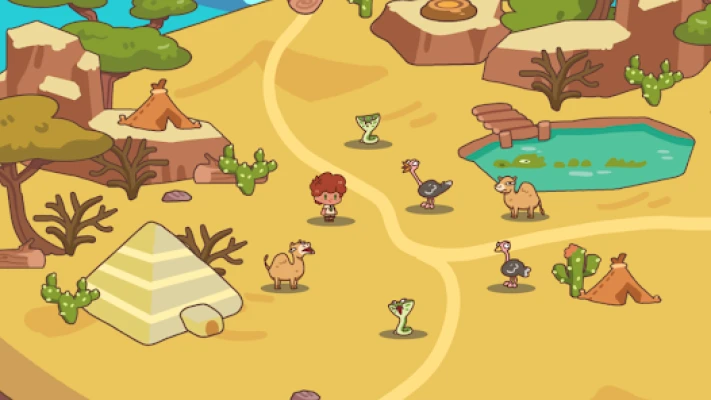
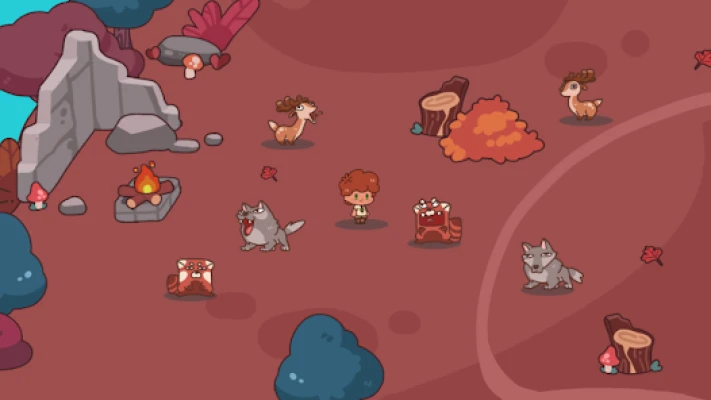
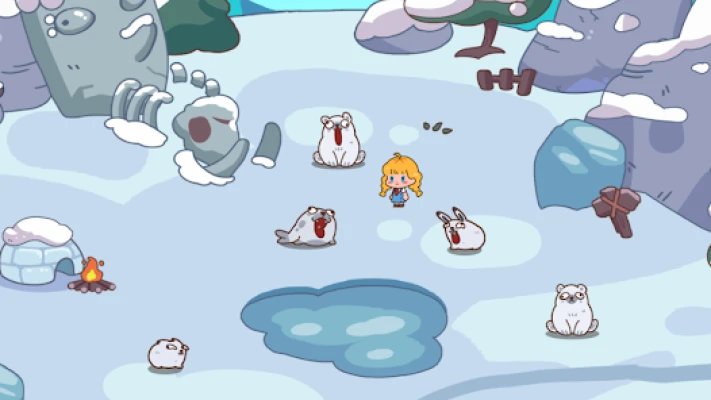
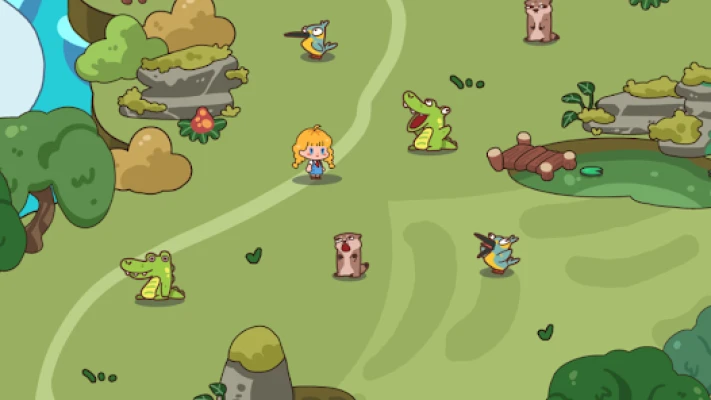
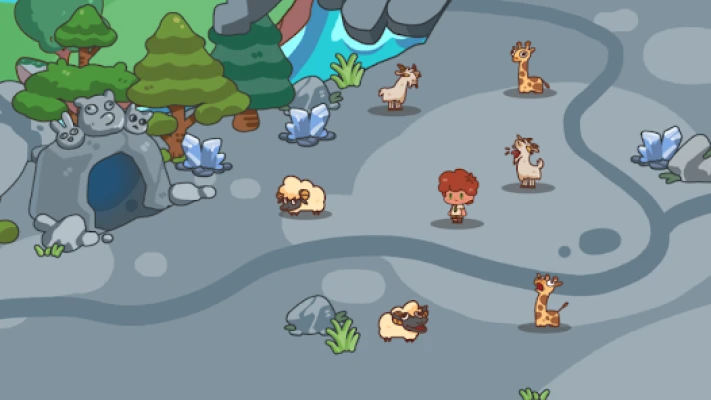
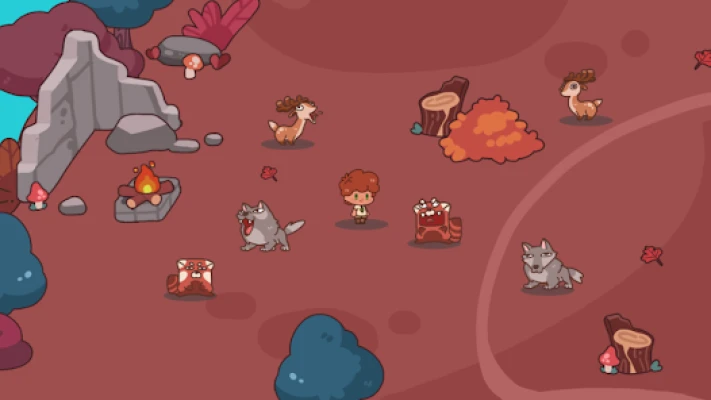
The game also gives you an environment to explore. You can travel through maps, discover new areas and collect different animals as you expand your own personalized zoo experience. Google Play currently lists the game under the Adventure category and shows more than 1 million downloads.
Its latest Google Play listing shows an update on September 2, 2026, with the developer specifically noting updates to animals and maps.
What Makes Animal Safari - Sound Battle Fun?
The biggest attraction is the voice-recording mechanic.
Rather than treating animal sounds as fixed audio effects, the game lets you create your own versions. You can record a voice and attach it to an animal, producing combinations that can be surprisingly funny.
The main gameplay loop revolves around:
- Exploring the available maps
- Discovering new areas
- Finding different animals
- Collecting creatures
- Recording your own voice
- Assigning recordings to animals
- Building a personalized zoo
- Unlocking more of the game world
Google Play describes the game specifically as allowing players to record their own voice, assign it to animals, explore maps and collect a variety of animals.
How to Play Animal Safari - Sound Battle
The controls and basic idea are easy to understand, but there is still a useful progression strategy.
Start by exploring the area available to you. Look around for animals and interact with the creatures you encounter.
When you have an opportunity to create a custom animal sound, experiment with your own recordings rather than trying to make every animal sound realistic.
The game's appeal comes from personalization.
A lion with a deep dramatic recording can feel completely different from one with a silly voice, while smaller animals can become even funnier when given exaggerated recordings.
Voice Recording Guide
Voice recording is the feature that gives Animal Safari - Sound Battle its personality.
Experiment With Different Voices
Don't record the same style for every animal.
Try different approaches:
- Deep voices for large animals
- High voices for smaller creatures
- Short funny noises
- Dramatic roars
- Whispered sounds
- Exaggerated animal impressions
- Completely unexpected voices
The goal isn't necessarily realism.
The best recordings are often the ones that make your personalized zoo feel different from everyone else's.
Keep Recordings Short
Short recordings are generally easier to recognize and repeat.
Instead of making a long sentence, try a clear sound or short vocal performance.
This also makes it easier to create a recognizable identity for each animal.
Match the Mood of the Animal
Think about the animal's personality.
A huge predator might suit a powerful recording, while a small or playful creature could have a lighter sound.
This gives your collection a sense of character.
Best Way to Explore the Maps
Exploration is another important part of the game.
Don't immediately concentrate on one area and ignore everything around it.
When entering a new map, take a systematic approach.
First Pass
Explore the obvious paths and learn the layout.
Look for:
- Animals
- New areas
- Possible paths forward
- Interactable locations
- Unexplored sections
Second Pass
After learning the basic layout, revisit areas where you noticed unexplored paths.
This helps prevent you from overlooking animals or areas that are not immediately obvious.
Animal Collection Strategy
Collecting animals is one of the game's central progression elements.
Instead of rushing through the map, take time to investigate your surroundings.
A good collection routine is:
Explore → find animals → interact → collect → continue exploring.
If a new map becomes available, don't forget to return to previous areas later. Updates can add animals and map content, and the Google Play listing currently notes both animal and map updates.
How to Build a Better Personalized Zoo
Your zoo becomes more interesting when each animal has its own identity.
Try creating a theme.
For example, you could give:
- Predators powerful voices
- Small animals funny voices
- Birds unusual high-pitched recordings
- Large animals deep voices
- Friendly creatures cheerful sounds
Another approach is to deliberately do the opposite.
Give a large animal a tiny, funny voice and give a small animal an exaggerated roar.
That contrast is part of the game's entertainment value.
Beginner Strategy Guide
1. Explore Before Recording Everything
When you first enter an area, understand the environment before spending too much time customizing individual animals.
You will have a better idea of which creatures you want to personalize after seeing more of the map.
2. Collect Animals as You Discover Them
If you encounter a collectible animal during exploration, deal with it rather than simply running past it.
Building your collection gradually is easier than trying to remember everything later.
3. Create Distinct Voices
Give each animal a noticeably different recording.
This makes your zoo easier to recognize and more entertaining to revisit.
4. Revisit Older Areas
Don't assume an area has nothing else to offer just because you have already visited it.
As you progress and new content becomes available, previously explored locations may become worth checking again.
5. Explore New Maps Carefully
When a new map becomes available, don't rush directly toward the apparent objective.
Explore the surrounding area first.
This gives you a better chance of finding animals and discovering alternative paths.
Advanced Exploration Tips
Use a Pattern
When exploring a large area, move systematically instead of randomly.
For example:
Left side → center → right side → upper area → lower area
A consistent pattern makes it easier to remember which areas you've already checked.
Watch for Unexplored Spaces
If you see an unusual path, isolated area or section that appears accessible, investigate it.
Exploration games often reward curiosity.
Don't Forget the Edges
Players naturally tend to follow the most obvious central route.
Check the edges of maps as well. They can be easy to overlook when you're focused on moving forward.
How to Make Funniest Animal Voices
If you're playing primarily for entertainment, voice customization can become the main attraction.
Try creating themed collections.
The Comedy Zoo
Give every animal an intentionally ridiculous voice.
The Serious Safari
Try to make every recording match the animal realistically.
The Character Zoo
Give every animal a distinct personality.
For example, one animal could sound angry, another excited, another sleepy and another overly confident.
The Sound Experiment
Forget realism completely and test unusual combinations.
The game encourages experimentation because your recordings become part of your personalized animal collection.
Voice Recording Tips
For cleaner recordings:
- Record in a relatively quiet environment.
- Keep the microphone close enough to capture your voice clearly.
- Avoid speaking too far away from the device.
- Try several versions before choosing your favorite.
- Keep important recordings short and recognizable.
- Use different tones for different animals.
- Avoid background noise when possible.
The recording mechanic is designed around personalization, so there is no single "correct" animal voice.
Map Exploration Tips
When exploring a new area, use the following checklist:
1. Find the main route.
Understand where the map naturally leads.
2. Check side paths.
Don't automatically follow only the most obvious route.
3. Look for animals.
Collection is an important part of progression.
4. Identify unexplored areas.
Remember locations you could not access or fully investigate.
5. Return later.
Revisit previous areas as your collection and map progression expand.
Common Mistakes to Avoid
Ignoring Side Areas
Following the main route exclusively can cause you to miss parts of the map.
Giving Every Animal the Same Voice
It works, but it removes much of the fun of customization.
Making Recordings Too Long
Shorter recordings are easier to associate with a particular creature.
Rushing Through New Maps
Exploration is part of the game. Take time to look around.
Forgetting Previously Visited Areas
A map that seems finished may still deserve another visit later.
Not Experimenting
The voice mechanic is the game's most distinctive feature. Try unusual recordings instead of treating it like a standard animal collection game.
Animal Safari - Sound Battle Progression
The game's progression is closely connected to exploration and collection.
As you discover more of the game world, you can encounter additional animals and areas.
The current Google Play listing also indicates that the game continues to receive updates involving animals and maps, so the available content can change over time.
That makes revisiting the game worthwhile after major updates.
Offline Play and Ads
Some recent Google Play reviews describe players enjoying the game offline, while other reviews complain about the frequency of advertisements. These are user reports rather than a formal developer specification, so the exact experience can vary by version and circumstances.
The current Google Play listing confirms that the game contains ads and offers in-app purchases.
Game Information
Game: Animal Safari - Sound Battle
Package: com.My.Voice.Safari
Developer: H2T GLOBAL PTE. LTD.
Genre: Adventure
Platform: Android and Windows*
Content Rating: Everyone
Downloads: 1M+
Google Play Rating: Around 4.4 stars
Contains: Ads and in-app purchases
Main Feature: Record your voice and assign it to animals
Gameplay: Exploration, animal collection and voice customization
Maps: Multiple areas to explore
Latest listed update: September 2, 2026
Recent update focus: Animals and maps
*Google Play indicates Windows availability through Intel technology.
Pros and Cons
Pros
- Unique voice-recording mechanic
- Personalized animal sounds
- Animal collection
- Map exploration
- Simple concept that's easy to understand
- Lots of room for creative experimentation
- Continues to receive animal and map updates
- Available on Android and Windows
Cons
- Frequent advertisements may interrupt some players' experience
- Some progression can require unlocking additional areas
- The voice mechanic may be more entertaining for players who enjoy experimentation than for those looking for traditional adventure gameplay
Recent Google Play reviews show that players have praised the game's humor and voice-recording feature, while other reviewers have raised concerns about advertisements and locked areas.
Tips for New Players
If you're just starting Animal Safari - Sound Battle, remember these simple rules:
- Explore the map before rushing forward.
- Collect animals whenever you encounter them.
- Give different animals different voices.
- Keep recordings short and clear.
- Check side paths and map edges.
- Revisit older locations.
- Experiment with funny voices.
- Explore every newly unlocked area.
- Pay attention to new animals added through updates.
- Make your zoo personal rather than trying to copy someone else's setup.
Frequently Asked Questions
What is Animal Safari - Sound Battle?
Animal Safari - Sound Battle is an adventure game where players explore maps, collect animals and record their own voices to create custom animal sounds.
What makes the game different?
Its main distinctive feature is the ability to record your own voice and assign the recording to animals, creating personalized and often humorous animal sounds.
Can I collect animals?
Yes. Animal collection is one of the game's main features, with players building their own personalized zoo experience.
Can I explore different maps?
Yes. The game includes map exploration and new areas to discover. The latest listed update also mentions updates to maps.
Can I use my own voice?
Yes. The game specifically allows players to record their own voice and assign it to animals.
Is Animal Safari - Sound Battle free?
The Google Play listing shows the game with ads and in-app purchases.
What age rating does the game have?
Google Play currently lists the game with an Everyone content rating.
How many downloads does Animal Safari - Sound Battle have?
The current Google Play listing shows 1M+ downloads.
Who developed Animal Safari - Sound Battle?
The game is developed by H2T GLOBAL PTE. LTD.
When was the game last updated?
The current Google Play listing shows September 2, 2026, with the update noting changes to animals and maps.
Final Thoughts
Animal Safari - Sound Battle takes a familiar animal-collection idea and adds a surprisingly personal twist: your voice becomes part of the zoo.
Exploring the maps and collecting animals provides the adventure side of the experience, while recording custom sounds gives players a reason to experiment and revisit their collection.
The best way to enjoy the game is not to search for one perfect strategy. Explore carefully, collect creatures as you encounter them and experiment with different voices. Give each animal its own personality and your personalized zoo quickly becomes much more entertaining.
Rate the Game
User Reviews














Popular Games


















 Android
 iOS
iOS Windows
 Xbox
Xbox