


Latest Version
September 20, 2026
Serenity Forge
Adventure
iOS
0
Report a Problem
More About :game
The game deliberately contrasts bright anime-style characters and a friendly school setting with unsettling psychological horror. Because of its mature themes and disturbing scenes, it is not suitable for children or players who are easily disturbed. The current U.S. App Store listing gives the iPhone version an 18+ age rating.
The iPhone version is published by Serenity Forge and is listed as a free download with optional Plus content. The App Store listing currently reports a 1.4 GB size, iOS 13.0 or later compatibility, and support for multiple languages.
What Makes Doki Doki Literature Club! Different?
At first glance, DDLC looks like a traditional anime dating or visual novel. Its presentation is intentionally misleading, however. The early conversations focus on friendship, poetry, school life, and the personalities of the four club members.
As you continue, the tone changes considerably.
The game uses its visual-novel format to explore psychological themes and create tension. Dialogue, character interactions, poem choices, and apparently small decisions can become important later.
That makes Doki Doki Literature Club gameplay less about traditional combat or exploration and more about paying attention to characters, reading carefully, and understanding what is happening beneath the surface.
The Literature Club Characters
Sayori
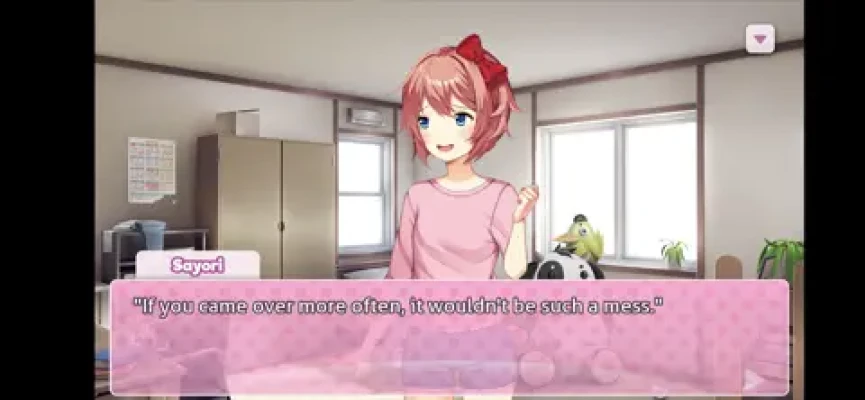
Sayori is the protagonist's childhood friend and one of the first characters you encounter. She is energetic and often tries to bring happiness to the people around her.
Her cheerful personality is an important part of the game's initial atmosphere.
Natsuki
Natsuki has a confident and sometimes confrontational personality. She enjoys manga and has a particular interest in cute things and baking.
When writing poems, players who prefer simpler, energetic, cute, or playful vocabulary will often find themselves aligning more closely with Natsuki's preferences.
Yuri
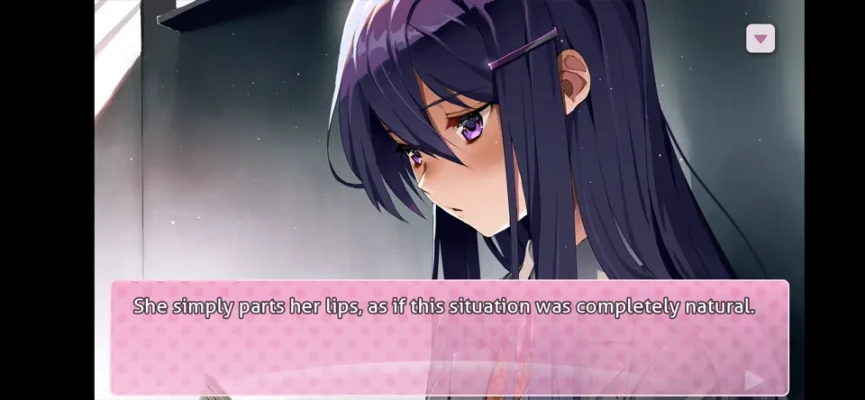
Yuri is quiet, reserved, and passionate about books. Her vocabulary and interests tend toward more sophisticated and mysterious subjects.
Players attempting to appeal to Yuri during the poem sections should experiment with words associated with deeper emotions, literature, mystery, and intellectual subjects.
Monika
Monika is the president of the Literature Club. She is confident, organized, and highly involved in the club's activities.
Her role becomes increasingly important as the story progresses, making her one of the central figures in the game's unusual narrative structure.
How the Poetry System Works
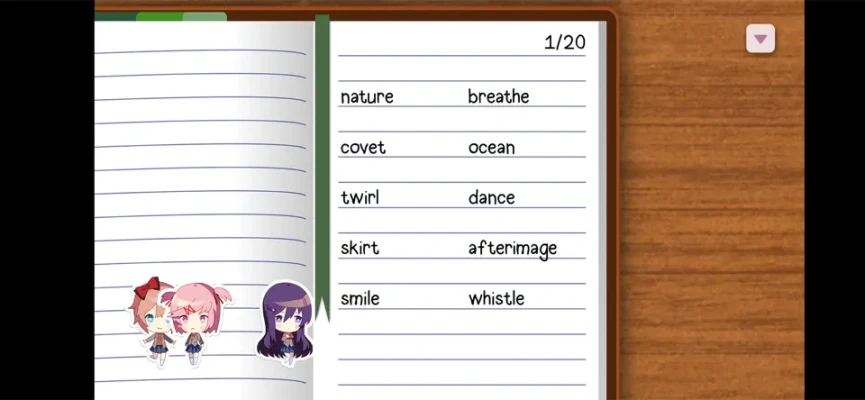
One of the main interactive mechanics in the early part of Doki Doki Literature Club is poem writing.
Rather than manually writing an entire poem, you select words from a list. Each word is associated with particular character preferences.
The important characters to consider during these sections are:
- Sayori
- Natsuki
- Yuri
Monika is not handled in the same way as the other three during the normal poem-selection system.
How to Choose Words
Pay attention to the style of vocabulary you select.
For a more cheerful and emotional style, experiment with words related to happiness, friendship, sadness, and childhood.
For Natsuki, try words with a cute, energetic, playful, or simple feeling.
For Yuri, experiment with darker, sophisticated, mysterious, romantic, or intellectual vocabulary.
The game provides visual feedback when a word appeals to a particular character, making experimentation relatively straightforward.
Doki Doki Literature Club Strategy Guide
1. Read the Dialogue Carefully
The most important advice for new players is simple: do not rush through the dialogue.
DDLC is heavily story-driven, and apparently insignificant conversations can become meaningful later.
If you normally play games by rapidly tapping through text, slow down for this one. The narrative is the central gameplay experience.
2. Pay Attention to Character Reactions
Character reactions provide useful information.
Notice changes in:
- Facial expressions
- Dialogue
- Tone
- Poems
- Relationships
- Background atmosphere
- Character behavior
Small changes can help you understand what the game is trying to communicate.
3. Experiment With Different Poetry Styles
Your poem choices influence which character responds most positively.
For a first playthrough, don't worry too much about finding a perfect combination. Experimenting naturally helps you understand the personalities of the characters.
For later playthroughs, you can deliberately focus your vocabulary toward a particular character.
4. Save Before Important Choices
Because this is an interactive visual novel, saving at useful points can make experimentation easier.
Create a save before significant decisions or major story developments when possible. This is especially useful if you want to explore different dialogue paths without immediately replaying everything.
5. Don't Assume the Game Is What It Appears to Be
This is one of the most important pieces of advice for new players.
Avoid approaching DDLC purely as a cute dating simulator.
The cheerful presentation is part of the game's design. Pay attention to changes in tone and don't ignore warnings presented before playing.
6. Avoid Spoilers on Your First Playthrough
The less you know about the major story events, the more effective the game's surprises can be.
Searches for character deaths, endings, secrets, or later acts can reveal major parts of the story.
If you want the intended first-playthrough experience, play through the story before looking up detailed explanations.
7. Explore Different Routes on Later Runs
After completing an initial playthrough, you can replay earlier sections and experiment with different poem choices.
Trying different character-focused approaches can reveal additional dialogue and scenes.
A completion-focused playthrough therefore benefits from patience rather than simply rushing toward the ending.
Doki Doki Literature Club Ending Guide
Spoiler warning: The following section discusses the game's structure and should be avoided if you want to experience the story without advance information.
DDLC is divided into distinct narrative stages often referred to as Acts by the community.
The early portion establishes the Literature Club and its members. Later sections dramatically alter the tone and presentation.
Rather than thinking of the game as a conventional visual novel with a simple collection of romantic endings, it is better to think of the different outcomes as pieces of a larger narrative.
How to Approach the Different Outcomes
For a first run:
- Follow the story naturally.
- Complete the poetry sections.
- Read all important conversations.
- Avoid looking up spoilers.
- Continue until the game reaches its major conclusion.
- Replay afterward if you want to investigate alternate scenes and completion requirements.
Some outcomes require specific actions during earlier portions of the game, so a completion run is easier when you deliberately explore different character-focused routes.
Tips for Getting More From DDLC
Take your time: This is primarily a reading and story experience.
Use headphones: The music and sound design contribute significantly to the atmosphere.
Notice repeated details: Certain phrases, images, and character behaviors can have more significance than they initially appear to.
Keep your first playthrough spoiler-free: DDLC's surprises are a major part of the experience.
Replay after finishing: A second playthrough can make earlier scenes feel very different because you understand more about the game's structure.
Read the warnings: The game's mature content is not merely cosmetic. The App Store explicitly warns that the game is not suitable for children or people who are easily disturbed.
Doki Doki Literature Club Plus Content
The Plus content expands the original experience with additional material.
According to the App Store listing, it includes:
- 6 new Side Stories
- Hours of additional story content
- 100+ unlockable images
- New artwork and wallpapers
- Previously unseen concept sketches
- 26 total music tracks
- 13 newly unlockable songs
- A built-in DDLC music player
- Custom playlists and looping options
The additional Side Stories focus more heavily on friendship and the relationships between the characters.
Doki Doki Literature Club on iPhone
The App Store version is specifically listed for iPhone and requires iOS 13.0 or later. The current listing reports approximately 1.4 GB of storage space and supports English plus 10 additional languages.
The iPhone release also brings the well-known visual-novel experience to mobile devices, allowing players to experience the Literature Club without needing the original PC version.
Doki Doki Literature Club Controls
Unlike action games, DDLC does not require complicated controls.
Most interaction revolves around:
- Tapping through dialogue
- Selecting dialogue options
- Choosing words for poems
- Navigating menus
- Saving and loading
- Progressing through visual-novel scenes
The simplicity of the controls allows the story, characters, music, and atmosphere to remain the focus.
Doki Doki Literature Club Features
Psychological Horror
The game's most recognizable feature is its transition from cheerful visual novel to psychological horror.
Interactive Storytelling
Your choices and interactions help determine which characters receive attention during important sections.
Poetry Writing
The poem-selection system gives the early game a simple but memorable interactive mechanic.
Character-Driven Narrative
Sayori, Natsuki, Yuri, and Monika each have distinct personalities and roles.
Atmospheric Music
Music plays an important role in establishing the game's changing emotional atmosphere.
Additional Plus Content
The expanded version includes Side Stories, additional artwork, music, and a built-in music player.
Is Doki Doki Literature Club Suitable for Children?
No.
The current U.S. App Store listing rates the game 18+ and identifies frequent cartoon or fantasy violence and horror/fear themes, along with infrequent profanity or crude humor. The listing also explicitly warns that the game is not suitable for children or people who are easily disturbed.
The Australian eSafety Commissioner likewise describes the game as containing highly disturbing material and discusses its strong violence classification.
Anyone considering the game should read the content warnings before playing.
Doki Doki Literature Club Pros and Cons
Pros
- Memorable characters
- Strong psychological storytelling
- Clever use of visual-novel conventions
- Atmospheric soundtrack
- Interesting poetry mechanic
- Multiple layers to discover on replay
- Additional Plus content for players who want more story
Cons
- Heavy reading compared with action-oriented games
- Disturbing themes can be intense
- The game is unsuitable for younger players
- Spoilers can significantly reduce the impact of the story
Who Should Play Doki Doki Literature Club?
DDLC is particularly suited to players who enjoy:
- Psychological horror
- Visual novels
- Anime-inspired games
- Character-driven stories
- Mystery
- Interactive fiction
- Dark narrative twists
- Games that reward replaying
It is less appropriate for players looking for traditional combat, open-world exploration, or a conventional dating simulator.
Frequently Asked Questions
Is Doki Doki Literature Club free on iPhone?
The App Store currently lists Doki Doki Literature Club! as a free download with optional in-app purchases for Plus content.
Is Doki Doki Literature Club a horror game?
Yes. Although it initially resembles a cheerful visual novel, the game is officially categorized as psychological horror on the U.S. App Store.
Can I play Doki Doki Literature Club on iPhone?
Yes. The App Store version is designed for iPhone and requires iOS 13.0 or later.
Who are the main characters in DDLC?
The four central Literature Club members are Sayori, Natsuki, Yuri, and Monika.
What is the poetry game in DDLC?
The poetry system lets you select words from a list. Different words appeal to different characters and can influence the interactions you experience.
Does Doki Doki Literature Club have mature content?
Yes. The current U.S. App Store listing gives it an 18+ rating and warns about horror, fear themes, and cartoon or fantasy violence.
What does Doki Doki Literature Club Plus add?
The Plus content adds six Side Stories, more than 100 unlockable images, additional music, and a built-in music player, among other extras.
Final Thoughts
Doki Doki Literature Club! stands out because it uses the familiar visual-novel format in an unconventional way. What begins with poems, friendship, school conversations, and colorful characters gradually develops into a much darker psychological experience.
The best way to approach the game is to read carefully, pay attention to character behavior, experiment with poetry choices, and avoid spoilers during your first playthrough. Once you finish the main story, replaying the game can reveal details that are easy to overlook the first time.
For players who enjoy psychological horror and story-focused games, DDLC offers an experience built around atmosphere, character development, and narrative surprises rather than traditional action.
Rate the Game
User Reviews













Popular Games



















 Android
 iOS
iOS Windows
 Xbox
Xbox