
Latest Version
November 01, 2026
Hot Siberians
Simulation
0
com.hotsiberians.rewild.tycoon.restore.ecosystems
Report a Problem
More About :game
Introduction to Rewild: Ecosystems Tycoon
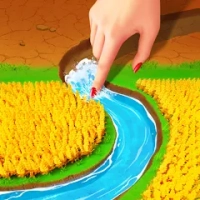
Rewild: Ecosystems Tycoon takes players into a world where nature has suffered enormous damage. Forests have disappeared, rivers have become polluted, and once-beautiful landscapes have turned into barren environments. The natural balance has been disrupted, leaving wildlife without the habitats it needs to survive.
Your mission is to bring this damaged world back to life.
Developed by Hot Siberians, this simulation game combines environmental restoration, exploration, vegetation management, wildlife collection, and ecosystem development. Instead of focusing on battles or competition, the experience revolves around rebuilding nature and creating healthy environments.
Every improvement contributes to a larger transformation. Cleaning an area makes room for new vegetation, plants create suitable habitats, and animals gradually return when their environmental requirements are satisfied.
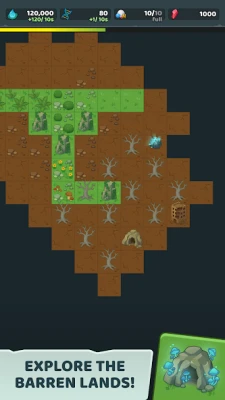
The game also encourages exploration. Its large map contains different landscapes, hidden discoveries, and ancient Stellar Trees that help expand your restoration activities.
As your world develops, you will unlock more plants, discover additional wildlife, and create increasingly complex natural environments.
Main Features of Rewild: Ecosystems Tycoon
Restore a Damaged Natural World
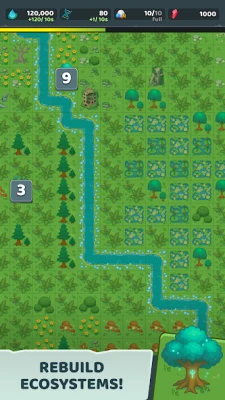
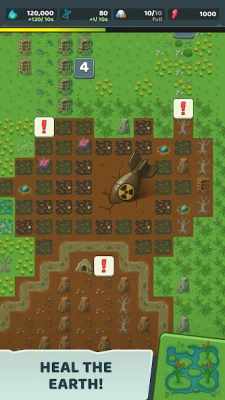
The central objective is to transform polluted and lifeless environments into healthy ecosystems. Clean up damaged areas, restore vegetation, and gradually replace empty landscapes with thriving natural habitats.
Explore a Large World
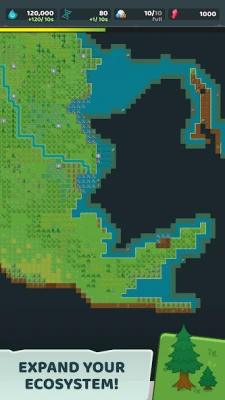
Travel across an extensive map containing different terrain types and environmental challenges. Each newly discovered area offers opportunities to expand your restoration project and uncover hidden discoveries.
Discover and Awaken Stellar Trees
Ancient Stellar Trees are important landmarks throughout the world. Finding and awakening them helps expand your influence and opens opportunities to develop additional ecosystems.
Plant Different Types of Vegetation
Grow various plants, including ferns, mushrooms, willows, and seaweed. Each species has environmental preferences, so choosing appropriate locations is essential for successful restoration.
Bring Wildlife Back to Nature
Create suitable habitats and encourage animals to return. Different creatures require different environmental conditions, making habitat development an important part of progression.
Develop Natural Food Chains
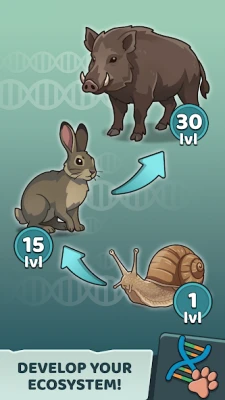
Wildlife is connected through relationships within the ecosystem. Attracting smaller creatures can help create the conditions needed for larger animals to appear.
Enjoy Relaxing Gameplay
There are no traditional enemies or combat challenges. Players can concentrate on exploration, environmental improvements, and creative ecosystem development without the pressure of competitive gameplay.
Build Unique Biomes
Create different natural environments according to your preferences. Develop lush forests, wetlands, riverside habitats, and coastal ecosystems.
Gameplay Mechanics and Progression
Environmental Restoration
Environmental restoration is the foundation of the entire experience. The world begins with damaged landscapes that need attention before they can support healthy vegetation and wildlife.
Players gradually improve these areas by removing pollution and introducing suitable plants.
Restoration is not simply about making the environment look attractive. Different natural elements work together to create habitats that support various species.
A successful restoration project should consider the terrain, available vegetation, nearby water sources, and the requirements of local wildlife.
Planting and Vegetation Management
Plants play an essential role in ecosystem development.
Different species have different environmental preferences. Some are better suited to forest environments, while others are associated with wetlands, rivers, or coastal areas.
Ferns and mushrooms contribute to suitable woodland environments, while willows are especially important for riverside habitats. Seaweed supports the development of coastal and marine environments.
The Main Tree progression system unlocks additional plant species, giving players more opportunities to develop diverse landscapes.
Main Tree Upgrades
The Main Tree is an important part of long-term progression.
Upgrading it unlocks additional vegetation and expands the possibilities available to your restoration project.
Rather than spending resources without a clear objective, focus on upgrades that unlock useful plants and help you satisfy the requirements of new environments.
Each improvement can make it easier to develop more advanced ecosystems.
Stellar Tree System
Stellar Trees are special trees scattered throughout the world.
Discovering and awakening these trees is an important objective because they help extend your restoration activities into new areas.
The surrounding landscape influences the types of vegetation that can grow near each Stellar Tree. This makes their locations important when planning different biomes.
Players should explore carefully and take advantage of every opportunity to awaken these special landmarks.
Wildlife and Animal Collection
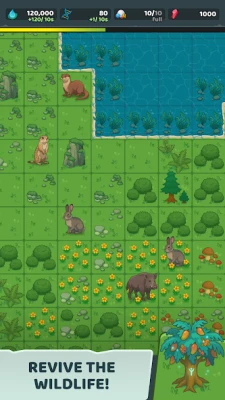
One of the most rewarding parts of Rewild: Ecosystems Tycoon is watching animals return to restored environments.
However, wildlife does not appear randomly. Each animal needs suitable living conditions.
For example, worms appear in healthy soil, frogs require wetlands, and kingfishers need appropriate riverside environments containing willows.
Creating the right habitat is therefore more important than simply planting as many plants as possible.
Food Chain Development
The ecosystem system introduces relationships between different living creatures.
Small animals and insects can support the arrival of larger wildlife.
For example, attracting beetles helps create conditions for hedgehogs, while butterflies can encourage swallows to appear.
This interconnected system gives every restoration decision greater importance.
Instead of treating each animal as an isolated collectible, players must think about how different species contribute to the overall natural environment.
Complete Strategy Guide for Rewild: Ecosystems Tycoon
Starting Your Restoration Journey
When beginning a new game, concentrate on understanding the environment and identifying the available restoration opportunities.
Avoid expanding in every direction without a plan. Start by improving the areas immediately surrounding your starting location.
Focus on cleaning damaged terrain and introducing vegetation that matches the local environment.
Pay attention to the available objectives and progression requirements. Completing them will help you understand which improvements are necessary to unlock additional content.
A strong beginning creates a foundation for future expansion.
Prioritize Main Tree Development
The Main Tree should remain one of your most important long-term priorities.
Its upgrades unlock new plant species and provide more opportunities to create advanced habitats.
Before spending resources on unnecessary improvements, check whether a Main Tree upgrade can unlock vegetation needed for your next restoration objective.
New plant varieties can make previously difficult areas easier to develop.
A good approach is to balance immediate environmental improvements with upgrades that increase your future options.
Clean Areas Before Developing Them
One common strategic mistake is attempting to build a complete ecosystem before preparing the surrounding environment.
Polluted terrain can limit restoration opportunities and prevent an area from becoming suitable for wildlife.
Make environmental cleanup an early priority.
Once an area has been improved, introduce plants that match its characteristics.
This approach helps create a more organized restoration process and reduces unnecessary effort.
Choose Plants According to Their Environment
Do not assume that every plant can grow successfully in every location.
Study the surrounding terrain before selecting vegetation.
Use woodland plants in suitable forest areas, willows near rivers, and seaweed in coastal environments.
Ferns and mushrooms can help establish natural woodland habitats.
Matching plants to their preferred locations is one of the most important skills for building successful ecosystems.
Create Habitats Before Searching for Animals
Wildlife collection becomes easier when you understand the environmental requirements of each species.
If you want frogs, concentrate on developing wetlands.
If you want kingfishers, establish a suitable riverside habitat with willows.
If you want hedgehogs, work on attracting beetles and creating the conditions needed for their appearance.
Do not repeatedly search an unsuitable area expecting a particular animal to arrive.
Instead, identify the missing environmental elements and improve the habitat first.
Build Food Chains Step by Step
Food chains are essential for developing more advanced ecosystems.
Begin by attracting the smaller creatures that support other wildlife.
For example, focus on establishing beetle populations before expecting hedgehogs to move into the area.
Similarly, attract butterflies to help create suitable conditions for swallows.
Think of every animal as part of a larger environmental network.
Developing these connections gradually is more effective than trying to attract every species at once.
Explore the Map Regularly
Exploration is just as important as planting and restoration.
New areas can contain additional terrain, hidden discoveries, and Stellar Trees.
Expanding your explored territory gives you access to more restoration opportunities.
A useful strategy is to explore nearby unexplored areas whenever your current location reaches a natural progression milestone.
Do not focus exclusively on one small section of the map. Expanding your territory can reveal new opportunities and help you plan more diverse biomes.
Awaken Stellar Trees Whenever Possible
Stellar Trees should be treated as important progression objectives.
Look for them while exploring and prioritize awakening them when their requirements are achievable.
Each Stellar Tree can help extend your influence and provide opportunities to develop additional natural environments.
Pay attention to the surrounding terrain because the available landscape influences which plants can grow nearby.
Try to build a suitable environment around each tree rather than treating all locations in exactly the same way.
Develop Different Biomes
Creating different ecosystems is a better long-term strategy than filling the entire map with identical vegetation.
Woodlands, wetlands, riversides, and coastal environments offer different opportunities for wildlife collection.
A woodland area can support different creatures from a wetland or riverside habitat.
Developing multiple biomes also makes it easier to satisfy the environmental requirements of different animal species.
Think about the overall diversity of your world when planning expansion.
Manage Resources Carefully
Progression requires balancing restoration activities, exploration, and upgrades.
Avoid spending resources on improvements that do not contribute to your immediate objectives.
Before making an upgrade, consider whether it will:
Unlock useful vegetation.
Improve your ability to restore new terrain.
Help satisfy animal habitat requirements.
Support the awakening of additional Stellar Trees.
Open opportunities for further exploration.
Prioritizing improvements with multiple benefits can make progression more efficient.
Complete Objectives Systematically
Treat the game's objectives as a progression roadmap.
Instead of attempting several unrelated tasks simultaneously, identify the requirements that contribute most directly to your next milestone.
For example, if an objective requires a particular animal, focus on its habitat and food-chain requirements.
If another objective requires a new plant species, prioritize the Main Tree upgrades that unlock it.
Working through objectives systematically helps prevent unnecessary resource spending and repeated effort.
Avoid Common Gameplay Mistakes
Planting without considering the terrain
Different plants have different environmental preferences. Always consider the surrounding landscape before introducing vegetation.
Ignoring smaller wildlife
Some larger animals depend on smaller creatures. Building the food chain in the correct order makes wildlife collection easier.
Neglecting exploration
Staying in one location for too long can limit your access to Stellar Trees and new restoration opportunities.
Delaying important upgrades
The Main Tree unlocks additional vegetation, so ignoring its development can restrict your progress.
Developing only one type of biome
Different animals require different habitats. A diverse world provides more opportunities to attract wildlife.
Spending resources without checking objectives
Always review your current requirements before committing to major upgrades or restoration activities.
Advanced Tips for Experienced Players
Plan Each Area Around a Specific Ecosystem
Once you have access to multiple plant species, begin organizing your restoration work around specific environmental themes.
Develop woodland areas with appropriate vegetation and focus on wetlands where amphibians can thrive.
Create riverside environments for birds that depend on water and suitable trees.
This organized approach makes it easier to understand which habitats are complete and which still need improvement.
Focus on Environmental Connections
A healthy ecosystem is more than a collection of plants and animals.
Think about how different elements support each other.
Healthy soil can encourage smaller organisms, which can support larger wildlife. Vegetation near water can create additional opportunities for birds and other creatures.
The more interconnected your habitats become, the more naturally your world develops.
Use Progression Milestones to Guide Expansion
Do not expand simply because new territory is available.
Instead, connect exploration with meaningful objectives.
Awakening Stellar Trees, unlocking new vegetation, and attracting additional wildlife are useful milestones for deciding when to move into another area.
This keeps your restoration activities focused and productive.
Maintain a Balanced Restoration Approach
It is tempting to concentrate on the most visually impressive parts of the environment, such as large forests or extensive coastal areas.
However, smaller habitats are equally important.
Healthy soil, wetlands, vegetation, and smaller wildlife all contribute to the larger ecosystem.
A balanced approach helps create a world that feels naturally connected.
Is Rewild: Ecosystems Tycoon Suitable for Casual Players?
Yes. Rewild: Ecosystems Tycoon is designed around peaceful simulation and environmental creativity.
The absence of traditional enemies and combat makes it suitable for players who prefer relaxed gameplay.
There are no conventional competitive battles demanding constant attention. Instead, players can spend their time exploring, planting, improving environments, and discovering wildlife.
The gradual progression system also makes the game suitable for people who enjoy watching their projects develop over time.
Players who enjoy nature-themed games, ecosystem simulations, exploration, and management experiences may find plenty to appreciate.
Graphics, Atmosphere, and Overall Experience
The central appeal of Rewild: Ecosystems Tycoon comes from its environmental transformation concept.
The contrast between damaged landscapes and restored natural environments gives every improvement a meaningful purpose.
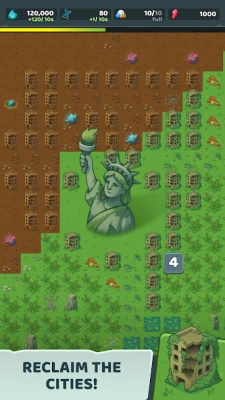
Watching empty terrain develop into green habitats creates a satisfying sense of progress.
The wildlife system adds another layer of interest because the return of animals demonstrates how environmental improvements can influence the entire world.
The peaceful atmosphere also supports the game's relaxing identity, allowing players to enjoy the restoration process without traditional action-game pressure.
Rewild: Ecosystems Tycoon – Game Information
Category | Details |
|---|---|
Game Title | Rewild: Ecosystems Tycoon |
Developer | Hot Siberians |
Game Genre | Simulation |
Main Theme | Nature and Ecosystem Restoration |
Platform | Android |
Gameplay Style | Exploration and Management |
Main Objective | Restore the natural world |
Main Progression System | Main Tree Upgrades |
Special Features | Stellar Trees and Wildlife |
Environmental Activities | Cleaning, Planting, and Restoration |
Wildlife System | Animal Habitats and Food Chains |
Game Mode | Single-player experience |
Combat | No traditional combat |
Content Rating | Everyone |
Monetization | Ads and In-App Purchases |
What Makes Rewild: Ecosystems Tycoon Different?
Many simulation games concentrate on building cities, managing businesses, or developing industrial operations.
Rewild: Ecosystems Tycoon takes a different direction by making environmental recovery the central objective.
Instead of constructing buildings and expanding an economy, players work toward restoring natural habitats and encouraging wildlife to return.
Its interconnected ecosystem mechanics also give the gameplay additional depth.
Plants influence the habitats available to animals, smaller creatures can support larger species, and special trees help expand restoration opportunities.
This creates a progression experience in which environmental improvements are connected rather than isolated.
The combination of peaceful exploration, vegetation management, wildlife collection, and ecosystem development makes the game an interesting choice for fans of nature-focused simulation games.
Frequently Asked Questions
What is Rewild: Ecosystems Tycoon?
Rewild: Ecosystems Tycoon is a nature restoration simulation game in which players rebuild damaged environments, grow vegetation, attract wildlife, and develop interconnected ecosystems.
Who developed Rewild: Ecosystems Tycoon?
The game was developed by Hot Siberians.
What is the main objective of the game?
The main objective is to restore a damaged world by cleaning polluted environments, planting vegetation, awakening Stellar Trees, and creating suitable habitats for animals.
How do you attract animals in Rewild: Ecosystems Tycoon?
You need to create environments that satisfy the requirements of different species. Frogs need wetlands, kingfishers need suitable riverside habitats, and hedgehogs can be attracted by establishing beetles.
What are Stellar Trees?
Stellar Trees are special trees distributed across the game world. Awakening them helps expand restoration opportunities and supports the development of additional ecosystems.
Why are Main Tree upgrades important?
Main Tree upgrades unlock additional plant species, giving players more options for developing habitats and restoring different environments.
Does the game include combat?
No traditional combat system is featured. The experience focuses on exploration, environmental restoration, and wildlife development.
Can you build different ecosystems?
Yes. Players can develop forests, wetlands, riverside habitats, and coastal environments, each offering different opportunities for vegetation and wildlife.
Is Rewild: Ecosystems Tycoon a relaxing game?
Yes. The game emphasizes peaceful progression, creative freedom, and environmental development without traditional enemies or competitive pressure.
Is Rewild: Ecosystems Tycoon free to play?
The Google Play listing identifies the game as containing advertisements and in-app purchases. Check the store listing for the latest pricing and purchase information.
Final Verdict
Rewild: Ecosystems Tycoon offers a refreshing take on simulation gaming by replacing traditional construction and competition with nature restoration and ecosystem development.
Its biggest strength is the relationship between vegetation, habitats, and wildlife. Every restored area creates new possibilities, while the interconnected food-chain mechanics encourage players to think carefully about how different species depend on one another.
The Main Tree upgrade system and Stellar Tree discoveries provide long-term progression goals, while the large map encourages continuous exploration.
Whether you enjoy peaceful management games, wildlife collection, environmental simulation, or creative exploration, Rewild: Ecosystems Tycoon offers an engaging opportunity to rebuild a damaged world and watch nature flourish again.
Rate the Game
User Reviews














Popular Games



















 Android
 iOS
 Windows
 Xbox