



Latest Version
October 23, 2026
Lion Studios
Simulation
0
com.portbliss.icycake
Report a Problem
More About :game
What Is Icing On The Cake?
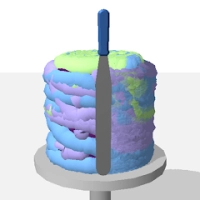
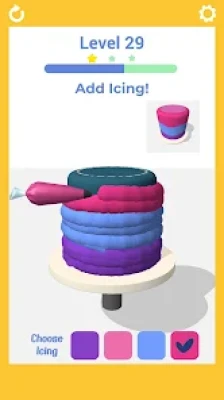
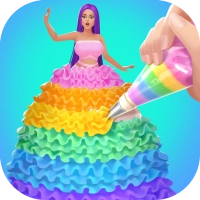
Icing On The Cake is a mobile simulation game that lets you experience the satisfying process of decorating cakes without needing real baking equipment. Your main task is to apply frosting to different cakes and shape it until the finished design resembles the target shown on the screen.
The gameplay focuses on several simple actions, including piping icing, spreading frosting, rotating the cake, and smoothing uneven surfaces. Although the controls are easy to understand, creating a neat finish requires patience and careful attention to the cake's shape.
Each level introduces another decorating challenge. Some cakes feature simple colors and shapes, while others require more careful icing application and smoothing. The objective is to complete each cake as accurately as possible while enjoying the relaxing movement of the decorating tools.
Developed by Lion Studios, Icing On The Cake is ideal for players who enjoy casual simulation games, food-themed activities, and satisfying visual effects. Its straightforward mechanics make it easy to pick up, while the variety of designs encourages players to improve their decorating technique.
Main Features of Icing On The Cake
Relaxing Cake Decorating Gameplay
The game centers on decorating cakes at a comfortable pace. You can focus on applying frosting, covering the cake's surface, and creating a smooth finish. The emphasis on simple actions makes the experience suitable for short breaks and relaxing gaming sessions.
Colorful Frosting and Icing
Different cake designs use different frosting colors. Applying the correct color to the appropriate area is an important part of completing a design. Careful color placement helps the finished cake resemble the example presented in each level.
Piping and Spreading Tools
Icing On The Cake features decorating actions that allow you to apply and spread frosting. Learning how each tool behaves is essential because piping creates the initial icing, while spreading and smoothing help improve its appearance.
Cake Rotation
Rotating the cake lets you inspect different sides and reach areas that may be difficult to decorate from one position. This feature is particularly useful when working around curved edges or trying to cover the entire surface.
Smoothing Mechanics
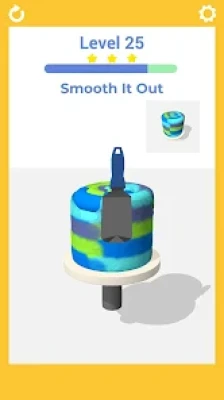
Smoothing is a central part of the experience. After applying frosting, you can use a spatula-like tool to even out the surface and create a cleaner finish. The challenge is to remove visible irregularities without disturbing areas that already look correct.
Different Cake Designs
The game features a variety of pastries and decorative challenges, including celebration-style and wedding-inspired cakes. These designs provide visual variety and encourage you to adapt your technique to different shapes and frosting requirements.
Simple Touch Controls
The controls are designed for mobile devices. Players interact with the cake and decorating tools through straightforward touch gestures, making it easy to learn the basics without a lengthy tutorial.
Casual Simulation Experience
Icing On The Cake does not require advanced gaming skills. Its main challenge comes from precision, patience, and understanding how to apply and smooth the frosting. This makes it appealing to players who prefer creative simulation games over competitive action.
How to Play Icing On The Cake
Examine the Target Cake
At the beginning of a level, look carefully at the cake and its intended design. Pay attention to the frosting color, overall shape, and areas that need decoration. Understanding the target before starting helps you avoid unnecessary corrections.
Apply the Icing
Use the available piping or icing tool to place frosting on the cake. Move steadily and follow the shape of the surface. Try to distribute the icing evenly rather than applying too much to one area.
Rotate the Cake
Turn the cake to reach different sides and inspect your progress. Rotation helps you identify uncovered areas and makes it easier to apply frosting around the entire surface.
Spread the Frosting
Once the icing has been applied, use the smoothing tool to spread it across the cake. Work carefully and follow the contours of the surface. The aim is to create an even layer without leaving large gaps or unwanted bumps.
Smooth the Surface
Use the spatula to refine the frosting and improve the overall finish. Pay attention to the edges and any visible uneven sections. Controlled movements can help you achieve a cleaner appearance.
Compare the Result with the Target
Look at the finished cake and compare it with the reference design. Check the color distribution, coverage, shape, and smoothness. If the level allows further adjustments, focus on the areas that need the most attention.
Complete the Level
Once the cake meets the game's requirements, finish the level and move on to the next design. As you continue playing, use the experience gained from earlier cakes to handle new shapes and decorating challenges.
Complete Strategy Guide for Icing On The Cake
Study the Cake Before Decorating
One of the most effective strategies is to examine the target before touching any tools. Identify the main frosting color and consider how the icing should cover the cake.
Notice whether the design has a flat top, rounded edges, or multiple visible sides. Understanding the shape helps you decide where to begin and which areas may require additional attention.
Apply Frosting Gradually
Avoid covering the cake with excessive icing in a single attempt. Applying frosting gradually gives you better control over the amount and placement.
Start with the main surface and move toward the edges. This approach makes it easier to maintain consistent coverage and reduces the need for major corrections later.
Keep Your Movements Steady
Large, sudden movements can make it difficult to distribute frosting evenly. Use controlled gestures and pay attention to how the icing responds to the tool.
Steady movement is especially useful when working around curved surfaces or applying frosting near the edge of the cake. The more consistent your movements become, the easier it is to create a neat finish.
Rotate the Cake Frequently
Do not rely on a single viewing angle. Turn the cake periodically to inspect the sides and identify areas that may have been missed.
A cake can appear complete from the front while still having uneven coverage elsewhere. Rotating it gives you a better understanding of the overall result and helps you correct small problems before finishing.
Learn When to Stop Adding Icing
More frosting does not always produce a better cake. Adding extra icing to an already well-covered area can create bumps or make the surface harder to smooth.
Check the amount of frosting as you work. If an area already has sufficient coverage, move to the next section instead of continuing to add more.
Use the Smoothing Tool Carefully
Smoothing is one of the most important stages of cake decoration. The goal is to create an even surface while preserving the intended shape.
Move the spatula gradually across the frosting and watch the result. If the tool begins to disturb an area that already looks correct, adjust your movement rather than repeatedly scraping the same spot.
Focus on Uneven Areas First
When the cake has visible bumps or irregular sections, prioritize those areas. Use the smoothing tool to improve the roughest sections before making minor adjustments elsewhere.
This approach helps you use your movements efficiently and prevents unnecessary changes to parts of the cake that are already well finished.
Match the Required Colors
Color accuracy contributes to the final appearance. Before applying frosting, confirm which color belongs on the cake and whether the design requires more than one visible shade.
Avoid spreading a color into an area intended for another shade. When working with a multicolored design, treat each section separately and pay attention to the boundaries between them.
Pay Attention to Cake Edges
The edges can be harder to decorate evenly than the top surface. Rotate the cake to view these areas and use controlled movements to distribute the frosting around the sides.
Do not concentrate exclusively on the center. A neat overall finish depends on how well the entire visible surface has been covered and smoothed.
Correct Mistakes Without Overworking the Cake
When you notice a small imperfection, make a targeted correction rather than repeatedly working over the entire cake. Excessive smoothing can disturb areas that were already satisfactory.
Identify the specific problem, make a careful adjustment, and inspect the result again. This method helps maintain consistency throughout the decorating process.
Be Patient with Complex Designs
Some cakes require more attention than others. Designs with rounded shapes, elaborate frosting, or multiple colors can take longer to finish neatly.
Break the task into manageable stages: apply the main icing, rotate the cake, inspect the coverage, and then smooth the surface. Completing each stage carefully is generally more effective than attempting everything at once.
Beginner Tips for Icing On The Cake
Start with the Main Surface
Begin with the largest area of the cake before concentrating on the smaller details. Establishing the main layer first makes it easier to see which sections still need work.
Use Small, Controlled Movements
You do not need to rush through the decorating process. Smaller, deliberate gestures can provide better control over icing placement and smoothing.
Check All Sides of the Cake
Rotate the cake regularly so you can see its complete shape. This helps you identify uncovered areas and uneven frosting that might otherwise go unnoticed.
Do Not Add Too Much Frosting
Apply enough icing to cover the intended area, but avoid building up unnecessary layers. Excessive frosting can make the surface more difficult to smooth.
Practice with the Smoothing Tool
Spend time learning how the spatula affects the icing. Gentle, consistent movements can help you develop a better sense of how much pressure and movement each surface requires.
Follow the Reference Design
The target cake is your main guide. Use it to check the color, shape, and general finish instead of relying entirely on guesswork.
Advanced Tips for Better Cake Designs
Plan Your Decorating Order
Think about the order in which you will complete the cake. Applying the main layer before refining the edges and smoothing the surface creates a more organized workflow.
Use Rotation to Improve Accuracy
Rotate the cake whenever your current angle makes it difficult to reach an area. Changing the viewing position can make it easier to distribute icing evenly and identify small gaps.
Avoid Repeated Corrections
Repeatedly adjusting the same area can make the frosting less even. Inspect the result after each movement and stop once the surface looks satisfactory.
Balance Coverage and Smoothness
A cake can have enough frosting but still look uneven. Likewise, a smooth section may not have complete coverage. Check both aspects instead of focusing on only one.
Adapt Your Technique to the Cake Shape
Different shapes require different movements. A broad, flat surface may be easier to cover with longer strokes, while curved sides benefit from smaller and more controlled gestures.
Work from Large Areas to Small Details
Complete the main frosting layer first. Then address the edges, uncovered sections, and visible imperfections. This order makes the task easier to manage and helps you maintain a consistent finish.
Common Mistakes to Avoid
Applying Too Much Icing
Excess frosting can create uneven surfaces and make smoothing more difficult. Apply it gradually and check the coverage as you work.
Forgetting to Rotate the Cake
Decorating from one angle can leave hidden sections unfinished. Rotate the cake to inspect the entire surface before completing the level.
Smoothing Too Aggressively
Excessive movement with the spatula can disturb the icing or create new irregularities. Use controlled strokes and avoid repeatedly working over the same area.
Ignoring the Cake's Edges
The top may look good while the sides remain uneven. Check the edges carefully and distribute the frosting as consistently as possible.
Using the Wrong Color in a Section
Applying a color without checking the target can make the design less accurate. Review the reference before beginning each color-dependent task.
Rushing Through the Level
Fast movements can lead to missed areas and unnecessary corrections. Take your time, especially when working with curved surfaces or intricate frosting.
Expecting Complete Creative Freedom
Icing On The Cake is a guided simulation with specific decorating objectives. Although the process feels creative, some levels focus on matching a particular design rather than building any cake from scratch.
Is Icing On The Cake Worth Playing?
Icing On The Cake is a good choice for players who enjoy casual simulation games, cake decorating, and satisfying visual activities. Its simple controls make it easy to start playing, while the icing and smoothing mechanics offer a small but engaging precision challenge.
The game is particularly appealing to people who enjoy watching a rough frosting layer become a cleaner, more polished design. Rotating the cake, applying colors, and refining the surface provide a relaxing rhythm that works well for short gaming sessions.
However, players who prefer deep baking simulations may find the gameplay limited. The focus is on decorating rather than managing a bakery, preparing ingredients, or following a complete baking recipe. Advertisements and optional in-app purchases may also affect the overall experience.
Overall, Icing On The Cake delivers an accessible and visually satisfying cake decorating experience for players who want a simple way to enjoy virtual frosting and creative food simulation.
Frequently Asked Questions
What Is Icing On The Cake?
Icing On The Cake is a casual simulation game in which players decorate cakes by applying icing, spreading frosting, rotating the cake, and smoothing the finished surface.
Who Developed Icing On The Cake?
The game was developed by Lion Studios, a publisher known for casual mobile games.
How Do You Play Icing On The Cake?
Follow the target design, apply the required icing, rotate the cake to reach different areas, and use the smoothing tool to create an even finish.
Is Icing On The Cake Easy to Play?
Yes. The game uses simple touch controls, making the basic mechanics easy to understand. Creating a neat result may require practice and careful movements.
What Is the Main Goal of the Game?
The main objective is to decorate each cake as accurately as possible by applying the appropriate frosting and smoothing the surface to match the target design.
Can You Rotate Cakes in Icing On The Cake?
Yes. Rotating the cake is part of the decorating experience and helps you reach different sides and inspect the overall finish.
Does Icing On The Cake Have Different Cake Designs?
Yes. The game features different pastries and cake decorating challenges, including celebration and wedding-style designs.
Does Icing On The Cake Contain Advertisements?
Yes. The Google Play listing indicates that the game contains advertisements and in-app purchases.
Can Icing On The Cake Be Played Offline?
The Google Play listing indicates offline availability. However, some features, advertisements, or purchase-related functions may still depend on an internet connection.
What Is the Best Strategy for Decorating Cakes?
Apply frosting gradually, rotate the cake to inspect all sides, use steady movements, and smooth uneven areas without repeatedly disturbing sections that already look correct.
Final Thoughts
Icing On The Cake offers a relaxing mobile experience built around the simple pleasure of decorating cakes. Its combination of colorful frosting, cake rotation, and surface smoothing makes each level a small exercise in patience and precision.
The best way to improve is to work gradually, check the cake from different angles, and focus on creating an even finish instead of rushing. Whether you enjoy food-themed games or simply want a casual activity to unwind with, Icing On The Cake provides an accessible decorating experience with satisfying visual results.
Rate the Game
User Reviews












Popular Games



















 Android
 iOS
 Windows
 Xbox