





Latest Version
October 24, 2026
Supercent, Inc.
Simulation
iOS
0
Report a Problem
More About :game
The game combines store management, customer service, business expansion, and idle income. Players can also develop food stations serving burgers, pizza, juices, and other fast-food options. With automated tasks and offline earnings, the experience focuses on steady growth, strategic upgrades, and building a supermarket empire at your own pace.
Game Overview and Main Features
Build Your Own Supermarket
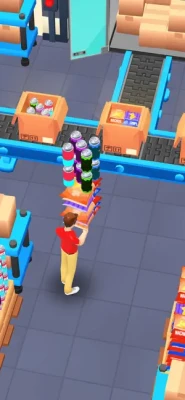
The journey begins with a small retail operation. As you earn money, you can unlock additional shelves, display racks, refrigerators, products, and store sections.
Every improvement helps your business handle more customers and generate additional revenue. The main challenge is to grow at a sustainable pace while ensuring that your store can keep up with increasing demand.
Stock Shelves and Manage Inventory
Products are the foundation of your supermarket. You can sell fruits, vegetables, dairy products, snacks, juices, and other grocery items as they become available.
Keeping shelves stocked helps customers find what they need and supports a steady flow of sales. As the store grows, inventory management becomes increasingly important because more products and customers create additional demands on your operation.
Hire Employees and Improve Efficiency
Running a supermarket alone becomes difficult as the business expands. Cashiers, shelf assistants, chefs, and waiters can help handle essential tasks.
Employees reduce the amount of work you need to perform manually and help your business operate more smoothly. Improving their speed, capacity, and efficiency can make a noticeable difference when customer traffic increases.
Open Restaurant and Food Stations
My Supermarket: Shop Rush combines supermarket management with restaurant-style business development. You can expand into food services featuring burgers, pizza, juice, and other fast-food options.
These additional businesses create new ways to earn money and give customers more reasons to visit your establishment. However, they also introduce more tasks to manage, making employee upgrades and efficient production increasingly valuable.
Upgrade Store Equipment
Shelves, racks, refrigerators, and other facilities help determine how efficiently your supermarket operates. Upgrading these systems allows you to support more products and improve the shopping experience.
As you unlock new merchandise and expand your store, revisit your equipment investments to ensure that your facilities can handle the additional workload.
Earn Idle Income
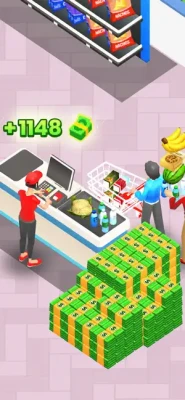
The game supports idle progression, allowing your business to generate earnings while you are away. When you return, you can collect available income and reinvest it in upgrades, employees, and new sections.
This system makes the game suitable for short play sessions. Rather than managing every activity continuously, you can focus on important decisions and let automated systems handle routine work.
Expand Into New Areas
As your business develops, you can unlock additional sections and explore new environments. The game has also introduced a tropical map, offering another setting for supermarket development.
New areas provide fresh opportunities to expand your business and improve your production systems. Before moving forward, make sure your existing operation is generating enough income to support further investment.
Customize and Optimize Your Store
Store layout and customer satisfaction are important parts of business management. A well-organized operation helps employees complete tasks efficiently and supports smoother customer service.
As your supermarket becomes larger, pay attention to the way products, checkout areas, and food stations fit together. Improving the overall workflow can help you make better use of your available resources.
Complete Gameplay Guide
Getting Started as a Beginner
When starting My Supermarket: Shop Rush, concentrate on learning the basic mechanics before investing heavily in expansion.
Follow the introductory instructions, complete the available objectives, and become familiar with stocking products, collecting money, and purchasing upgrades. These early tasks establish the foundation for your future business.
Your first priority should be to make the starting shop productive. Improve the facilities that directly support sales, and avoid spending too much money on features that do not immediately help your operation grow.
Once your store begins generating a reliable income, use that money to unlock additional products and strengthen the systems responsible for serving customers.
How to Make Money Faster
Earning money consistently is essential to expanding your supermarket. Your income depends on keeping products available, serving customers efficiently, and investing in improvements that increase the store's earning potential.
Start by checking whether your shelves are adequately stocked. Empty displays can limit sales, while insufficient storage or slow restocking can prevent your store from meeting demand.
Next, identify the tasks that interrupt your business most frequently. If employees struggle to keep up with customers, prioritize relevant staff upgrades. If products are difficult to manage, improve your inventory and storage systems.
Use your earnings to strengthen the weakest part of the operation. A balanced supermarket generally performs better than one that invests heavily in a single area while neglecting everything else.
Choosing the Best Upgrades
Not every upgrade provides the same value at every stage of the game. The best choice depends on your current income, customer demand, available facilities, and production bottlenecks.
Employee speed upgrades are useful when tasks take too long. Capacity improvements can help workers handle larger workloads, while additional shelves and refrigerators support a broader product selection.
New product unlocks can increase the variety of goods you offer, but they are most useful when you have enough resources to keep those products available.
Before purchasing an upgrade, consider whether it will improve sales, reduce delays, increase capacity, or unlock an important feature. Prioritize improvements that solve an existing problem or create a clear opportunity for growth.
Managing Employees Effectively
Employees are essential to maintaining an efficient supermarket. As the number of customers and products increases, assigning enough support to important tasks becomes more valuable.
Cashiers help manage checkout, shelf assistants support product availability, and restaurant employees handle food preparation and service.
Pay attention to the tasks that fall behind most often. If shelves remain empty, improve the systems responsible for restocking. If customers wait too long at checkout, focus on cashier efficiency and the available checkout capacity.
When you unlock new departments, review your staffing arrangements. A workforce that works well in a small shop may need additional support as your business expands.
The goal is to reduce unnecessary delays and allow each department to contribute to the overall success of the supermarket.
Keeping Shelves Stocked
Inventory management is one of the most important parts of supermarket gameplay. Customers cannot purchase products that are unavailable, so maintaining a reliable supply should remain a regular priority.
Check which products sell frequently and make sure your store has enough capacity to support them. As new merchandise becomes available, expand your storage and display facilities where necessary.
Avoid focusing entirely on adding more products. A large selection is useful only when you can keep it organized and available for customers.
A well-stocked store creates a stronger foundation for further expansion and makes your other upgrades more effective.
Growing Your Restaurant Business
Food stations introduce another income stream alongside ordinary grocery sales. Burger counters, pizza stations, juice bars, and other fast-food facilities allow you to diversify your business.
Begin by developing the food services that are available and manageable with your current resources. Make sure employees can handle preparation and service before investing heavily in additional stations.
As demand increases, improve the relevant equipment and staffing systems. Faster service and smoother operations help prevent one department from becoming a bottleneck for the entire business.
Restaurant expansion works best when it complements your supermarket rather than competing with essential grocery operations for limited resources.
Making the Most of Idle Earnings
Idle income allows your supermarket to continue generating money when you are not actively playing. This feature reduces the need for constant supervision and makes gradual progress easier.
When you return to the game, collect available earnings and review your current business needs. Decide whether your money would be better spent on employee upgrades, additional inventory capacity, new products, or a new department.
Avoid spending all your earnings immediately without considering your next objective. Keeping some flexibility can make it easier to purchase an important upgrade when it becomes available.
Check the game's actual offline-reward limits and collection rules rather than assuming that every activity continues indefinitely while you are away.
Expanding Without Wasting Money
Opening new sections can increase your supermarket's potential, but expansion also creates new expenses and management demands.
Before unlocking another area, make sure your existing store can generate income reliably. Consider whether your employees, equipment, and inventory systems can support the additional workload.
After opening a new section, develop it gradually. Upgrade the facilities that are essential to its operation and avoid purchasing every available improvement at once.
A smaller, efficient supermarket can be more profitable and easier to manage than a larger business with poorly balanced departments.
Advanced Strategy Guide
Build a Balanced Business
The most effective supermarket strategy is to keep every department working efficiently. Product stocking, customer service, employee management, and restaurant operations all contribute to your overall income.
If one department falls behind, it can reduce the effectiveness of your other investments. For example, additional products will not help much if shelves remain empty, and more customers can become difficult to serve if checkout capacity is insufficient.
Review your store regularly and identify the weakest part of the operation. Improve that area before spending heavily on systems that are already performing well.
Prioritize Efficiency Before Expansion
It is tempting to unlock new sections as soon as they become available. However, expanding too quickly can leave you with a larger business that is difficult to manage.
Before investing in a new department, strengthen your existing operation. Upgrade essential equipment, improve employee performance, and make sure your current inventory can support customer demand.
Once the supermarket is running smoothly, expansion becomes easier to manage and more likely to contribute to sustainable growth.
Improve Customer Service
Customer service plays an important role in building a successful supermarket. Shoppers need access to products, and the store must be able to handle checkout and food orders without unnecessary delays.
Keep an eye on the areas where customers experience the most friction. If queues become a problem, improve checkout capacity or cashier performance. If merchandise is frequently unavailable, strengthen stocking and storage.
As your business expands, revisit these priorities regularly. More customers and additional departments can change which improvements are most valuable.
Choose Upgrades According to Your Goals
A good upgrade strategy starts with a clear objective. You might want to increase income, serve more customers, reduce manual work, or unlock a new business area.
Choose improvements that support that objective directly. If you want to increase sales, make sure your products and displays can meet demand. If you want to reduce the time spent managing the store, focus on automation and employee efficiency.
Avoid purchasing upgrades simply because they are available. Every investment should help your business operate more effectively or move toward a meaningful progression goal.
Use Daily Play Sessions Efficiently
You do not need to manage every detail continuously to make progress. The idle mechanics allow you to collect available earnings and make improvements during short sessions.
When opening the game, review your income, check the condition of your shelves, and identify the most important upgrade you can afford. Make any necessary adjustments before leaving the game again.
This routine helps you maintain steady development without turning a casual management game into a demanding daily task.
Understand Optional Purchases
My Supermarket: Shop Rush is free to download and offers in-app purchases. Optional purchases may include additional resources, staff-related benefits, or options associated with advertising.
These features are not the same as essential gameplay requirements. Consider your own preferences and budget before spending money, and focus on the upgrades that make sense for your current progress.
If advertisements interrupt your experience, review the available in-game options and purchase details to understand which choices are offered in your version of the game.
Common Mistakes to Avoid
Expanding Too Quickly
Opening several departments at once can place unnecessary pressure on your money and workforce. Develop your existing supermarket before committing to major expansion.
Ignoring Inventory
Empty shelves can undermine the value of other improvements. Check product availability regularly and increase stocking capacity when needed.
Neglecting Employee Upgrades
As customer demand grows, employees may struggle to complete their tasks efficiently. Improve staffing systems when delays begin to affect the shopping experience.
Spending Money Without a Plan
Buying every available upgrade can slow your progress. Focus on improvements that solve immediate problems or help you reach your next major objective.
Overlooking Automation
Manual management becomes less practical as the store grows. Invest in employee efficiency and automated systems when they can reduce repetitive tasks and improve productivity.
Ignoring Restaurant Operations
Food stations can provide additional earning opportunities, but they need suitable staffing and equipment. Make sure each new facility can operate effectively before expanding further.
Beginner Tips for Faster Progress
Start with the basic store and learn how stocking, sales, and upgrades work together.
Keep your most important products available so customers can continue shopping.
Upgrade workers when their tasks begin to slow down your business.
Improve storage and display capacity as your product selection grows.
Invest in automation to reduce the amount of work you must perform manually.
Develop restaurant stations gradually and make sure they have the support they need.
Collect available idle earnings and use them toward a specific goal.
Expand into new areas only when your current supermarket can support the additional workload.
Review your progress after major upgrades and adjust your strategy whenever your business needs change.
Frequently Asked Questions
What is My Supermarket: Shop Rush?
My Supermarket: Shop Rush is a casual supermarket simulation and idle tycoon game in which players build a grocery business, sell products, hire employees, upgrade equipment, and expand into restaurant management.
Who developed My Supermarket: Shop Rush?
The game is developed by Supercent, Inc.
Is My Supermarket: Shop Rush free to play?
The game is free to download and includes optional in-app purchases. Advertising is also listed as part of the app experience.
Can you earn money while offline?
Yes. The game supports idle earnings, allowing players to collect available income when they return after spending time away.
What products can you sell?
The supermarket includes products such as fruits, vegetables, dairy, snacks, and juices. Additional products and premium merchandise can be unlocked as you progress.
Can you run a restaurant in the game?
Yes. Players can develop food stations featuring options such as burgers, pizza, juice, and other fast-food products.
Which employees can you hire?
The available employee roles include cashiers, shelf assistants, chefs, and waiters. These workers help automate tasks and improve operational efficiency.
What is the best strategy for beginners?
Focus on maintaining product availability, improving essential equipment, and upgrading employees when necessary. Build a reliable income before investing heavily in new sections or restaurant facilities.
Does the game support casual play?
Yes. Its idle progression and automated tasks make it suitable for shorter sessions, although checking your store and choosing upgrades can help you manage its growth more effectively.
Is My Supermarket: Shop Rush suitable for tycoon game fans?
It is a good option for players who enjoy business simulations, supermarket management, idle income, employee upgrades, and gradual business expansion.
Is My Supermarket: Shop Rush Worth Playing?
My Supermarket: Shop Rush offers a straightforward and accessible take on supermarket management. It combines grocery retail, employee management, restaurant stations, automation, and idle earnings in one casual experience.
The main attraction is the gradual transformation of a small shop into a larger business. Each upgrade creates another opportunity to improve the store, serve more customers, and increase revenue.
Players who enjoy incremental progression and relaxed management games will likely appreciate the combination of supermarket and restaurant mechanics. Those who prefer deep economic simulations with complex supply chains may find the gameplay more simplified.
The presence of advertising and optional purchases is also worth considering before downloading.
Final Thoughts
My Supermarket: Shop Rush is a casual business-building game that rewards consistent management and thoughtful investment. From stocking shelves and improving equipment to hiring employees and developing restaurant stations, each decision can help shape your growing supermarket.
The best approach is to build a dependable foundation, keep inventory available, improve employee efficiency, and expand only when your current operation is ready. Use idle earnings to support your next objective, and focus on upgrades that solve real problems instead of spending money without a clear plan.
With balanced management and gradual expansion, you can develop a small retail stand into a thriving supermarket and food-service empire.
Rate the Game
User Reviews















Popular Games



















 Android
 iOS
 Windows
 Xbox