


Latest Version
November 01, 2026
StudioWheel
Simulation
0
com.fivebyte.lifeisagame
Report a Problem
More About :game
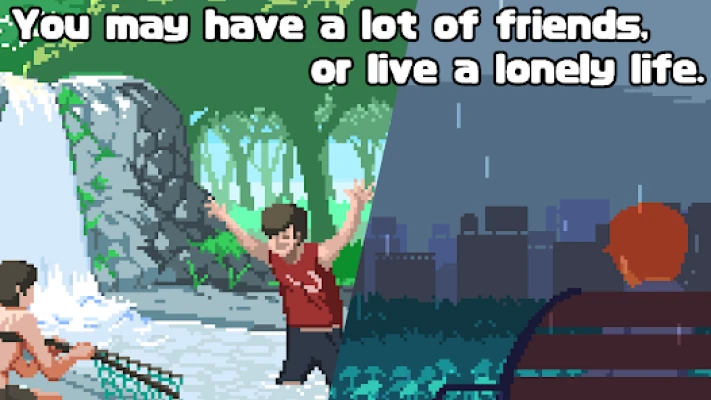
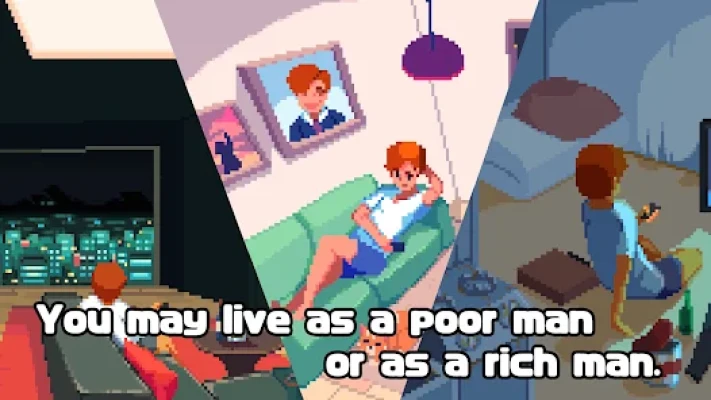
Featuring charming pixel-art graphics, multiple possible endings, and a memorable storytelling experience, Life is a Game offers a different perspective on the journey of life. Your goal is not simply to reach the finish line but to build a life filled with happiness, meaningful experiences, personal achievements, and strong relationships.
What Is Life is a Game?
Life is a Game is a casual running and simulation game developed by StudioWheel. It explores the idea that life is a marathon, where small decisions and everyday experiences gradually shape a person's future.
Unlike traditional running games that focus primarily on speed, distance, and high scores, this game introduces a deeper progression system. Your character moves through different stages of life, and the decisions you make along the way influence their personality, appearance, interests, happiness, and relationships.
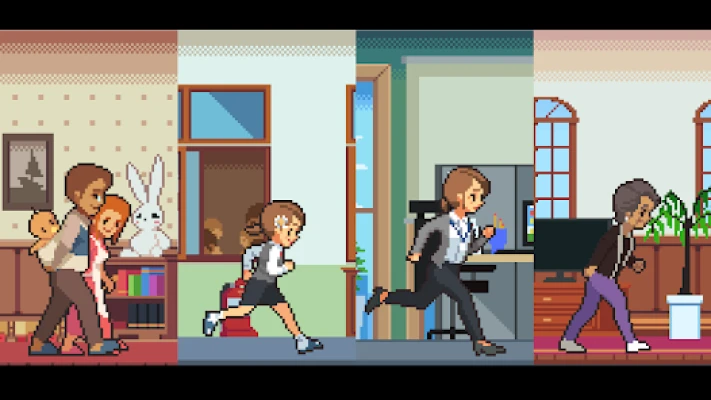
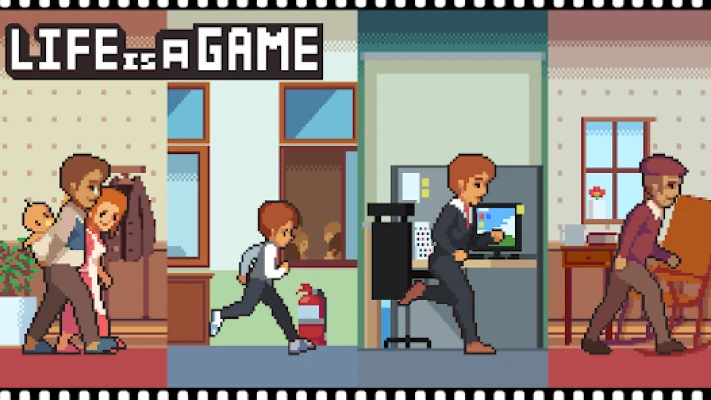
The experience begins during infancy and continues through childhood, adolescence, adulthood, and old age. Each stage introduces different opportunities and challenges, encouraging players to think carefully about how they want their character's story to develop.
The game uses a combination of automatic running, collectible coins, interactive choices, and special abilities. You must pay attention to the objects appearing along the route while making decisions that influence your character's future.
One of the most interesting features is the ability to develop particular talents. For example, spending more time painting during childhood can encourage an artistic future, while playing musical instruments can increase the possibility of becoming a singer.
However, professional achievements are only one part of the experience. Happiness, friendships, family connections, and personal interests are also important elements of a successful life.
Main Features of Life is a Game
A Complete Life Journey
Experience the different stages of a person's life, beginning with infancy and continuing through childhood, teenage years, adulthood, and old age. Each stage introduces new decisions and opportunities.
Running and Simulation Gameplay
The game combines simple running mechanics with life simulation elements. Collecting objects and making decisions during your journey can influence your character's development.
Meaningful Life Decisions
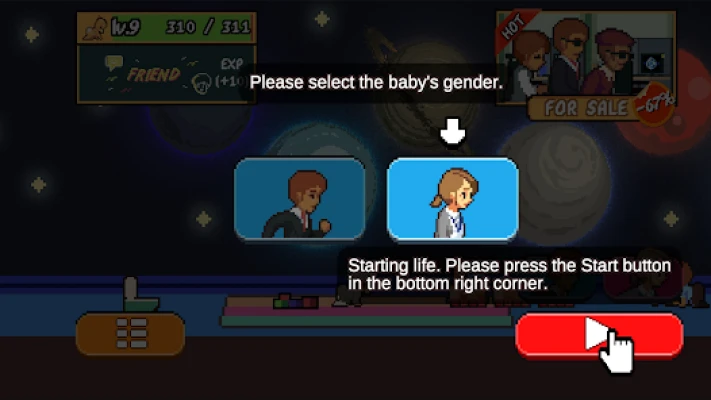
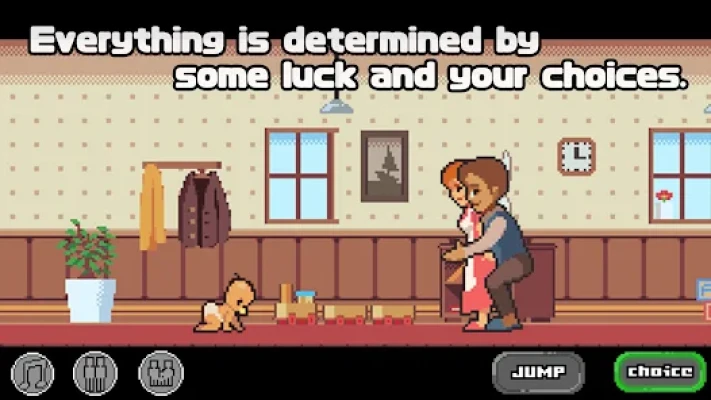
The Choice button allows you to make decisions that affect your character's future. Your actions can influence personality, career possibilities, relationships, and other aspects of life.
Multiple Possible Endings
Your journey can lead to different outcomes depending on the decisions you make. This encourages replaying the game and experimenting with different lifestyles.
Hobby Development
Hobbies play an important role in shaping your character. Activities such as painting and playing musical instruments can influence future talents and career possibilities.
Relationships and Family
Friendships and family connections are important parts of the experience. Maintaining relationships can contribute to your character's happiness and overall life journey.
Emotional Storytelling
The game includes a special reminiscence system that allows you to look back on the life you created. Its emotional presentation gives additional meaning to the decisions made throughout the journey.
Pixel-Art Graphics
The colorful pixel-art presentation gives the game a distinctive visual identity. Character appearances and life stages change as the journey progresses.
Simple Controls
The straightforward controls make the game accessible to casual players while leaving room for experimentation and strategic decisions.
Gameplay Explained
Life is a Game is built around a simple concept: every life is different because every decision creates new possibilities.
At the beginning, you control a young character who automatically moves forward. Your responsibility is to collect useful items, avoid missing important opportunities, and make decisions when choices become available.
The gameplay gradually introduces more complicated situations as your character grows older.
Running Mechanics
Running is the foundation of the gameplay. Your character moves through a changing environment while different collectible objects appear along the route.
You need to pay attention to the available items and choose the ones that support your intended lifestyle.
Collecting coins is important because they contribute to your progression and allow you to interact with the game's systems.
However, collecting everything without thinking about your priorities is not necessarily the best approach. A successful run requires balancing immediate rewards with your long-term objectives.
The Choice System
The Choice button is one of the most important gameplay elements.
During your journey, you encounter decisions that can influence your character's development. These choices may affect personal interests, future opportunities, and relationships.
For example, choosing activities associated with creativity can help develop artistic interests. Other decisions can encourage different talents and life paths.
The important thing is to make decisions that support the type of life you want to experience.
Hobby, Friend, and Family Systems
The lower-left area contains important abilities that help you manage different aspects of your character's life.
These systems encourage you to pay attention to more than money and professional achievements.
Hobbies provide personal enjoyment and can influence future talents. Friendships help develop social connections, while family-related activities contribute to the character's personal relationships.
Ignoring these elements can result in an unbalanced life.
Life Stages
The game progresses through several important periods.
Infancy
This is the beginning of your character's journey. Although the character has limited control over their future, early experiences establish the foundation for later development.
Childhood
Childhood is an important period for developing interests and discovering talents. Activities such as painting and music can influence the character's future direction.
Teenage Years
Your character begins developing a more recognizable personality. Interests and previous decisions can influence the opportunities available during this stage.
Adulthood
Adult life introduces more responsibilities and opportunities. Career development, relationships, personal happiness, and family become important considerations.
Old Age
The final stage brings the journey toward its conclusion. Your character's experiences and decisions contribute to the ending and the memories associated with their life.
Complete Strategy Guide for Life is a Game
Winning in Life is a Game is not simply about collecting the highest possible number of coins. The real challenge is creating a balanced life while making decisions that support your preferred ending.
The following strategies can help you understand the game's systems and improve your results.
Understand Your Main Objectives
Before starting a new run, think about the type of life you want your character to experience.
You might want to develop an artistic personality, pursue a musical career, maintain strong family relationships, or create a balanced lifestyle.
Having a general objective makes it easier to decide which collectibles and activities deserve your attention.
Avoid making random decisions without considering their possible long-term consequences.
Collect Coins Carefully
Coins are an important part of the progression system.
During each run, pay attention to the objects appearing in front of your character. Try to collect useful rewards whenever possible without losing sight of your broader objectives.
Do not assume that the largest number of coins automatically guarantees the best outcome.
The type of collectibles you obtain can also matter, so consider how they relate to your intended character development.
Focus on Hobbies During Childhood
Childhood is one of the most important stages for developing your character's interests.
If you want an artistic character, prioritize opportunities related to painting and creativity.
If you prefer a musical future, focus on musical activities and instruments whenever they become available.
The game specifically connects childhood activities with possible future talents, making early decisions especially meaningful.
Develop a Balanced Personality
A common mistake is concentrating entirely on career achievements.
Although professional development is an important part of the experience, it should not become your only objective.
Pay attention to hobbies, friendships, and family relationships.
A character with professional success but poor personal relationships may experience a very different journey from someone who maintains a balanced lifestyle.
Try to develop several aspects of your character instead of investing everything in one direction.
Maintain Your Friendships
Friendships are an important part of the game's relationship system.
Use the available friend-related abilities and pay attention to opportunities that allow your character to establish social connections.
Do not ignore friendships simply because other activities appear more rewarding.
A strong social life can contribute to a more satisfying overall experience.
Give Attention to Family Relationships
Family connections are another important element of the simulation.
As your character progresses through adulthood, personal relationships become increasingly meaningful.
Make decisions that support family life and avoid focusing exclusively on collecting rewards.
The game encourages players to consider the emotional side of life rather than measuring success through achievements alone.
Monitor Your Happiness
Happiness is an important consideration throughout the journey.
A character who spends all their time pursuing financial or professional goals may miss opportunities to enjoy other aspects of life.
Use hobby-related activities and social interactions to support a more balanced experience.
Whenever possible, consider whether a decision improves your character's overall lifestyle rather than providing only an immediate reward.
Use Special Skills at the Right Time
The game provides abilities in the lower-left area of the screen.
Learning when to use them is important for improving your performance.
Avoid ignoring these abilities during a run. Pay attention to the situations in which they can provide the greatest benefit.
Understanding their purpose will help you manage the different aspects of your character's life more effectively.
Make Decisions According to Your Intended Ending
The game features multiple ending scenes, and your decisions influence the direction of your character's story.
If you want to explore different outcomes, try changing your approach between playthroughs.
For example, one run can focus on artistic development, while another can emphasize music, social relationships, or family life.
This approach allows you to discover how different combinations of decisions influence the overall experience.
Do Not Spend All Your Resources Immediately
The in-game shop contains items that can become available in particular situations.
Some purchased items only appear when certain conditions are satisfied.
Therefore, do not assume that an item is missing simply because it does not appear immediately after purchase.
Continue progressing and pay attention to the circumstances in which special items become available.
Learn from Every Playthrough
Each completed run gives you another opportunity to understand the game's systems.
Think about the decisions you made, the activities you prioritized, and the relationships you maintained.
If the ending is not what you expected, adjust your strategy during the next attempt.
Experimenting with different combinations is one of the most enjoyable ways to discover the game's possibilities.
Best Tips and Tricks for Beginners
Prioritize meaningful collectibles: Pay attention to the type of coins and objects you collect instead of focusing exclusively on quantity.
Develop interests early: Childhood activities can influence your character's future talents.
Use the Choice button carefully: Every available decision is an opportunity to influence the direction of your character's life.
Do not neglect relationships: Friends and family are important elements of a balanced experience.
Maintain your hobbies: Personal interests help make your character's journey more varied.
Explore different career possibilities: Try different activities to discover how they influence your character's future.
Use lower-left abilities: These skills are important for managing happiness and relationships.
Experiment with different lifestyles: Replaying the game with different priorities can reveal alternative outcomes.
Pay attention to special shop items: Some purchased items appear only under specific conditions.
Enjoy the story: The game is designed around the experience of living a complete life, not simply reaching the highest score.
How to Get Different Endings in Life is a Game
One of the strongest reasons to replay Life is a Game is its variety of possible endings.
The ending reflects the character's journey and the decisions made throughout different life stages.
To explore different outcomes, you should experiment with the following approaches.
Artistic Life Path
Focus on creative activities during childhood, particularly painting.
Continue supporting artistic interests as your character grows older.
This approach can encourage an artistic personality and increase the possibility of developing a related career.
Musical Life Path
Prioritize musical activities and playing instruments whenever opportunities become available.
The game connects musical experiences with the possibility of becoming a singer.
Experiment with different decisions to discover how early musical interests influence later development.
Relationship-Focused Life Path
Concentrate on developing friendships and maintaining family relationships.
Use the relevant abilities and choose opportunities that support social connections.
This approach allows you to explore a lifestyle in which personal relationships receive more attention.
Career-Focused Life Path
Prioritize activities and decisions that support professional development.
Collect relevant rewards and explore opportunities that can influence your character's future career.
However, remember that career progression is only one part of the simulation.
Balanced Life Path
For a more varied experience, combine professional development with hobbies, friendships, and family activities.
Avoid spending the entire journey focusing on one objective.
This approach allows you to experience several important elements of the game rather than concentrating exclusively on a single achievement.
Common Mistakes to Avoid
Ignoring hobbies
Hobbies are not meaningless activities. They can influence your character's development and future talents.
Focusing only on coins
Collecting coins is useful, but the type of rewards and the decisions you make also matter.
Neglecting friendships
Ignoring social connections can create an unbalanced experience.
Forgetting family relationships
Family is an important part of the game's life simulation mechanics.
Making random choices
Decisions should support your preferred lifestyle whenever possible.
Ignoring special abilities
The lower-left skills provide important ways to manage your character's personal life.
Expecting purchased items to appear immediately
Some shop items are designed to appear only under particular circumstances.
Repeating the same strategy every time
Trying different approaches is essential if you want to discover the variety of possible endings.
Graphics and Sound Design
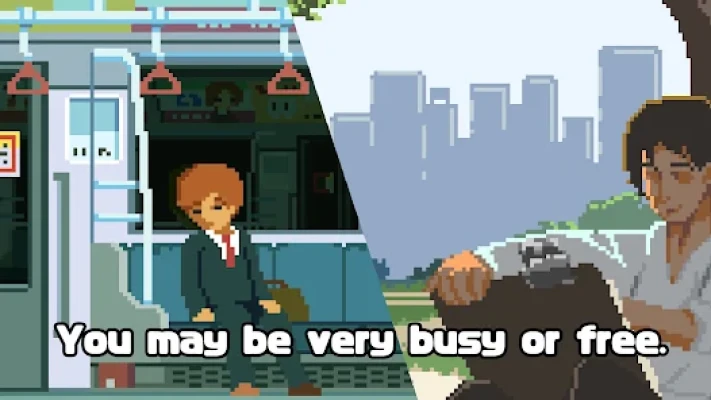
Life is a Game uses a charming pixel-art visual style that complements its emotional storytelling.
The environments and character designs change as the main character moves through different stages of life. This visual progression makes the passage of time easy to understand and gives every stage its own identity.
The pixel-art presentation also creates a nostalgic atmosphere that works particularly well with the game's reflective themes.
Rather than relying on complicated visual effects, the game uses simple animations and recognizable environments to communicate its ideas.
The sound design contributes to the atmosphere, helping create a more personal experience as the character moves through childhood, adulthood, and old age.
Together, the graphics and audio help distinguish Life is a Game from ordinary endless-running titles.
Is Life is a Game Worth Playing?
Life is a Game is an interesting choice for players who enjoy casual running games with additional simulation and storytelling elements.
Its biggest strength is the way it connects simple gameplay with meaningful decisions.
Instead of concentrating exclusively on speed or distance, the game encourages you to think about the consequences of your actions.
The combination of hobbies, relationships, personal development, and different endings gives each playthrough a sense of progression.
It is particularly appealing to players who enjoy pixel-art games, life simulation experiences, and casual titles that offer something more thoughtful than traditional arcade gameplay.
However, players looking for a complex life simulator with extensive character customization and detailed management systems may find its mechanics relatively simple.
The experience is best approached as a short, emotional journey with replayable outcomes rather than a highly detailed simulation.
Frequently Asked Questions
What is Life is a Game?
Life is a Game is a casual running and life simulation game in which you guide a character from birth to old age. Your choices, collected coins, hobbies, and relationships influence the character's development and possible endings.
Who developed Life is a Game?
The game is developed by StudioWheel.
Is Life is a Game a running game or a simulation game?
It combines both genres. The character runs through different environments while players collect items, make decisions, and manage important aspects of life.
How many life stages are included?
The experience covers infancy, childhood, teenage years, adulthood, and old age.
Do decisions affect the ending?
Yes. The game features multiple possible endings influenced by the decisions and experiences accumulated throughout the character's life.
How can I develop an artistic character?
Focus on painting and other creative activities during childhood. These experiences can influence your character's artistic development.
How can I increase the possibility of becoming a singer?
Prioritize musical activities and playing instruments when opportunities become available.
Why are hobbies important?
Hobbies contribute to character development and personal happiness. Certain activities can also influence future talents and career possibilities.
Are friendships important in Life is a Game?
Yes. Friendships are an important part of the relationship system and contribute to creating a more balanced life.
What are the lower-left abilities used for?
They help you manage important aspects of your character's personal life, including hobbies, friendships, and family relationships.
Can I replay Life is a Game?
Yes. Replaying the game allows you to experiment with different decisions, explore alternative lifestyles, and discover other possible endings.
Does the game contain in-app purchases?
Yes. The Google Play listing indicates that the game contains advertisements and in-app purchases.
Final Verdict
Life is a Game delivers a refreshing combination of endless running, life simulation, and emotional storytelling. Its simple controls make it accessible to casual players, while its decision-based progression provides a reason to replay the experience.
From developing childhood hobbies to building relationships and making important adult decisions, every stage contributes to the character's personal story.
The most enjoyable part is discovering how seemingly small decisions can influence an entire lifetime. Whether you want to explore an artistic career, develop musical talents, build strong relationships, or experience different endings, the game offers several ways to approach the journey.
For fans of casual simulation games and meaningful pixel-art adventures, Life is a Game is a memorable experience that turns the idea of living a lifetime into an interactive journey.
Rate the Game
User Reviews













Popular Games



















 Android
 iOS
 Windows
 Xbox