
Latest Version
October 28, 2026
DogByte Games
Simulation
0
com.dogbytegames.otrnext
Report a Problem
More About :game
Game Overview
Genre: Open-world driving simulation
OTR 2: Offroad Simulator expands the off-road driving experience with a large, seamless environment designed for exploration and vehicle-based challenges. Rather than focusing exclusively on traditional racing, the game encourages players to discover different routes, experiment with vehicles, complete missions, and overcome natural obstacles.
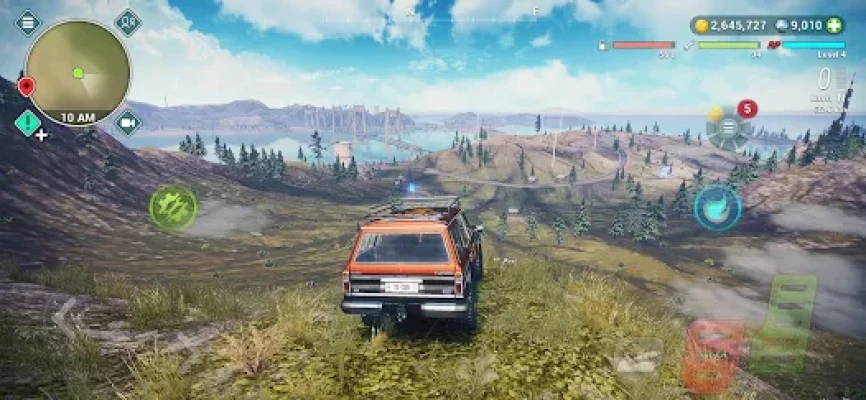
The world combines rugged mountains, muddy tracks, open highways, deserts, and water-based routes. Each environment presents different driving conditions, making vehicle selection and careful handling important parts of the experience.
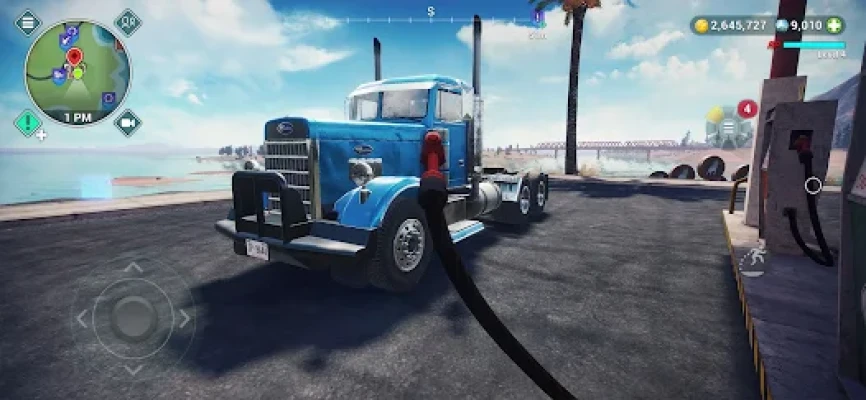
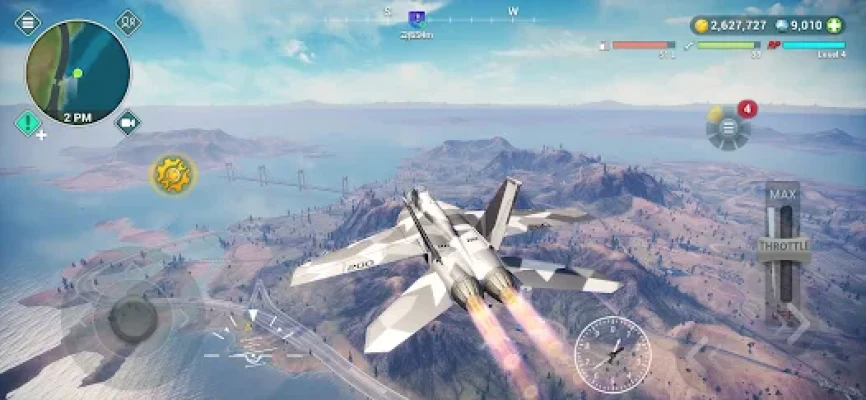
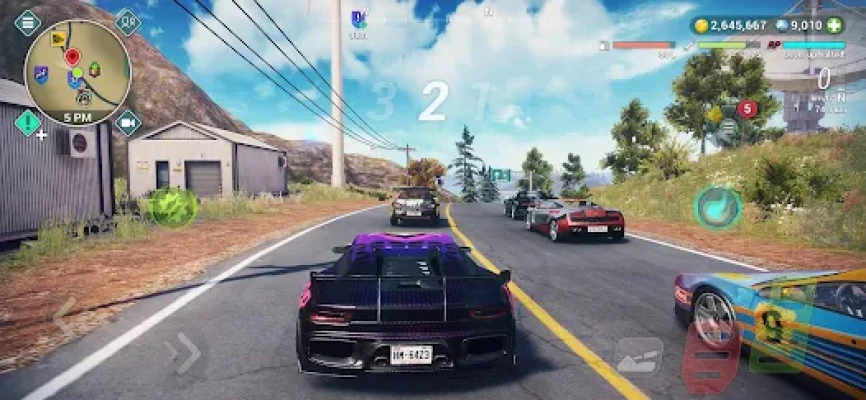
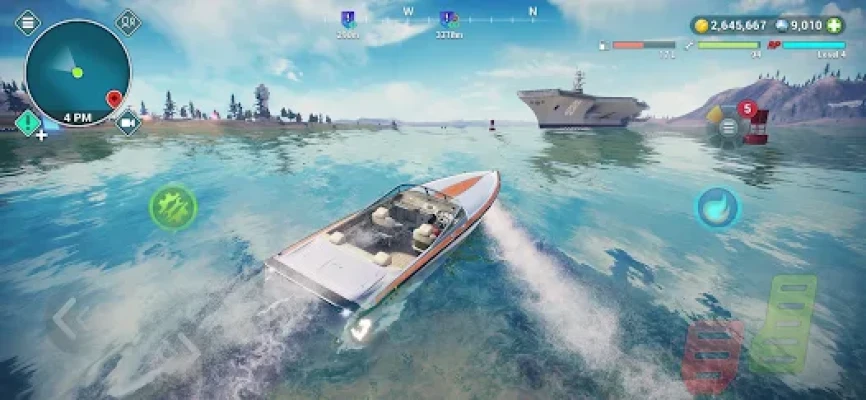
Players can switch between different types of transportation, including rugged four-wheel-drive vehicles, heavy trucks, sports cars, boats, helicopters, and aircraft. This variety gives the game a broader scope than a conventional car racing simulator.
Another major attraction is its emphasis on freedom. You can follow objectives to earn rewards or ignore the missions for a while and explore the environment at your own pace. Vehicle customization adds another layer of progression, allowing you to develop a personal driving style and create distinctive-looking vehicles.
Main Features of OTR 2
Massive Open-World Exploration
The game features a large, seamless world with roads, off-road trails, mountains, wilderness, and other areas to explore. You can travel between different environments and look for interesting routes beyond the main roads.
Exploration is useful for more than sightseeing. It can help you discover shortcuts, find new challenges, and become familiar with the terrain before attempting difficult missions.
Multiple Vehicle Categories
OTR 2 includes several types of vehicles designed for different situations. Off-road trucks are suitable for rough terrain, sports cars offer exciting high-speed driving, and boats and aircraft provide alternative ways to travel.
Learning which vehicle works best for each environment is one of the most valuable skills you can develop.
Realistic Driving Physics
Vehicle handling is influenced by the terrain and driving conditions. Mud, uneven surfaces, slopes, and obstacles can make a route more difficult than it first appears.
The vehicle damage system also makes careful driving worthwhile. Aggressive acceleration and poorly judged jumps can lead to crashes that interrupt your progress.
Vehicle Customization
The livery editor allows you to personalize your rides with different visual designs, paint schemes, and decals. Performance tuning adds another dimension by letting you adjust vehicles to better suit your preferred driving activities.
A well-chosen setup can make a vehicle feel more comfortable for a particular challenge, although the best configuration depends on the vehicle and the terrain.
Missions and Delivery Challenges
Missions give exploration a practical purpose. Delivery tasks and other objectives encourage players to travel through the world, reach destinations, and earn rewards.
These activities are also useful for learning vehicle control and building resources for future upgrades.
Online Multiplayer
Multiplayer lets you meet other players, explore together, and participate in competitive driving activities. The game supports sessions with up to six players, making it possible to enjoy races and open-world cruising with friends.
Offline Gameplay
OTR 2 can be played offline, which is useful when an internet connection is unavailable. Online multiplayer, naturally, requires a connection.
Day and Night Cycle
Changing lighting conditions give the world a more dynamic atmosphere. As visibility changes, players may need to pay closer attention to roads, obstacles, and turns, particularly when driving quickly.
Specific Game Information
Game title: OTR 2 – Offroad Simulator
Developer: DogByte Games
Game genre: Open-world driving, off-road simulation, vehicle racing, and exploration
Platform: Android, with Windows availability also listed
Gameplay modes: Solo exploration, missions, challenges, and online multiplayer
Offline support: Yes, for solo gameplay
Multiplayer capacity: Up to six players
Visual style: Detailed 3D environments with realistic vehicle effects
Main environments: Mountains, deserts, highways, off-road trails, wilderness, and water routes
Vehicle categories: Four-wheel-drive vehicles, trucks, sports cars, boats, helicopters, and aircraft
Customization: Vehicle liveries, paint schemes, decals, and performance tuning
Core progression: Explore the world, complete missions, earn rewards, and improve your vehicles
Monetization: Free to download, with advertisements and in-app purchases listed on the store
Content rating: Everyone
Best suited for: Players who enjoy driving simulators, off-road adventures, vehicle customization, open-world exploration, and casual multiplayer racing.
Understanding the Different Vehicles
Choose your vehicle according to the terrain and objective.
Off-Road SUVs and 4x4 Vehicles
Four-wheel-drive vehicles are excellent choices for exploring rough landscapes. They are useful for navigating dirt roads, climbing moderate hills, and reaching locations that are difficult to access with low-clearance cars.
When choosing an off-road vehicle, prioritize traction, stability, and ground clearance over maximum speed. These qualities become particularly important when the terrain is uneven or muddy.
Heavy Trucks
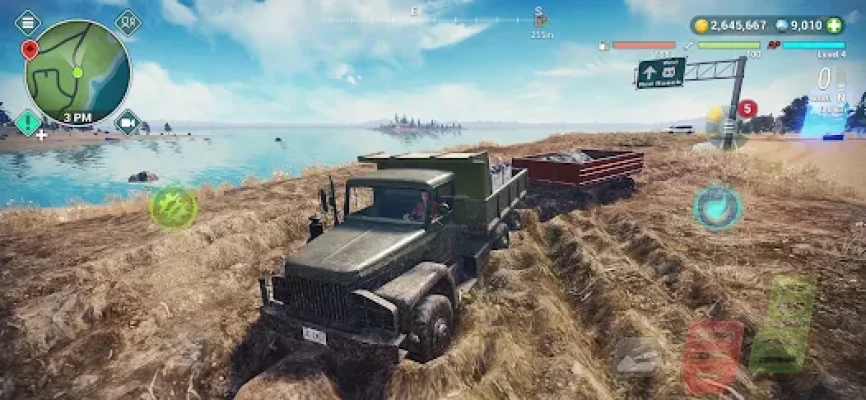
Trucks are valuable for challenging terrain and tasks that involve transporting goods. Their size and weight can help them feel stable on suitable routes, but they may require more room to turn and can be difficult to maneuver through narrow passages.
Use a steady pace when climbing hills, and avoid sudden steering movements when carrying cargo or pulling a trailer.
Sports Cars
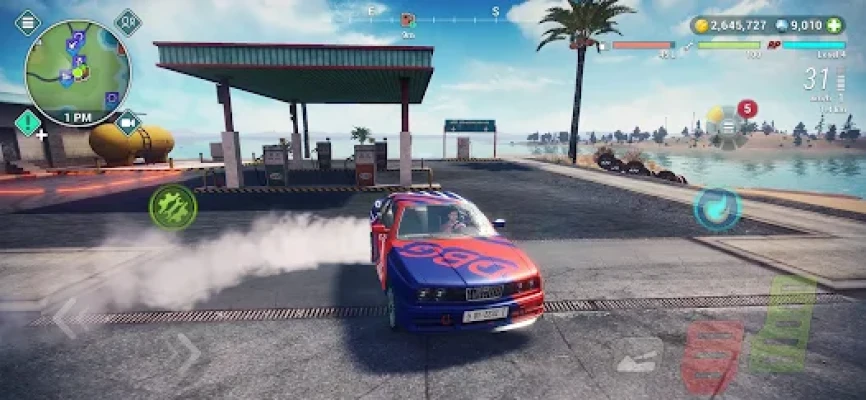
Sports cars are best suited to paved roads, highways, and speed-focused challenges. Their acceleration makes them exciting to drive, but rough terrain can expose their limitations.
Keep your speed under control on unfamiliar roads. A fast car is only useful when you can maintain control through corners and avoid unnecessary crashes.
Boats and Powerboats
Boats allow you to travel across water and explore coastal areas. They are especially useful when your destination is separated from the main road network by rivers, lakes, or open water.
Approach unfamiliar shorelines carefully and give yourself enough space to turn. If you are exploring a new area, consider the return journey before traveling too far from a convenient landing point.
Helicopters
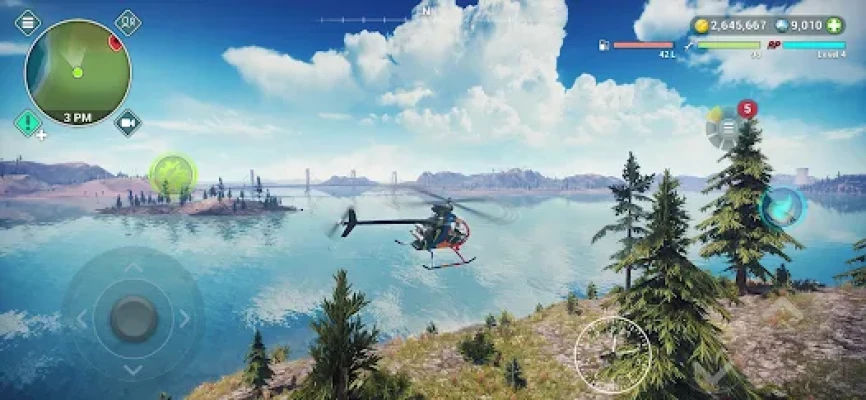
Helicopters provide a different way to explore the map. Their ability to travel above obstacles makes them useful for scouting distant areas and reaching elevated locations.
Practice controlling altitude, direction, and landing speed before attempting difficult maneuvers. A smooth landing is generally more useful than arriving at maximum speed.
Aircraft
Aircraft are ideal for players who want to experience fast travel through the air. They offer a different challenge from ground vehicles, requiring attention to takeoff, direction, altitude, and landing.
Use open areas when learning how an aircraft responds to your controls. Avoid making aggressive movements until you understand its handling.
Full Strategy Guide for OTR 2: Offroad Simulator
Getting Started as a Beginner
Your first goal should be to understand the driving controls and how different vehicles respond to the environment. Spend time driving on open roads before attempting difficult mountain routes or competitive events.
Practice accelerating, braking, reversing, steering, and changing camera angles. If your preferred control scheme feels uncomfortable, experiment with the available settings until you find something that allows precise movements.
Do not rush to complete every difficult activity immediately. Early practice can save considerable time later by reducing crashes, failed attempts, and unnecessary vehicle damage.
Start with accessible missions and straightforward driving challenges. These activities help you become familiar with the game while earning rewards that can support future progression.
Choose the Right Vehicle for Every Mission
One of the most common mistakes in driving simulators is using the same vehicle for every task.
Before starting an activity, consider what it requires. A speed challenge favors acceleration and road handling, while a difficult off-road route calls for traction and stability. A transport task may require a suitable truck and enough room to maneuver.
If a mission repeatedly causes problems, try changing vehicles rather than attempting the same route with increasingly aggressive driving.
The most effective vehicle is not necessarily the most expensive or fastest. It is the one that completes the objective reliably.
Master Off-Road Driving
Off-road driving rewards patience and observation. Uneven ground, mud, steep inclines, and sharp turns can all affect how your vehicle behaves.
Approach difficult sections at a manageable speed. Accelerate gradually when climbing, and avoid sudden steering corrections that could cause the vehicle to slide or tip.
When descending a hill, reduce your speed before reaching the steepest section. Keep your direction controlled and avoid making sharp turns on unstable ground.
If your vehicle begins to lose traction, ease off the accelerator and try a more suitable line. Continuing to apply maximum power may make the situation worse.
Whenever possible, inspect the route ahead and look for a safer path around deep mud, large obstacles, or unusually steep slopes.
Improve Your Hill-Climbing Skills
Mountain routes can be challenging because steep slopes and uneven surfaces demand good control.
Build momentum on a safe approach when necessary, but do not enter a climb so quickly that you lose control near the top. Maintain a steady line and avoid unnecessary sideways movements.
If the vehicle struggles, stop in a safe position if possible and reassess the route. A slightly longer path with a gentler slope may be more effective than attempting a nearly vertical climb.
Use the winch when the vehicle and situation support it. Secure an appropriate anchor point and apply controlled movement rather than relying entirely on engine power.
Handle Mud and Difficult Surfaces
Mud can make off-road driving less predictable. Wheels may struggle for grip, and a route that appears simple from a distance can become difficult once you enter it.
Slow down before reaching a muddy section. Maintain smooth throttle input and avoid rapid changes in direction.
If you become stuck, try a different approach rather than repeatedly accelerating at full power. Reversing carefully or selecting a firmer route may help you escape.
Vehicle selection also matters. A capable off-road vehicle is generally a safer choice for muddy ground than a low sports car designed primarily for paved roads.
Complete Missions Efficiently
Missions are an important part of progression because they provide objectives and opportunities to earn rewards.
Read the objective carefully before starting. Determine where you need to go, what you must transport or accomplish, and whether a particular vehicle type would make the task easier.
For delivery missions, plan a route that balances distance and difficulty. The shortest route is not always the quickest if it includes steep hills or difficult terrain.
Drive carefully when transporting cargo. An avoidable crash can cost more time than taking a safer road.
Once you become familiar with the mission structure, repeat activities that you can complete consistently. Reliable results are often more useful than repeatedly attempting a difficult challenge with uncertain rewards.
Earn Money and Progress Without Wasting Resources
Treat your in-game currency as a resource for improving your overall capabilities.
Complete accessible missions, explore areas you can reach safely, and participate in challenges suited to your current vehicles. Avoid spending all your resources on cosmetic changes before you have a dependable vehicle for important tasks.
Before making an upgrade, consider which weakness is causing the most problems. If you frequently struggle on hills, improving off-road capability may be more valuable than increasing top speed. If you regularly fail road races, better acceleration or handling may be the more useful investment.
Reward systems and vehicle-unlock requirements can change with updates, so check the current in-game information before committing resources to a particular progression strategy.
Upgrade Vehicles Strategically
Performance upgrades should support the activities you play most often.
For off-road vehicles, prioritize improvements that help with traction, control, and difficult terrain. For sports cars, focus on acceleration, braking, and predictable cornering. Heavy trucks benefit from a setup that suits the demands of transporting goods and handling uneven routes.
Avoid assuming that every upgrade must be maximized immediately. A balanced vehicle can be more effective than one with excellent speed but poor control.
Test changes on familiar roads and terrain before using the upgraded vehicle in a demanding mission. This helps you understand whether the adjustment actually improves performance.
Customize Your Vehicles
The livery editor gives you the freedom to create a personal appearance for your vehicles through paint, colors, and decals.
You can develop a consistent theme across your collection or give each vehicle a different identity. For example, an off-road truck could use a rugged utility design, while a sports car could have a cleaner racing-inspired appearance.
Keep visual customization separate from performance planning. A distinctive design makes a vehicle feel personal, but your mechanical setup should still reflect how you intend to use it.
Explore the Open World Effectively
Exploration is more rewarding when you combine curiosity with planning.
Begin by following accessible roads and learning the layout of the surrounding environment. Gradually venture onto side paths, mountain tracks, and less familiar routes as your confidence improves.
Look for unusual landmarks, isolated paths, and locations that appear difficult to reach. These areas can make exploration more interesting and may lead to hidden discoveries or activities.
Use different vehicle categories to investigate the world from different perspectives. A truck can tackle difficult terrain, a boat can explore water routes, and an aircraft can help you survey distant locations.
Avoid traveling too far into unfamiliar territory without considering how you will return. A route that is easy to approach may be harder to navigate in the opposite direction.
Improve Your Racing Performance
Racing requires a different approach from slow off-road exploration.
Learn the course before trying to set a fast time. Pay attention to sharp corners, changes in road elevation, and sections where excessive speed can send you off the track.
Brake before entering a tight turn instead of waiting until you are already sliding. Use smooth steering and accelerate as you regain control on the exit.
On long straights, take advantage of the vehicle's speed when the road is clear. However, reduce your pace before corners or uneven sections.
If you repeatedly lose races, identify the part of the course where you lose the most time. Improving one difficult corner can be more valuable than driving faster everywhere else.
Win More Multiplayer Races
Multiplayer competition introduces unpredictable situations because other players may choose different routes or take risks that affect the race.
Start by learning the event rules and understanding the course. Choose a vehicle that suits the terrain rather than selecting one based on appearance alone.
During a race, prioritize clean driving. Collisions, missed turns, and uncontrolled jumps can erase the advantage gained from a fast start.
Observe how experienced players handle difficult sections, but do not copy risky maneuvers without understanding the route. Consistency is particularly valuable when the course contains obstacles or tight turns.
For casual sessions with friends, consider setting a shared objective, such as exploring a mountain route, racing between landmarks, or testing different vehicles.
Make the Most of Offline Play
Offline mode is useful for practicing driving skills without needing a constant connection.
Use solo sessions to learn vehicle handling, explore familiar routes, and become comfortable with difficult terrain. Practice racing lines and hill climbs without the pressure of competing against other players.
When you return to online play, the skills you developed offline can help you drive more confidently.
Remember that online multiplayer features require an internet connection, and some connected features or account-related functions may not be available during offline sessions.
Manage Vehicle Damage and Recovery
Crashes can interrupt progress and make a challenging route even more frustrating.
Avoid unnecessary jumps, high-speed impacts, and aggressive maneuvers when completing important objectives. If the vehicle is becoming difficult to control, slow down and assess the situation.
When a vehicle becomes stuck or damaged, use the recovery or repair options available in the current game mode. Learn how these systems work before attempting especially demanding routes.
For difficult terrain, a cautious approach often saves more time than repeatedly pushing the vehicle beyond its limits.
Improve Your Driving Controls and Camera Settings
Comfortable controls can make a noticeable difference in how precisely you drive.
Experiment with the available steering methods and choose the one that feels most natural. Some players prefer direct steering controls, while others find alternative methods easier for maintaining smooth movement.
Adjust the camera to suit the activity. A wider view can help you anticipate obstacles during off-road driving, while a closer view may feel more immersive during ordinary road travel.
If the game offers graphics settings suitable for your device, balance visual quality with smooth performance. Stable frame rates can be especially helpful when steering through narrow paths or making precise corrections.
Take Advantage of Limited-Time Events
Special events can introduce additional objectives, rewards, or exclusive customization items.
Check the event requirements before participating. Determine whether the activity requires a particular vehicle, a minimum level, or completion within a certain period.
Focus on event objectives that are achievable with your current equipment. If a reward is particularly appealing, plan your sessions around the tasks that contribute directly toward unlocking it.
Because events and reward systems can change, consult the current in-game event information rather than relying on older guides.
Common Beginner Mistakes to Avoid
Driving too fast on rough terrain: High speed reduces your ability to react to sudden obstacles. Slow down when the surface becomes unpredictable.
Using the wrong vehicle: A sports car may be excellent on a highway but poorly suited to a steep muddy trail. Match your vehicle to the objective.
Ignoring upgrades: Repeatedly failing a task may indicate that your vehicle needs a more appropriate setup.
Spending resources too early: Cosmetic items can be enjoyable, but reliable performance upgrades may provide more practical benefits during early progression.
Taking shortcuts without checking the terrain: A shorter route can contain obstacles that make it slower or more dangerous than the main road.
Making sudden steering corrections: Smooth inputs help maintain stability, particularly on hills and slippery surfaces.
Ignoring the mission requirements: Understand the objective before choosing a vehicle or starting a difficult journey.
Trying to master every vehicle immediately: Learn one vehicle category at a time, then expand your skills as new opportunities become available.
Advanced Tips for Experienced Players
Build a Versatile Vehicle Collection
As you progress, aim to maintain vehicles for different purposes instead of relying on a single favorite.
A capable off-road vehicle, a dependable road car, and suitable transportation for water or air travel provide a flexible foundation for exploration.
Expand your collection according to the activities you enjoy and the challenges you encounter most frequently.
Learn Alternative Routes
Knowing the map can be just as valuable as improving your vehicle.
When you discover a reliable path through difficult terrain, remember its major turns and landmarks. Familiar routes make repeated missions easier and help you avoid unnecessary detours.
Experiment with alternative routes during free exploration rather than during an important timed challenge.
Balance Speed and Stability
Experienced drivers know when to push a vehicle and when to prioritize control.
Use high speed on open, predictable roads. Reduce your pace on narrow paths, sharp corners, steep descents, and unstable surfaces.
This balance helps you complete more activities successfully without relying on repeated retries.
Experiment With Vehicle Tuning
Try different setups on familiar routes and compare how they affect acceleration, control, and overall handling.
Make changes gradually so you can identify which adjustments are helpful. Avoid changing several settings at once, as that makes it harder to determine what improved or worsened the vehicle's behavior.
Save your preferred setup when the game provides a way to do so.
Set Personal Challenges
The open-world format supports self-directed goals beyond the standard missions.
You could aim to reach a difficult summit without using a recovery option, explore a region with a particular vehicle, complete a route without crashing, or organize friendly races with other players.
These goals provide variety when you want a break from ordinary progression.
Frequently Asked Questions
Is OTR 2: Offroad Simulator an open-world game?
Yes. It features a large, seamless environment with roads, mountains, wilderness, and water routes that players can explore freely.
Can you play OTR 2 offline?
Yes. The game supports offline play for solo activities. Online multiplayer requires an internet connection.
Does OTR 2 have multiplayer?
Yes. Players can join online sessions with up to six participants for competitive races and open-world exploration.
What vehicles can you drive in OTR 2?
The game features off-road vehicles, trucks, sports cars, boats, helicopters, and aircraft. The vehicles available to you depend on the game's progression and unlocking systems.
Can you customize vehicles?
Yes. The game includes a livery editor for visual customization and performance tuning options.
How do you earn rewards?
Complete missions, deliveries, and challenges, and explore the world to find activities suited to your current progress. Check the current game interface for specific reward conditions.
What is the best vehicle for beginners?
A stable off-road vehicle is a practical starting choice because it can handle many uneven routes. As you progress, add vehicles that suit racing, transport, water travel, and flying.
How can you get better at off-road driving?
Practice smooth steering, controlled acceleration, careful braking, and route selection. Choose vehicles suited to the terrain and avoid rushing through unfamiliar obstacles.
Is OTR 2 only about racing?
No. Racing is only one part of the experience. Exploration, vehicle customization, missions, deliveries, and free driving are also central to the gameplay.
Is OTR 2 suitable for casual players?
Yes. Its open-world format lets players choose between structured challenges and relaxed exploration. You can focus on the activities you find most enjoyable.
Final Thoughts
OTR 2: Offroad Simulator combines open-world exploration, off-road driving, vehicle customization, and multiplayer racing in a flexible driving experience. Its variety of vehicles and environments encourages players to develop different skills rather than relying entirely on speed.
For beginners, the best approach is to learn the controls, choose suitable vehicles, complete manageable missions, and invest in upgrades that solve practical problems. More experienced players can focus on mastering difficult terrain, improving racing consistency, discovering alternative routes, and experimenting with vehicle tuning.
Whether you prefer climbing mountains in a rugged truck, driving sports cars along open highways, exploring waterways, or competing with friends, OTR 2 offers plenty of ways to enjoy the world at your own pace.
Rate the Game
User Reviews













Popular Games



















 Android
 iOS
 Windows
 Xbox