

Latest Version
October 18, 2026
Tim Kretz
Casual
iOS
0
Report a Problem
More About :game
About I Like ABC
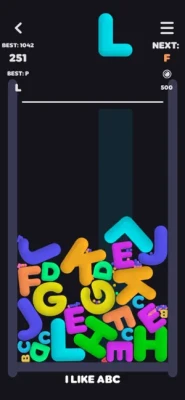
I Like ABC transforms the familiar idea of merging objects into an alphabet-based puzzle. Each letter has a place in the progression, and combining two matching letters creates the next letter in the sequence. Two A letters become a B, two Bs become a C, and the process continues toward the ultimate goal of reaching Z.
The challenge is not simply making matches. Every letter occupies space, and careless drops can leave the board crowded with pieces that are difficult to combine. Successful players need to think ahead, position letters carefully, and look for opportunities to trigger multiple merges in succession.
Beyond its main alphabet mode, I Like ABC includes number merging and math challenges. These additions make the game more than a straightforward letter puzzle, offering different ways to test your planning and problem-solving skills.
I Like ABC Game Information
Game title: I Like ABC
Developer: Tim Kretz
Genre: Casual, merge puzzle, brain game
Platforms: iPhone and iPad
Price: Free to download, with in-app purchases
Main gameplay: Drop and merge matching letters
Main objective: Progress through the alphabet and reach Z
Additional modes: Number merging, math challenges, and word puzzles
Special mechanics: Chain reactions and frozen letters
Game Center: Leaderboards and achievements supported
Languages: English, French, German, and Spanish
Minimum operating system: iOS 13.0 or later; iPadOS 13.0 or later
Age rating: 4+
Optional purchase: Remove advertisements
Main Features of I Like ABC
1. Alphabet Merge Gameplay
The central mechanic is easy to understand. Drop letters into the playing area and combine identical letters to create the next letter in the alphabet.
Every successful merge moves you one step further through the sequence. Your long-term objective is to create increasingly advanced letters until you reach Z.
2. Watermelon-Style Puzzle Mechanics
I Like ABC draws inspiration from Suika and Watermelon-style games, but replaces fruit with letters.
Like other games in this genre, the position of each piece matters. Letters can collide, shift around, and create unexpected combinations, so planning your drops is essential.
3. Satisfying Chain Reactions
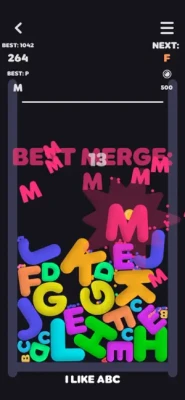
One merge can trigger another when the resulting letter meets a matching piece. These chain reactions can clear valuable space and accelerate your progress.
Learning to set up these combinations is one of the most useful skills for achieving higher scores.
4. Number Mode
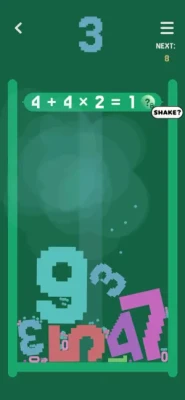
The game also features a number mode where players merge numbers and work toward larger values. This introduces a different type of progression while retaining the satisfying merge mechanic.
Players who enjoy number puzzles and mathematical challenges can switch from letters to numbers for a fresh experience.
5. Word Puzzles and Math Challenges
I Like ABC includes additional word and math challenges that expand the gameplay beyond endless merging.
These modes reward players who enjoy solving problems, recognizing patterns, and working through increasingly demanding puzzles.
6. Frozen Letters
One of the game's special mechanics involves letters freezing after a period of time. Frozen pieces can obstruct the board, making it harder to place new letters and complete combinations.
Clever merges can help heat up frozen letters again, adding another layer of planning to the game.
7. Endless Mode and High Scores
Endless gameplay lets you continue merging and aim for a personal best. Each run presents a fresh opportunity to improve your positioning, create more advanced letters, and manage the board more efficiently.
8. Achievements and Leaderboards
Game Center support provides additional goals for players who enjoy tracking achievements and competing through leaderboards.
These features give you reasons to keep improving even after you have mastered the basic controls.
Complete I Like ABC Strategy Guide
Getting Started: Learn the Alphabet Progression
Your first task is to understand how letters evolve through merging. Two identical letters combine to create the next letter in the alphabet, so every successful combination brings you closer to Z.
For example:
A + A = B
B + B = C
C + C = D
D + D = E
The same principle continues through the alphabet.
Remember that creating a higher letter usually requires building the necessary matching pairs first. The more advanced your target becomes, the more important it is to plan your moves carefully.
Tip 1: Keep Similar Letters Near Each Other
One of the most effective strategies is to position matching letters close enough to merge.
Before dropping a new piece, look at the board and identify where the same letter already exists. Aim for a placement that brings the pieces together without creating unnecessary clutter.
You will not always be able to make an immediate match, but keeping future combinations in mind helps maintain a more manageable board.
Tip 2: Build a Clear Plan for the Board
Do not drop letters randomly simply because an empty space is available.
Instead, pay attention to which areas contain matching letters and which sections are becoming crowded. Try to organize your placements so that new pieces support existing combinations.
A little planning can prevent situations where several isolated letters block your next moves.
Tip 3: Use Chain Reactions to Your Advantage
Chain reactions are among the most valuable opportunities in I Like ABC.
Imagine that two matching letters merge into a new letter, which then touches another matching piece. That second combination can create further progress without requiring another drop.
Look for arrangements that might trigger multiple merges. These sequences can produce better results than making isolated combinations one at a time.
Tip 4: Avoid Filling the Board Too Quickly
Space management is essential in merge games. If too many unrelated letters accumulate, finding useful placements becomes increasingly difficult.
Prioritize merges that reduce clutter and create room for new pieces. When choosing between two possible drops, consider which option is more likely to keep the board open.
The goal is not simply to create the highest letter possible on your next move. It is to maintain enough space to continue playing.
Tip 5: Think Several Moves Ahead
A strong move should help with both your immediate objective and your next combination.
Before dropping a letter, consider where it might land, which pieces it could touch, and what the resulting arrangement would look like.
You do not need to predict every collision perfectly. Even a basic plan for the next two or three moves can help you avoid unnecessary mistakes.
Tip 6: Manage Higher Letters Carefully
As you progress toward Z, the letters you create become more valuable to your overall strategy.
Avoid placing advanced letters in positions where they are unlikely to meet matching pieces. Instead, consider how to keep future combinations possible while preserving space for smaller letters.
When a high-level letter is created, reassess the board before making your next move.
Tip 7: Prepare for Frozen Letters
Frozen letters can disrupt an otherwise good arrangement. If you notice a piece freezing, consider how it affects the surrounding space and which combinations might help clear the obstruction.
Since clever merges can help heat frozen letters again, look for opportunities to combine nearby pieces rather than ignoring the problem.
Reacting early is generally easier than waiting until several obstacles accumulate.
Tip 8: Improve Your Drop Accuracy
Good positioning makes a major difference in a game where collisions determine your progress.
Take a moment to check the drop location before releasing a letter. Avoid placing pieces in areas that already contain too many unrelated letters unless the move serves a clear purpose.
The game has received updates aimed at improving aiming, but careful placement remains an important part of playing effectively.
Tip 9: Learn From Every Run
If your board becomes crowded and the game ends, think about the decisions that caused the problem.
Did you miss an opportunity to merge matching letters? Did you place several pieces in an area that was already difficult to manage? Could an earlier move have created a chain reaction?
Identifying one mistake at a time helps you improve your next attempt instead of repeating the same pattern.
Tip 10: Set a Clear Goal for Each Session
Rather than focusing exclusively on reaching Z, set smaller goals that help you improve consistently.
For example, you might aim to create a higher letter than in your previous run, trigger more chain reactions, or keep the board open for longer.
Small improvements help you develop a stronger understanding of the game's mechanics and make each attempt more rewarding.
Number Mode Strategy Guide
Number mode offers a different challenge because the pieces represent numerical progression rather than letters.
1. Understand the Number Rules
Start by learning which numbers combine and what value the resulting piece receives. Do not assume every detail works exactly like the alphabet mode; follow the rules displayed in the current game mode.
2. Keep Matching Numbers Accessible
As in alphabet mode, try to position matching values where they can combine. Avoid isolating useful pieces in corners or crowded areas when a better placement is available.
3. Plan Around Mathematical Challenges
When a level presents a math problem, read the objective carefully before making moves. Consider which combinations will help you achieve the required result rather than merging pieces without a specific plan.
4. Prioritize Space
Larger values can be useful, but they still occupy board space. Balance your progress toward higher numbers with the need to keep enough room for future pieces.
5. Practice Before Chasing High Scores
Spend time understanding the mode before attempting a particularly ambitious run. Learning the number progression and the way pieces interact will make your decisions more consistent.
Common Mistakes to Avoid
Dropping letters without a plan: Look for useful combinations before choosing a position.
Ignoring chain reactions: Consider whether one merge could trigger another.
Crowding one section of the board: Maintain enough open space to accommodate future pieces.
Blocking higher letters: Think about how advanced letters can eventually meet matching pieces.
Forgetting frozen letters: Pay attention to obstacles and look for combinations that can help remove them.
Chasing Z too early: Focus on efficient merges and board control rather than forcing a single outcome.
Neglecting number mode: Explore the additional mode if you want a different challenge from alphabet merging.
Is I Like ABC Difficult?
I Like ABC is easy to learn because its core rule is straightforward: combine matching letters to create the next letter in the alphabet.
However, reaching advanced letters requires careful planning. The board gradually fills up, and poorly placed pieces can make it difficult to create further combinations.
The game is particularly enjoyable for players who like puzzles that begin simply but become more demanding as they progress.
I Like ABC Pros and Cons
Pros
Original alphabet-based merge gameplay.
Familiar Watermelon-style mechanics with a fresh theme.
Satisfying combinations and chain reactions.
Additional number merging and math challenges.
Frozen-letter mechanics add variety.
Endless mode encourages high-score attempts.
Game Center achievements and leaderboards.
Free to download.
Cons
The board can become crowded quickly.
Later progression requires patience and planning.
Random drops can make a run difficult to recover.
Advertisements may interrupt gameplay.
Players who prefer story-driven games may find the experience repetitive.
Who Should Play I Like ABC?
I Like ABC is a good choice for players who enjoy casual puzzle games with simple controls and strategic depth.
It may appeal to:
Fans of Suika and Watermelon-style games.
Players who enjoy alphabet and word puzzles.
People who like number merging and math challenges.
Casual gamers looking for short, repeatable sessions.
Players who enjoy chasing high scores.
Puzzle enthusiasts who like planning and chain reactions.
If you enjoy games where every move affects the next one, I Like ABC offers a satisfying challenge.
Frequently Asked Questions
What is I Like ABC?
I Like ABC is a casual merge puzzle game developed by Tim Kretz. Players drop letters onto a board and merge identical letters to create the next character in the alphabet, with the goal of reaching Z.
How do you reach Z in I Like ABC?
Continue merging identical letters in alphabetical order. Plan your drops carefully, create chain reactions when possible, and keep enough space available to prevent the board from becoming overcrowded.
Is I Like ABC similar to the Watermelon Game?
Yes. It uses a similar drop-and-merge concept, but replaces fruit with letters. Its additional number and word challenges give it a distinct identity.
Does I Like ABC have number mode?
Yes. Number mode lets players merge numbers and tackle mathematical challenges, providing an alternative to the alphabet-based gameplay.
What are frozen letters?
Frozen letters are a special gameplay obstacle that can block space on the board. Clever combinations can help heat them up again, so players need to account for them when planning their moves.
Is I Like ABC free to play?
Yes. The game is free to download and includes in-app purchases. An optional purchase is available to remove advertisements.
Can I play I Like ABC on iPhone and iPad?
Yes. The game supports iPhone and iPad devices running iOS 13.0 or iPadOS 13.0 and later.
Does I Like ABC support achievements?
Yes. Game Center supports achievements and leaderboards, allowing players to track accomplishments and compare their performance.
What is the best strategy for I Like ABC?
Focus on accurate drops, keep matching letters near one another, make space through useful merges, and look for chain reactions. Avoid random placements that leave important letters isolated.
Is I Like ABC suitable for children?
The App Store lists the game with a 4+ age rating. Its alphabet-based mechanics are simple to understand, although advertisements and in-app purchases are also part of the experience.
Final Verdict
I Like ABC gives the familiar merge puzzle formula a creative alphabet-based twist. Its simple rules make it easy to start playing, while space management, chain reactions, and frozen letters provide enough complexity to keep each run interesting.
The addition of number mode and math challenges also gives players more variety than a basic letter-merging game.
For the best results, plan your drops, keep matching letters accessible, and prioritize combinations that open up the board. If you enjoy Watermelon-style puzzles, alphabet games, and strategic casual gameplay, I Like ABC is well worth exploring.
Rate the Game
User Reviews















Popular Games


















 Android
 iOS
iOS Windows
 Xbox
Xbox