


Latest Version
Visit PageMore About :game
The goal is to select tiles and organize them in the holding area until matching tiles can be combined and removed. Because the available holding space is limited, every move matters. Choosing the wrong tile at the wrong time can quickly make a level difficult.
The package associated with the Google Play listing is games.spearmint.tilematchhexa, and current third-party game information identifies the title as Tile Valley. The available listing information describes thousands of levels and a hexagonal tile-matching system designed around strategic play.
Game Information
Game: Tile Match Hexa
Package Name: games.spearmint.tilematchhexa
Developer: Funvent Studios DMCC
Genre: Puzzle / Tile Matching
Game Style: Hexagon tile puzzle
Platform: Android
Levels: Thousands
Tile Shape: Hexagonal
Main Mechanic: Match identical tiles
Holding Area: Limited-space tile tray
Gameplay Style: Casual and strategic
Offline Play: Available according to current third-party listing information
The available game information describes Tile Match Hexa as a casual puzzle game centered on matching pairs of hexagon-shaped tiles while managing a limited holding area.
How to Play Tile Match Hexa
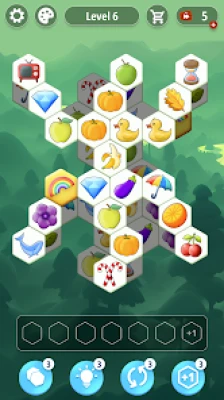
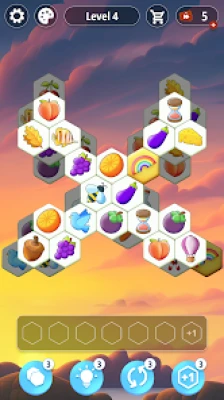
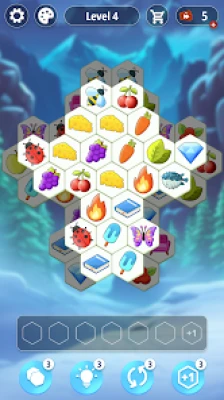
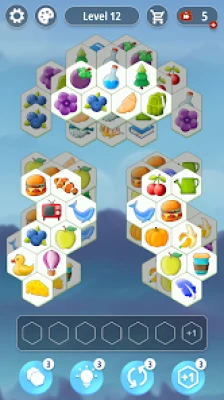
The basic idea is straightforward: select tiles from the puzzle board and place them into the holding area. When identical tiles are collected in the required combination, they are removed, creating more space and opening the board.
The challenge comes from deciding which tile to select first.
A tile that looks useful now might cover another tile that you need later. Likewise, filling the holding area with unmatched tiles can leave you with no room to make another move.
That makes Tile Match Hexa more strategic than a simple matching game.
Understanding the Hexagon Tile Board
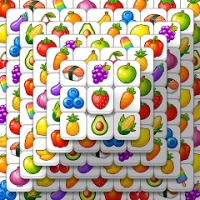
The hexagonal design gives the puzzle a distinctive appearance while changing the way you approach the board.
Tiles can overlap or restrict access to other tiles, meaning you cannot always reach the tile you want immediately.
Before selecting a tile, look at what it is covering and what could become available after it is removed.
This is one of the most important habits for progressing through difficult levels.
Full Tile Match Hexa Strategy Guide
1. Look at the Entire Board First
Do not immediately start tapping tiles.
Take a few seconds to inspect the complete layout.
Look for:
Matching tile pairs
Tiles covering useful pieces
Groups that can be opened quickly
Tiles near the top of a stack
Pieces that have several matching copies
Areas that may become accessible after one move
A short scan can prevent several bad moves later.
2. Plan Before Filling the Tray
The holding area is limited, so you should avoid selecting random tiles.
If you place several unrelated tiles into the tray, you may quickly run out of available spaces.
Before choosing a tile, ask:
Where will this tile go, and when can it be matched?
If you cannot see a realistic path toward matching it, consider another move.
3. Prioritize Tiles That Unlock Others
Some tiles are more valuable because removing them exposes additional pieces.
Suppose one tile is sitting on top of several hidden tiles. Removing it may reveal multiple new matching opportunities.
In this situation, the value of the move is not just the tile you remove—it is everything you unlock afterward.
4. Match Tiles as Soon as It Is Safe
When you have the opportunity to complete a match without damaging your future options, clearing the matching tiles is usually useful.
Removing tiles from the holding area creates additional space and reduces the chance of becoming stuck.
However, do not blindly chase every available match. Sometimes keeping a tile available can be useful for opening another part of the board.
5. Keep the Holding Area Under Control
One of the biggest mistakes in tile-matching puzzles is filling the tray too quickly.
Try to maintain several free spaces whenever possible.
A nearly full tray gives you very little room to react when an unexpected tile appears.
Keeping space available is effectively keeping options available.
6. Look for Future Matches
Do not think only about the tile you are selecting now.
Look at the tiles underneath it and around it.
If selecting one tile exposes another copy of the same design, you may have created a useful chain of moves.
This is where planning becomes more important than speed.
7. Avoid Random Tile Selection
Randomly tapping tiles may work during very easy stages, but it becomes increasingly risky on complicated boards.
Every selection should have a reason.
Good reasons include:
Completing a match
Opening a blocked area
Creating a future match
Removing a dangerous top tile
Freeing holding space
If a move does none of these things, consider waiting.
8. Clear the Board Gradually
You do not need to solve the entire level in your head.
Instead, divide the puzzle into smaller sections.
Clear one accessible area, reassess the board, and then decide what to do next.
This makes large and complicated layouts easier to manage.
Advanced Tile Match Hexa Tips
Think Several Moves Ahead
Experienced players should try to predict the consequences of each selection.
For example:
Move 1: Remove an exposed tile.
Move 2: This reveals a matching tile.
Move 3: The new tile creates a match with one already in the tray.
Move 4: The resulting space exposes another useful piece.
This type of chain thinking can turn a difficult board into a manageable one.
Protect Valuable Holding Spaces
The holding tray is one of your most important resources.
Do not fill it with tiles that have no obvious matching path.
When the tray is almost full, prioritize moves that either create an immediate match or reveal a tile that can be matched soon.
Identify High-Impact Tiles
Some tiles are strategically more important than others.
A tile that blocks several other pieces deserves attention because removing it can change the entire board.
Whenever possible, identify these high-impact tiles before making your first move.
Use a Pair as an Anchor
If you already have one tile in the holding area and know where its matching partner is, that information can guide your next move.
Instead of selecting random pieces, work toward completing known matches.
This reduces uncertainty and keeps the tray organized.
Avoid Creating Too Many Unfinished Groups
Suppose your tray contains several different tile types, each waiting for another matching piece.
You have effectively created several incomplete tasks at once.
A safer approach is to work toward finishing existing groups before adding too many new tile types.
Reassess After Every Clear
When tiles disappear, the board changes.
A move that was impossible a few seconds ago may suddenly become available.
After clearing a group, pause briefly and scan the newly exposed area.
This is particularly important on larger levels.
Beginner Tips
If you are new to Tile Match Hexa, start with these simple habits:
Look before tapping. A quick board scan can prevent mistakes.
Keep tray space open. Empty spaces give you flexibility.
Match whenever it is safe. Clearing tiles makes the puzzle easier to manage.
Open blocked areas. Removing accessible tiles can reveal better options.
Avoid random moves. Every selection should have a purpose.
Watch what you uncover. Newly exposed tiles can determine your next move.
Think ahead. Even one move of planning can make a major difference.
How to Solve Difficult Tile Match Hexa Levels
When a level becomes difficult, slow down rather than tapping faster.
First, examine the holding area. Determine which tiles already have potential matches.
Next, inspect the board for tiles that are preventing access to other pieces.
Then identify the safest move that creates either a match or additional space.
If several choices are available, prefer the move that gives you the most future options.
A strong difficult-level strategy is:
Open → Match → Clear → Reassess → Repeat
This approach prevents the board from becoming unnecessarily crowded.
Why the Hexagon Design Matters
The hexagonal tile layout gives the game a different feel from conventional square tile puzzles.
The shape makes the board visually distinctive, while the layered arrangement encourages players to think about accessibility and tile order.
You are not simply searching for identical pictures. You are deciding which identical pieces can be reached and when they should be removed.
That combination gives the game its strategic character.
Tile Match Hexa Features
Hexagon Tile Matching
The game uses hexagon-shaped tiles as the foundation of its puzzle boards.
Thousands of Levels
Current third-party game information describes a large collection of levels, giving players plenty of puzzles to work through.
Limited Holding Area
The holding area forces you to think carefully about the order in which tiles are selected. Current game information describes a six-tile holding board.
Strategic Matching
Rather than simply matching whatever is immediately visible, you need to plan selections so that the holding area does not become blocked.
Relaxing Puzzle Style
The game combines casual tile matching with a slower, more thoughtful puzzle experience.
Difficulty and Progression
Tile Match Hexa starts with straightforward puzzles that help players understand the basic matching system.
As the levels become more complex, the challenge shifts toward planning.
You may encounter layouts where:
Matching tiles are separated
Useful pieces are hidden
The holding area becomes difficult to manage
Several possible moves compete for attention
One incorrect selection can create a difficult position
The later stages therefore reward patience and careful observation.
Is Tile Match Hexa a Good Puzzle Game?
Tile Match Hexa is aimed at players who enjoy casual matching games but want more decision-making than simple tap-to-match gameplay.
Its hexagonal boards and limited holding area make each selection meaningful. The game is particularly suited to players who enjoy relaxing puzzle sessions where success depends on planning rather than reflexes.
Tile Match Hexa Review
Tile Match Hexa takes a familiar tile-matching concept and adds a strategic layer through hexagonal boards and limited holding space.
The basic rules are easy to understand, making the game accessible to casual players. The real challenge appears when the board becomes crowded and you need to decide which tiles should be removed first.
The most important skill is not simply recognizing matching tiles. It is understanding tile order.
A good player constantly considers what each move will reveal, how much holding space remains, and whether the next few moves can be completed safely.
For players who enjoy relaxing matching puzzles with a strategic element, the game's hexagonal format provides a different take on the genre.
Frequently Asked Questions
What is Tile Match Hexa?
Tile Match Hexa is a casual tile-matching puzzle game based on hexagon-shaped tiles. Players select tiles, organize them in a limited holding area, and create matches to clear the board.
What is the package name for Tile Match Hexa?
The Android package name is games.spearmint.tilematchhexa.
How does Tile Match Hexa work?
You select tiles from the board and place them in the holding area. Matching tiles can then be cleared, allowing you to expose and remove more pieces.
How many tiles can the holding area contain?
Available game information describes a holding area that can accommodate up to six tiles.
How many levels does Tile Match Hexa have?
Current third-party information describes the game as having thousands of levels.
Is Tile Match Hexa relaxing?
The game is designed around casual tile matching and strategic planning rather than fast action, making it suitable for relaxed puzzle sessions.
What is the best strategy for Tile Match Hexa?
Keep the holding area from becoming crowded, prioritize tiles that unlock other pieces, complete safe matches, and think about the consequences of each selection before tapping.
Best Tile Match Hexa Strategy
For a quick reminder while playing, follow these rules:
Scan the entire board.
Identify obvious matching tiles.
Check which tiles are blocking others.
Keep several holding spaces available.
Complete safe matches.
Prioritize moves that reveal new tiles.
Avoid collecting too many unmatched pieces.
Recheck the board after every major clear.
Think at least one or two moves ahead.
Choose flexibility over short-term gains.
The most important rule is simple:
Do not ask only, "Which tiles match?" Ask, "Which match gives me the best next move?"
Rate the Game
User Reviews












Popular Games



















 Android
 iOS
iOS Windows
 Xbox
Xbox