

Latest Version
September 22, 2026
THQ Nordic Mobile GmbH
Simulation
iOS
0
Report a Problem
More About :game
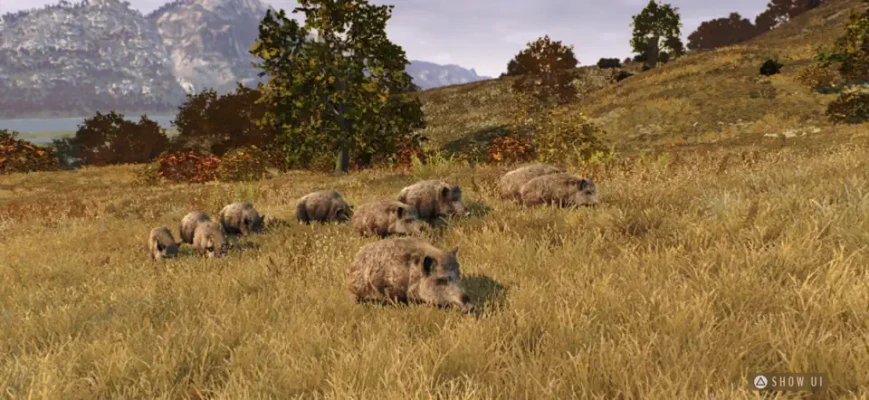
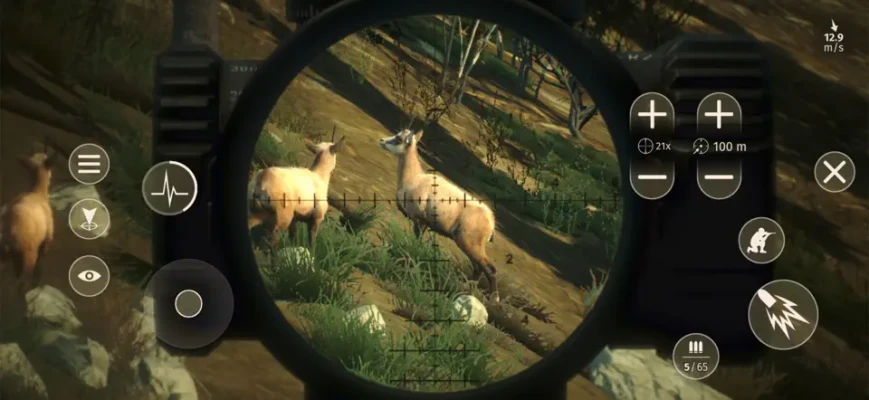
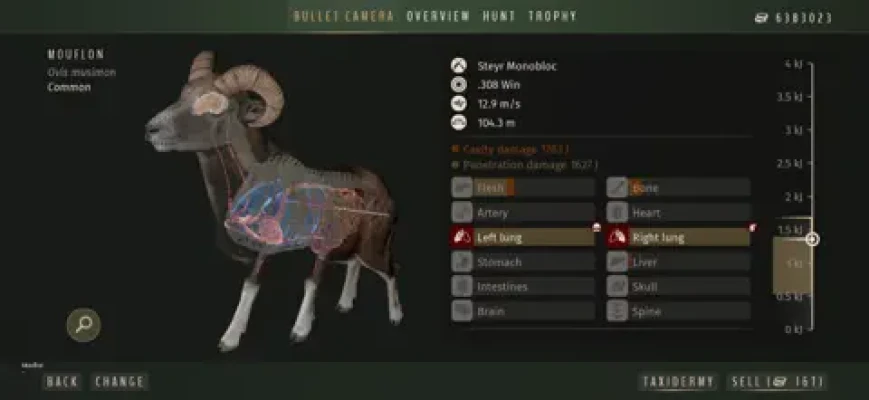
The mobile game features 15 wildlife species, including red deer, chamois, wild boar, mouflon, brown bears, golden jackals and graylag geese. Dynamic weather, changing winds, realistic ballistics and a day-night cycle make every hunting trip different.
Rather than simply running around looking for animals, you'll need to read tracks, analyze blood trails, study animal behavior, select appropriate equipment and make controlled shots.
Game Information
| Feature | Details |
|---|---|
| Game | WotH Wild Europe Try & Buy |
| Series | Way of the Hunter |
| Genre | Hunting Simulation |
| Setting | Eastern Europe / Transylvania |
| Developer | Nine Rocks Games |
| Publisher | HandyGames / THQ Nordic |
| iPhone & iPad | Yes |
| Category | Simulation |
| Age Rating | 13+ |
| Game Size | About 2.3 GB |
| Required iOS | iOS 15.0 or later |
| Required Chip | A12 Bionic or later |
| Controller Support | Yes |
| Wildlife | 15 unique species |
| Weather | Dynamic |
| Day/Night Cycle | Yes |
| Ballistics | Advanced |
| Photo Mode | Yes |
| Business Model | Free trial + in-app purchases |
The current App Store listing states that the game requires iOS 15 or later and an A12 Bionic chip or newer. It supports both iPhone and iPad and is compatible with game controllers.
Explore the Wilds of Transylvania
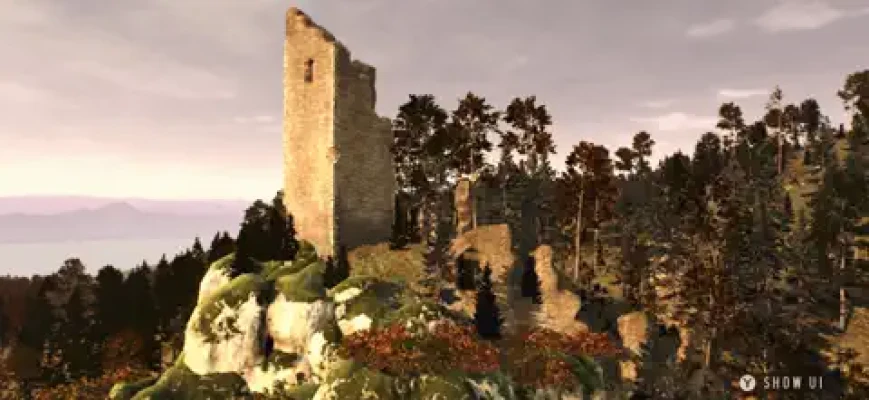
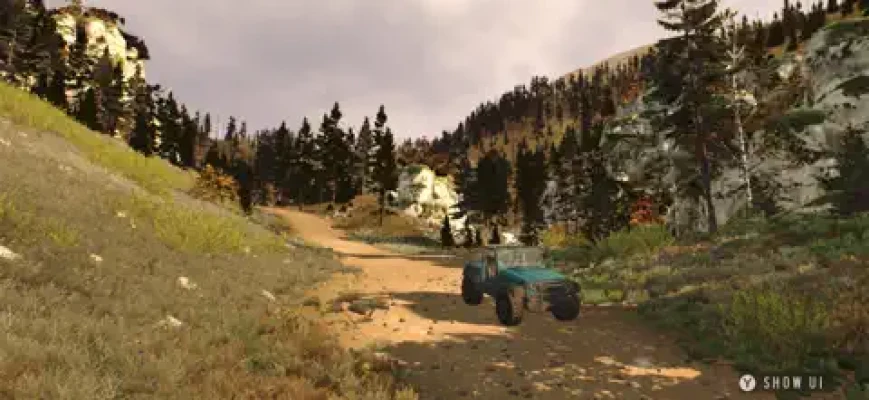
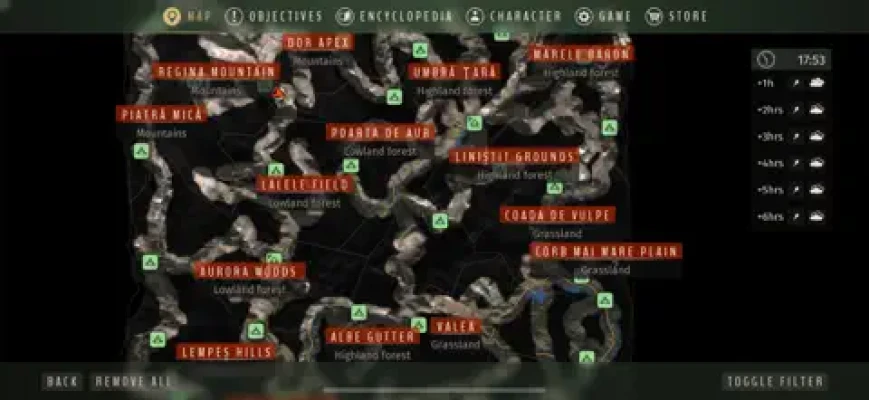
The main setting is the wilderness of Transylvania, with several distinct environments to explore.
You'll encounter:
- Mountain peaks
- Rocky slopes
- Dense forests
- Open grasslands
- Valley meadows
- Wildlife-rich wilderness areas
Different environments change how you approach a hunt. Mountainous areas can make spotting animals easier from elevated positions, while forests can provide concealment but reduce visibility.
The game is designed around exploration as much as shooting. You can follow the narrative or simply explore the wilderness at your own pace.
Wildlife and Animal Behavior
Wildlife is central to the experience.
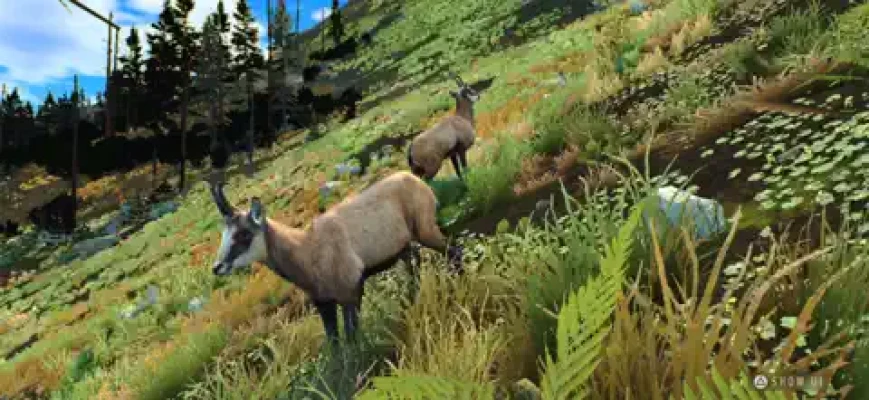
The current mobile version lists 15 unique species with lifelike behavior and animations.
Animals mentioned in the current game description include:
- Red deer
- Chamois
- Wild boar
- Mouflon
- Brown bear
- Golden jackal
- Graylag goose
Different animals require different approaches.
A large animal in an open meadow may be easier to identify from a distance, while a smaller or more cautious animal in dense woodland can require considerably more patience.
Hunting Gameplay
The core hunting loop is:
Explore → Locate → Track → Identify → Position → Aim → Shoot → Analyze → Recover
Each step matters.
Finding an animal is only the beginning. Once you identify potential prey, you need to determine its direction, distance, movement and behavior.
A rushed shot can turn an easy hunt into a long tracking exercise.
Hunter Sense
Hunter Sense is one of the tools designed to help you understand the environment and locate important hunting information.
Use it as an aid rather than relying on it constantly.
A good habit is:
- Search normally.
- Observe your surroundings.
- Look for signs of animals.
- Use Hunter Sense when necessary.
- Confirm the animal's position visually.
- Plan your approach.
This keeps the hunt more immersive while still giving you useful assistance when you're stuck.
Blood Trail Analysis
Blood trail analysis becomes especially important when an animal doesn't immediately go down.
After taking a shot, don't immediately assume the animal escaped.
Look carefully for:
- Blood
- Direction of travel
- Signs of injury
- Changes in the trail
- Terrain clues
- Tracks
Follow the evidence rather than randomly searching.
If the trail appears to change direction, slow down and reassess the area.
Full Strategy Guide
1. Don't Shoot the First Animal You See
One of the easiest mistakes for beginners is firing immediately.
Instead, take a moment to study the animal.
Ask:
- What species is it?
- How far away is it?
- Is it moving?
- Is there a clear shot?
- What angle is it presenting?
- Is another animal nearby?
- Can you get into a better position?
A few extra seconds of observation can make the difference between a clean hunt and a difficult tracking sequence.
2. Use the Wind to Your Advantage
Wind is an important part of the game's simulation.
The current App Store description specifically highlights real-time wind simulation.
Before approaching an animal, consider the wind direction.
If your approach makes your presence easier for the animal to detect, you're giving yourself a major disadvantage.
Better approach
Check wind → choose approach direction → move slowly → stop frequently → observe
Don't treat wind as background information. Incorporate it into your route.
3. Study the Terrain
Terrain determines visibility.
Mountains
Use elevation to survey large areas, but be careful about difficult movement and long-distance shots.
Forests
Forests provide concealment but can make it difficult to see animals.
Grasslands
Open areas provide excellent visibility, but animals may also have a clear view of you.
Valleys
Valleys can create excellent hunting opportunities, particularly when animals move between feeding and resting areas.
4. Learn to Recognize Animal Movement
Animals aren't simply targets standing in predetermined locations.
Pay attention to movement patterns.
An animal that repeatedly moves through the same area may be using a route between feeding, resting or other activity areas.
Once you've recognized a pattern, you can position yourself ahead of the route rather than chasing the animal.
5. Don't Rush Your Shot
A clean shot is more valuable than a fast shot.
Before firing:
Stop → steady your aim → confirm distance → check angle → identify the target → fire
If the animal is moving unpredictably, waiting for a better opportunity can be smarter than attempting a difficult shot.
6. Understand Ballistics
The game features advanced ballistics, so long-distance shooting requires more thought than simply placing the crosshair on an animal.
At longer distances, consider:
- Distance
- Bullet trajectory
- Wind
- Target movement
- Shooting angle
- Weapon choice
Practice with your equipment before attempting difficult trophy hunts.
7. Choose the Right Equipment
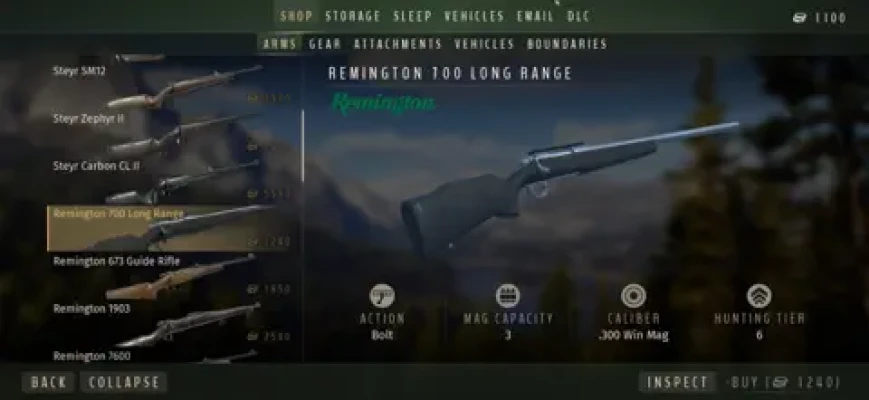
The game includes a range of equipment and licensed firearms.
Don't choose equipment simply because it looks powerful.
Think about:
Animal → Distance → Terrain → Shot opportunity → Appropriate weapon
A weapon suited to the animal and hunting situation will make your hunt considerably easier.
8. Use Cover
Avoid unnecessarily crossing open terrain when you're trying to approach cautious wildlife.
Use:
- Trees
- Bushes
- Terrain elevation
- Rocks
- Natural landscape features
Move between areas of cover instead of exposing yourself continuously.
9. Move Slowly Near Wildlife
Fast movement can ruin a carefully planned approach.
When you're close to an animal:
- Slow down.
- Stop frequently.
- Check your surroundings.
- Watch the animal.
- Reassess the wind.
- Avoid unnecessary movement.
Patience is one of the most important skills in the game.
10. Use the Day-Night Cycle
The game features a full day-night cycle.
Instead of hunting at exactly the same time every trip, experiment with different periods.
Changing light conditions affect how easy it is to spot animals and navigate the environment.
Early and late periods can also create beautiful photographic opportunities.
11. Treat Weather as Part of the Hunt
Dynamic weather isn't merely cosmetic.
Changing conditions can alter visibility and the way you approach an area.
When conditions change:
Stop → reassess visibility → check wind → modify your route
Don't continue following a plan that depended on weather conditions that no longer exist.
12. What to Do After a Bad Shot
Don't panic.
If an animal runs away:
- Stop moving.
- Identify where it was standing.
- Look for blood.
- Determine the direction it traveled.
- Follow the trail slowly.
- Use Hunter Sense when appropriate.
- Reassess after every clue.
Running blindly after an animal can make the trail much harder to follow.
13. Make Blood Trails Your Evidence
Blood isn't simply a visual effect.
Treat it as information.
Look at where the trail begins and where it continues.
If the animal has traveled downhill, across a clearing or into vegetation, follow its route systematically.
If you lose the trail, return to the last confirmed location rather than searching randomly across a huge area.
14. Don't Ignore Smaller Wildlife
It's tempting to focus on the largest animals.
But hunting smaller species can help you practice:
- Tracking
- Positioning
- Weapon selection
- Shot placement
- Wind awareness
- Patience
Use easier hunts to develop skills before attempting more challenging animals.
15. Use Photo Mode
The game includes an enhanced photo mode for capturing and sharing moments from the wilderness.
You don't have to make every trip about taking a shot.
Sometimes the best screenshots come from:
- Mountain sunsets
- Animals crossing open fields
- Foggy forests
- Wildlife at a distance
- Scenic valleys
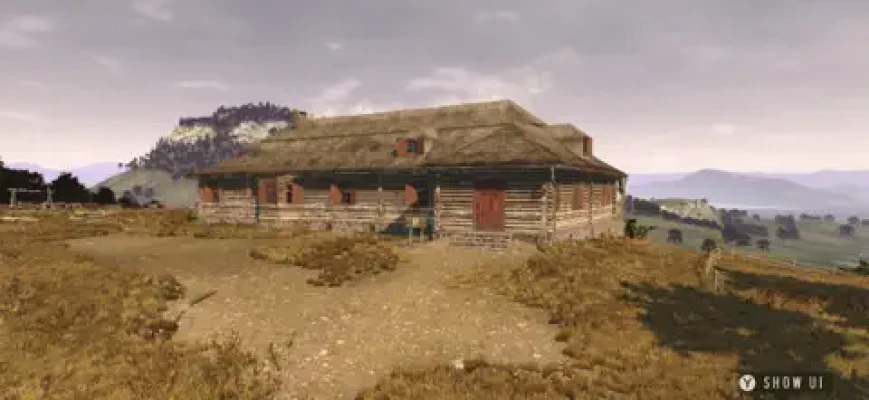
- Hunting camps and equipment
Trophy Hunting Tips
If you're specifically interested in trophy animals, slow down even further.
Before the hunt
- Identify the target.
- Study the terrain.
- Choose appropriate equipment.
- Plan your approach.
- Check the wind.
During the hunt
- Avoid unnecessary movement.
- Maintain distance.
- Wait for a clean opportunity.
- Don't fire simply because the animal is visible.
After the shot
- Analyze the result.
- Follow the blood trail.
- Recover the animal.
- Review what happened.
The goal is not simply to shoot more animals. It's to improve the quality of each hunt.
Beginner Hunting Route
A good beginner routine looks like this:
Step 1 — Explore
Walk through a new area and learn its terrain.
Step 2 — Observe
Look for animals without immediately engaging.
Step 3 — Track
Follow signs and movement patterns.
Step 4 — Position
Get into a favorable location using terrain and cover.
Step 5 — Check Wind
Make sure your approach isn't unnecessarily exposing you.
Step 6 — Identify
Confirm species and target.
Step 7 — Aim
Take your time.
Step 8 — Shoot
Only when the opportunity is appropriate.
Step 9 — Track
If necessary, follow the blood trail.
Step 10 — Learn
Use every hunt to improve your next one.
Common Beginner Mistakes
Shooting Too Quickly
Seeing an animal doesn't mean you have to shoot immediately.
Ignoring Wind
Wind can affect how you approach wildlife and is part of the game's simulation.
Running After Animals
A frantic chase can make tracking more difficult.
Taking Difficult Long-Range Shots
Practice before attempting challenging shots.
Ignoring Terrain
A better position can be more valuable than a better weapon.
Forgetting Equipment
Going into the wilderness without thinking about the appropriate equipment can limit your options.
Relying Too Heavily on Assistance
Hunter Sense is useful, but learning to read the environment makes you a better hunter.
Best Hunting Strategy
The most useful overall approach is:
Patience + Positioning + Wind + Shot Selection
Don't think of the game as a conventional shooter.
You're not trying to eliminate enemies as quickly as possible.
You're trying to understand the environment and make one carefully planned shot.
That difference is what gives WotH Wild Europe its hunting-simulation character.
Mobile Controls and Controller Support
The current iOS version supports game controllers in addition to its mobile controls.
For players who find precision aiming difficult on a touchscreen, a compatible controller can provide a more traditional console-style control experience.
The App Store also lists iPhone and iPad support, although the game is relatively demanding, requiring an A12 Bionic chip or later.
Current iOS Version and Updates
The App Store currently lists version 1.0.12. The version history includes fixes for problems involving falling through the map, disappearing vehicles and fast travel, as well as other map-related issues.
This is useful to mention on your page because the mobile version is actively distinct from older descriptions of Way of the Hunter on PC and consoles.
Is WotH Wild Europe Free?
The iOS version is listed as Free with In-App Purchases and uses a Try & Buy model. Players can try the experience before upgrading to the full game.
The current App Store listing also shows optional purchases including the full game and additional equipment packs.
WotH Wild Europe: Try & Buy – Honest Overview
This is a hunting game for players who enjoy slow, deliberate gameplay rather than fast shooting.
Its main strengths come from the combination of:
- Open-world exploration
- Wildlife behavior
- Tracking
- Ballistics
- Wind simulation
- Dynamic weather
- Day/night cycle
- Different environments
- Equipment selection
- Trophy hunting
- Photo mode
The current App Store listing shows a 3.5/5 rating from 36 ratings, so the player feedback is still relatively limited on iOS. Some current reviews mention performance, loading and control concerns, while the developer has also responded to device-compatibility feedback.
That makes it useful to set realistic expectations: this is a demanding mobile simulation rather than a lightweight arcade hunting game.
Frequently Asked Questions
What is WotH Wild Europe Try & Buy?
It is a mobile hunting simulation in the Way of the Hunter series, set in the wilderness of Eastern Europe and Transylvania.
Where does WotH Wild Europe take place?
The game takes place in the wilderness of Transylvania, featuring mountains, forests, grasslands and valleys.
How many animal species are in WotH Wild Europe?
The current App Store description lists 15 unique wildlife species.
Does WotH Wild Europe have bears?
Yes. Brown bears are among the wildlife mentioned in the current game description.
Does WotH Wild Europe have deer?
Yes. Red deer are one of the species featured in the game.
Does WotH Wild Europe have realistic ballistics?
Yes. The game features advanced ballistics and real-time wind simulation.
Does WotH Wild Europe have a day-night cycle?
Yes. The current iOS listing specifically identifies a day-night cycle as one of the game's features.
Does WotH Wild Europe support controllers?
Yes. The App Store lists controller support.
What iPhone is required?
The current listing requires iOS 15.0 or later and an A12 Bionic chip or newer.
How large is WotH Wild Europe on iOS?
The current App Store listing reports approximately 2.3 GB.
Is WotH Wild Europe the same as the PC version?
It is a mobile entry in the Way of the Hunter series rather than simply a web-based game. The mobile listing includes its own controls, mobile optimization and Try & Buy model.
Rate the Game
User Reviews













Popular Games



















 Android
 iOS
iOS Windows
 Xbox
Xbox