
Latest Version
February 15, 2026
My Town Games Ltd
Simulation
0
Report a Problem
More About :game
Unlike traditional games, there is no requirement to defeat enemies or complete difficult levels. The experience is built around creative play, exploration, imagination, character interaction, and storytelling. The game is designed primarily for children ages 4–12 and supports offline play.
Wonderland: Beauty & the Beast Overview
Wonderland brings the classic fairy-tale atmosphere into a digital dollhouse where children can decide what happens next. Instead of following a strict mission structure, players can move between locations, interact with objects, change characters' clothes, and invent their own scenarios.
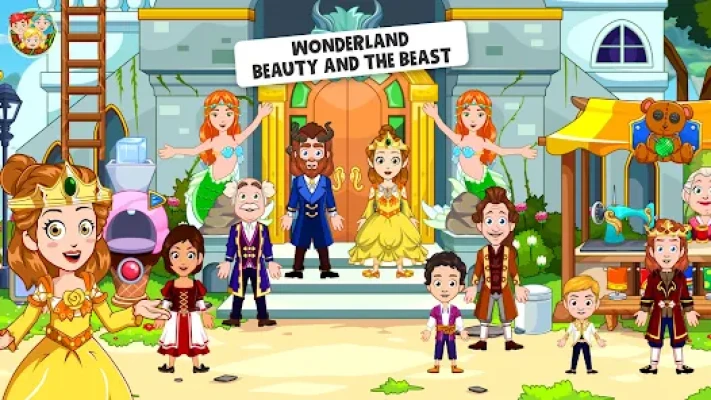
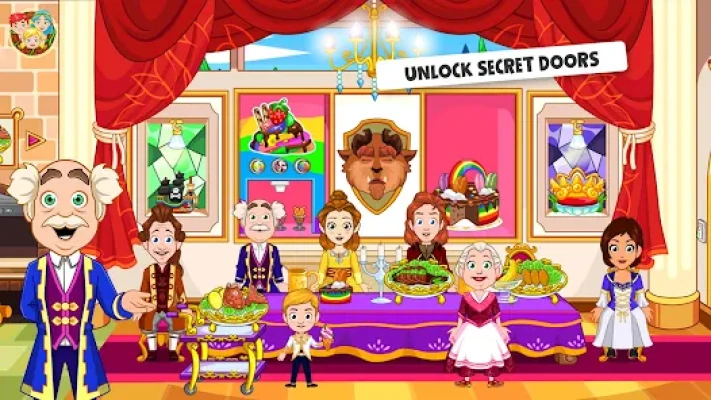
The main setting includes a fairy-tale castle, palace areas, pony playground, secret rooms, ballroom, dining areas, and other interactive locations. The game encourages children to explore rather than simply follow a predetermined storyline.
The game is published by My Town Games Ltd and is listed on Google Play as a Simulation/Casual title. It supports single-player and offline gameplay and has a Everyone content rating.
Story and Fairy-Tale Setting
The story takes place in the My Town Wonderland Kingdom, where the Beast is waiting for his true love and the Prince is hoping to meet his Princess.
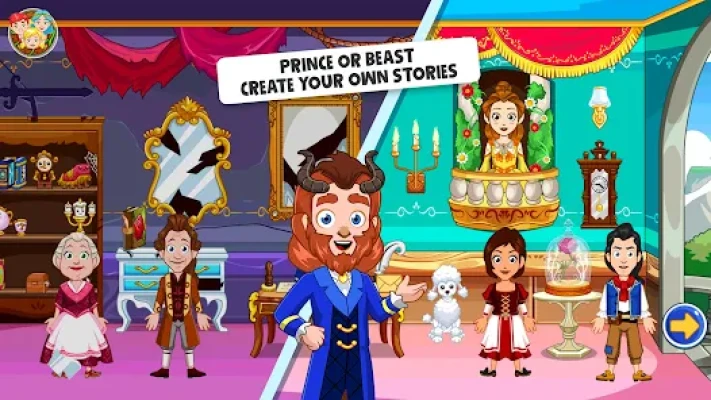
Rather than presenting the story as a fixed campaign, Wonderland gives children the tools to create their own version of the fairy tale. One play session might become a royal dinner, another could turn into a castle party, while another might involve searching mysterious rooms for hidden treasure.
This open-ended approach makes the game feel more like an interactive dollhouse than a conventional adventure game.
Main Locations to Explore
Wonderland Castle
The castle is the heart of the game. Explore its rooms, interact with objects, move characters around, and look carefully for areas that may contain something interesting.
Don't rush through the castle. One of the enjoyable parts of Wonderland is discovering what each room can be used for when creating your own story.
Palace and Hidden Areas
The palace contains opportunities for exploration and storytelling. Hidden doors and secret areas encourage players to investigate rather than simply remain in one location.
When exploring, check rooms carefully and experiment with interactive objects.
Pony Playground
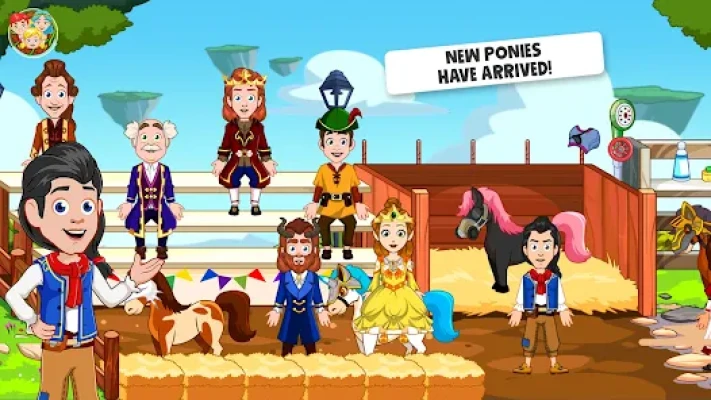
The pony area adds another layer of pretend play. Children can choose ponies and incorporate them into their own fantasy scenarios.
Try combining the pony area with castle adventures to create a larger story involving the royal characters and their animals.
Ballroom
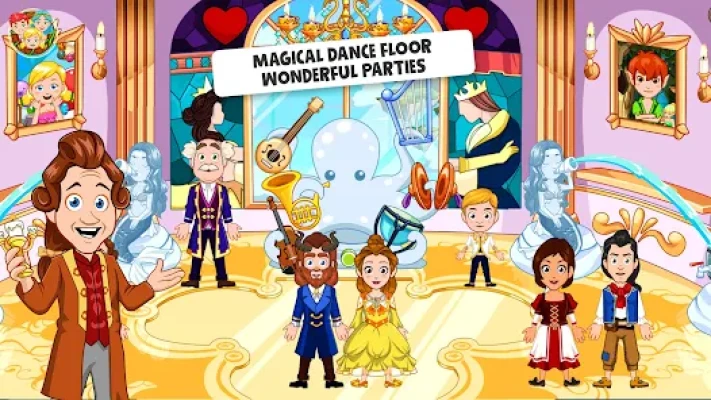
The ballroom provides an ideal setting for creating a royal celebration. Players can arrange characters for a dance, party, or fairy-tale event.
It is one of the best locations for creating stories involving the Prince, Princess, Beauty, and Beast.
Main Gameplay Features
Create Your Own Stories
The biggest strength of Wonderland is freedom. There isn't a single correct way to play.
Players can create:
Royal family stories
Beauty and the Beast adventures
Castle parties
Dinner scenes
Dress-up stories
Pony adventures
Treasure hunts
Ballroom celebrations
Mystery stories
Friendship adventures
Dress-Up and Character Play
Characters can be dressed in different clothes and costumes, allowing players to change the appearance and role of characters within their stories.
Dress-up can also be used as part of storytelling. For example, a character can be prepared for a royal dinner, a castle party, or a magical dance.
Character Interaction
The game includes multiple characters that can be moved around the environment.
Experiment with different combinations of characters and locations rather than keeping everyone in one room.
Hidden Treasure Hunting
Hidden treasure is one of the game's exploration elements.
Instead of simply walking through the castle, investigate doors, rooms, objects, and less obvious areas. Treasure hunting can turn a normal exploration session into a small mystery adventure.
Multiplayer-Style Same-Screen Interaction
The game supports multitouch interaction, allowing more than one person to interact with the game on the same screen. This makes it suitable for shared pretend-play sessions.
Complete Strategy Guide
1. Explore Before Creating a Story
When starting the game, don't immediately focus on creating a complicated scenario.
First, explore the castle and surrounding areas.
Look for:
New rooms
Hidden doors
Interactive objects
Characters
Clothing
Treasure
Pony areas
Ballroom locations
Learning the environment first makes later storytelling much easier.
2. Learn What Each Room Is Good For
Every room can serve a different purpose in your story.
For example:
Dining room: royal dinner or family gathering
Ballroom: dancing, celebrations, and parties
Castle rooms: character conversations and discoveries
Pony area: animal adventures
Secret rooms: mystery and treasure stories
Think of each room as a stage rather than simply another location.
3. Experiment With Characters
Don't assume that characters need to remain in their original locations.
Move characters between rooms and see how different combinations change the story.
For example, you could create a story where:
The Prince prepares for a royal dinner.
The Princess arrives at the castle.
The Beast appears unexpectedly.
Everyone moves to the ballroom.
A secret treasure is discovered.
The characters celebrate together.
There is no single correct storyline.
4. Use Dress-Up to Strengthen the Story
Costumes work best when they have a purpose.
Instead of changing clothes randomly, create themes such as:
Royal wedding
Castle dinner
Fairy-tale party
Ballroom dance
Royal adventure
Pony celebration
This makes dress-up part of the role-playing experience rather than a separate activity.
5. Search for Hidden Areas
One of the most rewarding exploration habits is checking areas that you might normally ignore.
Pay attention to:
Doors
Corners
Shelves
Furniture
Containers
Separate rooms
Unusual objects
If something looks interactive, try moving or tapping it.
6. Create a Treasure Hunt
You can turn the castle into your own treasure-hunting adventure.
A simple structure is:
Step 1: Choose a character to become the explorer.
Step 2: Pick a treasure or reward.
Step 3: Decide where the treasure is hidden.
Step 4: Create clues using different rooms.
Step 5: Move the character through the castle.
Step 6: Finish the story when the treasure is discovered.
This is particularly effective because the game doesn't require a fixed winning condition.
7. Make the Ballroom the Final Scene
For a longer story, use the ballroom as the final destination.
After exploring the castle and completing your imaginary adventure, bring the characters together for a celebration.
This gives your story a natural beginning, middle, and ending.
8. Use the Pony Area for Side Stories
The pony playground can function as a separate chapter in your adventure.
For example, the royal characters could discover a missing pony, search the castle grounds, and eventually return to the playground for a celebration.
This approach helps keep longer play sessions interesting.
9. Play With Another Person
Because the game supports multitouch interaction, two people can participate in the same play session.
One person can control the Prince and Princess while another controls the Beast or other characters.
You can also divide the castle into different areas and create a story together.
10. Don't Look for Traditional Victory Conditions
Wonderland isn't designed around winning battles, defeating bosses, or completing a traditional campaign.
The Google Play description specifically presents the game as an experience without winning or losing.
The objective is essentially creative exploration and pretend play.
That means the best strategy is to experiment rather than search for a conventional walkthrough.
Best Tips for New Players
Explore the entire castle before settling into a story.
Check hidden rooms and doors.
Experiment with different character combinations.
Use costumes to create themed stories.
Include the ponies in longer adventures.
Use the ballroom for parties and endings.
Try different rooms instead of staying in one location.
Create treasure hunts for additional exploration.
Play together using the multitouch feature.
Let the story develop naturally instead of searching for one correct solution.
Is Wonderland: Beauty & the Beast Difficult?
No. The game is designed around casual exploration and creative role-play rather than challenge.
There are no conventional combat encounters, difficult bosses, or demanding level mechanics. The lack of a traditional win-or-lose system makes it accessible to younger players.
The recommended age range provided by the developer is 4–12 years.
Does the Game Have a Traditional Campaign?
Not in the usual sense.
Instead of completing numbered stages, players explore the world and create their own scenarios.
This makes the experience closer to an interactive digital dollhouse than a traditional story-driven adventure game.
Offline Gameplay
Google Play currently lists Wonderland: Beauty & the Beast as an offline game, making it suitable for play without a continuous internet connection.
Platforms and Game Information
Game: Wonderland: Beauty & the Beast
Developer: My Town Games Ltd
Genre: Simulation / Casual
Style: Digital dollhouse / role-playing / pretend play
Players: Single player
Multitouch: Supported
Offline: Yes
Age Rating: Everyone
Recommended Age: 4–12
Platform: Android; also listed as available through Google Play Games on Windows
Monetization: Contains ads and in-app purchases
Google Play Downloads: 5M+
Google Play Rating: About 4.3 stars
Latest listed update: September 2026
Honest Review: What Makes the Game Fun?
The strongest part of Wonderland is its freedom.
Children aren't forced to follow a particular route. They can invent stories, move characters between rooms, experiment with costumes, explore the castle, and create their own fairy-tale scenarios.
The visual style also fits the concept well. The game feels like a digital dollhouse where every room can become part of a new story.
The lack of traditional objectives can be either a strength or a weakness. Players looking for combat, levels, competitive challenges, or a structured campaign may find the experience too open-ended.
There have also been player reports mentioning missing characters or technical problems in older reviews, so individual experiences can vary. The developer has continued releasing updates and bug fixes.
Pros and Cons
Pros
Charming Beauty and the Beast theme
Large castle environment to explore
Open-ended role-playing
Dress-up and costume options
Hidden areas and treasure
Pony playground
Ballroom and party scenarios
Multitouch interaction
Offline gameplay
Suitable for younger players
Encourages imagination and storytelling
Cons
No traditional campaign or level progression
No conventional combat or competitive gameplay
Some content may involve in-app purchases
Older player reviews mention occasional missing characters or technical issues
Who Should Play Wonderland: Beauty & the Beast?
This game is a particularly good fit for children who enjoy:
Fairy tales
Beauty and the Beast stories
Princess games
Prince and castle adventures
Dress-up games
Dollhouse games
Pretend play
Creative storytelling
Pony games
Exploring magical worlds
It is less suitable for players specifically looking for action, combat, puzzles, competitive multiplayer, or traditional RPG progression.
Frequently Asked Questions
Is Wonderland: Beauty & the Beast free?
The game is available on Google Play with ads and in-app purchases.
What age is Wonderland: Beauty & the Beast for?
The developer recommends My Town free adventure games for children around 4–12 years old, and Google Play currently gives the game an Everyone rating.
Can you play Wonderland: Beauty & the Beast offline?
Yes. Google Play currently lists the game as offline.
Is there combat in Wonderland: Beauty & the Beast?
No traditional combat system is central to the game. The focus is on exploration, role-playing, dress-up, and storytelling.
Can you play with another person?
The game supports multitouch interaction, allowing players to interact with the game together on the same screen.
What can you do in the castle?
You can explore rooms, move characters, interact with objects, create stories, search for hidden areas, dress characters, and organize imaginary events.
Can you find hidden treasure?
Yes. Hidden treasure is one of the exploration elements highlighted in the game description.
Does the game have Beauty and the Beast characters?
Yes. The game is built around the Beauty and the Beast fairy-tale theme and includes characters associated with the story.
Is there a winning or losing system?
No. The game is designed around free-form pretend play rather than conventional victory and defeat.
Final Verdict
Wonderland: Beauty & the Beast is best viewed as a creative fairy-tale playground rather than a traditional adventure game. Its castle, characters, costumes, ponies, hidden areas, and ballroom give children plenty of tools for inventing their own stories.
For younger players who enjoy dollhouse games, princess adventures, dress-up games, fairy tales, and imaginative role-play, Wonderland offers a relaxed and accessible experience. Players expecting missions, combat, difficult puzzles, or conventional progression should understand that the game takes a completely different approach.
With its open-ended gameplay and offline support, it works particularly well for short creative sessions or longer storytelling sessions where children can decide what happens next.
Rate the Game
User Reviews
"Wonderland Beauty and the Beast"
Becky Glaser
3 weeks ago
Princess belle beast and all her family and friends














Popular Games



















 Android
 iOS
 Windows
 Xbox