


Latest Version
October 23, 2026
Lion Studios
Simulation
Android
0
com.chitralekha.tinyiron
Report a Problem
More About :game
Chores! Game Overview
Chores! takes familiar household responsibilities and turns them into a collection of short, satisfying challenges. Instead of simply following a cleaning routine, players interact with different objects, complete small tasks, and work toward finishing each activity correctly.
Developed by Lion Studios, Chores! offers a playful approach to everyday jobs. The game includes a variety of activities that test observation, timing, coordination, and accuracy. Some challenges require players to clean a surface thoroughly, while others involve matching items, handling household objects, or performing an action at just the right moment.
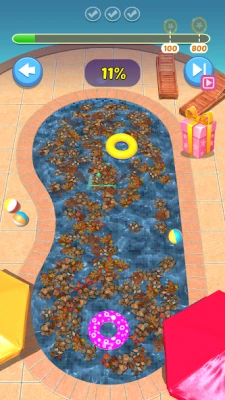
The variety is a major part of the experience. One level may ask you to find matching socks, while another challenges you to pour cereal into a bowl without spilling. Other activities involve ironing clothes, washing, mowing, raking, and organizing untidy spaces.
The controls are designed to be accessible, making the game suitable for casual players who want something easy to pick up. However, completing each activity successfully still requires attention to detail. A rushed movement or poorly timed action can lead to mistakes, so learning how each task works is an important part of the fun.
Chores! is particularly appealing to players who enjoy relaxing mini-games, simple objectives, and the satisfaction of turning a messy situation into a clean and organized result.
How to Play Chores!
The main objective is to complete the household task presented in each level. Every activity has its own goal, so the first step is to understand what needs to be done before interacting with the objects on the screen.
Most challenges rely on simple touch gestures. Depending on the activity, you may need to swipe across a dirty surface, drag items into matching positions, move an object into place, or control the timing of an action.
For cleaning tasks, focus on the areas that need attention and use deliberate movements. For matching activities, compare the available items carefully before dragging them together. For pouring challenges, watch the flow and adjust your action to avoid spilling the contents.
After completing a task, the game moves you toward another household activity. The changing objectives keep the experience fresh and encourage you to learn different techniques instead of relying on one control method throughout the game.
Chores! Gameplay Features
Variety of Household Mini-Games
Chores! features a range of everyday activities, each with a different objective. Players can clean, iron, wash, mow, rake, organize objects, match items, and complete other domestic tasks. This variety makes each new challenge feel different from the previous one.
Simple Swipe and Drag Controls
The game uses straightforward touch controls that are easy to understand. Swiping is useful for activities that involve cleaning or moving across a surface, while dragging helps players position objects and match items. These accessible controls allow players to focus on completing the task rather than learning complicated button combinations.
Realistic-Looking Household Activities
The game's visual presentation emphasizes familiar objects and everyday environments. Clothing, cleaning tools, food items, and household surfaces make the activities recognizable. The visual feedback also helps players see the results of their actions as they work through each challenge.
Timing-Based Challenges
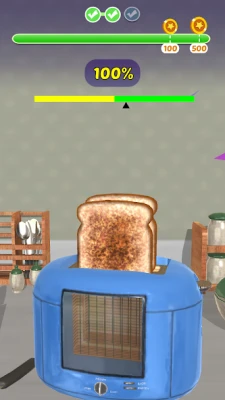
Some activities require more than simply moving an object in the correct direction. Pouring cereal, for example, involves controlling the action carefully to get the contents into the bowl. These challenges reward players who pay attention to timing and make small adjustments instead of acting too quickly.
Matching and Organization Puzzles
Matching tasks encourage players to identify similarities between objects and place them correctly. Finding matching socks is one example of how the game transforms a familiar household activity into a short puzzle.
Cleaning and Tidying Activities
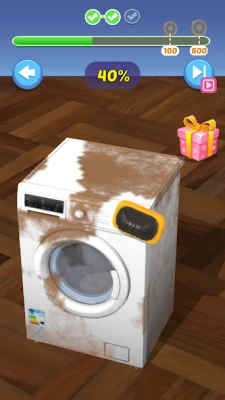
Cleaning challenges involve removing dirt, washing objects, or restoring order to a messy area. These tasks provide a satisfying sense of progress as the environment becomes cleaner and more organized.
Different Challenges and Game Modes
The game has featured rotating chores and additional modes that expand the range of activities. This helps maintain variety and gives returning players new tasks to try as content becomes available.
Casual, Family-Friendly Presentation
Chores! uses an approachable style that makes its household activities easy to understand. Its simple objectives and short challenges can appeal to players who prefer casual entertainment over complex simulations.
Complete Chores! Strategy Guide
Understand the Objective Before Moving
Every mini-game has a specific goal, and understanding it before acting is one of the simplest ways to improve your results. Look at the objects on the screen and identify what needs to be cleaned, matched, moved, or completed.
Avoid making random gestures just to see what happens. Although experimentation can help you understand an unfamiliar task, a quick inspection often reveals the intended interaction.
Once you know the objective, decide which action is most likely to achieve it. This makes your movements more deliberate and reduces unnecessary mistakes.
Use Controlled Swipes for Cleaning
Cleaning activities are easier when you use steady, purposeful movements. Instead of swiping rapidly across the screen, concentrate on the dirty areas and move the cleaning tool in a controlled way.
Pay attention to the visual feedback as you work. If a section remains dirty, adjust your movement to cover it rather than repeatedly cleaning an area that already looks finished.
For larger surfaces, work methodically across the available space. This approach helps you avoid overlooking small patches and makes the cleaning process more efficient.
Master the Art of Ironing
Ironing challenges reward careful movement and attention to the clothing's condition. Move the iron smoothly across the fabric and pay attention to the areas that still appear wrinkled.
Avoid moving so quickly that you lose track of which sections have been handled. Work across the garment in a consistent pattern, checking the results as you progress.
If a task is not completing as expected, slow down and examine the remaining areas instead of repeating the same movement without a clear purpose.
Pour Cereal With Better Timing
Pouring cereal into a bowl requires control. Starting too aggressively can make it harder to keep the cereal inside the target, while stopping too early may leave the bowl short of the intended amount.
Begin with a measured action and observe how quickly the cereal flows. Adjust the timing according to the bowl's position and the amount being poured.
The key is to pay attention to the relationship between the pouring action and the result on the screen. Controlled adjustments are generally more effective than holding the action without monitoring the progress.
Match Socks and Other Items Carefully
Matching puzzles depend on recognizing the correct pairs. Compare the visible patterns, colors, or other distinguishing details before dragging an item into position.
Do not rush simply because the task appears easy. A brief check can prevent mismatches and save you from repeating the action.
When several items look similar, focus on one pair at a time. Once you identify a match, complete that pair before moving on to the next one.
Handle Washing Tasks Methodically
Washing challenges are easier when you understand which objects or areas need attention. Follow the visual cues provided by the level and use the available controls to clean the intended target.
Move deliberately and check the result as you progress. If an area still appears dirty, direct your attention there rather than repeating actions across the entire screen.
Some tasks may require a particular sequence of interactions. Observe how the objects respond and adapt your approach when the first attempt does not produce the expected result.
Mow and Rake With a Clear Plan
Outdoor chores such as mowing and raking involve covering the relevant areas efficiently. Before starting, examine the space and identify where your action needs to be applied.
Use a consistent movement pattern instead of moving randomly. Cover the available area systematically and watch for sections that remain unfinished.
If the task involves collecting or clearing objects, pay attention to where those objects are located and plan your movements to avoid repeatedly crossing the same ground.
Keep Objects Organized
Tidying challenges reward careful placement and attention to the intended arrangement. Examine the available objects and identify where each one belongs before dragging it.
Move items toward their appropriate positions using controlled gestures. When several objects need organizing, complete the obvious placements first and then examine the remaining items.
Avoid dragging multiple objects without a clear plan. Working through the task systematically makes it easier to recognize what remains unfinished.
Learn From Each Attempt
Not every challenge will be completed perfectly on the first try. When a movement produces an unexpected result, consider what went wrong and how you can adjust your next attempt.
You may have moved too quickly, overlooked an object, used the wrong direction, or failed to stop an action at the appropriate moment. Identifying the specific problem is more useful than repeating the same movement.
Treat unsuccessful attempts as opportunities to understand the game's mechanics. Over time, recognizing the patterns behind different activities will make new challenges easier to approach.
Best Tips for Beginners
Start slowly and learn how each mini-game works before trying to complete it as quickly as possible. Read the objective, inspect the objects, and identify the action that will move you toward the goal.
Use swipes for activities that involve cleaning and follow the drag instructions when matching or positioning items. For timing-based challenges, watch the result of your action and adjust gradually.
Do not assume every task uses the same mechanics. Each activity may require a different approach, so remain flexible and pay attention to the instructions or visual clues provided by the game.
Finally, enjoy the variety. The game is designed around short household challenges, and learning to recognize what each one requires is part of the experience.
Advanced Strategies for Better Performance
Once you are comfortable with the controls, focus on consistency. Develop a reliable movement pattern for cleaning and organizing tasks, and pay close attention to timing in activities that involve pouring or handling objects.
Try to identify the minimum actions needed to complete each challenge successfully. Unnecessary gestures can complicate an otherwise straightforward task, so favor precise movements whenever possible.
Use visual feedback to guide your decisions. Changes in the appearance of an object or surface can help you determine whether an action has worked. Adjust your approach based on those results instead of continuing without checking your progress.
For unfamiliar challenges, experiment with small changes. Altering the direction, speed, or duration of a movement can help you understand the mechanics without making the task unnecessarily complicated.
Common Mistakes to Avoid
Rushing through every activity is a frequent mistake. Some chores are simple, but timing and accuracy still matter. Slowing down can help prevent spills, missed areas, and incorrect placements.
Another mistake is ignoring the objective. A movement that works in one mini-game may not be appropriate for another, so always identify the intended result before acting.
Repeatedly performing the same action without checking the result can also waste time. Watch the screen to see whether the task is progressing and adjust your movement if necessary.
For matching puzzles, avoid guessing when the differences between objects are visible. Comparing items carefully is usually more reliable than dragging them into place at random.
Finally, do not expect every challenge to be solved with one universal technique. Chores! is built around variety, so successful play depends on adapting to each activity.
Is Chores! Worth Playing?
Chores! is a good option for players who enjoy casual mini-games, simple puzzles, and activities that provide immediate visual feedback. Its household theme gives familiar tasks a playful twist, while its range of challenges helps prevent the gameplay from feeling completely repetitive.
The game can also appeal to players who enjoy short sessions rather than long, complicated missions. Cleaning, matching, ironing, and timing-based activities offer different ways to interact with the game, making it suitable for casual entertainment.
However, the experience may not appeal as much to players who prefer deep simulation systems, extensive strategic planning, or long-form progression. Chores! focuses on completing individual activities rather than managing a realistic household from beginning to end.
Players should also be aware that the game contains advertisements and in-app purchases, as indicated by its store listing. The frequency of advertisements may affect the experience, particularly for people who prefer uninterrupted gameplay.
Final Thoughts on Chores!
Chores! turns ordinary household responsibilities into short, interactive challenges that reward observation, timing, and careful movements. Its simple controls make it accessible, while the variety of activities encourages players to adapt their approach from one task to the next.
The best way to improve is to understand each objective, make controlled movements, observe the results, and learn from mistakes. Whether you are ironing clothes, matching socks, cleaning surfaces, or pouring cereal, patience and accuracy can make each activity easier to complete.
For players looking for a lighthearted casual game, Chores! offers an entertaining way to approach everyday tasks from a different perspective.
Rate the Game
User Reviews













Popular Games



















 Android
 iOS
 Windows
 Xbox