
Latest Version
October 04, 2026
Netmarble Corporation
Role Playing
iOS
0
Report a Problem
More About :game
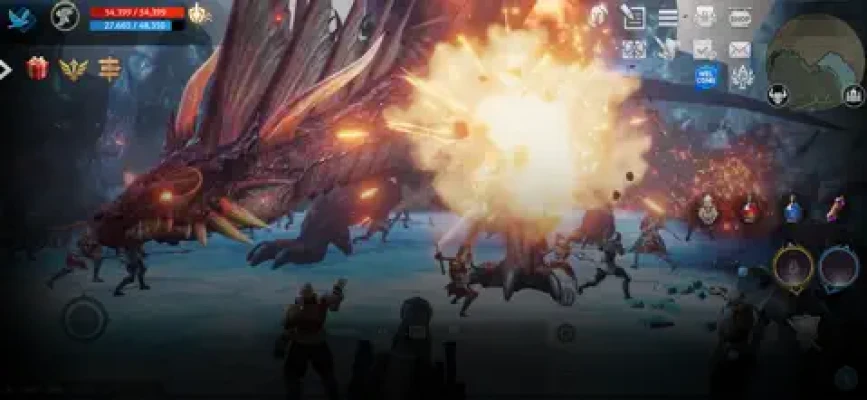
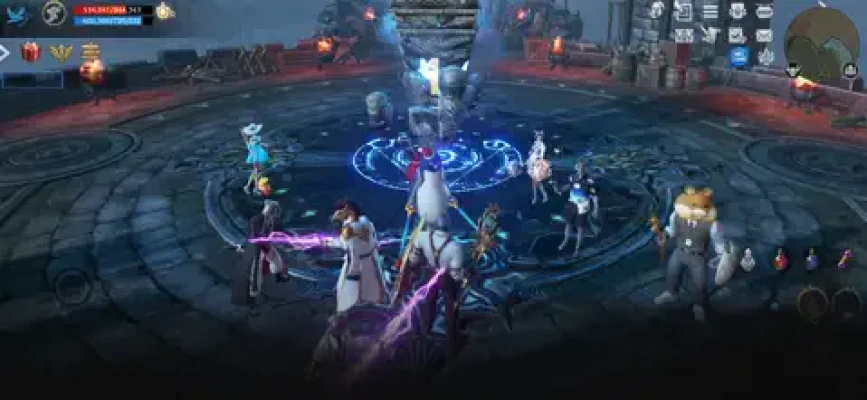
One of its defining features is the scale of its multiplayer content. The App Store listing highlights real-time battles involving up to 200 players and 50-vs-50 Fortress Siege battles, making clan coordination an important part of the experience.
What Is Lineage 2: Revolution?
Lineage 2: Revolution is a mobile MMORPG set in the fantasy world of Lineage 2. It combines traditional RPG progression with large-scale online multiplayer systems.
Rather than focusing only on short battles or isolated missions, the game gives players a persistent world to explore. You can complete quests, fight monsters, improve equipment, participate in dungeons, hunt bosses, join a clan, and eventually take part in large-scale PvP.
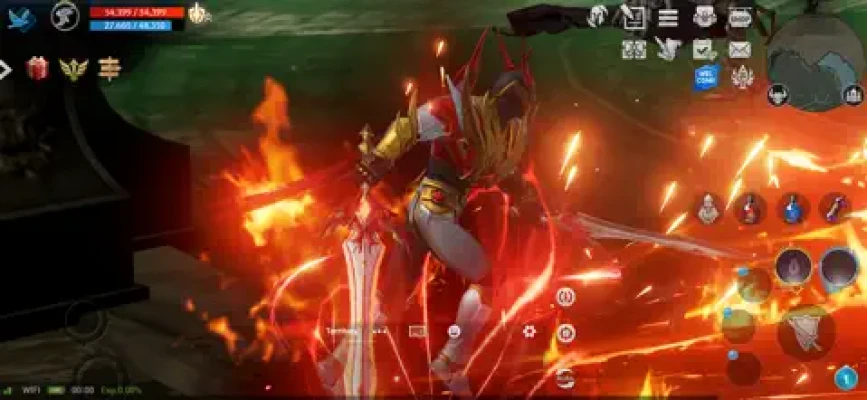
The game's visuals were originally built around Unreal Engine 4, while its combat system was designed to support large numbers of players fighting together in real time.
Game Information
| Feature | Details |
|---|---|
| Game | Lineage 2: Revolution |
| Developer | Netmarble |
| Genre | MMORPG / Role-Playing |
| Platform | iPhone, iPad |
| Business Model | Free with in-app purchases |
| Multiplayer | Online multiplayer |
| World | Open-world fantasy |
| PvE | Quests, dungeons, raids, bosses |
| PvP | Open-field PvP, Fortress Siege and clan battles |
| Clan System | Yes |
| Age Rating | 13+ |
| Engine | Unreal Engine 4 |
| Current Listing | Regularly updated |
The US App Store listing currently shows a 4.5/5 rating from about 29,000 ratings.
A Fantasy World Built Around Massive Battles
The biggest attraction of Lineage 2: Revolution is its sense of scale.
Instead of treating multiplayer as a small side feature, the game places clans, raids, field bosses and large PvP battles at the center of long-term progression.
The open world allows players to move between areas, complete objectives and fight enemies while progressing their characters. The game also supports parties and clans for more difficult content.
The result is an MMORPG that can feel very different depending on how you play.
A casual player can focus on quests and character development, while a competitive player can spend much more time optimizing equipment, participating in clan activities and preparing for PvP.
Combat and Character Progression
Combat is one of the main ways you increase your character's strength.
During normal progression, you will fight monsters, complete objectives and collect rewards. Those rewards can then be used to improve your character and equipment.
Don't make the mistake of treating every upgrade as equally important.
A better approach is to build a character around a clear role and then prioritize upgrades that directly support that role.
For example:
Damage-focused characters should prioritize offensive improvements.
Durable characters benefit more from survivability.
PvP builds need to consider burst damage, defense and control.
Group content requires you to think about how your character contributes to the entire party.
This becomes increasingly important as you move from ordinary PvE content into raids and competitive battles.
Equipment and Upgrade Strategy
Equipment progression can quickly become one of the largest parts of the game.
A common beginner mistake is spending resources immediately whenever an upgrade becomes available.
Instead, consider the following priorities:
1. Build Around Your Main Character
Don't spread your best resources across every possible item or system at the beginning.
Establish your primary character and concentrate your strongest progression resources there.
2. Avoid Random Upgrading
Before investing heavily, consider whether the equipment will remain useful for your next stage of progression.
An upgrade that provides only a small temporary improvement may not be worth consuming valuable materials.
3. Improve Your Core Equipment First
Focus on the equipment that contributes most directly to your combat performance.
Once your primary equipment is in good shape, begin investing into secondary progression systems.
4. Keep Long-Term Systems in Mind
Lineage 2: Revolution has accumulated many progression systems over its lifetime. Recent updates have introduced or expanded systems including Rune Resonance, Cloak Polishing, Emblems, Soul Link enhancements, Holy Equipment and Magic Imprinting.
That means efficient progression is less about upgrading everything immediately and more about understanding which systems provide the greatest benefit to your current build.
How to Progress Faster as a Beginner
Follow the Main Progression First
When starting, avoid getting distracted by every available activity.
Complete the main progression and use it to unlock systems, areas and rewards.
This gives you a foundation before you start spending significant amounts of time on optional content.
Use Auto Features Intelligently
Lineage 2: Revolution includes auto-battle and auto-quest functionality.
These features are useful for routine farming, but they should not replace active play when positioning, timing or target selection matters.
Use automation for repetitive activities and take direct control during important battles.
Upgrade Consistently
Don't allow your equipment and character progression to fall far behind your current content.
If enemies suddenly become much harder, check your equipment, skills and progression systems before simply trying to overpower the encounter.
Join an Active Clan
A strong clan can make a major difference.
Clan membership provides access to group activities and makes it easier to participate in content that is designed around cooperation.
The official game description specifically highlights clans, raid dungeons, bosses and large-scale PvP as major parts of the experience.
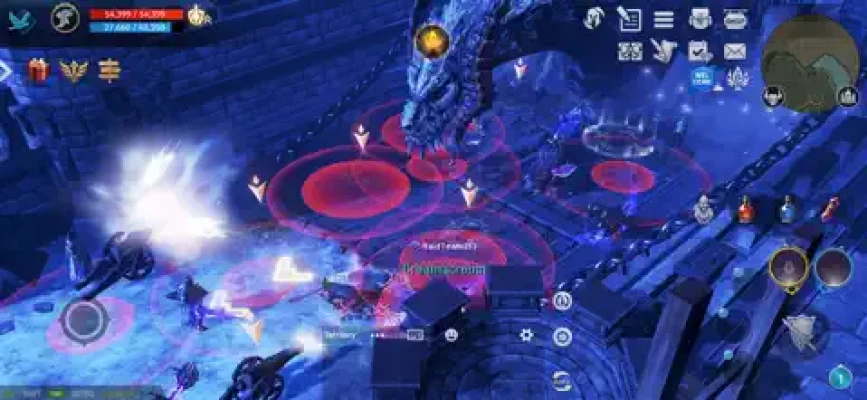
Raid and Boss Strategy
Boss content requires a different mindset from normal questing.
Instead of simply maximizing personal damage, pay attention to:
Boss attack patterns
Area-of-effect attacks
Positioning
Party survival
Damage windows
Healing and defensive abilities
Target priority
Team coordination
When fighting a powerful boss, surviving long enough to maintain consistent damage can be more valuable than using every offensive ability immediately.
Don't Ignore Mechanics
A character with excellent equipment can still perform badly if the player repeatedly stands inside dangerous attacks.
Learn the encounter first.
Once you understand the boss's behavior, you can start optimizing your damage.
World Boss Strategy
World bosses are particularly valuable because they turn the open world into a competitive environment.
Before joining a world boss fight:
Check when the boss becomes available.
Make sure your character is properly prepared.
Join the appropriate party or clan activity.
Watch your positioning.
Focus on sustained damage rather than wasting abilities.
Avoid unnecessary deaths.
Pay attention to reward requirements.
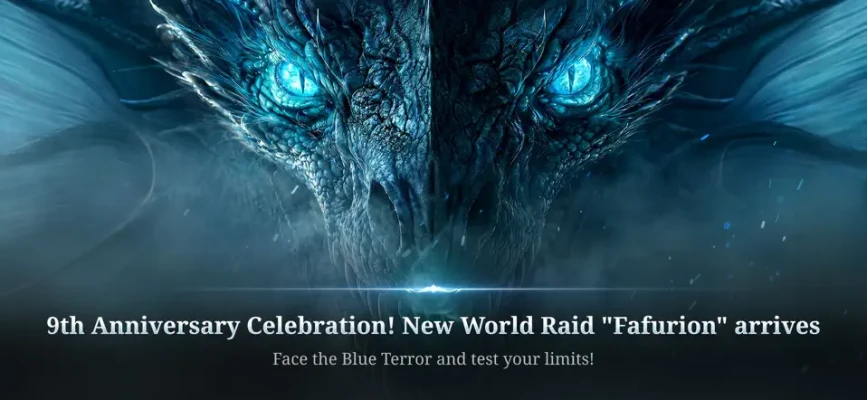
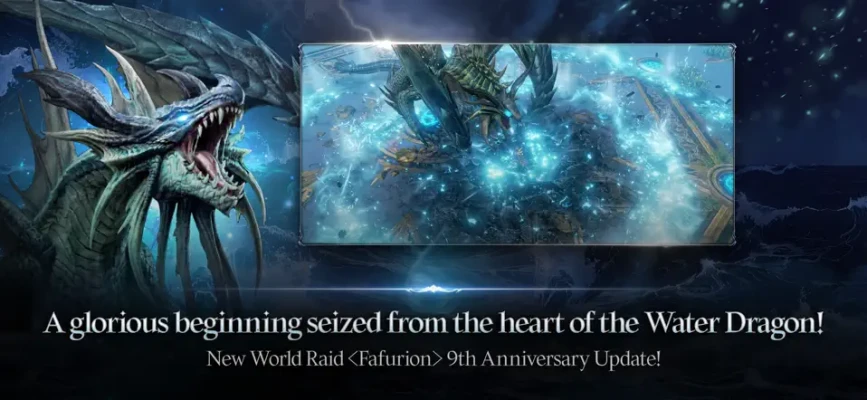
Recent updates have continued expanding world-boss content. The current App Store history lists Dracovar as a World Boss and later introduced the Water Dragon Fafurion World Raid.
PvP Strategy
PvP is considerably more demanding than ordinary PvE.
Against another player, raw combat power is only part of the equation.
Control Your Position
Don't run directly into the enemy team without a plan.
Use terrain, distance and your team's formation to create favorable engagements.
Know Your Role
If you're playing a damage-oriented character, look for opportunities to attack vulnerable targets rather than automatically attacking the strongest opponent.
If you're built for durability, your job may be to absorb pressure and create openings for your teammates.
Don't Chase Too Far
One of the easiest PvP mistakes is chasing a weakened opponent into an enemy formation.
A player who appears to be an easy kill may be baiting you into a much worse position.
Fight Around Objectives
In organized PvP, controlling an objective is usually more important than chasing individual kills.
This becomes particularly important in siege battles.
Fortress Siege Strategy
Fortress Siege is one of Lineage 2: Revolution's signature clan activities.
The official App Store listing describes it as a 50-vs-50 competitive battle.
The important lesson is that Fortress Siege is a team game.
A strong individual player cannot compensate for an unorganized clan.
Before the Battle
Your clan should establish:
Attack groups
Defensive groups
Players responsible for objectives
Support roles
Communication procedures
Reinforcement routes
During the Battle
Avoid turning the fight into an uncontrolled deathmatch.
Protect important objectives and coordinate attacks instead of having everyone fight independently.
The clan system is designed around territory, objectives and group coordination, so communication can be more valuable than simply having a few extremely powerful players.
Aden Castle Clan War
Later clan content expands the scale even further.
The official Netmarble guide describes Aden Castle Clan War as a long-term, cross-server castle siege in which clans compete to become the master of Aden Castle. The event uses multiple rounds and includes special rewards and benefits for successful clans.
This type of content rewards preparation.
Before entering a major clan war:
Know your clan's role.
Assign players to objectives.
Prepare your equipment.
Coordinate your strongest members.
Establish communication.
Avoid wasting key abilities before important engagements.
Follow the clan leader's battle plan.
A highly organized clan can outperform a stronger but disorganized opponent.
Clan Management and Teamwork
If you're joining a clan, don't simply look at its power rating.
Look for activity.
A smaller but active clan can be much more useful than a large clan where most members rarely participate.
For clan leaders, organization becomes especially important during siege content.
Create clear responsibilities for:
PvP specialists
Defensive players
Objective attackers
Support players
Reinforcement teams
Boss groups
The official game description emphasizes clans as a core way to tackle bosses, raids and large-scale PvP.
Advanced Progression Systems
Long-time players will encounter numerous systems beyond basic equipment.
Recent updates have introduced or expanded:
Rune Resonance
Hell Tower of Insolence
Cloak Polishing
Emblems
Soul Link Slot Enhancement
Holy Artifacts
Holy Equipment
Magic Imprinting
Agathions
Mounts
Morph systems
World Raids
Clan-related progression
These systems have been added progressively through the game's updates rather than being part of the original launch experience.
The Best Approach
Don't attempt to master every system at once.
Instead:
Main character → equipment → core progression → important secondary systems → specialized endgame systems
This makes the game's enormous progression structure much easier to understand.
Daily Progression Routine
A simple routine can keep your account moving forward without requiring endless play sessions.
Daily Checklist
1. Collect available rewards
Check your daily rewards and event-related benefits.
2. Complete important missions
Prioritize activities that provide valuable progression resources.
3. Work on your character's equipment
Use available materials intelligently.
4. Participate in clan activities
Don't ignore clan content if you're part of an active guild.
5. Check boss and raid opportunities
Group content can provide valuable rewards and progression.
6. Complete relevant events
Temporary events can provide resources that would otherwise take considerably longer to obtain.
7. Review your character
At the end of your session, check whether your equipment, skills and other progression systems need attention.
Common Beginner Mistakes
Spending Everything Immediately
Resources become increasingly valuable later.
Don't spend everything simply because an upgrade button is available.
Ignoring Clan Content
A player who completely ignores clans misses a major portion of Lineage 2: Revolution's identity.
Treating PvP Like PvE
Computer-controlled enemies don't react like human players.
PvP requires positioning, prediction and target selection.
Chasing Kills
A kill is not always worth risking your position.
Objectives and team survival should come first.
Upgrading Without a Plan
Because the game contains many progression systems, blindly upgrading everything can waste resources.
Playing on Auto at the Wrong Time
Automation is convenient, but important PvP, boss and objective battles often require active decision-making.
Advanced Tips for Experienced Players
Study Your Build
Don't compare your character with another player without considering their role.
A build optimized for PvP may perform differently from one designed for PvE farming.
Optimize Around Your Clan
In large-scale battles, individual optimization should support the team's strategy.
Protect Your Resources
Think about upcoming progression requirements before spending rare materials.
Learn When to Retreat
There is no advantage in repeatedly dying during an unfavorable engagement.
A controlled retreat can allow your team to regroup and attack again.
Focus on Consistency
A reliable character that performs well every day is often more useful than a highly specialized build that works only under perfect conditions.
Recent Updates and New Content
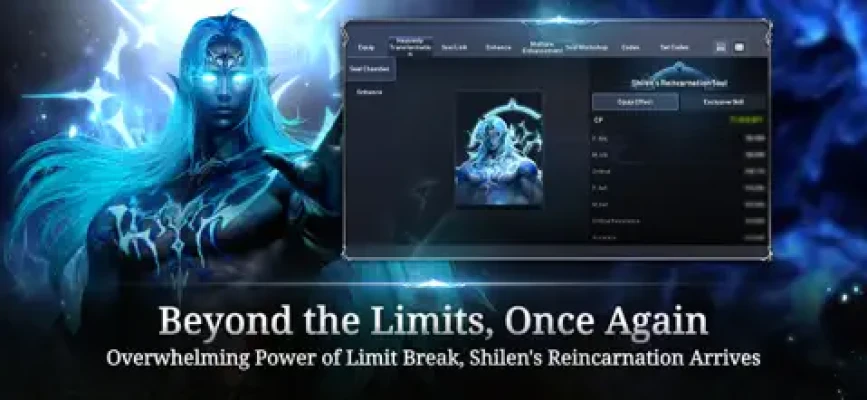
Lineage 2: Revolution continues to receive substantial content updates.
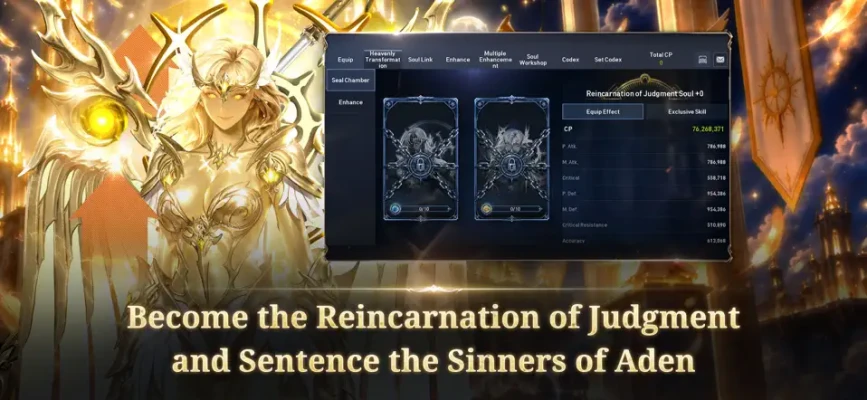
The current App Store version history includes the ZR Morph Reincarnation of Judgment, a renewed Morph Crystal Shop and a Magnadin event. Earlier updates introduced the Water Dragon Fafurion World Raid, Coin of Unity clan content, a Fafurion Agathion and mount, Royal Diamond, Rune Resonance and Hell Tower of Insolence.
The game's recent update history shows that its progression structure continues to expand rather than remaining frozen around its original launch systems.
Graphics and Atmosphere
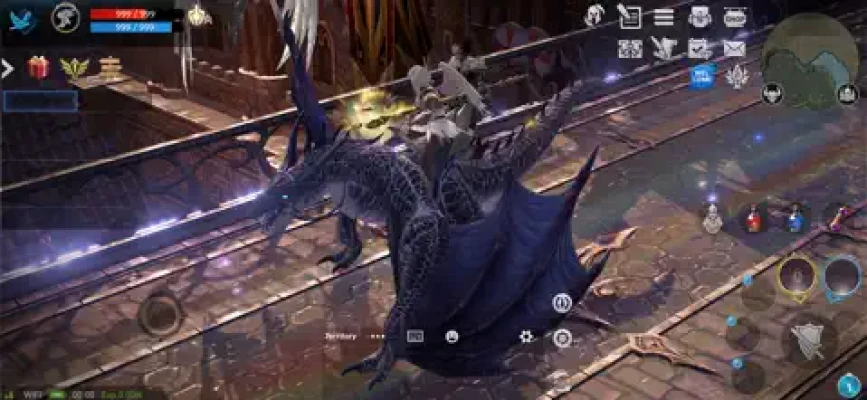
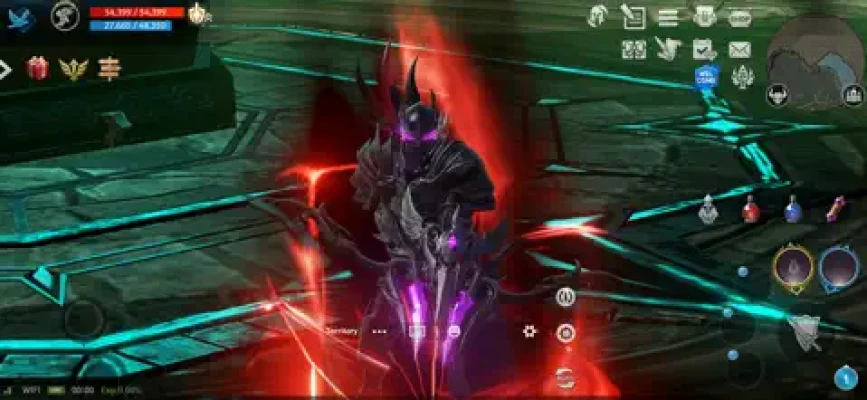
One of Lineage 2: Revolution's strongest qualities is its presentation.
The game was built to bring a large-scale fantasy MMORPG experience to mobile devices, with detailed environments, character models and large battles. The original App Store description specifically highlights its Unreal Engine 4 visuals.
The atmosphere is particularly effective when you're surrounded by other players during major events.
Seeing large groups of characters moving toward a raid boss or siege objective gives the game a sense of scale that smaller mobile RPGs cannot easily reproduce.
Is Lineage 2: Revolution Free to Play?
Yes. The game is free to download and play, but it contains optional in-app purchases.
The important distinction is between being able to play without spending money and competing at the highest possible level.
A free player can experience the game's world, quests, combat and multiplayer systems, but players who want to compete aggressively in progression and high-level PvP should understand that the game's monetization can affect the competitive experience.
This is worth considering before committing heavily to the game.
Honest Pros and Cons
Pros
Large open-world MMORPG experience
Impressive fantasy presentation
Massive multiplayer battles
Extensive character progression
Clan and guild gameplay
Raids and world bosses
Large-scale PvP
Fortress Siege
Regular content expansions
Plenty of long-term systems to explore
Cons
Very large number of progression systems can feel overwhelming
Heavy long-term progression can demand considerable time
Auto-play reduces the need for constant manual combat
Competitive progression can be expensive
New players may find the game's accumulated systems difficult to understand
Large-scale PvP can be intimidating for newcomers
Who Should Play Lineage 2: Revolution?
Play it if you enjoy:
MMORPGs
Fantasy worlds
Clan warfare
Large PvP battles
Character progression
Boss raids
Equipment optimization
Long-term online games
Social multiplayer experiences
Think twice if you prefer:
Short offline games
Completely skill-based competitive games
Minimal progression systems
Games without in-app purchases
Simple RPG mechanics
Frequently Asked Questions
Is Lineage 2: Revolution an MMORPG?
Yes. It is a large-scale online MMORPG featuring an open world, character progression, quests, dungeons, bosses, clans and PvP.
Can you play Lineage 2: Revolution solo?
Yes. You can complete a significant amount of progression independently, although clan, raid and large-scale PvP content becomes much more important for players who want the full multiplayer experience.
Does Lineage 2: Revolution have PvP?
Yes. The game includes open-field PvP and large-scale clan battles, including 50-vs-50 Fortress Siege.
Does Lineage 2: Revolution have raids?
Yes. Raids and boss encounters are an important part of its multiplayer progression. The current game has continued to add new World Raid and World Boss content.
Does Lineage 2: Revolution have clans?
Yes. Clans are one of the game's central multiplayer systems and are closely connected to raids, bosses and large-scale PvP.
Does the game have auto-battle?
Yes. Lineage 2: Revolution includes auto-battle and auto-quest features.
Is Lineage 2: Revolution still receiving updates?
Yes. The App Store listing shows continuing updates with new progression systems, bosses, raids, events and balance improvements.
Is Lineage 2: Revolution pay to win?
The game is free to play but includes in-app purchases. Players competing at the highest levels should expect monetization to be part of the progression environment.
Final Verdict
Lineage 2: Revolution remains an ambitious mobile MMORPG built around scale.
Its strongest feature isn't simply its combat system. It is the combination of a persistent fantasy world, character development, clans, raids, world bosses and large-scale PvP.
The game is particularly appealing to players who enjoy having a long-term character to develop and a clan or community to play with.
However, newcomers should be prepared for a substantial amount of progression content. The game has accumulated many systems over the years, and understanding which upgrades matter most can take time.
The best way to approach it is to progress steadily, avoid wasting valuable resources, join an active clan and gradually learn the deeper systems instead of trying to master everything immediately.
For MMORPG fans who enjoy open-world exploration, massive PvP battles, clan warfare, raids and long-term character progression, Lineage 2: Revolution offers a much deeper experience than a typical mobile RPG.
Rate the Game
User Reviews













Popular Games

















 Android
 iOS
iOS Windows
 Xbox
Xbox