
Latest Version
August 09, 2026
Fellow Traveller
Adventure
iOS
0
Report a Problem
More About :game
Designed to be experienced in a single sitting, Pine focuses less on conventional action and more on emotional storytelling, exploration, and meaningful interactions.
What Is Pine: A Story of Loss?
Pine: A Story of Loss is a short, story-driven adventure developed by Made Up Games and published by Fellow Traveller.
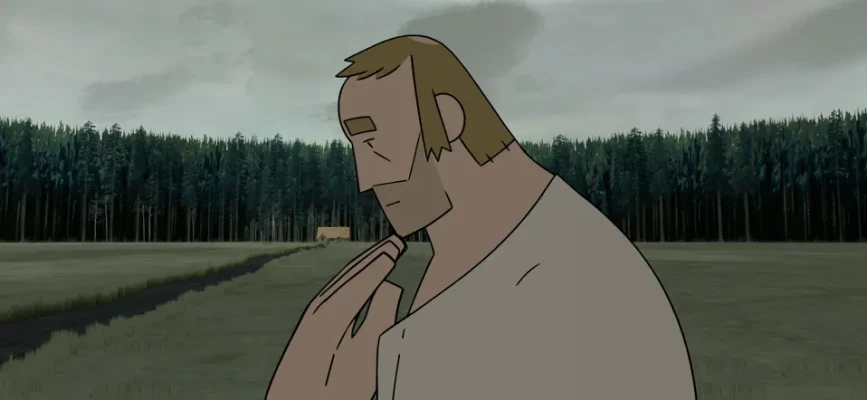
The game follows a woodworker who has lost his wife and now lives alone in the forest home they once shared. His daily routine becomes a way of coping with her absence, while memories of their life together continue to surface.
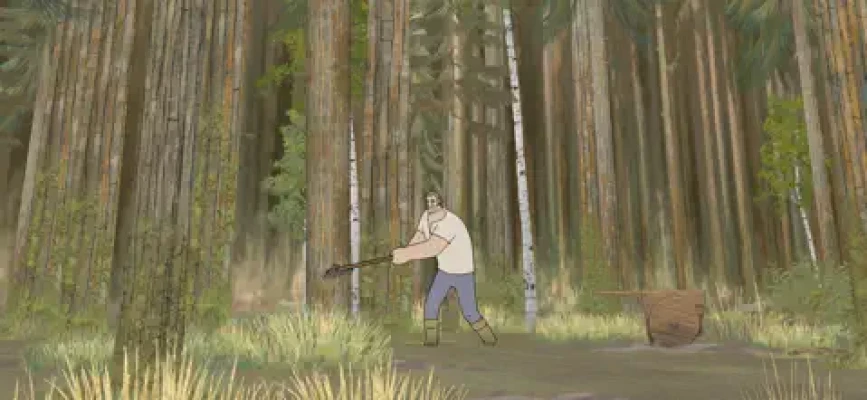
Rather than explaining the story through lengthy dialogue, Pine communicates through animation, environmental details, music, interactions, and visual storytelling.
Story and Narrative
At the center of Pine is a deeply personal story about what happens after losing someone you love.
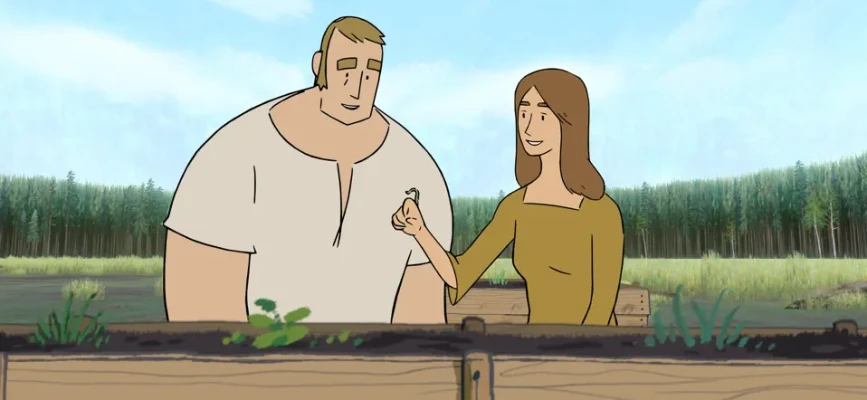
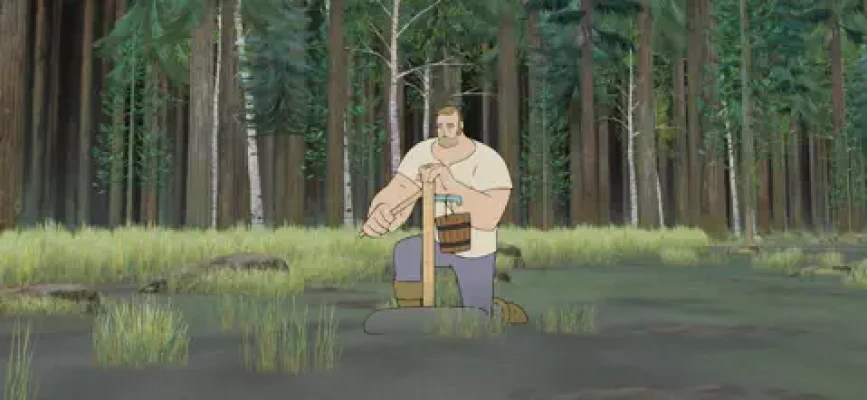
The woodworker continues performing ordinary tasks around his home. He tends his garden, gathers wood, and tries to maintain the life he once shared with his wife.
But memories keep interrupting his routine.
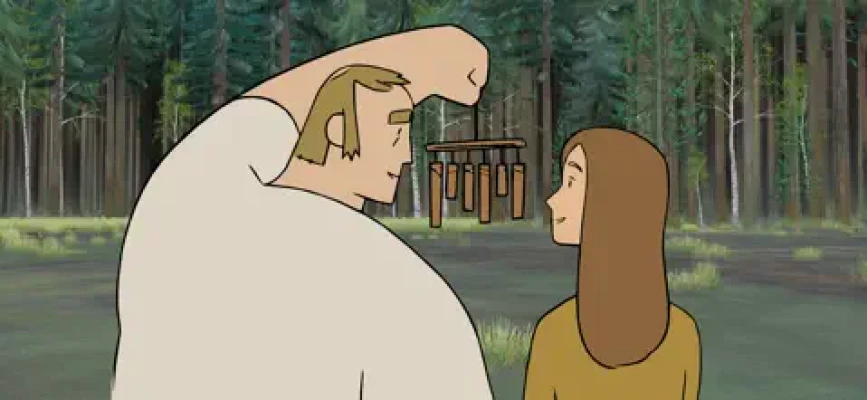
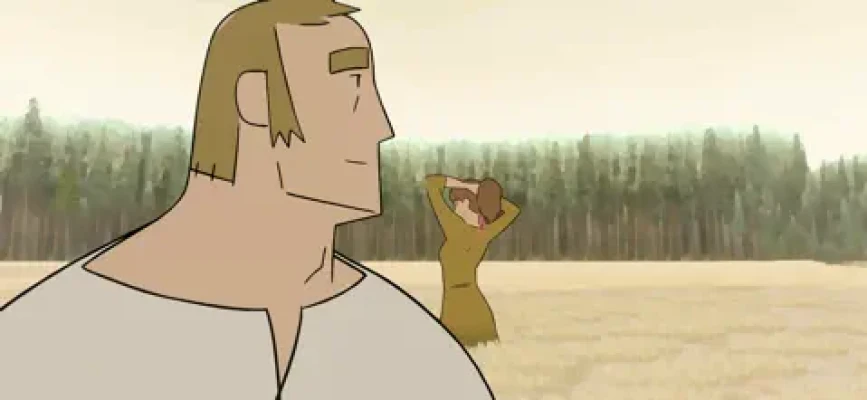
These memories allow players to experience moments from their relationship and understand the life they built together. The contrast between his quiet present and happier memories creates the emotional foundation of the game.
Pine is ultimately a story about remembering someone while learning how to continue living without them.
A Wordless Story
One of Pine's most distinctive features is its lack of conventional dialogue.
The game tells its story visually through:
- Hand-drawn animation
- Character movement
- Environmental details
- Music
- Sound effects
- Interactive objects
- Memories
- Simple activities
This wordless approach allows players to interpret the characters' emotions through what they see and hear rather than being told exactly how to feel.
Gameplay Overview
Pine is deliberately different from traditional adventure games.
There are no complicated combat systems, huge inventories, or massive open-world maps. Instead, gameplay revolves around the woodworker's everyday routine and the memories connected to his late wife.
The experience combines:
- Interactive storytelling
- Exploration
- Environmental interaction
- Charming puzzles
- Mini-games
- Gardening
- Wood gathering
- Wood carving
- Memory sequences
- Hand-drawn animation
Every interaction contributes to the emotional journey.
Daily Life in the Forest
The woodworker's daily chores provide the foundation for the present-day sections of the game.
You help him maintain his surroundings by carrying out simple activities such as tending his garden and collecting wood for the coming winter.
These tasks may seem ordinary, but they are important to the story. They show how the character attempts to maintain a sense of normality after a devastating loss.
The deliberately repetitive nature of some chores reinforces the feeling of living with grief and trying to rebuild a routine.
Memories of a Shared Life
Memories are at the heart of Pine.
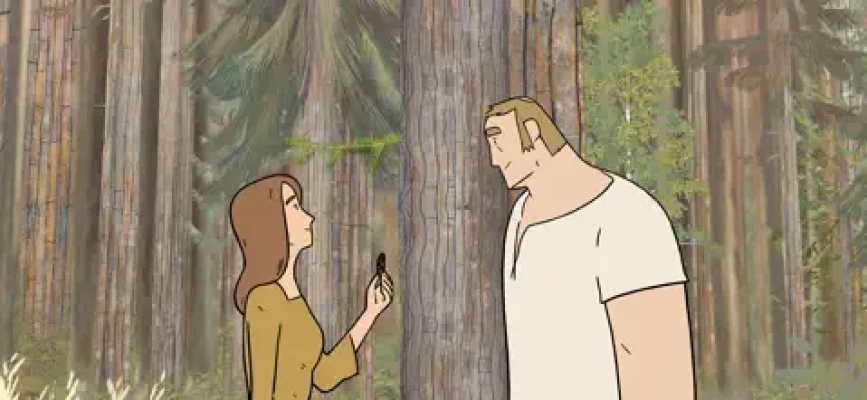
While completing everyday tasks, the woodworker is reminded of the happier moments he experienced with his wife.
These sequences allow you to experience pieces of their relationship through interactive moments, games, and activities.
Instead of presenting the past as conventional cutscenes, Pine lets players participate in memories and gradually understand the bond between the two characters.
Wood Carving Mechanic
One of Pine's most memorable gameplay mechanics is its wood carving system.
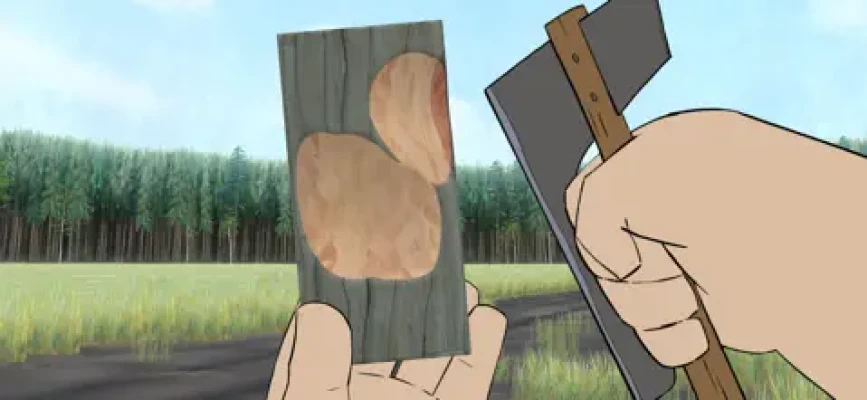
The woodworker collects pieces of wood and turns them into carvings representing important memories.
These carvings serve as physical reminders of the person he has lost.
The carving mechanic is more than a simple crafting activity. It connects the game's central themes of woodworking, memory, and remembrance into one interactive system.
Each carving becomes a small object through which the character attempts to preserve something meaningful from his past.
Puzzles and Mini-Games
Pine includes charming puzzles and mini-games that bring the character's memories to life.
These activities provide variety without distracting from the narrative.
Rather than introducing difficult traditional puzzle mechanics, the game uses accessible interactions that fit naturally into the story.
The puzzles and mini-games can represent happier moments from the couple's life, creating a noticeable contrast with the woodworker's lonely present.
Hand-Drawn Art Style
The visual presentation is one of Pine's strongest qualities.
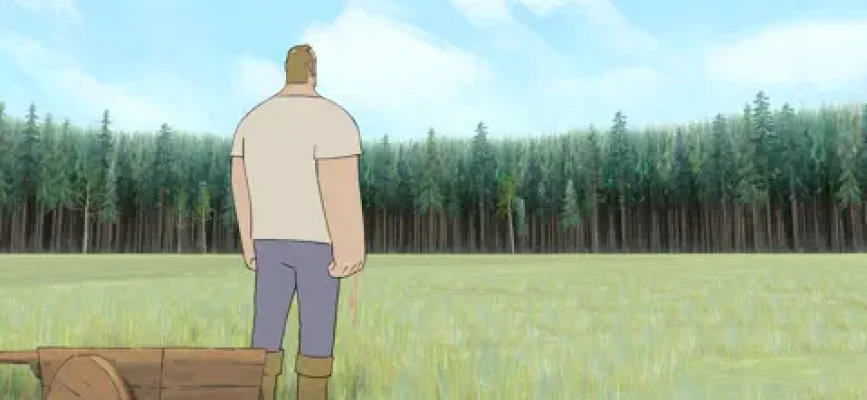
The game uses hand-drawn animation to create a warm, illustrated world that feels closer to an animated short film than a conventional video game.
The forest glade, home, characters, memories, and surrounding environments are brought to life through carefully crafted animation.
The art style also helps communicate emotions without words, making visual details particularly important to the experience.
Music and Sound Design
Music plays a major role in Pine's storytelling.
Because the game does not rely on spoken dialogue, its soundtrack and environmental sounds help communicate mood and emotion.
The combination of music, environmental audio, animation, and movement creates a quiet atmosphere that supports the game's themes of memory and loss.
The official description specifically highlights its evocative score and immersive environmental sound effects.
The Forest Setting
The story takes place around a peaceful forest glade where the woodworker and his wife once built their home.
The setting is intentionally intimate rather than enormous.
Instead of encouraging players to explore a huge world, Pine asks them to pay attention to a small environment and understand how that place changes through memory.
The forest therefore becomes more than a backdrop. It represents the life the couple shared and the home the woodworker is struggling to inhabit alone.
Themes of Love and Grief
Pine explores several mature emotional themes while keeping its presentation accessible.
The central themes include:
- Love
- Loss
- Grief
- Memory
- Loneliness
- Remembrance
- Healing
- Moving forward
- Cherishing the past
The game does not treat grief as something that can simply be defeated. Instead, its story focuses on the process of remembering someone while gradually learning to live with their absence.
Game Progression
Pine does not use traditional RPG progression.
There are no character levels, skill trees, weapons, or extensive equipment systems.
Instead, progression is primarily narrative.
Players move forward by:
- Completing daily chores
- Exploring the woodworker's surroundings
- Discovering memories
- Participating in mini-games
- Solving simple puzzles
- Gathering wood
- Creating memory carvings
- Experiencing the complete story
This keeps the experience focused on its emotional journey rather than traditional game mechanics.
Controls and Interaction
The controls are designed to be accessible and unobtrusive.
Players primarily interact with the environment and guide the woodworker through his daily activities.
Gameplay focuses on:
- Movement
- Environmental interaction
- Object manipulation
- Completing chores
- Participating in mini-games
- Solving puzzles
- Carving wooden mementos
The simplicity of the interactions makes Pine approachable for players who do not normally play complex adventure games.
Difficulty
Pine is not designed around demanding combat or punishing difficulty.
Its challenges are primarily interactive and puzzle-based, with an emphasis on understanding what to do next rather than mastering difficult controls.
The game's accessible design allows players to concentrate on the narrative, characters, art, and atmosphere.
Game Length
Pine is intentionally designed as a short, single-sitting experience.
Its compact format makes it suitable for players who want a complete story without committing to a long campaign.
The developers describe it as a "single-serving" game focused on delivering a concise emotional tale.
iPhone and iPad Version
Pine: A Story of Loss is available on iPhone and iPad through the App Store.
The current App Store listing identifies it as an Adventure game from Fellow Traveller, with a download size of approximately 1.2 GB and an age rating of 4+. It is listed as free with in-app purchases.
Mobile Game Details
Game: Pine: A Story of Loss
Developer: Made Up Games
Publisher: Fellow Traveller
Genre: Adventure
Style: Interactive Narrative / Short Story
Platforms: iPhone, iPad
Age Rating: 4+
App Size: Approximately 1.2 GB
Language: English on the current App Store listing
Business Model: Free with In-App Purchases
Store information can change as the developer updates the application.
Why Pine Works So Well on Mobile
The game's short format and straightforward interactions make it particularly well suited to mobile devices.
You do not need to memorize complicated controls or spend hours building a character. Instead, you can open the game and become immersed in its story and atmosphere.
Its single-sitting design also makes it a good choice for players looking for a compact narrative experience on iPhone or iPad.
Beginner's Guide
Take Your Time
Pine is not a game that rewards rushing. Pay attention to the environment and allow the story to unfold naturally.
Explore Your Home
The woodworker's surroundings contain details that help communicate his current life and memories.
Complete Your Daily Tasks
Routine activities are an important part of the storytelling, so do not treat chores as meaningless filler.
Pay Attention to Memories
Memory sequences provide important context about the woodworker and his wife.
Experiment With Interactions
If something in the environment looks interactive, investigate it. Pine uses simple interactions to tell much of its story.
Tips for Experiencing Pine
Play in One Sitting
The game was designed around a single, uninterrupted experience, so playing the complete story in one session can make its emotional structure more effective.
Use Headphones
Music and environmental sound are important parts of the storytelling. Headphones can make the quieter moments more immersive.
Avoid Rushing Through Memories
The memories are among the most meaningful parts of the game. Give them time rather than treating them as obstacles between objectives.
Look at the Details
Because the story is largely wordless, visual details can communicate information that dialogue normally would.
Pros and Cons
Pros
- Beautiful hand-drawn animation
- Emotional and intimate story
- Wordless narrative presentation
- Memorable wood-carving mechanic
- Charming puzzles and mini-games
- Atmospheric music
- Strong environmental storytelling
- Accessible gameplay
- Designed as a focused single-sitting experience
- Excellent choice for narrative game fans
Cons
- Very short compared with traditional adventure games
- Limited gameplay variety by design
- Not suitable for players looking for combat or extensive progression
- Emotional subject matter may not appeal to everyone
Who Should Play Pine?
Pine: A Story of Loss is especially suited to players who enjoy:
- Emotional games
- Story-driven adventures
- Interactive fiction
- Short indie games
- Narrative games
- Hand-drawn animation
- Relaxing games
- Puzzle adventures
- Visual storytelling
- Games about relationships and memory
It is particularly appealing to players who prefer a carefully crafted story over competitive gameplay or complex mechanics.
Similar Games
Players who enjoy Pine may also appreciate other narrative-focused indie games such as:
- Spiritfarer – emotional storytelling and themes of farewell
- Gris – visually expressive adventure centered on grief and emotion
- Florence – short interactive story about relationships
- To the Moon – emotional narrative built around memories
- Before Your Eyes – intimate storytelling and personal memories
Pine remains distinct because of its wordless presentation, woodworking theme, and interactive memory system.
Player Experience
Pine is best approached less like a conventional game and more like an interactive animated short story.
The strongest moments come from small details: a familiar activity, an object from the past, a memory interrupting an ordinary chore, or a wooden carving representing something that mattered.
The result is a quiet experience that encourages players to slow down and pay attention.
Expert Rating
Overall Rating: 9/10
Story: 9.5/10
Visual Design: 9.5/10
Atmosphere: 9.4/10
Music & Sound: 9/10
Gameplay: 8.2/10
Puzzle Design: 8/10
Emotional Impact: 9.5/10
Accessibility: 9.3/10
Pine's greatest strength is the way its art, sound, interactions, and narrative all serve the same purpose rather than competing for attention.
Final Verdict
Pine: A Story of Loss is a gentle, beautifully crafted interactive story about what remains after someone you love is gone.
Its woodworker protagonist does not battle monsters or conquer enormous worlds. Instead, he gathers wood, cares for his home, remembers his wife, and creates small carvings to preserve moments that might otherwise disappear.
That simplicity is exactly what makes the experience effective.
The hand-drawn animation, evocative music, wordless storytelling, charming puzzles, and memory sequences combine to create a short adventure that feels more like participating in an animated story than playing a traditional game.
For iPhone and iPad players looking for an emotional story game, interactive adventure, short indie experience, or beautifully illustrated narrative, Pine is well worth experiencing.
Frequently Asked Questions
What is Pine: A Story of Loss?
Pine is a short interactive adventure about a woodworker grieving the death of his wife and trying to continue life in the forest home they once shared.
Is Pine: A Story of Loss available on iPhone?
Yes. Pine is available for iPhone through Apple's App Store.
Can I play Pine on iPad?
Yes. The App Store lists Pine for both iPhone and iPad.
Is Pine a horror game?
No. Pine is an emotional narrative adventure rather than a horror game. Its main themes involve love, grief, memory, and moving forward.
Does Pine have dialogue?
The story is intentionally wordless, relying on animation, music, sound, environments, and interactions rather than conventional dialogue.
How long is Pine: A Story of Loss?
Pine is designed as a short experience that can be completed in a single sitting.
Does Pine have puzzles?
Yes. The game includes charming puzzles and mini-games that are integrated into its narrative.
What is the wood carving mechanic?
The woodworker collects wood and creates carvings representing memories of his late wife. The carvings act as physical mementos of their life together.
Is Pine free on the App Store?
The current App Store listing shows Pine as Free with In-App Purchases.
What makes Pine different from other adventure games?
Its combination of wordless storytelling, hand-drawn animation, emotional themes, everyday activities, memory sequences, puzzles, and wood carving gives Pine a distinctive identity.
Rate the Game
User Reviews











Popular Games



















 Android
 iOS
iOS Windows
 Xbox
Xbox