

Latest Version
December 01, 2024
ChillyRoom
Role Playing
Android
0
com.chillyroom.zhmr.gp
Report a Problem
More About :game
Every dungeon run offers opportunities to experiment with new equipment combinations, explore secret rooms, and develop a more effective combat strategy. Whether you prefer close-range martial arts, quick sword attacks, ranged weapons, or magical abilities, Otherworld Legends offers plenty of ways to approach its battles.
The game supports solo adventures and cooperative multiplayer, with offline play available for supported modes. Its distinctive pixel-style visuals, responsive combat, and randomized encounters make it an appealing choice for fans of action roguelikes and dungeon-crawling RPGs.
What Is Otherworld Legends About?
Otherworld Legends follows powerful warriors drawn into the Asura King's mysterious illusionary realm. These fighters must overcome dangerous environments, face increasingly challenging enemies, and uncover the truth behind the trials surrounding them.
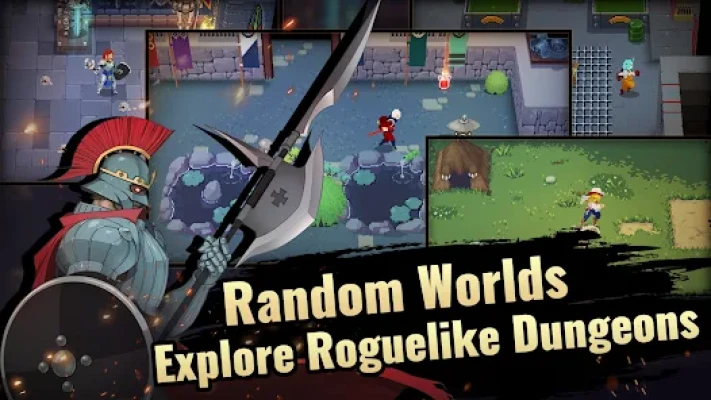
Rather than following a completely fixed adventure, the game emphasizes replayability. Dungeon layouts, encounters, rewards, and item opportunities can change between runs, encouraging players to adapt their tactics instead of relying on the same approach every time.
The experience revolves around three main activities: fighting enemies, building a stronger character through collected items, and learning how to survive increasingly difficult encounters. A successful run depends on more than dealing damage. Movement, positioning, ability timing, and smart item choices are equally important.
Main Features of Otherworld Legends
1. Distinctive Playable Heroes
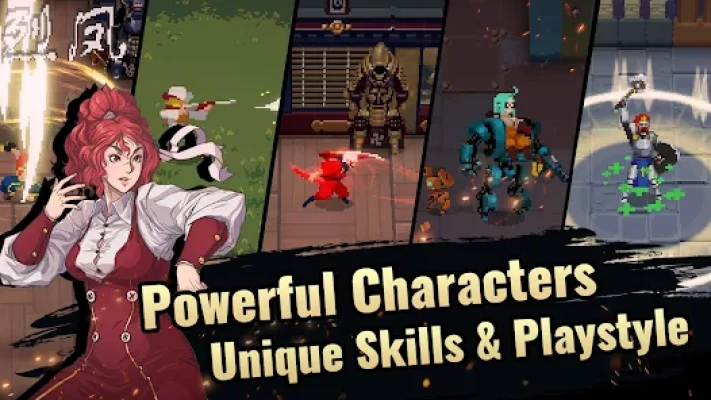
The game offers a selection of heroes with different combat styles, abilities, and strengths. Some are better suited to aggressive melee combat, while others favor ranged attacks, magical abilities, mobility, or tactical control.
Choosing a character that matches your preferred playstyle makes the early stages easier to understand and gives you a clearer direction when selecting items.
2. Fast-Paced Action Combat
Combat focuses on movement, attacks, special abilities, and avoiding incoming damage. Enemies can surround you, attack from a distance, or punish predictable movement.
Learning when to attack and when to retreat is essential. A character with high damage can still struggle if the player ignores enemy attack patterns or gets trapped in a crowded room.
3. Randomized Dungeon Exploration
Otherworld Legends features changing dungeon encounters, multiple environments, hidden rooms, secret shops, and dangerous bosses. Exploration can uncover valuable rewards, but wandering into every fight without considering your remaining health can make a promising run much harder.
4. Unusual Items and Build Combinations
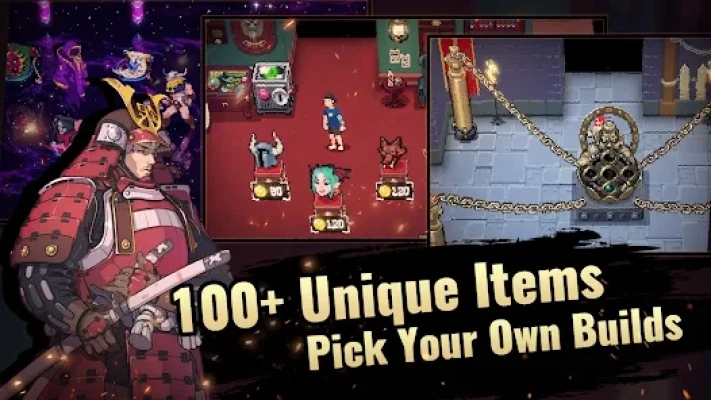
Items are a major part of character progression during a run. Different effects can improve damage, survivability, attack speed, or other aspects of combat.
The most effective approach is to build around a clear strategy rather than collecting items without considering how they work together. A carefully chosen combination can be more useful than several powerful effects that do not complement one another.
5. Challenging Boss Battles
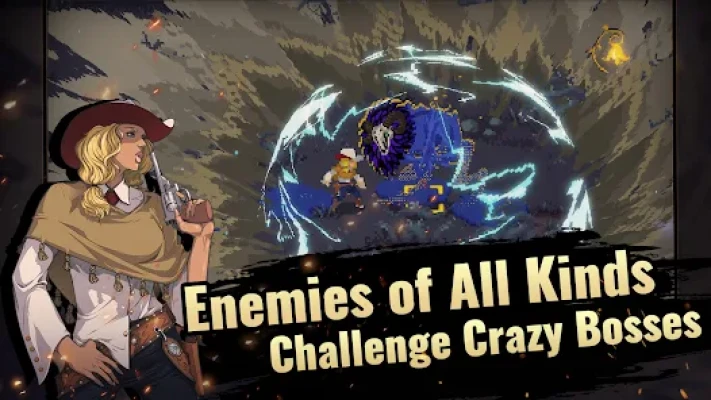
Boss encounters test your ability to recognize attack patterns, manage distance, and find safe opportunities to deal damage. Some bosses become much easier once you understand their movement and the timing of their strongest attacks.
6. Solo and Cooperative Play
Players can enjoy the adventure alone or team up with friends in supported multiplayer modes. Cooperative play adds another layer of strategy because players can divide enemy attention, assist teammates, and combine different combat styles.
7. Retro-Inspired Pixel Art
The game uses detailed pixel-style visuals and animated characters to create a distinctive atmosphere. Its environments range from peaceful-looking areas to dark, dangerous dungeons, giving different stages their own visual identity.
8. Offline Gameplay
Offline play is supported, making the game suitable for players who want to enjoy dungeon runs without a constant internet connection. Online connectivity may still be required for particular features, updates, account functions, or multiplayer sessions.
Gameplay Mechanics Explained
Movement and Positioning
Movement is one of the most important parts of combat. Staying in one place makes it easier for enemies to surround you or land repeated attacks.
Move around dangerous enemies, avoid standing in obvious attack paths, and try to keep an escape route open. Against groups, repositioning can help prevent several enemies from attacking at once.
Basic Attacks and Special Skills
Basic attacks provide consistent damage, while special abilities can deliver stronger attacks, control groups of enemies, or help you respond to dangerous situations.
Learn the reach, timing, and limitations of your character's abilities. Using every skill immediately may leave you without an effective response when a boss begins a more dangerous attack.
Items and Temporary Builds
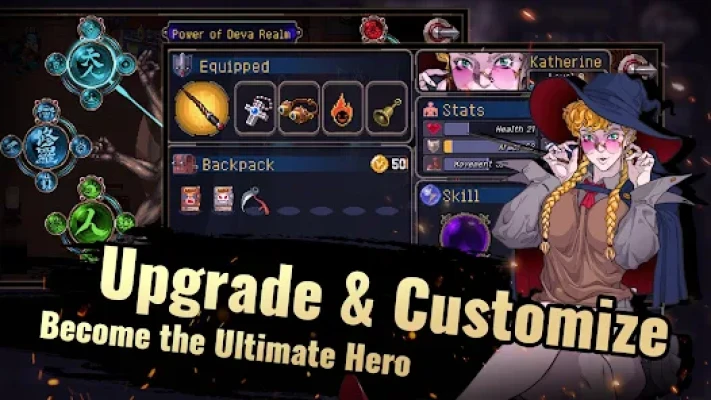
Items collected during a run can change how your character performs. Some combinations reward frequent attacks, while others work better with abilities, critical hits, defensive effects, or specific combat patterns.
Read item descriptions carefully and consider how each new effect improves your current setup. Do not assume that a rare item is automatically the best choice for every character.
Exploration and Hidden Rewards
Rooms and side areas can contain useful rewards or optional challenges. Explore carefully, watch for unusual entrances, and investigate opportunities that appear during a run.
However, exploration should be balanced against your current condition. If your health is low and the next encounter is dangerous, preserving your progress may be more important than taking an unnecessary risk.
Complete Otherworld Legends Strategy Guide
Beginner Guide: How to Start Strong
Step 1: Choose a hero you can understand.
Start with a character whose attacks feel comfortable and whose abilities are easy to use consistently. You do not need to master every hero immediately. Learning one character's strengths will teach you the fundamentals of the game.
Step 2: Learn the attack controls.
Spend your first few runs understanding the range of your basic attacks, the timing of your skills, and how quickly you can move away from danger. Consistent execution matters more than attempting complicated combinations too early.
Step 3: Prioritize survival.
Avoid trading health for small amounts of damage when you can safely reposition. Watch how enemies approach, and move away before a group closes around you.
Step 4: Read every item description.
Choose items that improve your main source of damage or address a weakness in your build. If you frequently take damage, a useful defensive effect may contribute more to success than another small offensive bonus.
Step 5: Explore without rushing.
Check available rooms and rewards before moving forward. Hidden areas and shops may offer useful opportunities, but you should not enter a dangerous encounter blindly when your character is already struggling.
Step 6: Treat every defeat as a lesson.
After losing a run, identify the main problem. Did you take too much damage from ordinary enemies? Did your build lack reliable damage? Did you waste abilities before a boss attack? Correcting one mistake at a time is a practical way to improve.
Advanced Combat Tips
Control the pace of each fight.
You do not need to attack continuously. Briefly stepping away from an enemy can give you time to identify its next move and choose a safer opening.
Avoid fighting in the middle of a crowd.
Whenever possible, reposition so that fewer enemies can attack you simultaneously. This is especially useful when melee enemies close in while ranged enemies attack from a distance.
Use skills with a purpose.
Save important abilities for moments when they can deal meaningful damage, interrupt an enemy's rhythm, or help you escape a dangerous situation. Random skill usage often leaves you vulnerable at the wrong time.
Pay attention to attack recovery.
Many enemies leave openings after completing an attack. Learn to recognize these moments and respond with a short, effective counterattack instead of remaining exposed for too long.
Keep your build focused.
A build designed around rapid attacks should prioritize effects that complement that style. A character relying on abilities should look for items that strengthen that approach. A collection of unrelated bonuses can make your character stronger in several small ways without making it particularly effective at anything.
Adapt when the game offers different rewards.
Do not force the same build in every run. If the available items favor a different approach, consider adjusting your strategy instead of spending the entire adventure waiting for one specific effect.
Best Item-Building Strategy
There is no single item combination that is best for every hero, difficulty, and situation. A practical build should support a clear combat plan.
Offensive build: Focus on effects that increase your consistent damage and help you eliminate dangerous enemies quickly. Avoid sacrificing so much survivability that ordinary mistakes end the run.
Defensive build: Prioritize effects that help you survive repeated encounters. Defensive choices are particularly useful while learning unfamiliar bosses or exploring higher difficulties.
Ability-focused build: Select items that improve the effectiveness of your chosen skills. Pay attention to whether an item supports frequent ability use, stronger individual attacks, or a particular combat condition.
Balanced build: Combine reliable damage with enough protection to survive mistakes. This is often the most forgiving approach for players who are still learning enemy patterns.
Before selecting an item, ask three questions: Does it improve my main source of damage? Does it solve a problem I keep encountering? Does it work well with the items I already have? If the answer to at least one question is yes, it may be worth considering.
Boss Fight Strategy
Bosses can punish impatient players, particularly when their attacks cover large areas or leave little time to react.
First, observe the pattern. During the opening moments, watch how the boss moves, when it attacks, and which areas become dangerous.
Second, stay mobile. Avoid remaining directly in front of a boss when it is preparing a powerful attack. Move toward a safer position and wait for the attack to finish.
Third, attack during clear openings. Use the recovery period after a boss attack to deal damage. A short, safe attack is usually better than a long combination that leaves you exposed.
Fourth, manage your abilities. Avoid spending every important skill at the beginning of a fight if doing so leaves you unable to respond to later threats.
Fifth, learn from repeated attempts. If a boss defeats you, identify the attack that caused the most trouble. Improving your response to that specific move can make the next attempt considerably easier.
Dungeon Exploration and Resource Management
Exploration is valuable because optional rooms and shops can provide opportunities to improve your character. Nevertheless, the best route is not always the one containing the most encounters.
Consider your remaining health, the strength of your current build, and the potential reward before taking an unnecessary risk. When a shop offers several choices, compare their effects instead of spending resources immediately.
A useful general rule is to favor upgrades that improve your current strategy while keeping enough flexibility to handle later encounters. If your character already deals plenty of damage but struggles to survive, additional offensive effects may have diminishing practical value.
Multiplayer Tips
Cooperative play works best when players pay attention to the entire battlefield rather than focusing exclusively on their own attacks.
Spread out when enemies use area attacks, but stay close enough to support teammates when necessary. Coordinate important abilities against dangerous enemies, and avoid repeatedly moving into the same hazardous area.
Different character styles can complement each other. A player who handles enemies at close range may benefit from a teammate who can attack from a distance or control the battlefield. Adapt your choices to the group rather than treating every encounter as a solo run.
Progression Tips for Long-Term Players
As you become more familiar with the game, experiment with additional heroes and different approaches to combat. Learning a new character can reveal strategies that are useful even when returning to your original favorite.
Pay attention to available unlocks, permanent progression systems, and game modes. Their exact requirements can vary by version, so check the current in-game descriptions before spending valuable resources.
It is also wise to protect your progress. If the game offers account linking or cloud-save options, review the available backup method before changing devices or reinstalling. Do not assume that every purchase, unlock, or local save will automatically transfer between devices.
Common Mistakes to Avoid
Attacking without watching enemies: Continuous aggression can leave you exposed to attacks that could have been avoided.
Ignoring defensive needs: A high-damage build is not always effective if it cannot survive long enough to use its damage.
Collecting items without a plan: Item effects should support a coherent strategy rather than being chosen solely because they look powerful.
Using special abilities too early: Spending important skills without considering upcoming threats can make later encounters more difficult.
Rushing through unfamiliar bosses: Taking time to recognize attack patterns often saves more health than attempting to defeat a boss as quickly as possible.
Ignoring optional areas completely: Useful rewards can be missed when every room is treated as a mandatory obstacle on the way to the exit.
Repeating the same failed strategy: If a particular approach repeatedly causes problems, change your positioning, build, or timing rather than relying on luck.
Assuming progress is automatically backed up: Check save and account options before switching devices or reinstalling the game.
Graphics, Sound, and Atmosphere
Otherworld Legends uses a retro-inspired visual style that combines pixel-art characters with detailed environments and expressive combat animations. The result is colorful and readable without abandoning the darker atmosphere associated with dangerous dungeons and supernatural encounters.
Its different environments help keep exploration visually varied. Combat animations give attacks a clear sense of impact, while enemy designs help distinguish different threats during busy fights.
The atmosphere works particularly well for players who enjoy action games that combine playful visual details with challenging battles. Rather than relying entirely on cinematic storytelling, the game communicates much of its personality through its characters, environments, and moment-to-moment combat.
Pros and Cons
Pros
Fast and satisfying action combat.
Multiple heroes with different fighting styles.
Randomized dungeon runs that encourage replaying.
Numerous items and opportunities for creative builds.
Hidden rooms, shops, and challenging boss encounters.
Pixel-art presentation with distinctive animations.
Solo play and supported cooperative multiplayer.
Offline play for supported content.
Cons
Combat can become difficult when several enemies attack together.
New players may need time to understand item combinations and character abilities.
Random rewards can make some runs feel less consistent than others.
Mastering boss patterns requires patience and repeated attempts.
Unlocks, purchases, and progression may require careful account and save management.
Is Otherworld Legends Worth Playing?
Otherworld Legends is worth considering if you enjoy action RPGs where skill, movement, and build choices matter as much as character progression. Its combination of randomized dungeons, varied heroes, unusual items, and challenging bosses gives each run room to develop differently.
It is especially appealing to players who like learning enemy patterns and experimenting with different combat strategies. The game can be demanding, but its depth provides a reason to keep improving rather than treating each defeat as wasted time.
Players who prefer a strictly linear adventure or dislike repeating stages after a failed run may find the roguelike structure less appealing. For fans of fast-paced dungeon crawlers, however, Otherworld Legends offers a rewarding mix of action and experimentation.
Frequently Asked Questions
What type of game is Otherworld Legends?
Otherworld Legends is a pixel-art action RPG with roguelike dungeon exploration, real-time combat, hero selection, item-based builds, and boss battles.
Who developed Otherworld Legends?
The game was developed by ChillyRoom, the studio known for action-focused games with distinctive pixel-art presentation.
Can you play Otherworld Legends offline?
Yes. Offline gameplay is supported for compatible modes. Some features, including online multiplayer and certain account-related functions, may require an internet connection.
Does Otherworld Legends have multiplayer?
Yes. The game supports cooperative multiplayer in compatible modes. Available player counts and connection requirements may depend on the current version and mode.
How do you become stronger in Otherworld Legends?
Choose a hero whose fighting style suits you, improve your understanding of combat, and collect items that work well together. Learn to avoid enemy attacks and make use of safe opportunities to deal damage.
What is the best hero in Otherworld Legends?
There is no universally best hero for every player and situation. The most suitable choice depends on your preferred combat style, experience, available unlocks, and the build you develop during a run.
What is the best build in Otherworld Legends?
The best build depends on the hero and available items. Focus on a consistent damage strategy while maintaining enough survivability to handle difficult rooms and bosses.
Why is Otherworld Legends difficult?
The game combines groups of enemies, varied attack patterns, randomized encounters, and bosses that punish poor positioning. Learning enemy behavior and choosing compatible items makes later attempts more manageable.
Does Otherworld Legends have hidden rooms?
Yes. Hidden rooms and secret shops are part of the dungeon-exploration experience. Explore carefully and pay attention to unusual areas and opportunities as you progress.
Can you save progress in Otherworld Legends?
Progress and save behavior depend on the game's supported systems and account setup. Check the in-game settings and available account or cloud-save options before changing devices or reinstalling.
Is Otherworld Legends suitable for beginners?
Beginners can enjoy the game, but the combat and item systems take practice to master. Starting with a comfortable hero and focusing on survival before advanced combinations is a good way to learn.
Is Otherworld Legends free to play?
Availability, purchases, and monetization can vary by store and region. Check the current Google Play listing for the latest pricing and in-app purchase information.
Final Verdict
Otherworld Legends combines responsive action combat, colorful pixel-art environments, randomized dungeon exploration, and flexible item builds in an adventure designed for repeated play. Its strongest feature is the freedom to approach battles in different ways, whether through aggressive melee attacks, ranged combat, carefully timed abilities, or a balanced defensive strategy.
For players searching for an action RPG with roguelike mechanics, challenging bosses, varied heroes, and cooperative options, Otherworld Legends is a strong game to explore. Learning to move intelligently, build around complementary items, and recognize enemy patterns will make each run more rewarding.
Rate the Game
User Reviews














Popular Games



















 Android
 iOS
 Windows
 Xbox