


Latest Version
November 07, 2026
Mobirate
Role Playing
0
com.mobirate.deadaheadgo
Report a Problem
More About :game
Combining idle RPG progression, roguelike elements, exploration, and survival storytelling, the game offers an experience built around making decisions and developing a group of survivors. Players must recruit characters, improve their abilities, manage available resources, and prepare for increasingly dangerous encounters.
With pixel-art graphics, a dark atmosphere, character progression, and a zombie-filled world, Dead Ahead: Roadside offers an interesting adventure for fans of survival RPGs and post-apocalyptic games.
What Is Dead Ahead: Roadside?
Dead Ahead: Roadside takes players into a world where civilization has been devastated by a zombie outbreak. Survivors must find ways to stay alive while traveling through dangerous areas filled with infected enemies and unpredictable situations.
Unlike traditional zombie shooters that focus primarily on aiming and shooting, Dead Ahead: Roadside emphasizes survivor development, resource management, exploration, and long-term progression.
Players take responsibility for a group of survivors and must help them overcome the challenges of the apocalypse. Every decision can influence the journey, while character development and team management play important roles in survival.
The game combines several gameplay systems, including idle progression, RPG mechanics, roguelike-inspired encounters, and narrative choices.
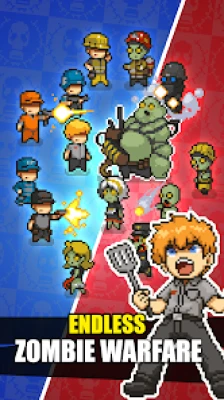
Its pixel-art presentation gives the world a distinctive visual identity, while the survival setting creates an atmosphere of constant danger.
Main Features of Dead Ahead: Roadside
Zombie Apocalypse Setting
Explore a dangerous post-apocalyptic world where zombies threaten every journey. The environment creates a challenging atmosphere in which preparation and careful decision-making are essential.
Survivor Recruitment
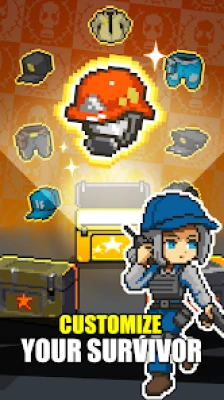
Build a group of survivors and develop a team capable of facing different dangers. Recruiting useful characters gives you more options when preparing for difficult encounters.
Idle RPG Progression
The game incorporates idle progression mechanics that support character development and long-term advancement.
Roguelike Elements
Encounters and survival situations introduce uncertainty, encouraging players to adapt their strategies and make thoughtful decisions.
Story-Driven Adventure
Experience a narrative focused on survival, relationships, and decisions. Your choices help shape the direction of the adventure.
Character Development
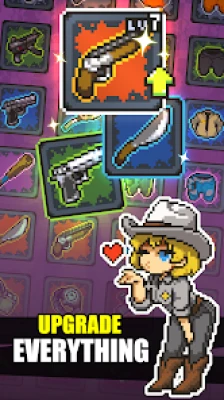
Improve your survivors and develop their capabilities as you progress through the game.
Resource Collection
Gather valuable supplies and use them to support your group. Resource management is an important part of maintaining a successful survival operation.
Pixel-Art Graphics
Enjoy a distinctive visual style that combines retro-inspired characters, environments, and zombie designs.
Zombie Combat
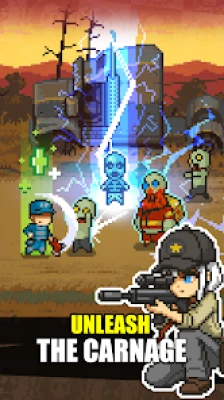
Face dangerous undead enemies and prepare your survivors for encounters across the post-apocalyptic world.
Long-Term Progression
Continue developing your group, discovering new opportunities, and strengthening your survival capabilities.
Specific Game Information
Category | Details |
|---|---|
Game Title | Dead Ahead: Roadside |
Developer | Mobirate |
Publisher | ABE Entertainment Limited |
Package Name | com.mobirate.deadaheadgo |
Platform | Android |
Genre | Role-Playing |
Subgenre | Idle RPG, Zombie Survival |
Setting | Zombie Apocalypse |
Visual Style | Pixel Art |
Gameplay | Exploration, Combat, Team Development |
Main Features | Survivor Recruitment and Progression |
Game Structure | Story-Driven Survival |
Monetization | Free-to-Play Model |
In-App Purchases | Available |
Understanding Dead Ahead: Roadside Gameplay
The main gameplay experience revolves around leading survivors through a world devastated by a zombie outbreak.
Your group needs more than basic combat abilities to survive. You must also develop characters, collect resources, and make decisions that support long-term progression.
The idle RPG system adds a progression layer that allows players to develop their group beyond individual combat encounters.
Roguelike elements introduce additional uncertainty, making it important to adapt rather than depend on one fixed strategy.
Storytelling also plays a significant role. The decisions you make can influence relationships and the direction of your adventure.
This combination of survival, character development, and narrative progression creates a different experience from traditional action-focused zombie games.
Complete Dead Ahead: Roadside Strategy Guide
Getting Started With Your Survival Adventure
When starting Dead Ahead: Roadside, focus on understanding the basic progression systems.
Become familiar with your survivors, available resources, combat mechanics, and the different activities that support your journey.
Avoid spending valuable resources immediately without understanding their purpose.
Your early objective should be to establish a reliable group and develop a foundation for future encounters.
Pay attention to the introductory missions and story events because they help explain the world and introduce important gameplay systems.
Take your time learning how character progression works before making major decisions about upgrades.
Building a Strong Survivor Team
Your survivors are the foundation of your survival strategy.
A strong group should be capable of handling different threats rather than depending entirely on one character.
When recruiting new survivors, consider their abilities, usefulness, and potential contribution to the team.
Try to develop a balanced group with characters who can support different aspects of combat and survival.
Avoid concentrating all your progression resources on a single survivor unless that character is central to your current strategy.
A well-developed team offers greater flexibility when facing unfamiliar encounters.
Understanding Character Progression
Character development is essential for overcoming increasingly difficult challenges.
As you advance, improve your survivors and pay attention to the abilities that make each character useful.
Prioritize upgrades that improve your team's overall effectiveness.
If a particular encounter repeatedly causes problems, consider whether your survivors need better development or a different combination of abilities.
Do not assume that increasing every character's level equally is always the most efficient approach.
Instead, identify your most useful team members and invest in them while gradually improving the rest of the group.
Managing Resources Carefully
Resources are essential for maintaining your survivor group.
You need supplies to support progression, improve characters, and prepare for future challenges.
Avoid spending everything as soon as it becomes available.
Instead, establish priorities based on your current needs.
Focus on resources that directly improve your team's survival capabilities.
If you have limited supplies, avoid unnecessary purchases that do not contribute to your immediate objectives.
Careful resource management becomes increasingly important as the adventure introduces more demanding situations.
Understanding Idle Progression
The idle RPG system provides an additional way to develop your group.
Rather than treating every progression activity as an isolated task, think about how different systems contribute to your long-term survival.
Check your available progression opportunities regularly and collect rewards when they become available.
Use the resources you obtain to strengthen important characters and improve your overall readiness.
Idle progression is especially useful when combined with a consistent upgrade strategy.
Avoid leaving important development opportunities unused when they can help prepare your team for future encounters.
Mastering Zombie Combat
Combat is one of the central challenges of surviving the apocalypse.
Different encounters may require different approaches, depending on the enemies and the abilities available to your group.
Before entering a dangerous situation, make sure your team is sufficiently developed.
Pay attention to the strengths of individual survivors and consider how their abilities work together.
Do not depend entirely on offensive strength. A successful survival strategy should also account for the team's ability to withstand incoming threats.
When an encounter becomes difficult, review your character development and available resources before trying again.
Adapting to Different Zombie Threats
Not every zombie encounter should be approached in exactly the same way.
Different enemy situations may demand adjustments to your team composition and progression priorities.
Observe the threats you encounter and identify which aspects of your group need improvement.
If your survivors struggle against a particular enemy, consider strengthening their relevant abilities or changing the team arrangement.
Learning from difficult encounters is one of the most effective ways to improve your performance.
Exploring the Post-Apocalyptic World
Exploration is an important part of the adventure.
As you travel through the world, you encounter different situations, story developments, and opportunities to collect useful resources.
Do not focus exclusively on rushing toward the next objective.
Take time to understand the available activities and make decisions that support your group.
Exploration also helps you become more familiar with the game's atmosphere and narrative.
Approach unfamiliar situations carefully and avoid unnecessary risks when your survivors are not properly prepared.
Making Smart Story Decisions
Dead Ahead: Roadside places emphasis on narrative choices and relationships between survivors.
Your decisions help shape the experience, making the story more than a simple sequence of combat encounters.
Before making an important choice, consider its possible consequences for your group.
Think about the immediate benefits as well as the potential long-term effects.
Avoid assuming that every decision with an attractive short-term reward will necessarily be the best option.
The survival setting makes decision-making an important part of the overall experience.
Developing Survivor Relationships
Relationships contribute to the narrative side of the game.
The survivors are not simply combat units. They are characters within a shared story, and their interactions help give the world more personality.
Pay attention to narrative events and relationship-related decisions.
A thoughtful approach to character interactions can make the adventure more engaging and help you understand the motivations of different survivors.
Preparing for Difficult Encounters
Preparation becomes increasingly important as you advance.
Before entering a challenging encounter, review your team's development and available resources.
Make sure your most important survivors are ready and that you have not overlooked useful progression opportunities.
If your current strategy repeatedly fails, do not simply repeat the same actions.
Look for weaknesses in your team and make targeted improvements.
Sometimes improving one important character or changing your approach can be more effective than making several unnecessary upgrades.
Making the Most of Idle Rewards
Idle rewards can contribute significantly to long-term development.
Check the available reward systems regularly and use the resources to support your team's progression.
Prioritize rewards that help you improve your most useful survivors.
A consistent approach to collecting and spending resources can make the overall adventure smoother.
Balancing Combat and Story Progression
One of the best ways to enjoy Dead Ahead: Roadside is to balance its different gameplay systems.
Concentrating entirely on combat can cause you to overlook the narrative and character-development features.
On the other hand, focusing exclusively on story progression without preparing your survivors can make difficult encounters more challenging.
Try to alternate between improving your group, exploring new situations, and following the main storyline.
This balanced approach helps you experience more of what the game offers.
Advanced Tips and Tricks for Dead Ahead: Roadside
Prioritize Your Most Useful Survivors
Focus your early progression resources on characters who contribute the most to your team's overall effectiveness.
Avoid Unnecessary Spending
Save valuable resources for upgrades and purchases that provide meaningful benefits.
Develop a Balanced Team
A group with complementary abilities can provide more flexibility than one built around a single character.
Collect Idle Rewards Regularly
Check available progression rewards and use them to maintain steady development.
Learn From Difficult Encounters
When your team fails, identify the weaknesses that caused the problem before attempting the challenge again.
Pay Attention to Story Choices
Consider the possible consequences of important decisions rather than choosing options based only on immediate rewards.
Improve Your Team Gradually
Consistent character development is more useful than spending everything on upgrades without a clear objective.
Explore Available Activities
Do not ignore optional opportunities that may provide useful progression resources.
Prepare Before Major Challenges
Review your survivors and their development before attempting demanding encounters.
Balance Short-Term and Long-Term Goals
Choose upgrades that help with current obstacles while also supporting your future progression.
Common Mistakes to Avoid
Ignoring Character Development
A poorly developed team can struggle against increasingly difficult zombie encounters. Make survivor progression a regular priority.
Spending Resources Without Planning
Unnecessary purchases can slow your progress and make important upgrades harder to obtain.
Depending on One Survivor
A team that relies entirely on one character may struggle when facing different situations.
Ignoring Idle Progression
Leaving available rewards uncollected can slow down your overall development.
Rushing Through Story Decisions
Important choices are part of the game's narrative experience. Take time to consider their possible consequences.
Using the Same Strategy Everywhere
Different encounters may require different approaches. Adapt your team and priorities when necessary.
Overlooking Exploration
Focusing only on immediate objectives can cause you to miss useful activities and interesting story moments.
Is Dead Ahead: Roadside Worth Playing?
Dead Ahead: Roadside is an interesting choice for players who enjoy zombie survival games with RPG progression and story-driven gameplay.
Its biggest attraction is the combination of survivor development, idle progression, and narrative decisions. Instead of focusing exclusively on defeating zombies, the game encourages players to develop a group, manage resources, and shape their journey through a dangerous world.
The pixel-art presentation also gives the experience a distinctive identity.
Players who enjoy character recruitment, team management, and long-term progression may particularly appreciate its gameplay structure.
However, those looking for a traditional fast-paced zombie shooter may prefer a more action-focused game.
Overall, Dead Ahead: Roadside offers a different approach to the zombie apocalypse genre by combining survival mechanics with RPG development and storytelling.
Frequently Asked Questions
What is Dead Ahead: Roadside?
Dead Ahead: Roadside is a zombie apocalypse idle RPG developed by Mobirate. Players lead a group of survivors, collect resources, develop characters, and face dangerous situations in a post-apocalyptic world.
Who developed Dead Ahead: Roadside?
The game was developed by Mobirate, the studio behind the Dead Ahead franchise.
What type of game is Dead Ahead: Roadside?
It combines idle RPG mechanics, zombie survival, roguelike elements, exploration, and story-driven gameplay.
Can you recruit survivors?
Yes. Building and developing a group of survivors is an important part of the experience.
Does Dead Ahead: Roadside have a storyline?
Yes. The game features a narrative adventure involving survival, character relationships, and decisions that influence the direction of the story.
Does the game include idle mechanics?
Yes. Idle progression is one of its main gameplay elements, supporting long-term character and team development.
Does Dead Ahead: Roadside feature zombies?
Yes. The game takes place during a zombie apocalypse and includes encounters with dangerous undead enemies.
Can you upgrade your characters?
Character development is an important part of the RPG experience. Players improve their survivors as they progress.
Is Dead Ahead: Roadside similar to Dead Ahead: Zombie Warfare?
Both games belong to the Dead Ahead universe and share the zombie-apocalypse setting. However, Zombie Warfare focuses on tactical tower-attack battles and deck-building, while Roadside takes an idle RPG and story-driven survival approach.
Is Dead Ahead: Roadside free to play?
The game is distributed as a free-to-play mobile title. Optional monetization features may be available.
Is Dead Ahead: Roadside suitable for zombie game fans?
Yes. Its combination of survivor management, zombie encounters, pixel-art visuals, and RPG progression makes it an appealing option for fans of the genre.
Final Verdict
Dead Ahead: Roadside brings a fresh RPG-focused experience to Mobirate's zombie apocalypse universe. Its combination of idle progression, survivor recruitment, resource management, roguelike elements, and story-driven decisions creates an adventure that goes beyond ordinary zombie combat.
The key to success is building a balanced survivor group, developing useful characters, managing resources carefully, and making thoughtful decisions throughout the journey.
Whether you enjoy managing survivors, exploring dangerous environments, developing RPG characters, or experiencing stories set in a zombie-infested world, Dead Ahead: Roadside offers an engaging mobile survival adventure.
Rate the Game
User Reviews














Popular Games



















 Android
 iOS
 Windows
 Xbox