










Latest Version
November 05, 2026
Enjoy Global, Inc.
Role Playing
iOS
0
Report a Problem
More About :game
What Is Enjoy AI Town?
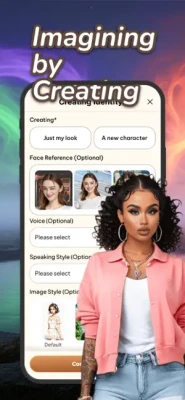
Enjoy AI Town is a social world simulator developed by Enjoy Global, Inc. It combines life simulation, artificial intelligence, creative building, and roleplaying in one interactive experience.
Instead of following a single fixed storyline, players can explore a virtual town, interact with its residents, and create their own adventures. The experience revolves around imagination and personal choices. You can become a player who explores worlds created by others or take the role of a creator who designs characters, stories, outfits, locations, items, and pets.
The game offers a flexible environment where different ideas can become part of your adventure. You might create a fantasy setting, build a dungeon, introduce characters with different personalities, or develop a story involving friends and rivals.
The AI-powered concept gives interactions a more conversational feel. Characters can respond to situations and participate in roleplaying scenarios, making the experience different from traditional games built around entirely fixed dialogue.
Main Features of Enjoy AI Town
AI-Powered Characters
One of the central features of Enjoy AI Town is its collection of virtual residents. Players can meet different characters and interact with them through conversations and roleplaying.
These interactions help create personal stories. You can introduce situations, develop character relationships, and explore different directions based on the conversations you have.
Create Your Own Characters
The game allows players to create original characters rather than relying only on the residents already available in the world.
You can develop character concepts, personalities, and roles that fit your preferred stories. Whether you want to introduce a fantasy hero, a mysterious rival, or a friendly companion, character creation gives you room to experiment.
Build Stories and Adventures
Enjoy AI Town is designed around open-ended storytelling. You can create your own scenarios and use characters and locations to bring them to life.
A simple idea can become a longer adventure when you introduce new characters, conflicts, friendships, and unexpected events.
Customize Outfits
Outfit creation adds another creative dimension. You can design clothing and visual styles for characters to help establish their identities.
Different outfits can support different themes, such as fantasy adventures, everyday life, or imaginative roleplaying scenarios.
Design Locations
Players can create locations for their stories and adventures. These environments provide settings where characters can meet, explore, and interact.
You might build a dungeon, create a meeting place, or design a location that supports a larger fantasy world.
Create Items and Pets
The creative tools also allow players to introduce items and pets into their worlds. These additions can make a setting feel more personal and give characters more things to interact with.
You can use them to develop a theme, add personality to a location, or expand the possibilities of a roleplaying scenario.
Explore Worlds Created by Others
Enjoy AI Town is not limited to creating everything yourself. You can also explore the wider world and meet its residents.
This makes the experience suitable for players who enjoy discovering new ideas as well as those who prefer building their own content.
Open-Ended Roleplaying
The game supports different kinds of roleplaying. You can take on a character's identity, create friends and opponents, and develop situations that suit your imagination.
There is no single creative direction that every player must follow. Your experience can focus on social interactions, fantasy adventures, world-building, or personal storytelling.
Gameplay Mechanics Explained
Exploring the AI Town
Exploration is one of the main ways to experience the game. You can visit the virtual world, discover its residents, and find characters or settings that interest you.
Rather than concentrating on a traditional sequence of missions, the experience encourages curiosity. Exploring different parts of the world can give you ideas for future stories and creative projects.
Character Interaction
Communication is central to the gameplay. You interact with AI characters and use conversations to develop situations.
You can introduce topics, ask questions, establish relationships, and guide roleplaying scenarios. The responses help determine how a conversation develops.
Because AI interactions can be unpredictable, it is useful to give characters clear context when you want a particular type of scene or response.
Character Creation
Creating a character involves thinking about more than appearance. A memorable character should have a recognizable personality, background, motivation, and role in the world.
For example, a fantasy adventurer might be curious and brave, while a rival character might be competitive and secretive. These differences help make interactions more interesting.
Story Creation
Story creation allows you to turn individual conversations into larger adventures. You can establish a setting, introduce a central situation, and decide which characters should participate.
A story can be simple, such as two characters becoming friends, or more elaborate, such as a fantasy journey involving heroes, enemies, and a mysterious dungeon.
World Building
The world-building tools let you create locations and supporting elements for your ideas.
A well-designed setting gives characters somewhere to meet and provides context for their interactions. You can build locations around a particular theme and gradually expand the world as your stories develop.
How to Play Enjoy AI Town
Enter the World
Start by opening the game and exploring the available experience. Become familiar with the town and the characters you can meet.
Meet the Residents
Choose characters that interest you and begin interacting with them. Use conversations to learn about their personalities and develop your own roleplaying situations.
Choose Your Role
Decide how you want to experience the world. You can explore as a player, create original content, or combine both approaches.
Create a Character
Develop an original character with a clear identity. Think about the character's personality, appearance, background, and purpose in your story.
Start a Story
Choose a setting and introduce a situation. Give the characters a reason to interact, whether it is a friendship, a challenge, a mystery, or a fantasy adventure.
Build Your Locations
Create places that support your story. A dungeon, meeting area, or fantasy environment can give your characters a setting in which to interact.
Customize Your World
Add outfits, items, pets, and other creative elements to make your world more distinctive.
Continue Exploring
Return to the town, meet more residents, and experiment with new ideas. You can develop different stories instead of limiting yourself to one adventure.
Complete Enjoy AI Town Strategy Guide
Start With a Clear Creative Idea
Before building a large world, decide what kind of experience you want.
You might prefer a fantasy adventure, a social simulation, a mystery, or a character-focused story. Having a basic direction makes it easier to decide which characters, locations, and objects you need.
A clear concept also prevents your creative project from becoming a collection of unrelated ideas.
Develop Characters With Distinct Personalities
Characters become more interesting when they have recognizable traits.
Instead of describing everyone as friendly or helpful, give each character a different personality. One might be confident and adventurous, another might be shy and thoughtful, while a third could be ambitious or mysterious.
You can also define each character's goals and relationships. These details give conversations more context and help make roleplaying scenarios feel coherent.
Give AI Characters Useful Context
When interacting with AI characters, provide enough information for the conversation to make sense.
Explain who you are, where the scene takes place, and what is happening. If you want a character to behave in a particular way, describe the situation clearly rather than relying on vague instructions.
For example, instead of simply saying that you want a fantasy adventure, explain that your character has entered an ancient dungeon and is searching for a missing explorer.
Clear context can make it easier to develop a focused conversation.
Build a Strong Story Setting
A good setting gives your story a sense of identity. Before creating several characters, decide where the main events will happen.
A fantasy kingdom might need a castle, a village, and a dangerous dungeon. A modern social story might need a home, a school, or a meeting place.
You do not need to build every location immediately. Start with the most important setting and expand it as the story develops.
Create Stories With Clear Goals
Stories become easier to follow when characters have something they want to accomplish.
A hero might be searching for a lost object. Two friends might be trying to solve a mystery. A group of adventurers might need to escape a dangerous dungeon.
A clear objective gives conversations direction and creates opportunities for meaningful decisions.
Use Different Characters to Create Conflict
Stories do not need every character to agree with one another. Different opinions, personalities, and goals can create interesting situations.
You can introduce friendly competition, disagreements, rivalries, or unexpected alliances. These relationships help prevent conversations from feeling repetitive.
Keep each character's motivations consistent so that their behavior makes sense within the story.
Experiment With Different Roleplaying Styles
Do not restrict yourself to one type of adventure. Try different themes and character roles to discover what you enjoy most.
You could create a fantasy hero in one story, become a detective in another, and explore a social scenario in a separate world.
Experimenting with different approaches helps you discover more possibilities within the game's creative systems.
Make Your Locations Serve a Purpose
A location should contribute something to the experience. A dungeon can create opportunities for exploration, while a town square can provide a place for characters to meet.
Think about what happens in each environment and which characters belong there.
Adding locations with clear purposes can make your world feel more organized and believable.
Build Your World Gradually
It can be tempting to create many characters, outfits, and locations immediately. However, building everything at once can make a project difficult to manage.
Start with a small group of important characters and a few useful locations. Once the central idea works, introduce additional elements.
Gradual development also makes it easier to keep your story consistent.
Give Outfits and Items a Creative Purpose
Customization is more effective when it supports the identity of your characters and locations.
A royal character might wear clothing that reflects their position, while an explorer could have an outfit suited to an adventurous setting. Items can also help establish a character's interests or background.
Try to make creative choices that contribute to the overall theme rather than adding elements without a reason.
Use Pets to Add Personality
Pets can help make a virtual world feel more personal. Consider how a pet fits into the character's life and the setting.
A companion animal might belong to a fantasy traveler, a village resident, or a character living in a peaceful environment.
Giving pets a place within the story can make them feel like meaningful parts of the world.
Explore Before Creating Everything Yourself
Visiting existing characters and worlds can provide inspiration. You may discover storytelling ideas, character concepts, or location themes that you want to adapt into your own creations.
Exploration is also useful when you are unsure what kind of adventure to build next.
Keep Your Roleplaying Consistent
If you want a story to develop over several conversations, keep important details consistent.
Remember character names, relationships, locations, and previous events. When necessary, briefly restate important information so the AI has enough context to continue the scenario.
This is particularly useful when a story includes several characters or complicated events.
Be Patient With AI Responses
AI characters may not always interpret a message exactly as intended. If a response takes the story in an unexpected direction, clarify the situation and explain what you want to happen.
You can also rephrase your instructions or provide additional background.
Treat the interaction as a creative process rather than expecting every response to be perfect.
Advanced Tips and Creative Ideas
Create a Character Profile Before Starting a Story
Write down a character's name, personality, background, goals, and relationships. This gives you a useful reference when developing conversations.
Build a Small World With Connected Locations
Instead of creating unrelated places, connect a few locations into one setting. A village, forest, and dungeon can form the foundation of a fantasy adventure.
Use Supporting Characters
A story becomes more dynamic when it includes more than one central character. Introduce friends, rivals, mentors, and opponents with different motivations.
Create a Mystery
Give your characters a question to investigate. A missing object, unexplained event, or secret location can provide a reason for continued interaction.
Try Different Character Roles
Play as a hero, explorer, detective, ruler, or ordinary resident. Changing your role can create completely different experiences.
Develop Relationships Naturally
Let friendships, rivalries, and other connections develop through conversations and story events. Give characters reasons to trust, challenge, or support one another.
Use Creative Themes
Choose a clear theme for each world. Fantasy, adventure, mystery, everyday life, and imaginative roleplay can all provide starting points for new projects.
Keep Important Details Organized
When a story becomes complicated, summarize the important events and relationships. This helps maintain continuity when continuing the adventure.
Common Mistakes to Avoid
Creating Characters Without Personalities
A character with no clear traits may be difficult to distinguish from others. Give each important character recognizable qualities and motivations.
Starting Without a Story Direction
An unclear scenario can lead to conversations that move in unrelated directions. Begin with a simple objective or situation.
Giving Vague Instructions
Short or confusing messages may not provide enough context. Explain the setting, characters, and situation when you want a more focused response.
Building Too Many Locations at Once
Creating a large world before establishing its main story can make the project harder to manage. Start small and expand gradually.
Making Every Character Similar
If all characters have the same personality, conversations can become repetitive. Give them different goals, attitudes, and ways of responding.
Ignoring Story Continuity
Changing important details without explanation can make a roleplaying adventure confusing. Keep track of the events and relationships that matter.
Expecting Every AI Response to Be Perfect
AI interactions can sometimes be inconsistent or unexpected. Clarify your instructions and guide the conversation when necessary.
Spending Without Checking the Cost
The game is free to download, but optional subscriptions and in-app purchases are available. Review the price and terms before purchasing anything.
Is Enjoy AI Town Worth Playing?
Enjoy AI Town may appeal to players who enjoy creative freedom more than traditional mission-based gameplay.
Its main attraction is the combination of AI character interaction, roleplaying, and world creation. You are not limited to a single predefined hero or storyline. Instead, you can build characters, create settings, and explore different scenarios.
The experience is especially interesting for people who enjoy writing stories, developing fictional personalities, and experimenting with conversational AI.
However, players should understand that AI-generated interactions can sometimes be unpredictable. The game also offers optional purchases and subscriptions, so it is worth checking the available pricing before spending money.
Who Should Play Enjoy AI Town?
Enjoy AI Town may be suitable for players who enjoy:
AI-powered character conversations.
Open-ended roleplaying experiences.
Social simulation games.
Creating original characters and personalities.
Building fictional worlds and locations.
Designing outfits and creative items.
Fantasy adventures and imaginative storytelling.
Exploring virtual characters and environments.
Developing stories through interactive conversations.
It may be less appealing to players who prefer traditional action gameplay, competitive matches, or games with clearly defined missions and fixed objectives.
Frequently Asked Questions
What is Enjoy AI Town?
Enjoy AI Town is an AI-powered social simulation and roleplaying game where players can meet virtual residents, create characters, build locations, and develop their own stories.
Who developed Enjoy AI Town?
The game was developed by Enjoy Global, Inc.
Is Enjoy AI Town free to play?
The game is free to download and play. Optional in-app purchases and subscriptions are available for additional features and experiences.
Can you create your own characters?
Yes. Character creation is one of the main creative features. Players can develop original characters for their stories and roleplaying adventures.
Can you build your own world?
Yes. The game allows players to create locations and other elements that help bring their ideas to life.
Can you interact with AI characters?
Yes. Players can meet virtual residents and interact with them through conversations and roleplaying.
Can you create outfits and pets?
Yes. The official game description includes the ability to create outfits, items, and pets as part of its creative experience.
What can you build in Enjoy AI Town?
You can create stories, characters, outfits, locations, items, and pets. The game also supports imaginative settings such as dungeons and fantasy adventures.
Does Enjoy AI Town have a fixed storyline?
The experience emphasizes open-ended creation and roleplaying rather than requiring every player to follow one fixed storyline. You can develop your own scenarios and adventures.
Is Enjoy AI Town suitable for children?
The App Store listing carries a mature age rating. Parents and guardians should review the current age rating, content information, and privacy details before allowing younger users to access the game.
Does the game include optional purchases?
Yes. Optional in-app purchases and subscriptions are available. Players should review the purchase details before subscribing or buying additional content.
What makes Enjoy AI Town different from traditional simulation games?
Its main difference is the combination of AI-powered conversations with character creation, world-building, and open-ended roleplaying. Players can shape their own experiences rather than simply completing a fixed sequence of tasks.
Final Verdict
Enjoy AI Town offers a creative social simulation experience built around artificial intelligence, character interaction, and open-ended storytelling. Its combination of virtual residents, original character creation, customizable outfits, locations, items, and pets gives players many ways to express their imagination.
The best way to enjoy the game is to begin with a simple idea, develop a few memorable characters, and build a setting that supports your story. From there, you can explore different roleplaying styles, introduce new locations, and create adventures that evolve through interaction.
For players who enjoy AI games, virtual worlds, character creation, and interactive storytelling, Enjoy AI Town offers a flexible creative experience worth exploring.
Rate the Game
User Reviews













Popular Games



















 Android
 iOS
 Windows
 Xbox