

Latest Version
December 11, 2025
MOBIRIX
Puzzle
iOS
0
Report a Problem
More About :game
What Is Ocean Puzzle World?
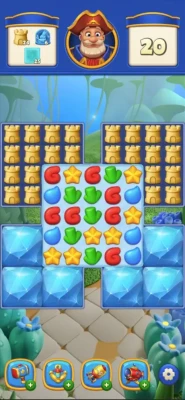
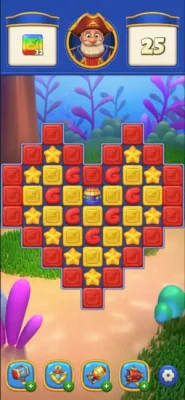
Ocean Puzzle World takes the familiar match-3 puzzle formula and combines it with an underwater decorating adventure. Players solve colorful puzzles by matching ocean shells, earning rewards, and using their progress to customize a personal underwater environment.
Developed by MOBIRIX, the game offers a large collection of stages with increasingly challenging layouts. Each puzzle encourages players to think carefully about their moves, identify valuable combinations, and use special boosters when ordinary matches are not enough.
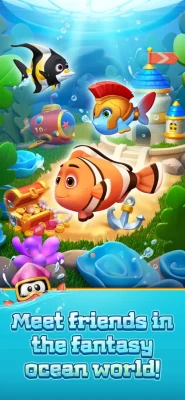
The game also provides a creative element beyond puzzle solving. By collecting Fish Coins, players can add fish, ornaments, and other decorative items to their ocean world. Different themes and customizable backgrounds allow you to make the underwater setting feel more personal.
In addition to its main puzzle progression, Ocean Puzzle World includes rotating solo, team, and player-versus-player events. These activities offer additional challenges and opportunities to earn rewards.
Whether you enjoy relaxing puzzles, collecting decorations, or competing in limited-time events, Ocean Puzzle World combines several types of casual gameplay in one underwater adventure.
How to Play Ocean Puzzle World
The main objective is to complete the requirements of each match-3 stage. The board contains colorful ocean shells that can be rearranged to create matching groups.
Swap neighboring pieces to form a line or group of at least three matching shells. When a valid match is made, the matched pieces disappear and new pieces fall into the empty spaces.
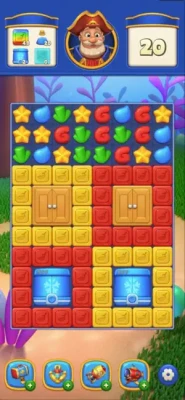
New pieces can create additional matches automatically, producing chain reactions that clear more of the board. These cascades are particularly useful when you need to remove many pieces or complete an objective with limited moves.
Each stage has its own goal, so check the objective before making your first move. You may need to clear particular pieces, collect specific items, or remove obstacles before running out of moves.
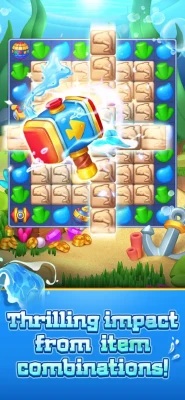
Special combinations can create powerful effects that clear larger areas. Learning how these combinations work is essential for handling difficult stages efficiently.
After completing a level, collect your rewards and use the available progression systems to develop your underwater world. As you advance, the puzzles become more demanding, making careful planning increasingly important.
Main Features of Ocean Puzzle World
Thousands of Match-3 Levels
Ocean Puzzle World features a large selection of puzzle stages. Each stage introduces a different board arrangement or objective, encouraging players to adapt their strategy rather than repeat the same moves.
Colorful Ocean Shells
The central gameplay revolves around matching ocean shells of the same color. Creating matches clears pieces from the board and opens space for additional combinations.
Special Boosters and Items
Boosters provide extra help when a puzzle becomes difficult. They can assist with clearing pieces, overcoming obstacles, or creating opportunities that would be harder to achieve through ordinary matches.
Fish Coins and Underwater Decorations
Completing puzzles rewards players with Fish Coins, which can be used to develop a personalized ocean environment. Collect fish and ornaments to make your underwater world more attractive.
Customizable Ocean Themes
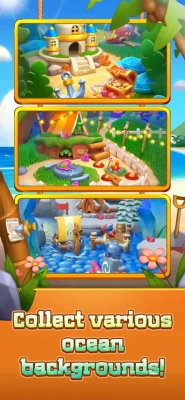
The game includes underwater themes and customizable backgrounds. As you progress, you can expand and personalize your ocean world with available decorative content.
Solo Events
Rotating solo events offer additional objectives beyond ordinary stage progression. These challenges give players another way to earn rewards and test their puzzle-solving skills.
Team Events
Team activities introduce cooperative play. Players can participate in team-based challenges and work toward shared rewards, depending on the current event.
PvP Competitions
Player-versus-player events provide a competitive alternative to the regular puzzle campaign. These activities encourage players to improve their performance and pursue better results.
HD Vibration Effects
The game includes vibration effects designed to make puzzle interactions feel more immersive. Supported devices and settings may affect how these effects are experienced.
Offline Gameplay
Ocean Puzzle World supports offline play for its core puzzle experience. Some online activities, competitive features, and connected services may require an internet connection.
Complete Strategy Guide for Ocean Puzzle World
Focus on the Level Objective
Before making your first move, read the stage objective carefully. Understanding what must be collected or cleared helps you avoid wasting moves on matches that do not contribute meaningfully to completion.
For example, if the level requires removing specific objects, prioritize matches that affect those objects or open access to them. If obstacles block the required pieces, work on clearing the surrounding area first.
The best move is not always the one that removes the most shells. It is the move that brings you closer to completing the stage.
Look for Matches at the Bottom of the Board
Matches near the bottom can create useful changes throughout the board because the pieces above them fall into the newly opened spaces.
These falling pieces may create automatic matches, leading to chain reactions that clear additional shells without requiring extra moves.
Before making a move, examine the lower portion of the board and consider whether clearing a group there could trigger a cascade. Although the outcome depends on the pieces that fall, this approach can create valuable opportunities.
Create Special Combinations
Special pieces are among the most useful tools in match-3 puzzles. Larger matches and certain combinations can generate powerful effects that clear more pieces than ordinary matches.
Whenever possible, look for opportunities to create these combinations instead of making several small matches that produce limited progress.
Learn which patterns generate special pieces in the current game and use them to support your stage objectives. A well-placed special piece can clear a difficult section or open the board for additional matches.
Combine Special Pieces for Greater Impact
When the game allows special pieces to be combined, consider how their effects may interact. Combining suitable pieces can produce a larger clearing effect and help you overcome crowded layouts.
Avoid activating every special piece as soon as it becomes available. If you can position pieces to create a more useful combination, waiting may provide greater value.
However, do not spend too many moves trying to arrange a perfect setup when the level is nearly complete or a simpler move will solve the immediate problem.
Clear Obstacles Strategically
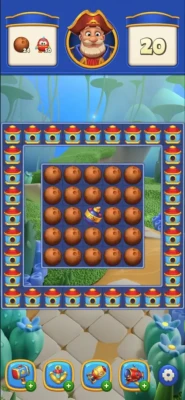
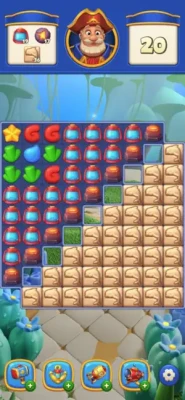
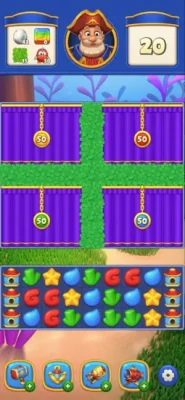
Some levels include obstacles that restrict movement or prevent you from reaching important pieces. These can make it difficult to create matches in the areas where they are needed.
Identify the obstacles that interfere most with the objective. Prioritize clearing them when doing so opens new matching opportunities or allows pieces to move more freely.
Avoid focusing on an obstacle that has little effect on the mission while leaving a more important area blocked.
Make Every Move Count
Most challenging stages limit the number of moves available. Every swap should have a clear purpose, whether it advances the objective, creates a special piece, clears an obstacle, or sets up a valuable cascade.
Before swapping, compare the available options. A match that looks attractive may not be the most effective choice if another move can clear more important pieces or create a stronger follow-up.
This habit becomes increasingly valuable as the levels grow more complex.
Use Boosters at the Right Time
Boosters can help you finish difficult stages, but using them without a clear plan may waste valuable resources.
First, examine the board for ordinary matches that can make meaningful progress. If a useful combination is available, try that before spending a booster.
Save powerful items for situations where they can remove a major obstacle, reach an inaccessible target, or help complete an objective when only a few moves remain.
The best booster depends on the problem you need to solve, so consider its specific effect before activating it.
Plan Around Falling Pieces
Every match changes the board as new shells fall into place. This means a good move can create opportunities that are not immediately visible.
Look at the empty spaces that will appear after a match and consider which pieces are likely to fall into them. You cannot predict every cascade, but recognizing likely patterns can help you choose more productive moves.
Try to make matches that open multiple areas of the board, especially when the stage objective requires clearing pieces across a wide section.
Prioritize Difficult Areas
Some parts of a puzzle board are harder to reach than others. Corners, narrow sections, and areas surrounded by obstacles may require special combinations or carefully planned matches.
Identify these difficult areas early and look for ways to reach them before the board becomes more restricted.
Leaving the hardest section until the final few moves can make a stage unnecessarily difficult. Addressing it earlier gives you more opportunities to create suitable combinations.
Manage Limited Moves Carefully
When a level has only a few moves remaining, focus on the most direct route to completion. Avoid making optional matches unless they help you reach the objective or create a useful special piece.
Check how much progress remains and determine which actions can provide the greatest benefit.
If the objective requires several targets, concentrate on the areas where those targets are located rather than clearing unrelated parts of the board.
Learn From Failed Levels
Failing a stage can reveal which parts of your strategy need improvement. Perhaps you spent too many moves on ordinary matches, overlooked a useful special combination, or ignored an obstacle that blocked the objective.
Review what happened and adjust your opening moves on the next attempt. A different sequence can produce a more favorable board and create opportunities that were missing before.
Rather than repeating the same approach, use each attempt to learn something about the puzzle layout.
Advanced Match-3 Techniques
Build Cascades Instead of Making Isolated Matches
A cascade occurs when one match causes additional pieces to fall into matching positions. These chain reactions can clear more pieces without using extra moves.
Look for matches that open spaces above or beside other matching colors. Clearing the right section may cause several additional matches to occur automatically.
Although cascades are not guaranteed, selecting moves that open more of the board can improve your chances of producing them.
Set Up Powerful Matches
Instead of clearing every available group immediately, consider whether one move can prepare a stronger combination for the next turn.
For example, a match may bring several pieces of the same color closer together, allowing you to create a special piece afterward.
Balance this planning against the stage objective. If a target is close to completion, it may be better to finish it immediately rather than spend moves preparing a larger combination.
Use Special Pieces to Reach Difficult Targets
When an objective involves pieces located behind obstacles or in restricted areas, special effects may be more effective than ordinary matches.
Study the area that needs attention and select an available special piece whose effect can reach it. Positioning and timing can make a significant difference to the outcome.
Keep the Board Flexible
A board with several possible matching options is easier to manage than one where only a few swaps are useful.
Try to avoid moves that leave isolated pieces or restrict access to important sections. Clearing obstacles and opening connected areas can create more opportunities for future matches.
Adapt to Different Stage Designs
Not every stage should be approached in the same way. Some puzzles favor special-piece creation, while others require targeted obstacle clearing or careful collection of specific items.
Check the objective and board layout before committing to a strategy. Adapting your approach is more effective than trying to force the same combination into every puzzle.
How to Earn Fish Coins and Decorate Your Ocean World
Complete Puzzle Stages
Playing and completing puzzles is the main way to collect Fish Coins for your underwater environment. Consistent progression gives you more opportunities to earn rewards and unlock additional decorative options.
Prioritize Consistent Progress
When deciding which stages to play, focus on completing available levels reliably. Repeatedly attempting a difficult puzzle without adjusting your strategy can slow your progress.
Use the match-3 techniques you have learned to improve your results and make better use of available moves.
Choose Decorations You Enjoy
Fish Coins can be used to add fish and ornaments to your ocean world. Explore the available options and select decorations that fit your preferred underwater theme.
Explore New Themes
As your ocean world expands, additional themes and background options can help you create a more distinctive environment. Check the available customization choices as you progress.
Participate in Events
Rotating events can provide additional rewards. Review the current event objectives and participate when their requirements fit your play style and available time.
Solo, Team, and PvP Event Strategies
Solo Events
Solo events focus on individual performance. Read the event rules carefully and prioritize objectives that provide useful rewards.
If the event involves completing puzzles, apply the same principles used in the main campaign: focus on objectives, create valuable combinations, and avoid wasting moves.
Team Events
Team events introduce cooperative goals. Participate consistently and pay attention to the requirements of the current challenge.
When rewards depend on shared progress, completing available objectives can help both your personal development and your team's performance.
PvP Events
PvP events add a competitive element to the puzzle experience. Aim for efficient clears, use special pieces effectively, and make each move contribute toward the event's objective.
Check the rules of each competition because the scoring system and requirements may vary between events.
Prepare for Rotating Challenges
Events may change over time, so do not assume that every activity follows the same rules. Review the current instructions before participating and adjust your approach to match the available objectives.
Common Mistakes to Avoid
Ignoring the Objective
Making matches without considering the mission can waste valuable moves. Always understand what the stage requires before choosing your first swap.
Clearing Only Easy Matches
Easy matches may provide immediate progress, but they can leave difficult areas untouched. Look for moves that address important targets or create opportunities for stronger combinations.
Using Boosters Too Early
Boosters are useful resources. Save them when ordinary moves can still make sufficient progress, and use them when they provide a clear advantage.
Overlooking Special Combinations
Special pieces can clear more of the board than ordinary matches. Look for opportunities to create and combine them when doing so supports the objective.
Forgetting About Cascades
A move can create additional matches as new pieces fall. Consider the potential chain reaction before selecting a swap.
Spending Too Many Moves on One Area
Focusing on a single section can leave other objectives unfinished. Keep track of the entire board and distribute your attention according to the stage requirements.
Repeating the Same Failed Strategy
If an approach does not work, change your opening moves or focus on a different part of the board. Learning from previous attempts can help you solve difficult stages more efficiently.
Is Ocean Puzzle World Suitable for Beginners?
Yes. Ocean Puzzle World uses familiar match-3 mechanics that are easy to understand. New players can begin by matching three shells of the same color and gradually learn how special pieces, boosters, and obstacles affect the board.
The underwater decorations provide an additional motivation to keep progressing, while rotating events offer extra challenges for players who want more than the standard campaign.
Although later stages require more planning, the game allows players to develop their skills gradually. Its colorful presentation and straightforward controls make it suitable for casual puzzle fans.
Is Ocean Puzzle World Free to Play?
Ocean Puzzle World is free to download on compatible Apple devices and includes optional in-app purchases. The available store listing also indicates advertising.
Players can enjoy the core puzzle experience without purchasing additional items. Optional purchases may provide access to particular resources or offers, but careful planning remains important for completing stages efficiently.
Frequently Asked Questions
What is Ocean Puzzle World?
Ocean Puzzle World is a match-3 puzzle game developed by MOBIRIX. Players match ocean shells, complete levels, collect Fish Coins, and decorate a personalized underwater world.
How do you play Ocean Puzzle World?
Swap neighboring shells to create matching groups of at least three pieces of the same color. Clear the required pieces and complete the stage objective before running out of moves.
How do you win difficult levels?
Focus on the stage objective, create special combinations, clear important obstacles, and look for cascades that remove additional pieces. Use boosters when they can make a meaningful difference.
What are Fish Coins used for?
Fish Coins are used to decorate your underwater environment with fish, ornaments, and other available items.
Does Ocean Puzzle World have boosters?
Yes. The game includes special boosters and items that can help players clear difficult puzzles and complete stage objectives.
How many levels does Ocean Puzzle World have?
The game has thousands of stages. The exact number may change as MOBIRIX releases additional level expansions.
Does Ocean Puzzle World have multiplayer features?
Yes. The game offers rotating solo, team, and PvP events, allowing players to participate in individual challenges, cooperative activities, and competitive matches.
Can you play Ocean Puzzle World offline?
Yes. The game supports offline play for its core puzzle experience. Certain events and online features may require an internet connection.
Is Ocean Puzzle World available on iPhone and iPad?
Yes. The Apple App Store version supports compatible iPhone and iPad devices running iOS 13.0 or later, or iPadOS 13.0 or later, respectively.
Is Ocean Puzzle World free?
Yes. The game is free to download, with advertisements and optional in-app purchases available.
What is the best strategy for beginners?
Read the level objective before playing, prioritize useful matches, look for special combinations, and avoid wasting moves on unrelated targets. Learn how cascades work and save boosters for difficult situations.
Can you customize your underwater world?
Yes. You can use Fish Coins to collect fish and ornaments and personalize your ocean environment with available decorative items and themes.
Final Thoughts
Ocean Puzzle World combines classic match-3 gameplay with an appealing underwater world full of decorations, special effects, and varied challenges. Its large collection of stages provides plenty of opportunities to improve your puzzle-solving skills while collecting rewards and expanding your ocean environment.
For the best results, focus on the level objective, look for valuable special combinations, and use boosters when they provide the greatest benefit. Learn to recognize cascading opportunities and adapt your strategy to each board instead of making random matches.
Whether you enjoy relaxing puzzles, decorating your own underwater world, or competing in rotating events, Ocean Puzzle World offers a colorful and engaging experience with plenty of ways to keep progressing.
Rate the Game
User Reviews














Popular Games



















 Android
 iOS
 Windows
 Xbox